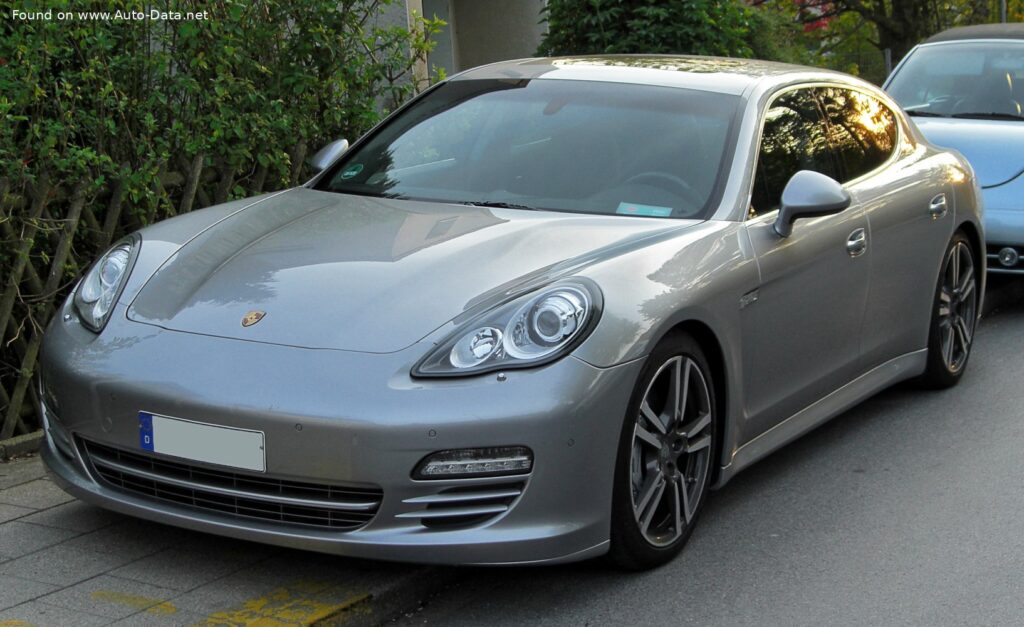
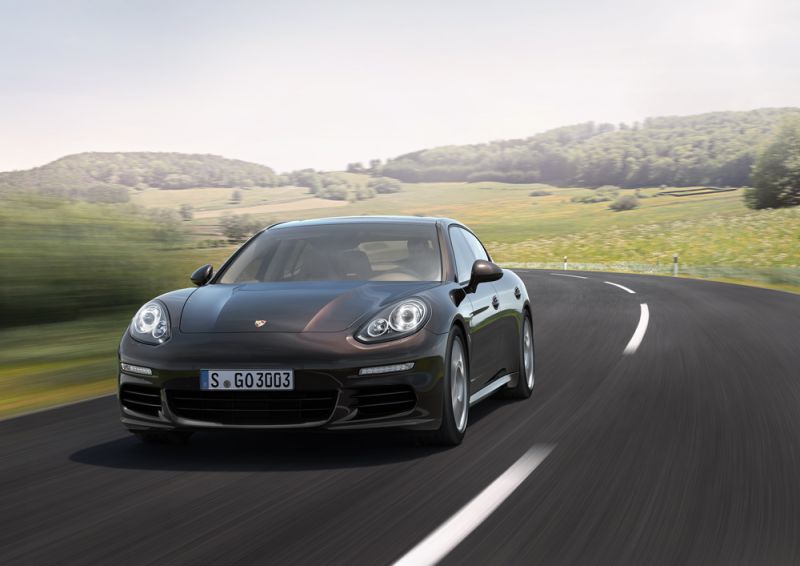
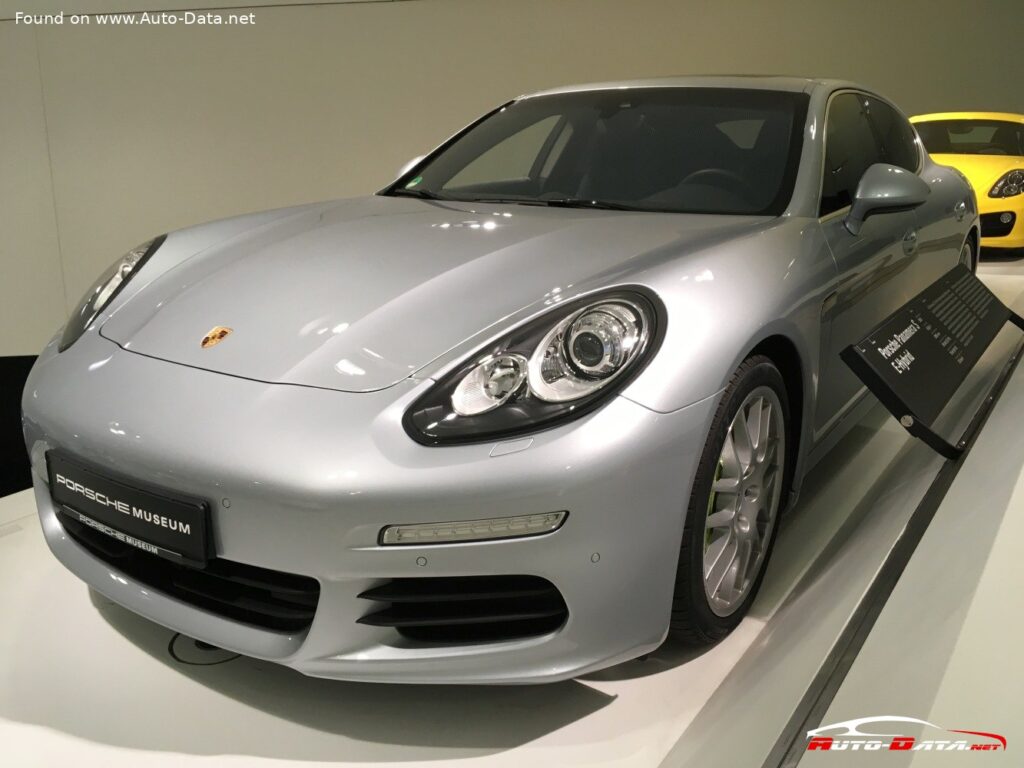
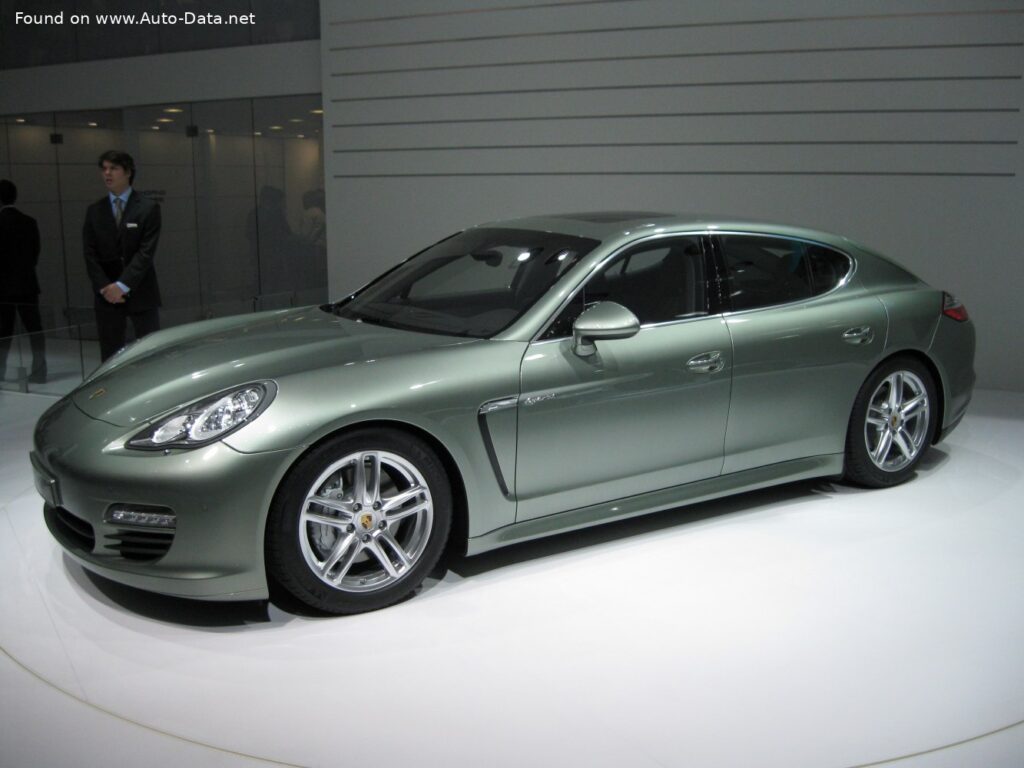
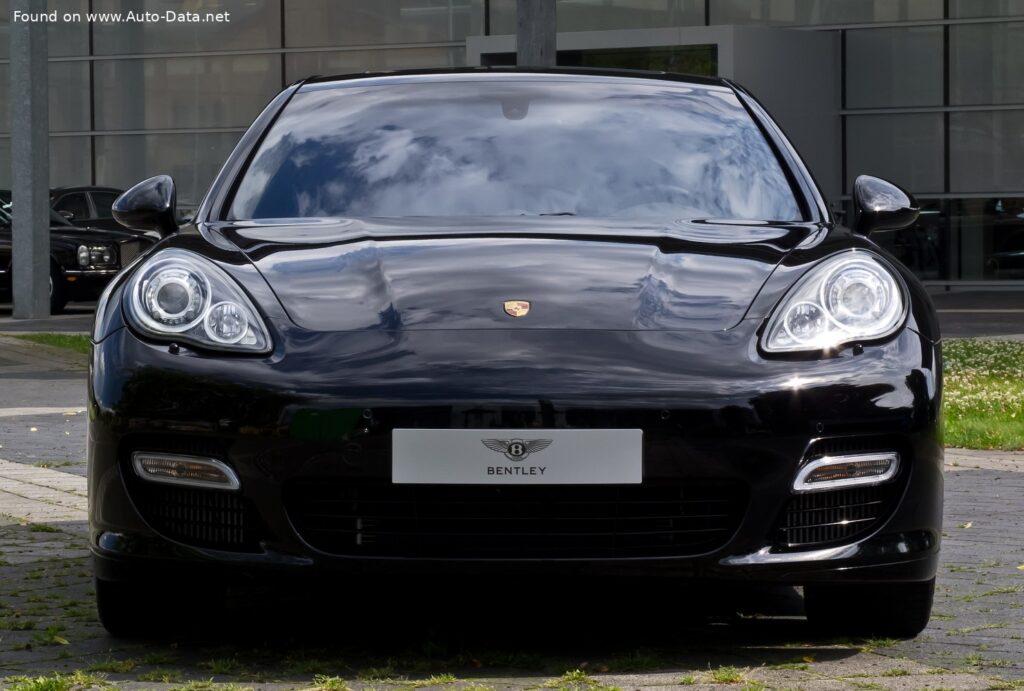
The Porsche Panamera (G2) Executive Turbo 4.0 V8 (550 Hp) PDK, produced from 2019 to 2020, represents a significant evolution in Porsche’s four-door luxury vehicle lineup. As the second generation of the Panamera, the G2 introduced substantial improvements in technology, performance, and refinement. The “Executive” designation denotes a long-wheelbase variant, prioritizing rear passenger comfort and space, while the “Turbo” signifies the top-tier performance level within the range, powered by a potent twin-turbocharged V8 engine. This model competes directly with vehicles like the Mercedes-Benz S-Class, BMW 7 Series, and Audi A8, offering a unique blend of sports car dynamics and luxury sedan practicality.
Porsche Panamera (G2) Executive Turbo: An Overview
The G2 generation Panamera, launched in 2016, moved to the Volkswagen Group’s MSB platform, a modular architecture designed for both front-engine and mid-engine vehicles. This platform allowed for greater flexibility in design and engineering, resulting in a lighter and more dynamically capable vehicle compared to its predecessor. The Executive models, like the Turbo variant detailed here, cater to buyers seeking a more spacious and luxurious experience, particularly in the rear seats. The Panamera’s liftback design, a defining characteristic of the model, provides both elegant styling and enhanced practicality with its large, accessible cargo area.
Engine & Performance
At the heart of the Panamera Executive Turbo lies a 4.0-liter twin-turbocharged V8 engine, designated EA825 / MCV.DA. This powerplant delivers a formidable 550 horsepower at 5750-6000 rpm and a substantial 770 Nm (567.92 lb.-ft.) of torque between 2000 and 4500 rpm. The engine features direct fuel injection and intercooling to maximize efficiency and power output. The power-to-liter ratio is an impressive 137.6 Hp/l. This engine is coupled with Porsche’s eight-speed PDK (Porsche Doppelkupplung) dual-clutch automatic transmission, renowned for its rapid and seamless gear changes. Power is distributed to all four wheels via an all-wheel-drive system, ensuring optimal traction and stability. Performance figures are striking: acceleration from 0 to 100 km/h (0-62 mph) takes just 3.9 seconds, while 0 to 60 mph is achieved in a calculated 3.7 seconds. The vehicle boasts a maximum speed of 306 km/h (190.14 mph). The weight-to-power ratio of 3.8 kg/Hp and weight-to-torque ratio of 2.7 kg/Nm further highlight the vehicle’s impressive performance capabilities.
Design & Features
The Panamera G2 Executive Turbo maintains the signature liftback body style, offering a sleek and aerodynamic profile. The long wheelbase of the Executive model adds 150 mm (5.9 inches) to the overall length, translating into significantly more rear legroom. The exterior design incorporates Porsche’s contemporary styling cues, including sculpted lines, prominent wheel arches, and distinctive LED lighting. Inside, the cabin is meticulously crafted with high-quality materials, including leather upholstery, wood trim, and aluminum accents. The vehicle is equipped with a comprehensive suite of technology features, including Porsche’s Communication Management (PCM) infotainment system, advanced driver-assistance systems (ADAS) such as adaptive cruise control, lane keeping assist, and night vision assist. Safety features are paramount, with a robust ABS system and a focus on occupant protection. The Executive variant also offers features like massaging rear seats, a rear-seat entertainment system, and a panoramic sunroof, enhancing the luxury experience for passengers. The drag coefficient of 0.31 contributes to improved aerodynamic efficiency.
Technical Specifications
| Brand | Porsche |
| Model | Panamera |
| Generation | Panamera (G2) Executive |
| Type (Engine) | Turbo 4.0 V8 (550 Hp) PDK |
| Start of production | 2019 |
| End of production | 2020 |
| Powertrain Architecture | Internal Combustion engine |
| Body type | Liftback |
| Seats | 4 |
| Doors | 5 |
| Fuel consumption (urban) | 14.7 l/100 km (16 US mpg, 19.2 UK mpg, 6.8 km/l) |
| Fuel consumption (extra urban) | 8.2 l/100 km (28.7 US mpg, 34.4 UK mpg, 12.2 km/l) |
| Fuel consumption (combined) | 10.6 l/100 km (22.2 US mpg, 26.6 UK mpg, 9.4 km/l) |
| CO2 emissions | 242 g/km |
| Fuel Type | Petrol (Gasoline) |
| Acceleration 0 – 100 km/h | 3.9 sec |
| Acceleration 0 – 62 mph | 3.9 sec |
| Acceleration 0 – 60 mph | 3.7 sec |
| Maximum speed | 306 km/h (190.14 mph) |
| Emission standard | Euro 6d-TEMP-EVAP-ISC |
| Weight-to-power ratio | 3.8 kg/Hp |
| Weight-to-torque ratio | 2.7 kg/Nm |
| Power | 550 Hp @ 5750-6000 rpm |
| Torque | 770 Nm @ 2000-4500 rpm (567.92 lb.-ft.) |
| Engine layout | Front, Longitudinal |
| Engine Model/Code | EA825 / MCV.DA |
| Engine displacement | 3996 cm3 (243.85 cu. in.) |
| Number of cylinders | 8 |
| Engine configuration | V-engine |
| Cylinder Bore | 86 mm (3.39 in.) |
| Piston Stroke | 86 mm (3.39 in.) |
| Number of valves per cylinder | 4 |
| Fuel injection system | Direct injection |
| Engine aspiration | BiTurbo, Intercooler |
| Engine oil capacity | 9.5 l (10.04 US qt | 8.36 UK qt) |
| Kerb Weight | 2100 kg (4629.71 lbs.) |
| Max. weight | 2635 kg (5809.18 lbs.) |
| Max load | 535 kg (1179.47 lbs.) |
| Fuel tank capacity | 90 l (23.78 US gal | 19.8 UK gal) |
| Length | 5199 mm (204.69 in.) |
| Width | 1937 mm (76.26 in.) |
| Width including mirrors | 2165 mm (85.24 in.) |
| Height | 1432 mm (56.38 in.) |
| Wheelbase | 3100 mm (122.05 in.) |
| Front track | 1657 mm (65.24 in.) |
| Rear track | 1639 mm (64.53 in.) |
| Ride height (ground clearance) | 138 mm (5.43 in.) |
| Drag coefficient (Cd) | 0.31 |
| Drive wheel | All wheel drive (4×4) |
| Number of gears and type of gearbox | 8 gears, automatic transmission PDK |
| Front suspension | Double wishbone |
| Rear suspension | independent torsion suspension |
| Front brakes | Ventilated discs, 410 mm |
| Rear brakes | Ventilated discs, 380 mm |
| Front tires | 275/40 ZR20 106Y |
| Rear tires | 315/35 ZR20 110Y |
The Porsche Panamera G2 Executive Turbo 4.0 V8 (550 Hp) PDK represents a pinnacle of luxury performance, blending Porsche’s sporting heritage with the comfort and space demanded by discerning buyers. Its advanced technology, powerful engine, and refined interior solidify its position as a leading contender in the high-end luxury sedan segment.