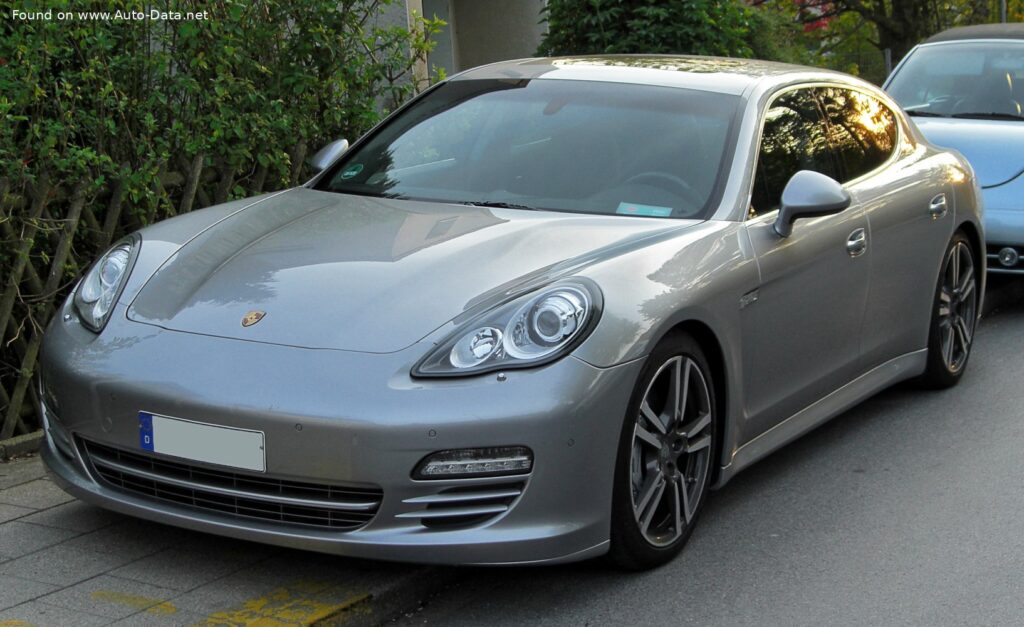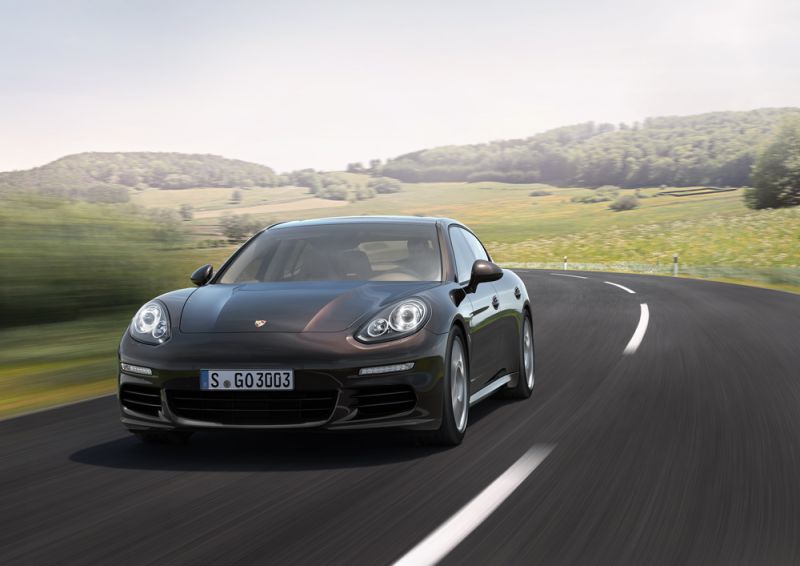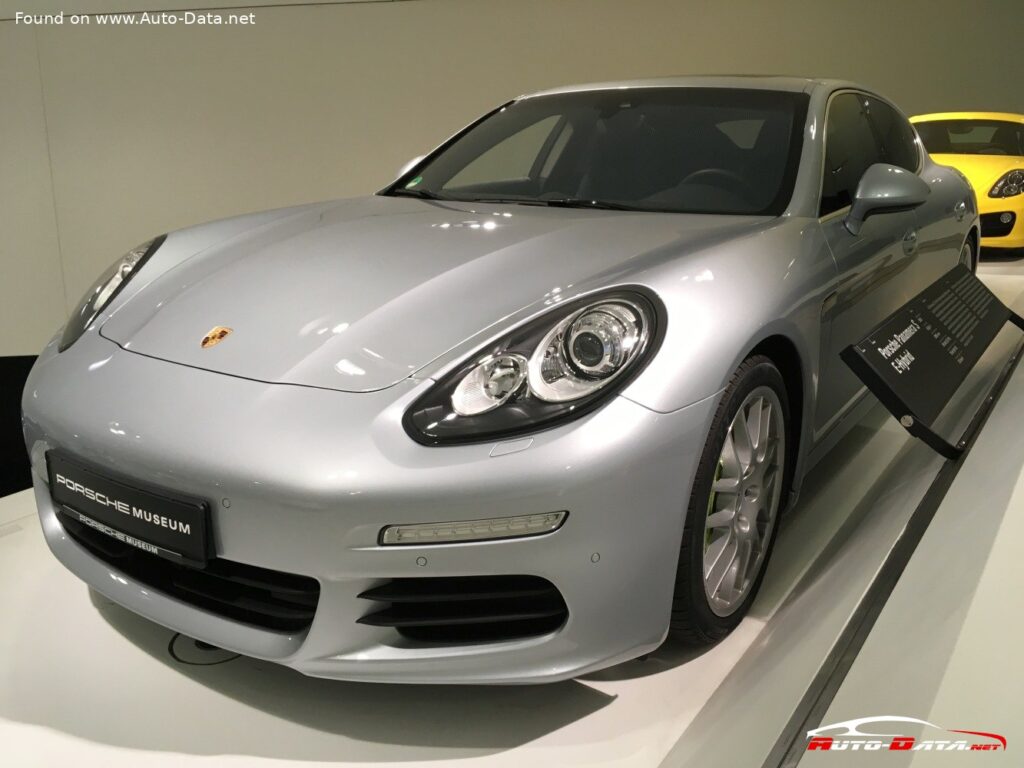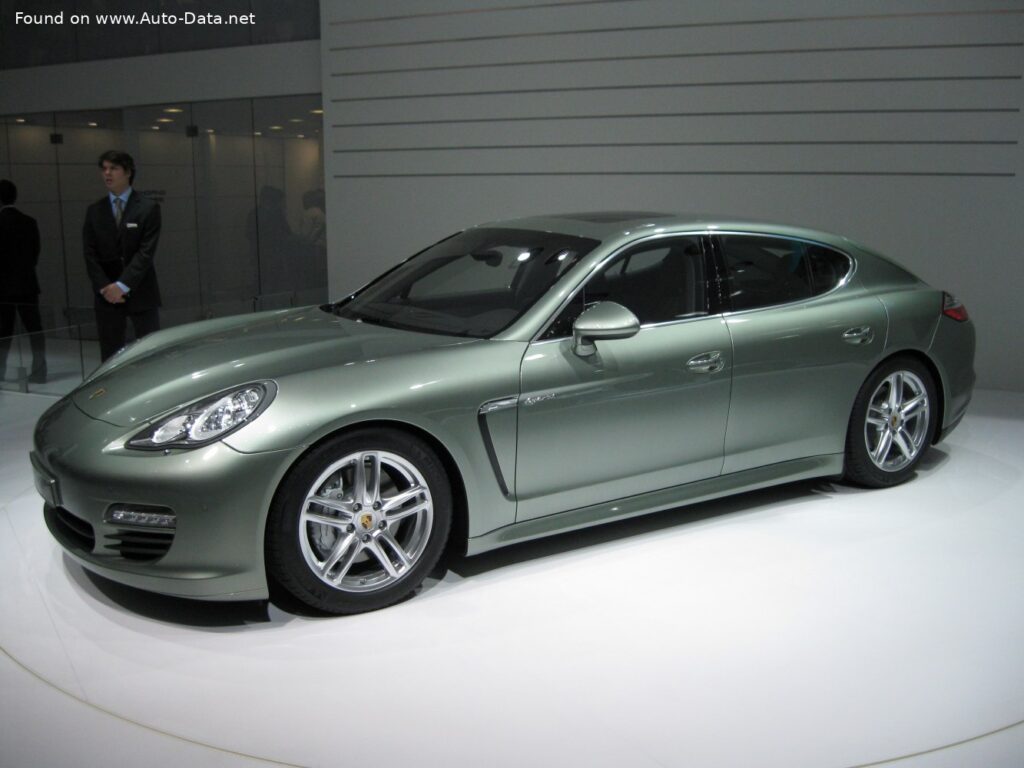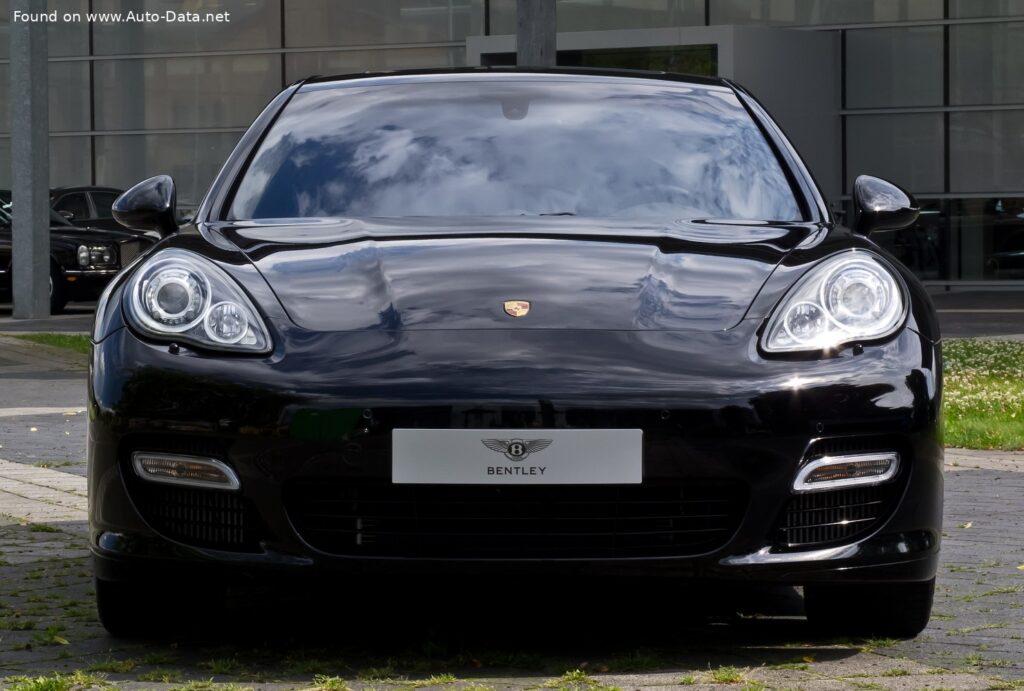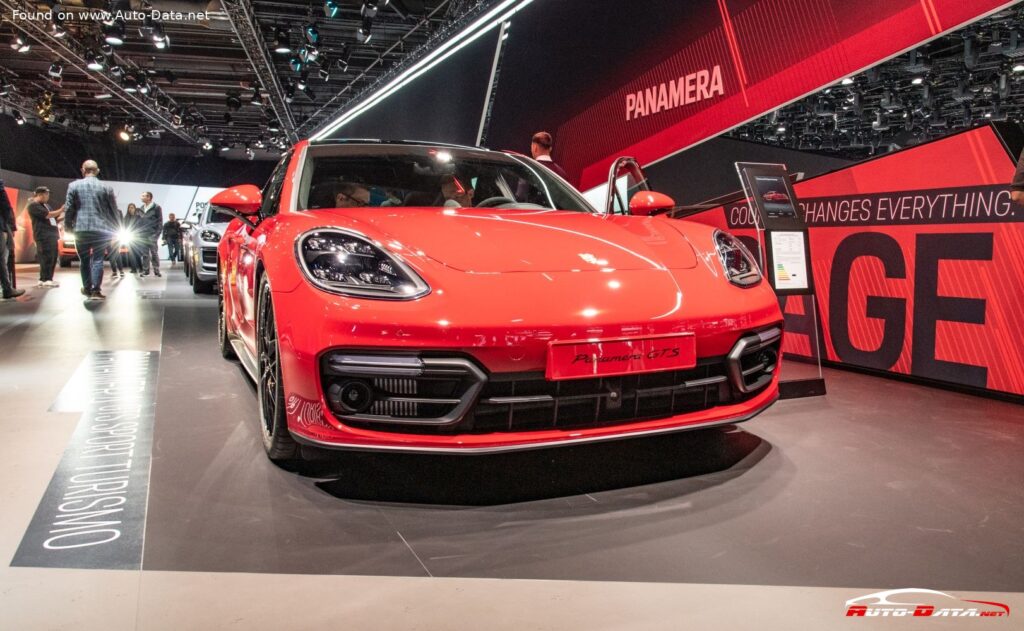
The Porsche Panamera (G2) Sport Turismo 4S Diesel represents a unique offering within the Panamera lineage, blending the performance expected of the Porsche brand with the practicality of a station wagon (estate) body style. Introduced in 2017 and produced through August 2018, this variant catered primarily to the European market, where wagons maintain significant popularity. It distinguished itself with a powerful diesel engine, advanced technology, and Porsche’s commitment to driving dynamics. The Sport Turismo body style, in particular, expanded the Panamera’s appeal by offering increased cargo capacity and rear headroom compared to the standard sedan.
Porsche Panamera (G2) Sport Turismo 4S Diesel: An Overview
The G2 generation of the Panamera, launched in 2016, marked a significant departure from its predecessor, adopting a more modern design language and a new platform. The Sport Turismo variant, introduced shortly after, further broadened the Panamera’s range. While Porsche is renowned for its sports cars, the Panamera aimed to deliver a luxury grand tourer experience. The 4S Diesel model specifically targeted customers seeking a balance between performance, efficiency, and practicality, offering a compelling alternative to traditional gasoline-powered options. It’s important to note that diesel models were less common in the North American market due to emissions regulations and consumer preferences.
Engine & Performance
At the heart of the Panamera Sport Turismo 4S Diesel lies a 4.0-liter V8 diesel engine, designated EA898 / MDB.UC. This powerplant delivers a substantial 422 horsepower at 3500-5000 rpm and an impressive 850 Nm (626.93 lb.-ft.) of torque between 1000-3250 rpm. The engine boasts a high compression ratio of 16:1 and utilizes a bi-turbocharger system with an intercooler to maximize power and efficiency. Paired with Porsche’s 8-speed PDK (Porsche Doppelkupplung) dual-clutch automatic transmission and an all-wheel-drive system, the vehicle achieves a 0-100 km/h (0-62 mph) acceleration time of just 4.5 seconds, and a calculated 0-60 mph time of 4.3 seconds. Its top speed is electronically limited to 282 km/h (175.23 mph). The engine’s longitudinal front-engine layout contributes to balanced handling characteristics. The power-to-weight ratio of 5 kg/Hp and torque-to-weight ratio of 2.5 kg/Nm further highlight the vehicle’s performance capabilities.
Design & Features
The Panamera Sport Turismo 4S Diesel is a five-door, five-seat station wagon (estate). The Sport Turismo body style extends the roofline rearward, creating a more spacious cargo area. Compared to the standard Panamera sedan, the Sport Turismo offers increased rear headroom and a larger tailgate opening for easier loading. The vehicle’s exterior design incorporates Porsche’s signature styling cues, including sculpted lines, a low-slung profile, and distinctive headlights. Inside, the cabin is characterized by a luxurious and technologically advanced environment. Key features include a high-resolution touchscreen infotainment system, premium leather upholstery, and a range of driver-assistance systems. Safety features, crucial for a vehicle in this segment, include ABS (Anti-lock braking system), and advanced braking systems. The drag coefficient of 0.30 contributes to aerodynamic efficiency. The vehicle also includes a particulate filter to meet stringent Euro 6 emission standards.
Technical Specifications
| Brand | Porsche |
| Model | Panamera |
| Generation | Panamera (G2) Sport Turismo |
| Type (Engine) | 4S Diesel 4.0 V8 (422 Hp) PDK |
| Start of production | 2017 |
| End of production | August, 2018 |
| Powertrain Architecture | Internal Combustion engine |
| Body type | Station wagon (estate) |
| Seats | 5 |
| Doors | 5 |
| Fuel consumption (economy) – urban | 7.9 l/100 km (29.8 US mpg, 35.8 UK mpg, 12.7 km/l) |
| Fuel consumption (economy) – extra urban | 5.8-5.9 l/100 km (40.6 – 39.9 US mpg, 48.7 – 47.9 UK mpg, 17.2 – 16.9 km/l) |
| Fuel consumption (economy) – combined | 6.7-6.8 l/100 km (35.1 – 34.6 US mpg, 42.2 – 41.5 UK mpg, 14.9 – 14.7 km/l) |
| CO2 emissions | 176-178 g/km |
| Fuel Type | Diesel |
| Acceleration 0 – 100 km/h | 4.5 sec |
| Acceleration 0 – 62 mph | 4.5 sec |
| Acceleration 0 – 60 mph | 4.3 sec |
| Acceleration 0 – 200 km/h | 17.3 sec |
| Maximum speed | 282 km/h (175.23 mph) |
| Emission standard | Euro 6 |
| Weight-to-power ratio | 5 kg/Hp |
| Weight-to-torque ratio | 2.5 kg/Nm |
| Power | 422 Hp @ 3500-5000 rpm |
| Torque | 850 Nm @ 1000-3250 rpm (626.93 lb.-ft. @ 1000-3250 rpm) |
| Maximum engine speed | 5300 rpm |
| Engine layout | Front, Longitudinal |
| Engine Model/Code | EA898 / MDB.UC |
| Engine displacement | 3956 cm3 (241.41 cu. in.) |
| Number of cylinders | 8 |
| Engine configuration | V-engine |
| Cylinder Bore | 83 mm (3.27 in.) |
| Piston Stroke | 91.4 mm (3.6 in.) |
| Compression ratio | 16:1 |
| Number of valves per cylinder | 4 |
| Fuel injection system | Diesel Commonrail |
| Engine aspiration | BiTurbo, Intercooler |
| Engine oil capacity | 9 l (9.51 US qt | 7.92 UK qt) |
| Kerb Weight | 2095 kg (4618.68 lbs.) |
| Max. weight | 2785 kg (6139.87 lbs.) |
| Max load | 690 kg (1521.19 lbs.) |
| Trunk (boot) space – minimum | 520 l (18.36 cu. ft.) |
| Trunk (boot) space – maximum | 1390 l (49.09 cu. ft.) |
| Fuel tank capacity | 75 l (19.81 US gal | 16.5 UK gal) |
| Max. roof load | 75 kg (165.35 lbs.) |
| Permitted trailer load with brakes (12%) | 2200 kg (4850.17 lbs.) |
| Permitted trailer load without brakes | 750 kg (1653.47 lbs.) |
| Permitted towbar download | 100 kg (220.46 lbs.) |
| Length | 5049 mm (198.78 in.) |
| Width | 1937 mm (76.26 in.) |
| Width including mirrors | 2165 mm (85.24 in.) |
| Height | 1428 mm (56.22 in.) |
| Wheelbase | 2950 mm (116.14 in.) |
| Front track | 1671 mm (65.79 in.) |
| Rear (Back) track | 1651 mm (65 in.) |
| Drag coefficient (Cd) | 0.30 |
| Minimum turning circle (turning diameter) | 11.4-11.9 m (37.4 – 39.04 ft.) |
| Drive wheel | All wheel drive (4×4) |
| Number of gears and type of gearbox | 8 gears, automatic transmission PDK |
| Front suspension | Double wishbone |
| Rear suspension | Independent multi-link suspension |
| Front brakes | Ventilated discs |
| Rear brakes | Ventilated discs |
| Tires size | 265/45 ZR 19; 295/40 ZR 19 |
| Wheel rims size | 9J x 19; 10.5J x 19 |
The Porsche Panamera (G2) Sport Turismo 4S Diesel, while a relatively short-lived model, represents a compelling blend of performance, luxury, and practicality. Its powerful diesel engine, advanced technology, and distinctive design made it a desirable option for discerning buyers in markets where diesel vehicles were prevalent.