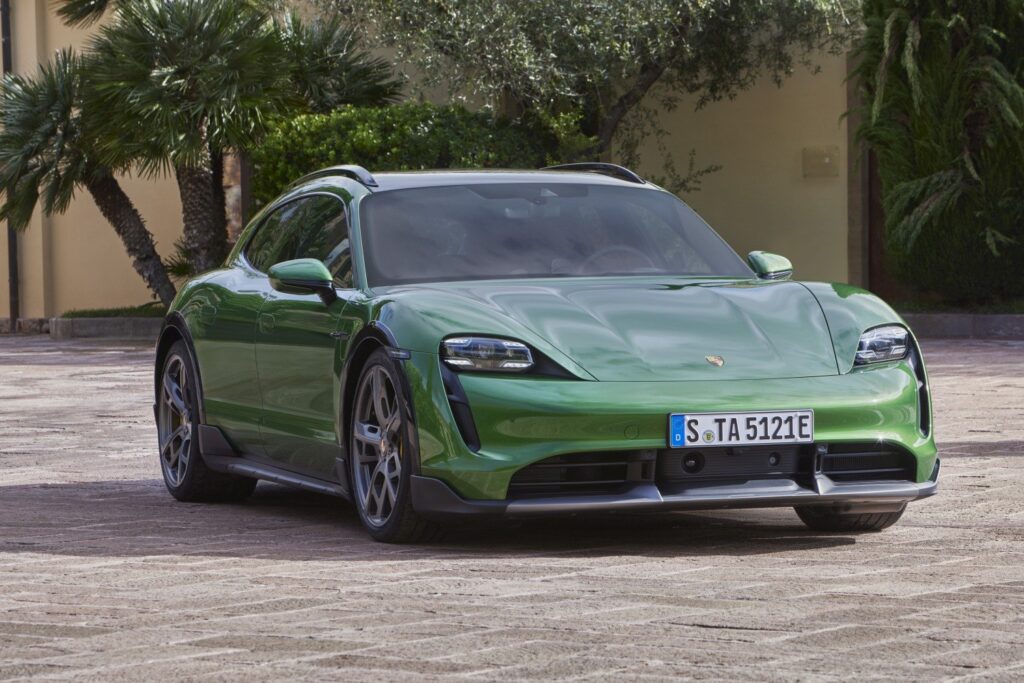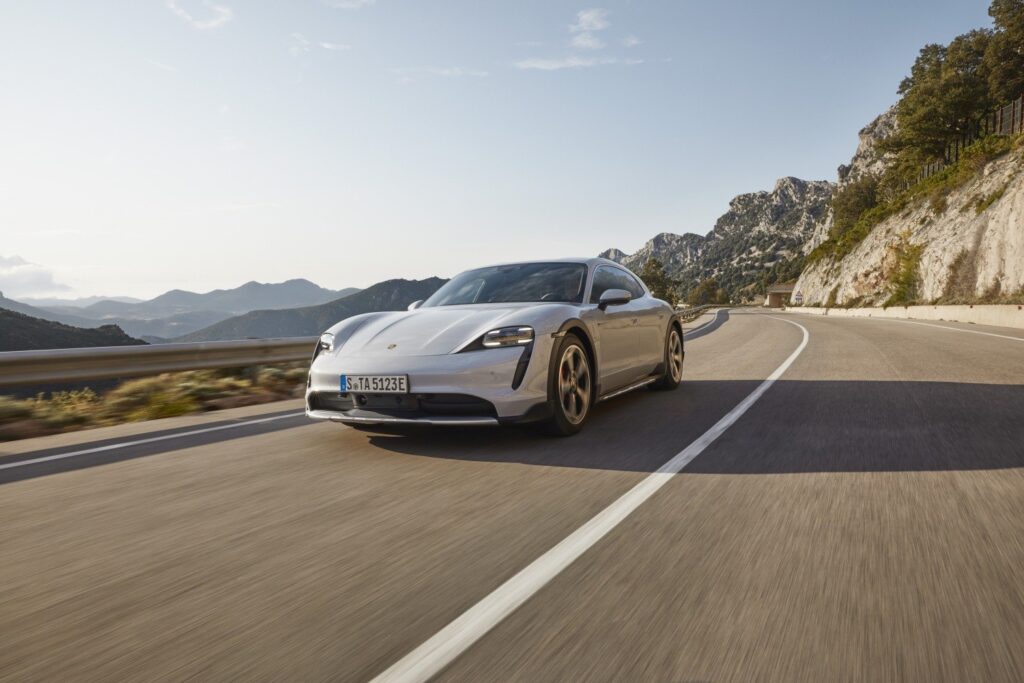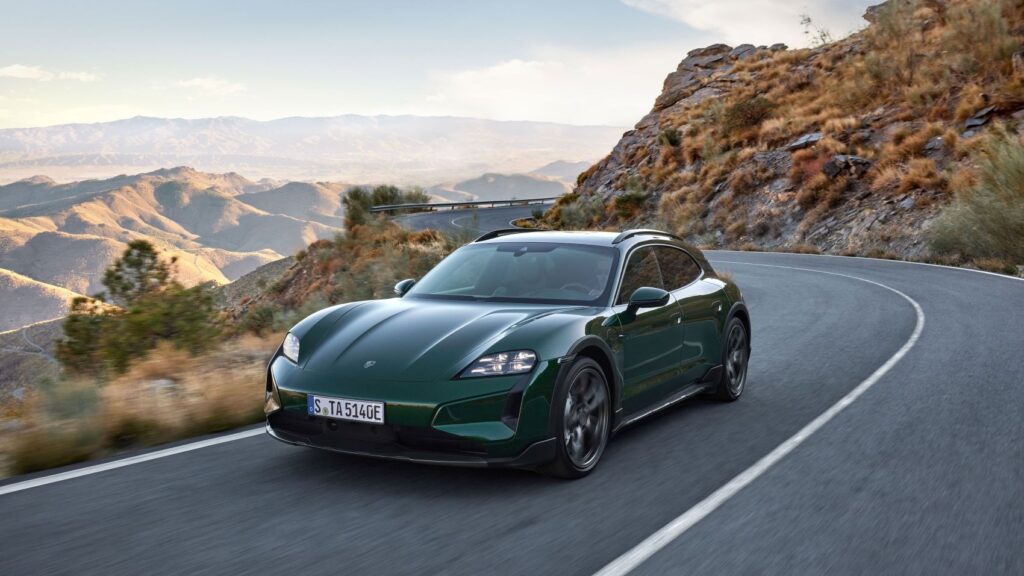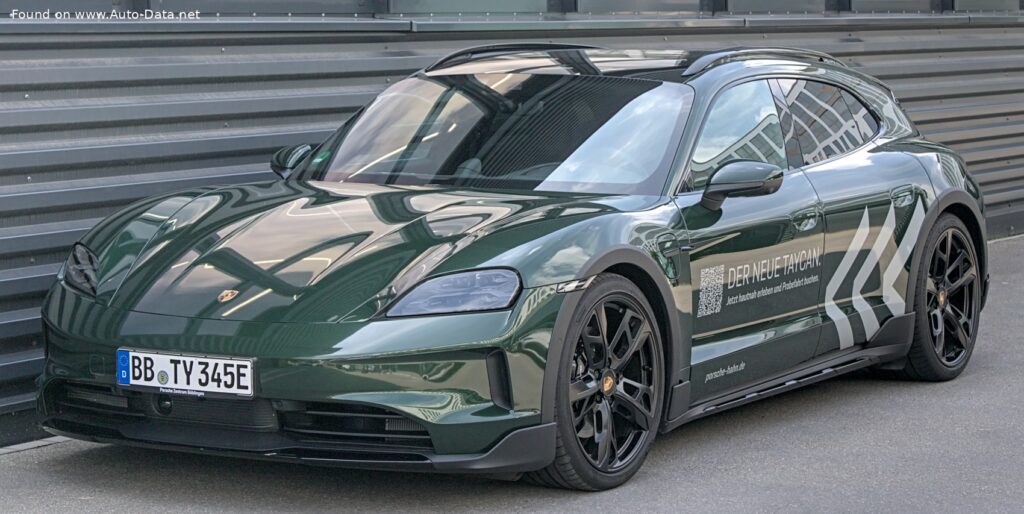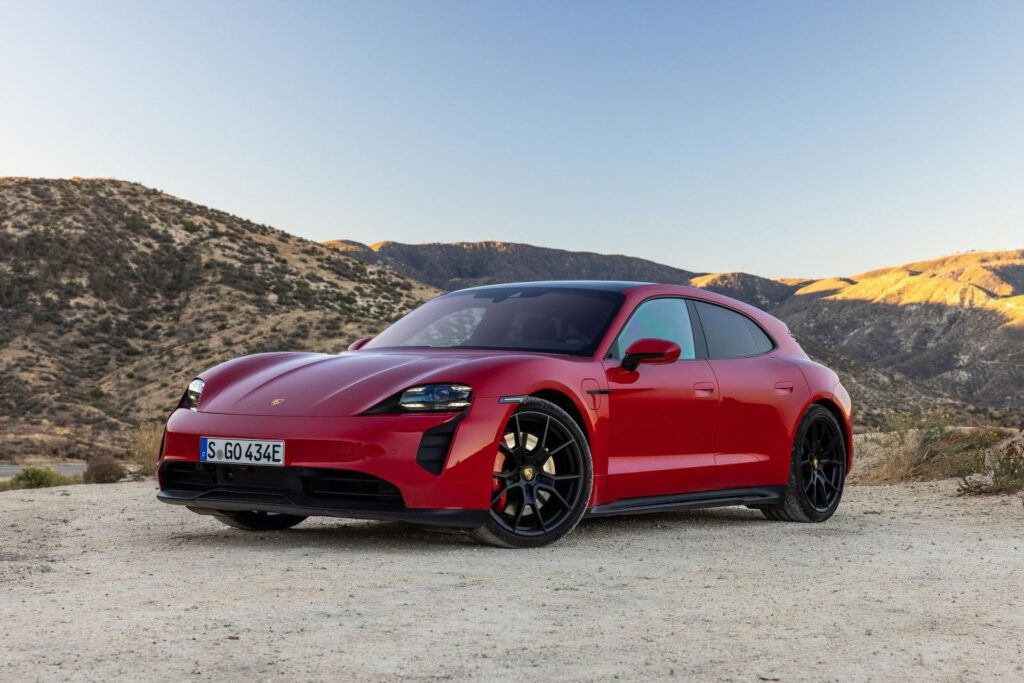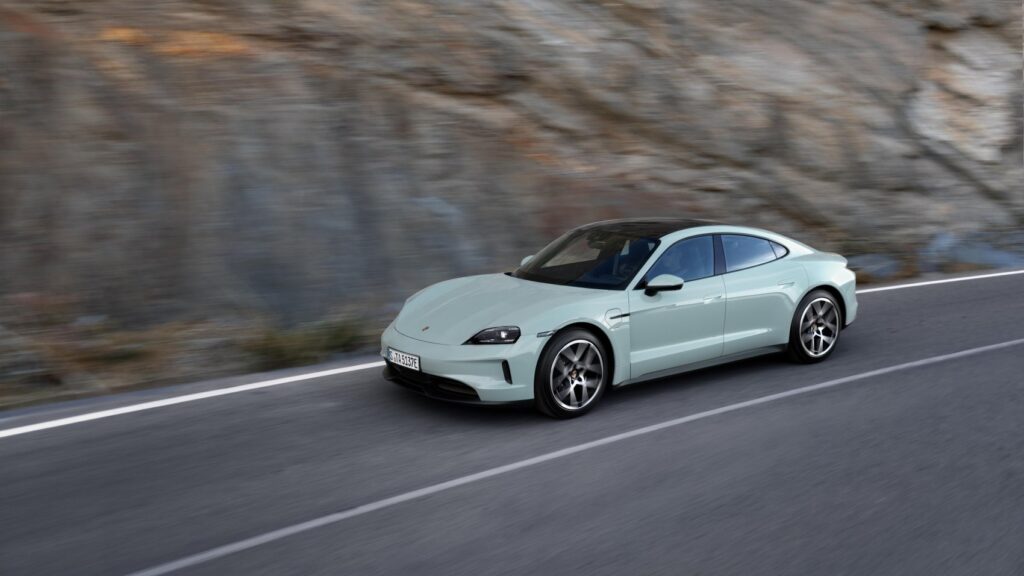
The Porsche Taycan, introduced for the 2020 model year, represents Porsche’s first foray into the all-electric vehicle market. The 2024 model year brought a significant facelift (designated Y1A) with updated styling, improved technology, and refinements to the powertrain. This article focuses specifically on the 89 kWh (408 hp) variant of the facelifted Taycan, which debuted in February 2024. This version occupies a key position in the Taycan lineup, serving as a performance-oriented entry point, offering a balance between range, acceleration, and price within the broader Taycan family.
Taycan 89 kWh (408 Hp): Overview and Positioning
The 89 kWh Taycan variant is a rear-wheel-drive, all-electric sedan designed to deliver a sporty driving experience while providing a practical range for daily use. It slots below the higher-performance Taycan 4S, Turbo, and Turbo S models, and above any potential base-level trims (which Porsche has not yet released as of late 2024). The “89 kWh” designation refers to the gross battery capacity, with 82.3 kWh being usable. This model is targeted towards buyers who desire the Porsche driving experience in an electric format, but don’t necessarily require the ultimate performance or longest range offered by the top-tier Taycan models. It appeals to those prioritizing efficiency and a more accessible price point within the Taycan range.
Powertrain Architecture and Electric Motor
The Taycan 89 kWh utilizes a single electric motor mounted transversely on the rear axle. This synchronous motor produces 408 horsepower and 410 Nm (302.4 lb-ft) of torque. The motor is powered by an 800-volt lithium-ion battery pack located under the floor of the vehicle. The 800-volt architecture is a key feature of the Taycan, enabling significantly faster charging times compared to vehicles utilizing a 400-volt system. The battery technology employed is advanced lithium-ion, optimized for energy density and longevity. Recuperation output is rated at 400 kW, allowing for significant energy recovery during deceleration, further enhancing range and efficiency.
Transmission and Drivetrain
Power is delivered to the rear wheels through a two-speed automatic transmission. The first gear provides strong acceleration from a standstill, while the second gear optimizes efficiency at higher speeds. This transmission is specifically designed for electric vehicle applications, offering smooth and seamless gear changes. The rear-wheel-drive configuration contributes to a slightly lighter overall weight compared to all-wheel-drive Taycan variants, and provides a more traditional Porsche driving feel favored by enthusiasts. The drivetrain architecture is a direct drive system, maximizing efficiency and minimizing energy loss.
Driving Characteristics
The Taycan 89 kWh delivers a responsive and engaging driving experience. Acceleration from 0 to 60 mph is achieved in 4.5 seconds, and 0-62 mph in 4.8 seconds, while 0-100 km/h takes 4.8 seconds. Top speed is electronically limited to 230 km/h (142.92 mph). While not as brutally quick as the Turbo or Turbo S models, the 89 kWh variant offers ample power for everyday driving and spirited performance on winding roads. The rear-wheel-drive setup provides a balanced chassis and allows for precise cornering. The low center of gravity, thanks to the battery pack’s placement, further enhances handling stability. The two-speed transmission is largely transparent to the driver, providing smooth and efficient power delivery across the speed range.
Equipment & Trim Levels
The standard equipment level for the 89 kWh Taycan is comprehensive, reflecting Porsche’s premium positioning. Standard features include a fully digital instrument cluster, a large central touchscreen infotainment system, Porsche Communication Management (PCM) with navigation, and a premium sound system. Interior upholstery is typically a combination of leather and Alcantara, with a variety of color options available. Optional extras include adaptive air suspension, Porsche Dynamic Chassis Control (PDCC), a panoramic sunroof, and various interior trim packages. Customers can also personalize their Taycan with a wide range of exterior paint colors and wheel designs. The interior dashboard configuration is modern and minimalist, emphasizing the vehicle’s technological sophistication.
Chassis & Braking
The Taycan 89 kWh features a sophisticated chassis designed for both comfort and performance. The front suspension utilizes a double-wishbone design with adaptive air suspension, while the rear suspension employs an independent multi-link setup, also with air suspension. This air suspension system allows for adjustable ride height and damping characteristics, optimizing comfort and handling depending on driving conditions. Braking duties are handled by ventilated discs on all four wheels, with front discs measuring 360×36 mm and rear discs measuring 358×28 mm. The braking system is augmented by Porsche’s Anti-lock Braking System (ABS) and other electronic stability control systems. The steering system is a rack-and-pinion setup with electric power steering, providing precise and responsive steering feel.
Market Reception & Comparison
The Porsche Taycan, in general, has been widely praised by automotive critics for its performance, handling, and technology. The 89 kWh variant, while not the range-topper, has been recognized as a compelling entry point into the Taycan lineup. Critics have noted its excellent balance between performance and efficiency, making it a practical choice for daily driving. Compared to the higher-output Taycan models, the 89 kWh variant offers a more accessible price point, but sacrifices some straight-line speed and ultimate range. Fuel economy (electricity consumption) is rated at 16.7-19.7 kWh/100 km (26.88 – 31.7 kWh/100 mi), translating to 125-106 MPGe and a range of 503-592 km (312.55 – 367.85 mi) on the WLTP cycle. Reliability reports are still emerging, but early indications suggest that the Taycan is a well-built and reliable vehicle.
Technical Specifications
| Body Type | Sedan, 4 Doors, 4-5 Seats |
| All-Electric Range (WLTP) | 503-592 km / 312.55 – 367.85 mi |
| Electricity Consumption (WLTP) | 16.7-19.7 kWh/100 km / 26.88 – 31.7 kWh/100 mi |
| Acceleration 0-60 mph | 4.5 sec |
| Maximum Speed | 230 km/h / 142.92 mph |
| Gross Battery Capacity | 89 kWh |
| Net (Usable) Battery Capacity | 82.3 kWh |
| Battery Voltage | 800 V |
| Battery Technology | Lithium-ion (Li-Ion) |
| Electric Motor Power | 408 Hp |
| Electric Motor Torque | 410 Nm / 302.4 lb.-ft. |
| Kerb Weight | 2090 kg / 4607.66 lbs. |
| Max. Weight | 2795 kg / 6161.92 lbs. |
| Trunk (Boot) Space (minimum) | 407 l / 14.37 cu. ft. |
| Length | 4963 mm / 195.39 in. |
| Width | 1966 mm / 77.4 in. |
| Height | 1379 mm / 54.29 in. |
| Wheelbase | 2900 mm / 114.17 in. |
| Transmission | 2 gears, automatic transmission |
Legacy
The Taycan 89 kWh powertrain represents a significant step forward in electric vehicle technology. The 800-volt architecture and high-performance electric motor have set a new benchmark for charging speed and driving dynamics. While long-term reliability data is still being collected, the Taycan’s build quality and Porsche’s engineering expertise suggest that this powertrain will prove to be durable and dependable. On the used car market, the 2024 facelifted Taycan 89 kWh is expected to hold its value well, appealing to buyers seeking a premium electric sedan with a proven track record. The combination of performance, range, and Porsche’s brand reputation positions this variant as a desirable and collectible vehicle in the years to come.