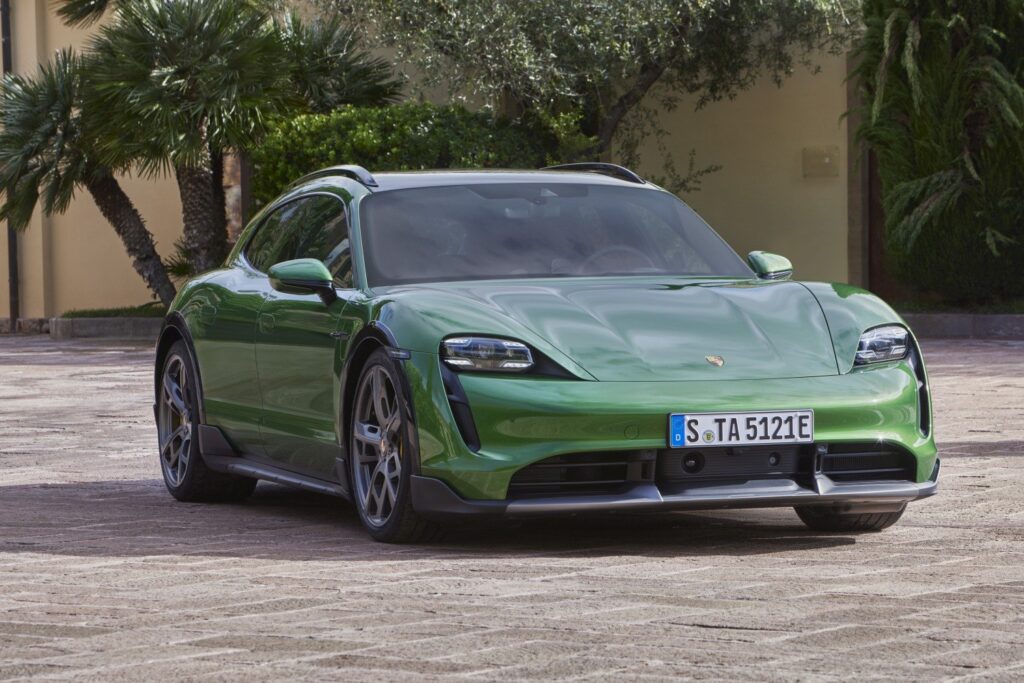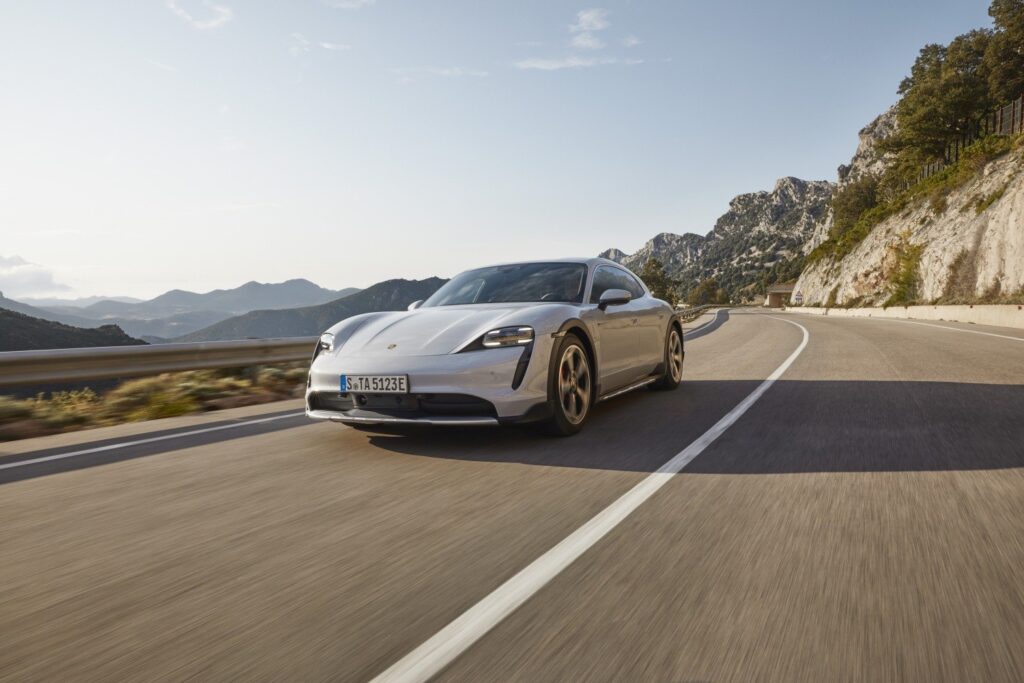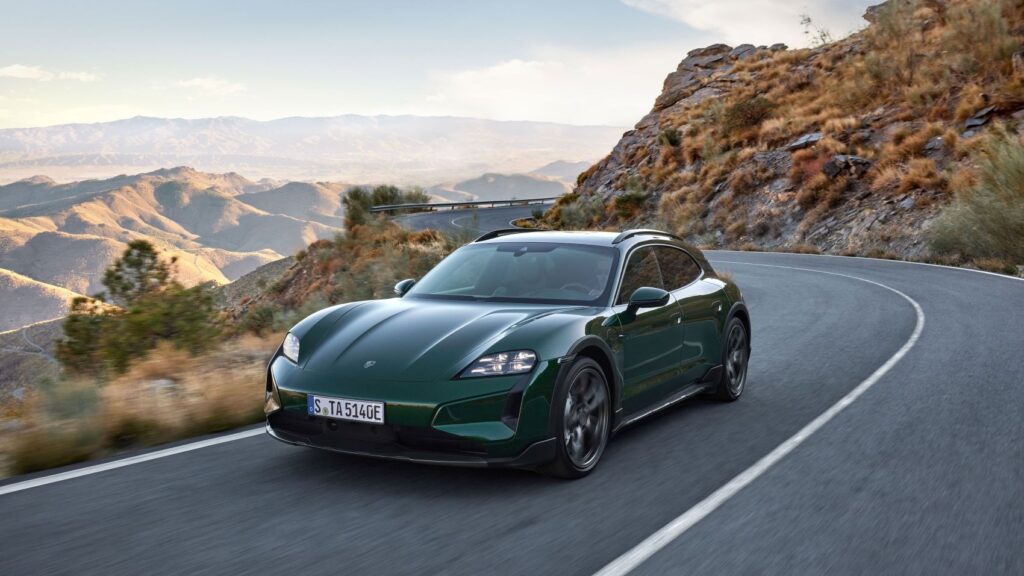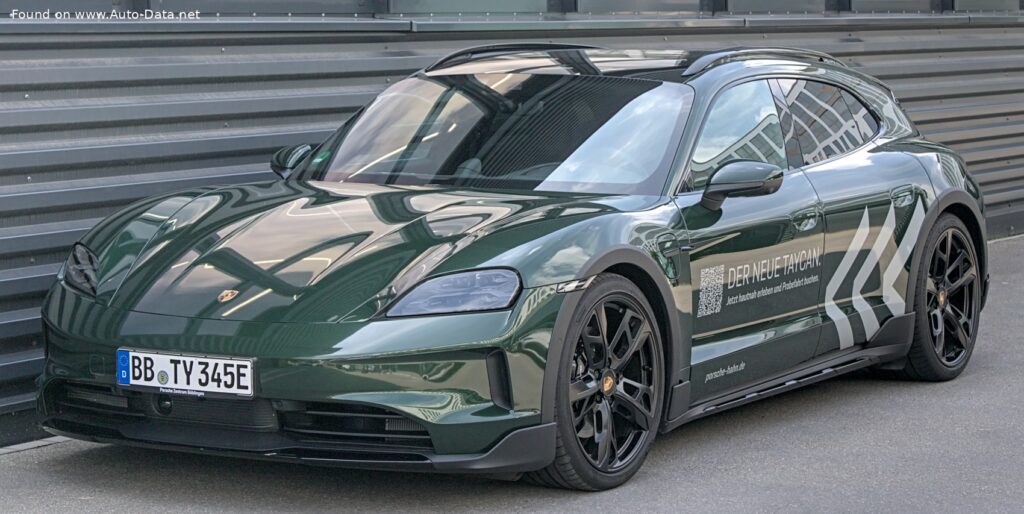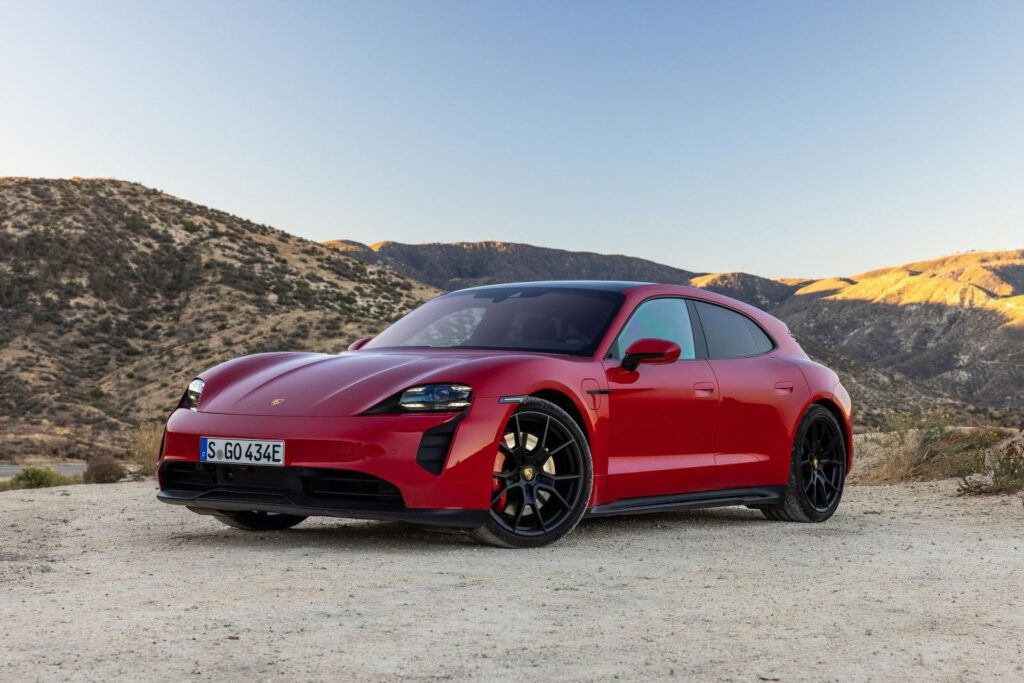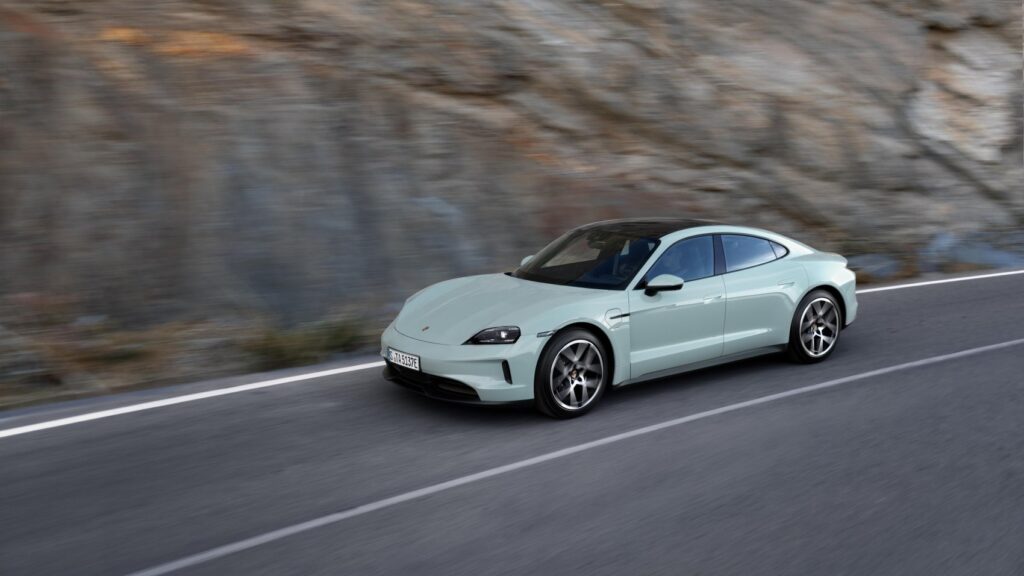
The Porsche Taycan Turbo, specifically the variant equipped with the 105 kWh battery pack and producing 884 horsepower, represents the pinnacle of performance within the first-generation (Y1A) Taycan lineup, following its significant facelift introduced in February 2024. This all-electric, four-door sedan builds upon the foundation laid by the initial Taycan models, offering substantial increases in power, range, and technological sophistication. Positioned as the flagship model, the Turbo caters to buyers seeking uncompromising performance and luxury in an electric vehicle. It is part of Porsche’s broader strategy to transition towards electric mobility while maintaining its reputation for driving dynamics and engineering excellence.
Taycan Turbo: A Performance Benchmark
The 2024 facelift brought significant updates to the Taycan range, and the Turbo variant benefited most notably from a revised powertrain and increased battery capacity. The core of the Taycan Turbo is its dual-motor, all-wheel-drive system. Unlike some competitors that utilize a single motor for both axles, Porsche employs a permanently excited synchronous motor on both the front and rear axles, maximizing efficiency and responsiveness. This configuration allows for precise torque vectoring, enhancing handling and stability. The 105 kWh gross (97 kWh net/usable) battery pack is a key upgrade, contributing to a substantial increase in range compared to earlier Taycan models.
Powertrain & Engine Architecture
The Taycan Turbo’s powertrain is built around an 800-volt architecture, a pioneering feature when the Taycan was first introduced. This high-voltage system enables significantly faster charging times, allowing the battery to be replenished from 5% to 80% in approximately 22.5 minutes using a compatible DC fast charger. The synchronous motors themselves are highly efficient, delivering instant torque and a broad powerband. The rear motor, being transverse-mounted, contributes to a lower center of gravity, further enhancing handling. The two-speed automatic transmission, unique to the Taycan, provides both strong acceleration from a standstill and efficient cruising at higher speeds. The first gear is optimized for rapid acceleration, while the second gear provides a longer ratio for improved efficiency and reduced noise at highway speeds. The system intelligently shifts between gears based on driving conditions and driver input.
Driving Characteristics
The Taycan Turbo delivers breathtaking acceleration. Its 0-60 mph time of 2.5 seconds and 0-100 km/h time of 2.7 seconds place it firmly in supercar territory. The all-wheel-drive system provides exceptional traction, allowing the car to put its immense power to the ground effectively. The low center of gravity, combined with the sophisticated suspension system, results in remarkably flat cornering and precise steering. While the instant torque of the electric motors provides exhilarating acceleration, the two-speed transmission ensures that the power delivery remains smooth and controlled. Compared to the base Taycan models, the Turbo offers a significantly more potent driving experience, with noticeably quicker acceleration and a more engaging overall feel. The regenerative braking system is also highly effective, allowing for one-pedal driving in many situations and contributing to increased energy efficiency.
Equipment & Trim Levels
As the range-topping model, the Taycan Turbo comes standard with a comprehensive array of luxury and performance features. Standard interior appointments include premium leather upholstery, heated and ventilated front seats, a panoramic sunroof, and a high-end sound system. The infotainment system features a large touchscreen display and integrates seamlessly with Apple CarPlay and Android Auto. Optional extras include adaptive air suspension, Porsche Dynamic Chassis Control (PDCC), and a variety of interior customization options. The exterior styling of the Turbo is further distinguished by unique aerodynamic elements, such as larger air intakes and a rear diffuser, designed to enhance performance and downforce. The 2024 facelift brought updated interior materials and a redesigned dashboard layout, further enhancing the sense of luxury and modernity.
Chassis & Braking
The Taycan Turbo utilizes a double-wishbone front suspension and an independent multi-link rear suspension, both incorporating adaptive air suspension as standard. This system allows the ride height to be adjusted, providing a balance between comfort and performance. The air suspension also continuously adjusts damping rates based on road conditions and driving style. The braking system features ventilated discs on all four wheels, with larger rotors and more powerful calipers on the Turbo variant. The anti-lock braking system (ABS) is standard, along with other advanced safety features such as Porsche Stability Management (PSM). The steering system is a rack-and-pinion setup with electric power assistance, providing precise and responsive steering feel. The standard tire sizes are 245/45 R20 front and 285/40 R20 rear, with larger 21-inch options available.
Market Reception & Comparison
The Porsche Taycan Turbo has been widely praised by automotive critics for its exceptional performance, handling, and technology. It has been consistently ranked among the top electric vehicles on the market, often compared favorably to the Tesla Model S Plaid and other high-performance EVs. While the Taycan Turbo is more expensive than many of its competitors, reviewers have noted that its superior build quality, driving dynamics, and overall refinement justify the premium price tag. Fuel economy, expressed as MPGe (miles per gallon equivalent), ranges from 118-102, and energy consumption is between 17.8-20.5 kWh per 100 km. Compared to lower-spec Taycan models, the Turbo offers a significant performance upgrade, but at the cost of increased price and slightly reduced range. The Turbo’s focus is clearly on delivering an uncompromising driving experience, appealing to enthusiasts who prioritize performance above all else.
Technical Specifications
| Brand | Porsche |
| Model | Taycan |
| Generation | Taycan (Y1A, facelift 2024) |
| Type (Engine) | Turbo 105 kWh (884 Hp) |
| Start of production | February, 2024 |
| Powertrain Architecture | BEV (Electric Vehicle) |
| Body type | Sedan |
| Seats | 4-5 |
| Doors | 4 |
| Fuel Type | Electricity |
| Acceleration 0 – 100 km/h | 2.7 sec |
| Acceleration 0 – 62 mph | 2.7 sec |
| Acceleration 0 – 60 mph | 2.5 sec |
| Acceleration 0 – 200 km/h | 8.2 sec |
| Maximum speed | 260 km/h / 161.56 mph |
| Weight-to-power ratio | 2.6 kg/Hp, 386 Hp/tonne |
| Weight-to-torque ratio | 2.4 kg/Nm, 410.5 Nm/tonne |
| Gross battery capacity | 105 kWh |
| Net (usable) battery capacity | 97 kWh |
| Battery voltage | 800 V |
| Battery technology | Lithium-ion (Li-Ion) |
| Battery location | Below the floor |
| Recuperation output | 400 kW |
| All-electric range (WLTP) | 557-634 km / 346.1 – 393.95 mi |
| Average Energy consumption (WLTP) | 17.8-20.5 kWh/100 km / 28.65 – 32.99 kWh/100 mi |
| Kerb Weight | 2290 kg / 5048.59 lbs. |
| Max. weight | 2880 kg / 6349.31 lbs. |
| Max load | 590 kg / 1300.73 lbs. |
| Trunk (boot) space – minimum | 366 l / 12.93 cu. ft. |
| Length | 4962 mm / 195.35 in. |
| Width | 1966 mm / 77.4 in. |
| Height | 1382 mm / 54.41 in. |
| Wheelbase | 2900 mm / 114.17 in. |
| Number of gears and type of gearbox | 2 gears, automatic transmission |
Legacy
The Taycan Turbo, particularly the 2024 facelifted version, is expected to hold its value well in the used car market due to its performance credentials and Porsche’s strong brand reputation. The 800-volt architecture and advanced battery technology should contribute to long-term reliability, although the long-term durability of the electric motors and battery pack remains to be fully assessed. As Porsche continues to develop and refine its electric vehicle technology, the Taycan Turbo will likely be remembered as a pivotal model that helped establish the brand as a leader in the electric vehicle segment. Its combination of performance, luxury, and technology has set a new benchmark for electric sedans, influencing the development of future EVs from Porsche and its competitors.