
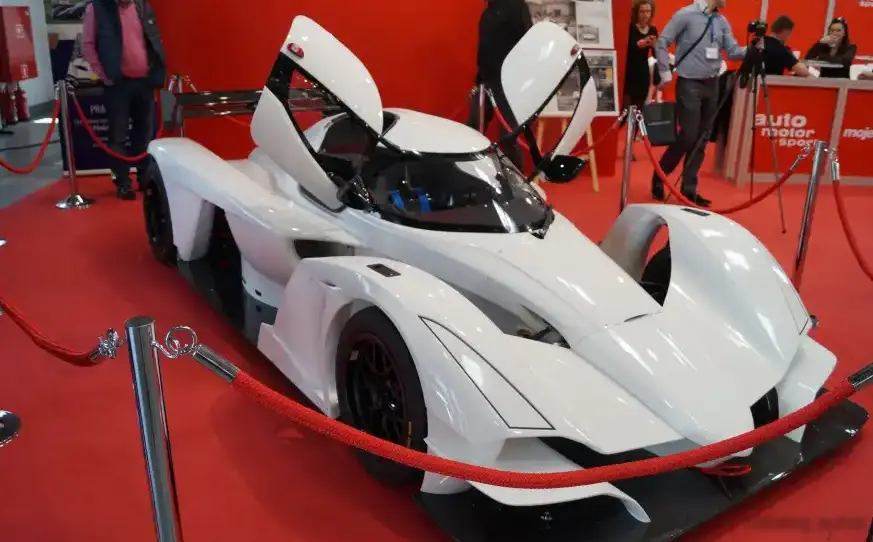
The Praga R1 2.0 Automatic, introduced in 2013, represents a unique offering within the broader Praga R1 model line. The R1, a lightweight, rear-wheel-drive coupe, was designed with a strong emphasis on driver engagement and track performance. This 2.0-liter variant, equipped with a six-speed automatic transmission, aimed to broaden the R1’s appeal by offering a more accessible driving experience compared to the available manual transmission options. Positioned as a mid-range offering, it bridged the gap between the more basic models and potential future, higher-performance iterations. The R1 itself is a relatively low-volume production vehicle, primarily targeted towards enthusiasts seeking a raw and engaging driving experience.
Technical Specifications
| Brand | Praga |
| Model | R1 |
| Generation | R1 |
| Type (Engine) | 2.0 (210 Hp) Automatic |
| Start of production | 2013 |
| Powertrain Architecture | Internal Combustion engine |
| Body type | Coupe |
| Seats | 1-2 |
| Doors | 2 |
| Fuel Type | Petrol (Gasoline) |
| Weight-to-power ratio | 2.8 kg/Hp, 354.7 Hp/tonne |
| Weight-to-torque ratio | 2.7 kg/Nm, 371.6 Nm/tonne |
| Power | 210 Hp @ 7250 rpm |
| Power per litre | 105.1 Hp/l |
| Torque | 220 Nm @ 4500 rpm (162.26 lb.-ft. @ 4500 rpm) |
| Engine layout | Middle, Longitudinal |
| Engine Model/Code | F4R |
| Engine displacement | 1998 cm3 (121.93 cu. in.) |
| Number of cylinders | 4 |
| Engine configuration | Inline |
| Cylinder Bore | 82.7 mm (3.26 in.) |
| Piston Stroke | 93 mm (3.66 in.) |
| Number of valves per cylinder | 4 |
| Fuel injection system | Multi-port manifold injection |
| Engine aspiration | Naturally aspirated engine |
| Valvetrain | DOHC |
| Engine oil capacity | 5.4 l (5.71 US qt | 4.75 UK qt) |
| Kerb Weight | 592 kg (1305.14 lbs.) |
| Fuel tank capacity | 62 l (16.38 US gal | 13.64 UK gal) |
| Length | 4144 mm (163.15 in.) |
| Width | 1800 mm (70.87 in.) |
| Height | 965 mm (37.99 in.) |
| Wheelbase | 2527 mm (99.49 in.) |
| Drivetrain Architecture | Rear wheel drive |
| Drive wheel | Rear wheel drive |
| Number of gears and type of gearbox | 6 gears, automatic transmission |
| Tires size | 205/580 R15; 265/610 R16 |
| Wheel rims size | 8.0J x 15; 10.5J x 16 |
Powertrain & Engine Architecture
The Praga R1 2.0 Automatic utilizes the Renault-sourced F4R engine, a 1.998-liter inline-four cylinder naturally aspirated powerplant. This engine, well-known for its robustness and relatively simple design, features a double overhead camshaft (DOHC) valvetrain and multi-port fuel injection. The F4R engine is a long-running design, having seen service in various Renault and other European vehicles. Its mid-engine placement within the R1’s chassis contributes to a favorable weight distribution. The six-speed automatic transmission, while not a dual-clutch unit, was chosen to provide a smoother, more accessible driving experience for those less comfortable with a manual gearbox. The transmission’s gear ratios are tuned to maximize acceleration, though it prioritizes usability over outright performance compared to the manual transmission options.
Driving Characteristics
The R1 2.0 Automatic delivers a distinct driving experience. While the 210 horsepower output is respectable, the car’s lightweight construction (592 kg) allows for a spirited performance. The automatic transmission, while offering convenience, does introduce a slight compromise in responsiveness compared to the manual version. Gear changes are not as immediate, and the driver has less direct control over engine braking. However, the automatic transmission makes the R1 more approachable for daily driving and less physically demanding on longer journeys. The rear-wheel-drive configuration provides a balanced handling characteristic, though careful throttle control is required to avoid oversteer, particularly on wet or loose surfaces. The power delivery is linear, with peak torque arriving at 4500 rpm, making it a relatively forgiving engine to operate.
Equipment & Trim Levels
The Praga R1 2.0 Automatic, even in its base form, offered a surprisingly well-equipped interior considering its focus on performance. Standard features included supportive bucket seats, a leather-wrapped steering wheel, and a basic infotainment system. The interior design is minimalist and functional, prioritizing weight reduction and driver focus. Optional extras included upgraded audio systems, air conditioning, and various cosmetic enhancements. The interior trim was typically finished in a combination of leather and Alcantara, with customizable color options available. The R1 was not designed with extensive luxury features; its appeal lies in its raw driving experience.
Chassis & Braking
The R1’s chassis is a steel space frame, designed for maximum rigidity and minimal weight. The suspension utilizes independent double wishbones at all four corners, providing excellent handling and road feel. The braking system features ventilated disc brakes at the front and solid disc brakes at the rear, providing adequate stopping power for the car’s weight and performance. Anti-lock braking system (ABS) is standard. The relatively low curb weight contributes significantly to the car’s agility and braking performance. The suspension setup is firm, reflecting the R1’s performance-oriented nature, and may be considered somewhat harsh for everyday use.
Market Reception & Comparison
The Praga R1 2.0 Automatic received generally positive reviews from automotive journalists, who praised its engaging driving dynamics and lightweight construction. Critics noted that the automatic transmission, while convenient, slightly detracted from the overall driving experience compared to the manual version. Fuel economy was considered reasonable for a performance car of this type, though not a primary focus. Compared to other sports cars in its price range, the R1 offered a unique and more raw driving experience, prioritizing driver involvement over outright luxury or refinement. The R1’s limited production numbers and niche appeal meant it wasn’t directly comparable to mainstream sports cars.
Legacy
The Praga R1 2.0 Automatic, while not a high-volume seller, has established a loyal following among driving enthusiasts. The F4R engine is known for its durability and relatively straightforward maintenance requirements, making the R1 a potentially reliable ownership proposition. On the used car market, well-maintained examples command a premium due to their rarity and unique character. The R1 represents a return to the principles of lightweight, driver-focused sports car design, and its legacy continues to inspire Praga’s ongoing development of performance vehicles. The combination of a naturally aspirated engine and a rear-wheel-drive layout is increasingly rare in modern automobiles, making the R1 a desirable vehicle for those seeking a classic driving experience.
