
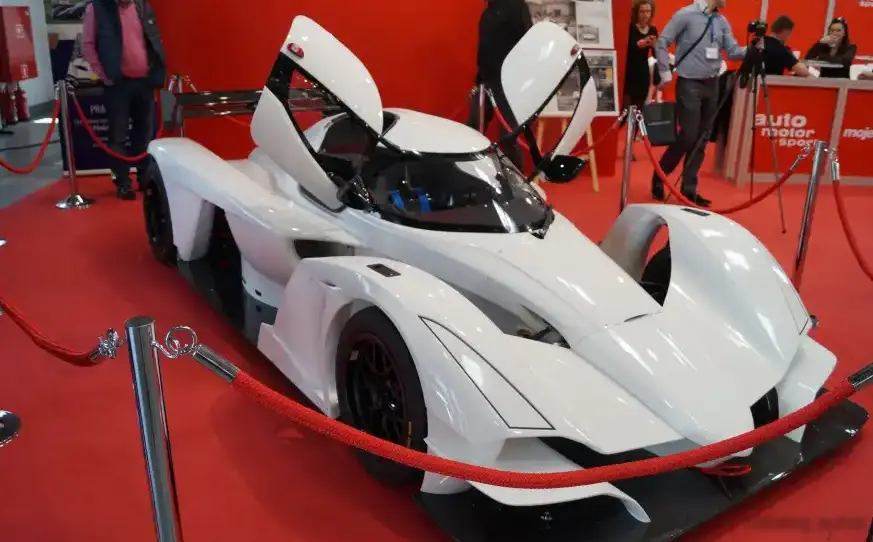
The Praga R1 S 2.0 Automatic, launched in 2013, represents a unique offering in the lightweight sports car segment. Built by the Czech manufacturer Praga, known for its history in motorsport and aircraft construction, the R1 is a rear-wheel-drive coupe designed for both track day enthusiasts and spirited road driving. The “S 2.0” designation indicates a specific engine and transmission configuration – a 2.0-liter naturally aspirated inline-four engine paired with a six-speed automatic transmission. This variant positioned itself as a more accessible entry point into the R1 lineup, offering a balance between performance and ease of use compared to the available manual transmission options.
Technical Specifications
| Brand | Praga |
| Model | R1 |
| Generation | R1 |
| Type (Engine) | S 2.0 (235 Hp) Automatic |
| Start of production | 2013 |
| Powertrain Architecture | Internal Combustion engine |
| Body type | Coupe |
| Seats | 1-2 |
| Doors | 2 |
| Fuel Type | Petrol (Gasoline) |
| Weight-to-power ratio | 2.5 kg/Hp, 397 Hp/tonne |
| Weight-to-torque ratio | 2.4 kg/Nm, 422.3 Nm/tonne |
| Power | 235 Hp @ 7250 rpm |
| Power per litre | 117.6 Hp/l |
| Torque | 250 Nm @ 5200 rpm (184.39 lb.-ft. @ 5200 rpm) |
| Engine layout | Middle, Longitudinal |
| Engine Model/Code | F4R |
| Engine displacement | 1998 cm3 (121.93 cu. in.) |
| Number of cylinders | 4 |
| Engine configuration | Inline |
| Cylinder Bore | 82.7 mm (3.26 in.) |
| Piston Stroke | 93 mm (3.66 in.) |
| Number of valves per cylinder | 4 |
| Fuel injection system | Multi-port manifold injection |
| Engine aspiration | Naturally aspirated engine |
| Valvetrain | DOHC |
| Engine oil capacity | 5.4 l (5.71 US qt | 4.75 UK qt) |
| Kerb Weight | 592 kg (1305.14 lbs.) |
| Fuel tank capacity | 62 l (16.38 US gal | 13.64 UK gal) |
| Length | 4144 mm (163.15 in.) |
| Width | 1800 mm (70.87 in.) |
| Height | 965 mm (37.99 in.) |
| Wheelbase | 2527 mm (99.49 in.) |
| Drivetrain Architecture | Rear wheel drive |
| Drive wheel | Rear wheel drive |
| Number of gears and type of gearbox | 6 gears, automatic transmission |
| Tires size | 205/580 R15; 265/610 R16 |
| Wheel rims size | 8.0J x 15; 10.5J x 16 |
Powertrain & Engine Architecture
The heart of the R1 S 2.0 Automatic is the F4R engine, a 1.998-liter inline-four cylinder powerplant. This engine, while originating from Renault Sport, has been extensively modified by Praga to suit the R1’s performance characteristics. It utilizes a multi-port fuel injection system and a double overhead camshaft (DOHC) valvetrain, contributing to its responsive nature. The engine produces 235 horsepower at 7250 rpm and 250 Nm (184.39 lb-ft) of torque at 5200 rpm. The six-speed automatic transmission is a crucial component, offering smoother shifts compared to a manual, but potentially sacrificing some driver engagement. The transmission is tuned for quick response and efficient power delivery, though it may not offer the same level of control as a manual gearbox.
Driving Characteristics
The R1 S 2.0 Automatic delivers a distinct driving experience. Its lightweight construction (592 kg / 1305 lbs) combined with the 235 hp engine results in a power-to-weight ratio of approximately 397 hp per tonne. While not as brutally fast as some higher-performance sports cars, the R1 offers a nimble and engaging feel. The automatic transmission, while convenient, alters the driving dynamics compared to the manual version. Gear changes are generally smooth, but may lack the immediacy and control preferred by experienced drivers. The rear-wheel-drive configuration contributes to a balanced chassis, allowing for predictable handling and enjoyable cornering. The power delivery is linear, making the car accessible to drivers of varying skill levels.
Equipment & Trim Levels
The Praga R1 S 2.0 Automatic, even in its base form, is relatively well-equipped for a focused sports car. Standard features typically include racing-style bucket seats, a leather-wrapped steering wheel, and a basic infotainment system. The interior is minimalist and driver-focused, prioritizing functionality over luxury. Optional extras could include upgraded audio systems, air conditioning, and various cosmetic enhancements. The R1’s interior is designed to be lightweight and durable, reflecting its track-oriented intentions. Upholstery options were limited, typically focusing on durable fabrics and leather combinations.
Chassis & Braking
The R1’s chassis is a steel space frame, designed for maximum rigidity and minimal weight. The suspension utilizes independent double wishbones all around, providing excellent handling and road feel. The braking system features ventilated disc brakes on all four wheels, ensuring strong stopping power. The rear brakes are sized appropriately for the car’s weight and performance. The R1 S 2.0 Automatic does not typically feature advanced electronic stability control systems, emphasizing a more raw and engaging driving experience. The suspension setup is tuned for a balance between comfort and performance, making the car suitable for both road and track use.
Market Reception & Comparison
The Praga R1 S 2.0 Automatic received generally positive reviews from automotive journalists. Critics praised its lightweight construction, engaging handling, and unique character. However, some noted that the automatic transmission diminished the overall driving experience compared to the manual version. Compared to other sports cars in its price range, the R1 offered a more focused and raw driving experience. It differed from more mainstream options like the Porsche Cayman or Lotus Elise in its more minimalist approach and track-oriented design. The automatic transmission offered a slight fuel economy advantage over the manual, but the difference was not significant.
Legacy
The Praga R1 S 2.0 Automatic remains a relatively rare and sought-after vehicle in the used car market. Its unique design and limited production numbers contribute to its collectibility. The F4R engine, while not known for being exceptionally complex, requires regular maintenance to ensure reliability. The automatic transmission, if properly maintained, is generally considered durable. The R1’s lightweight construction and simple design contribute to its long-term reliability. As a niche sports car, the R1 S 2.0 Automatic continues to appeal to enthusiasts seeking a unique and engaging driving experience. Its status as a modern classic is steadily growing, particularly among those who appreciate its raw and unfiltered character.
