The Renault Espace IV (Phase III, 2010): A European Minivan Icon
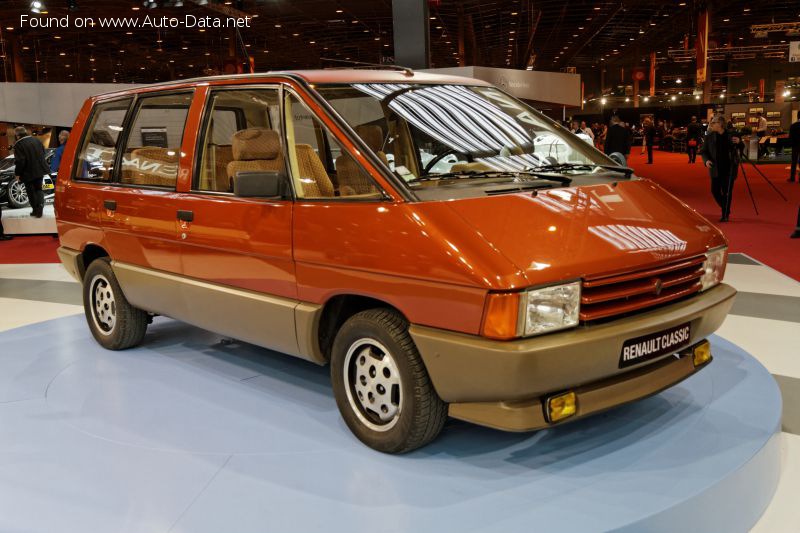
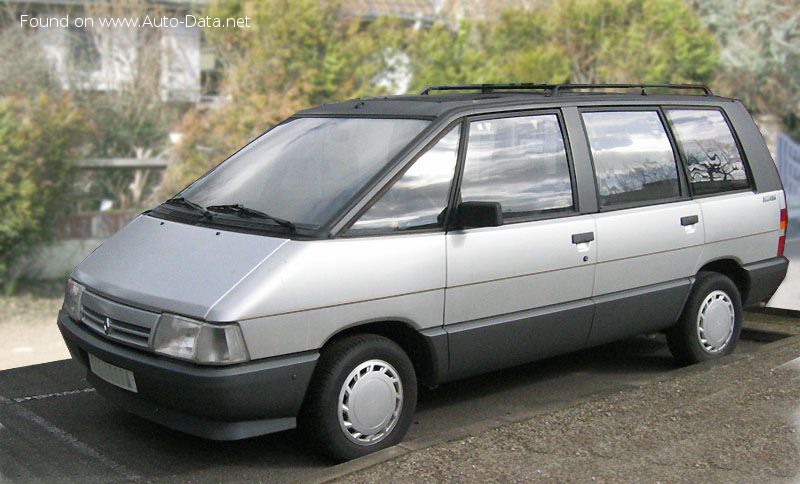
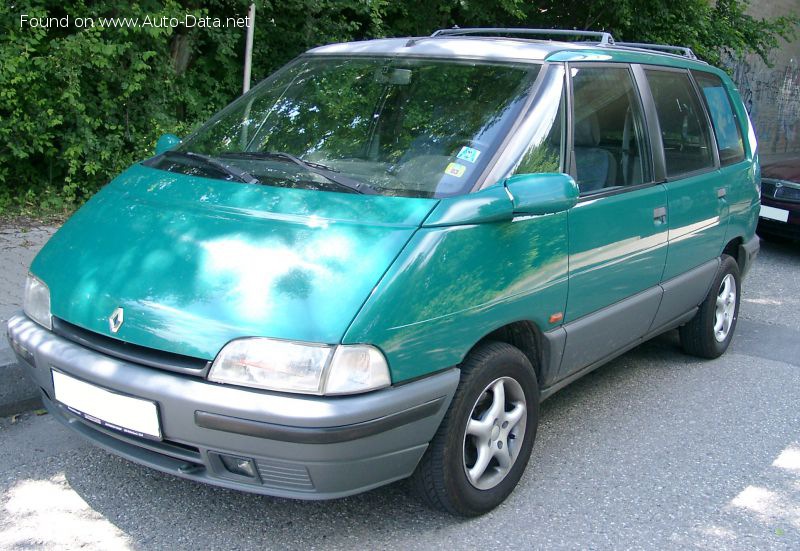
The Renault Espace IV (Phase III, 2010) represents a significant iteration of one of Europe’s most enduring and influential multi-purpose vehicles (MPVs), or minivans as they are known in the United States. First introduced in 1984, the Espace pioneered the concept of a comfortable, versatile, and family-oriented vehicle with a focus on passenger space and modularity. The fourth-generation Espace, launched in 2002, continued this legacy, evolving the design and technological sophistication. The Phase III refresh, produced from 2010 to 2012, introduced subtle updates to maintain its competitive edge in the bustling European market.
While the Renault Espace was never officially sold in the United States, its impact on the global automotive landscape, particularly in Europe, is undeniable. It set benchmarks for interior flexibility, safety, and comfort, establishing a segment that many manufacturers would later emulate. This particular model, equipped with the 2.0 dCi (130 Hp) diesel engine, epitomized the blend of practicality, efficiency, and robust performance that European families sought in a full-size minivan.
Engine and Performance: The 2.0 dCi Powerplant in the Renault Espace IV (Phase III, 2010)
At the heart of the Renault Espace IV (Phase III, 2010) was the highly regarded M9R 2.0-liter dCi turbodiesel engine. This inline four-cylinder unit, displacing 1,995 cubic centimeters (121.74 cu. in.), was engineered to deliver a balanced blend of power and remarkable fuel efficiency, crucial for the European market. It produced a respectable 130 horsepower at 4,000 revolutions per minute (rpm) and a robust 236.02 pound-feet of torque at a low 2,000 rpm. This substantial torque output was particularly beneficial for a vehicle of the Espace’s size and intended use, providing strong acceleration from a standstill and effortless cruising, even when fully loaded with passengers and cargo.
The M9R engine featured advanced technologies such as a common rail direct injection system, a turbocharger, and an intercooler, all working in concert to optimize combustion and maximize power delivery while minimizing fuel consumption. Its DOHC (Double Overhead Camshaft) valvetrain with four valves per cylinder ensured efficient airflow, contributing to both performance and emissions control. Paired with a precise 6-speed manual transmission, the front-wheel-drive Espace offered an engaging yet smooth driving experience. From a standstill, the 2.0 dCi propelled the minivan from 0 to 60 miles per hour in a respectable 11.4 seconds, with a top speed of 114.33 mph. These figures underscored its capability for both urban commuting and long-distance highway travel.
Efficiency was a key selling point for this diesel-powered Espace. It achieved an impressive combined fuel economy of 36.2 US miles per gallon, with urban consumption rated at 28.7 US mpg and extra-urban at 41.3 US mpg. Emissions were kept in check with a CO2 output of 170 grams per kilometer, meeting the stringent Euro 5 emission standards, aided by a standard particulate filter. This combination of performance, economy, and environmental compliance made the 2.0 dCi a highly attractive option for European consumers.
Design and Features
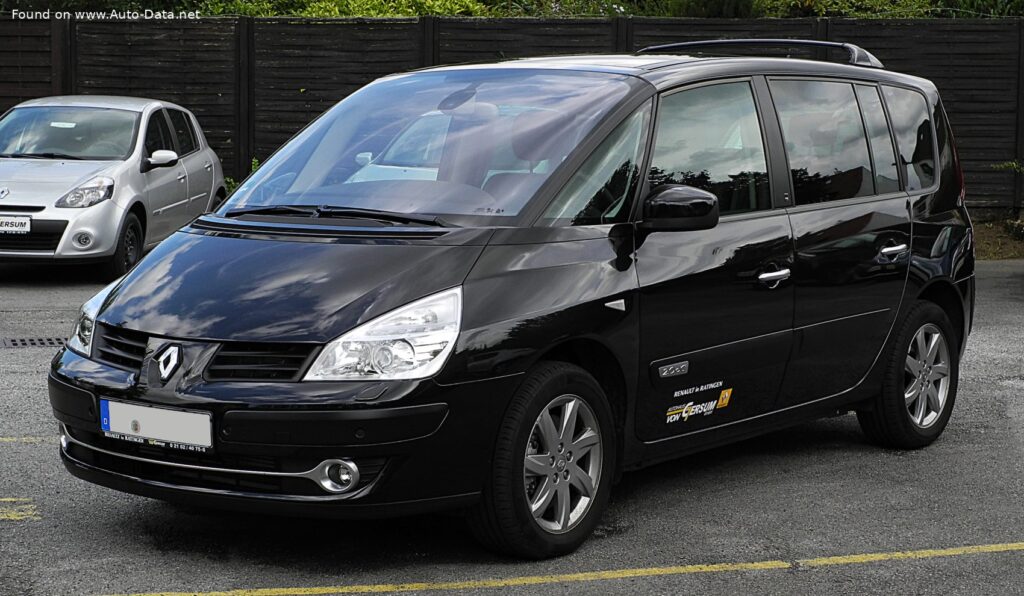
The Renault Espace IV (Phase III, 2010) retained the distinctive and spacious minivan (MPV) body style that had become synonymous with the Espace nameplate. Measuring 183.5 inches in length, 74.57 inches in width (including mirrors), and 70.91 inches in height, with a generous 110.35-inch wheelbase, the Espace commanded a substantial road presence. These dimensions translated directly into an exceptionally roomy and adaptable interior, capable of comfortably seating up to seven passengers across three rows.
The design of the Espace IV, though refreshed, maintained its characteristic large glass areas, providing excellent visibility and contributing to an airy cabin feel. The Phase III updates typically involved minor cosmetic tweaks to the grille, bumpers, and lighting elements, ensuring its appearance remained modern and appealing. Inside, the Espace was a masterclass in modularity. Its individual rear seats could be slid, folded, or even removed entirely, offering a vast array of configurations to prioritize passenger comfort or cargo capacity. Minimum trunk space stood at 10.28 cubic feet, which could expand to an enormous 101 cubic feet with the rear seats removed or folded – a testament to its practical design.
Standard features for a vehicle of its class and era included power steering (rack and pinion), anti-lock braking system (ABS) for enhanced safety, and front-wheel drive. The suspension system, featuring an independent McPherson setup with coil springs and an anti-roll bar at the front, and a semi-independent coil spring arrangement at the rear, provided a comfortable and stable ride. Braking was handled by ventilated discs at the front and solid discs at the rear, ensuring confident stopping power. The Espace rode on 17-inch wheels shod with 225/55 R17 tires, balancing ride comfort with handling stability. Safety, a paramount concern for a family vehicle, was addressed through a robust body structure and a comprehensive suite of passive safety features, complementing the active safety provided by ABS.
Technical Specifications
| Feature | Specification |
|---|---|
| Brand | Renault |
| Model | Espace |
| Generation | Espace IV (Phase III, 2010) |
| Engine Type | 2.0 dCi (130 Hp) |
| Production Start | 2010 |
| Production End | 2012 |
| Body Type | Minivan, MPV |
| Doors | 5 |
| Seats | 7 |
| Performance Specifications | |
| Fuel Consumption (Urban) | 8.2 l/100 km (28.7 US mpg) |
| Fuel Consumption (Extra Urban) | 5.7 l/100 km (41.3 US mpg) |
| Fuel Consumption (Combined) | 6.5 l/100 km (36.2 US mpg) |
| CO2 Emissions | 170 g/km |
| Fuel Type | Diesel |
| Acceleration 0-60 mph | 11.4 seconds |
| Maximum Speed | 184 km/h (114.33 mph) |
| Emission Standard | Euro 5 |
| Weight-to-Power Ratio | 14.6 kg/Hp (68.4 Hp/tonne) |
| Weight-to-Torque Ratio | 5.9 kg/Nm (168.3 Nm/tonne) |
| Engine Specifications | |
| Power | 130 Hp @ 4000 rpm |
| Power per Liter | 65.2 Hp/l |
| Torque | 320 Nm (236.02 lb.-ft.) @ 2000 rpm |
| Engine Layout | Front, Transverse |
| Engine Model/Code | M9R |
| Engine Displacement | 1995 cm3 (121.74 cu. in.) |
| Number of Cylinders | 4 |
| Engine Configuration | Inline |
| Cylinder Bore | 84 mm (3.31 in.) |
| Piston Stroke | 90 mm (3.54 in.) |
| Compression Ratio | 16:1 |
| Valves per Cylinder | 4 |
| Fuel Injection System | Diesel Commonrail |
| Engine Aspiration | Turbocharger, Intercooler |
| Valvetrain | DOHC |
| Engine Oil Capacity | 8.2 l (8.66 US qt) |
| Engine Systems | Particulate filter |
| Space, Volume and Weights | |
| Kerb Weight | 1901 kg (4190.99 lbs) |
| Max. Weight (GVWR) | 2605 kg (5743.04 lbs) |
| Max Load | 704 kg (1552.05 lbs) |
| Trunk Space (Min) | 291 l (10.28 cu. ft.) |
| Trunk Space (Max) | 2860 l (101 cu. ft.) |
| Fuel Tank Capacity | 83 l (21.93 US gal) |
| Max. Roof Load | 80 kg (176.37 lbs) |
| Permitted Trailer Load with Brakes (12%) | 2000 kg (4409.25 lbs) |
| Permitted Trailer Load without Brakes | 750 kg (1653.47 lbs) |
| Permitted Towbar Download | 80 kg (176.37 lbs) |
| Dimensions | |
| Length | 4661 mm (183.5 in.) |
| Width (incl. mirrors) | 1894 mm (74.57 in.) |
| Height | 1801 mm (70.91 in.) |
| Wheelbase | 2803 mm (110.35 in.) |
| Front Track | 1574 mm (61.97 in.) |
| Rear Track | 1556 mm (61.26 in.) |
| Front Overhang | 1026 mm (40.39 in.) |
| Rear Overhang | 832 mm (32.76 in.) |
| Ride Height (Ground Clearance) | 175 mm (6.89 in.) |
| Minimum Turning Circle | 11 m (36.09 ft.) |
| Drivetrain, Brakes and Suspension | |
| Drivetrain Architecture | Front-wheel drive, Internal Combustion Engine (ICE) |
| Drive Wheel | Front wheel drive |
| Gearbox Type | 6-speed manual transmission |
| Front Suspension | Independent, McPherson with coil spring and anti-roll bar |
| Rear Suspension | Semi-independent, coil spring |
| Front Brakes | Ventilated discs |
| Rear Brakes | Disc |
| Assisting Systems | ABS (Anti-lock braking system) |
| Steering Type | Steering rack and pinion |
| Tires Size | 225/55 R17 |
| Wheel Rims Size | 17 inches |
Legacy and Market Impact
The Renault Espace holds a unique and revered position in European automotive history. Launched in 1984, it was one of the very first true European minivans, essentially creating the segment and influencing countless competitors that followed. The Espace IV, particularly in its Phase III (2010) iteration with the 2.0 dCi engine, cemented its reputation as a benchmark for family transport solutions during its production run.
Its primary market impact was felt across Western Europe, where large families and those requiring extensive cargo flexibility highly valued its innovative design. The Espace was celebrated for its extraordinary interior space, ingenious modular seating, comfortable ride, and sophisticated yet robust diesel powertrains. It was a vehicle that truly adapted to the diverse needs of its owners, whether ferrying children to school, embarking on long holiday trips, or transporting bulky items. This versatility, combined with its strong safety credentials and reasonable running costs (thanks to its efficient diesel engines), made it a consistently popular choice.
During its time, the Renault Espace IV faced stiff competition from other European manufacturers who had entered the burgeoning MPV segment. Key rivals included the Ford Galaxy/S-Max, Volkswagen Sharan, Seat Alhambra, Citroën C8, and Peugeot 807. Despite the strong competition, the Espace maintained a loyal following, largely due to its pioneering spirit and Renault’s deep understanding of family vehicle requirements. Its distinctive styling, which evolved from a more angular first generation to the sleeker, more rounded lines of the fourth generation, always made it recognizable on European roads.
The 2010-2012 model, with its Euro 5 compliant diesel engine, represented the Espace’s continued commitment to efficiency and environmental responsibility, even as the automotive industry began its shift towards stricter emissions regulations and alternative powertrains. While the Espace nameplate would later transition to a more crossover-like form in its fifth generation, the Espace IV (Phase III) stands as a testament to the traditional minivan’s enduring appeal and functional excellence. It remains an iconic symbol of family mobility and innovation in the European automotive landscape, a vehicle that profoundly shaped how Europeans perceived and utilized their family cars.