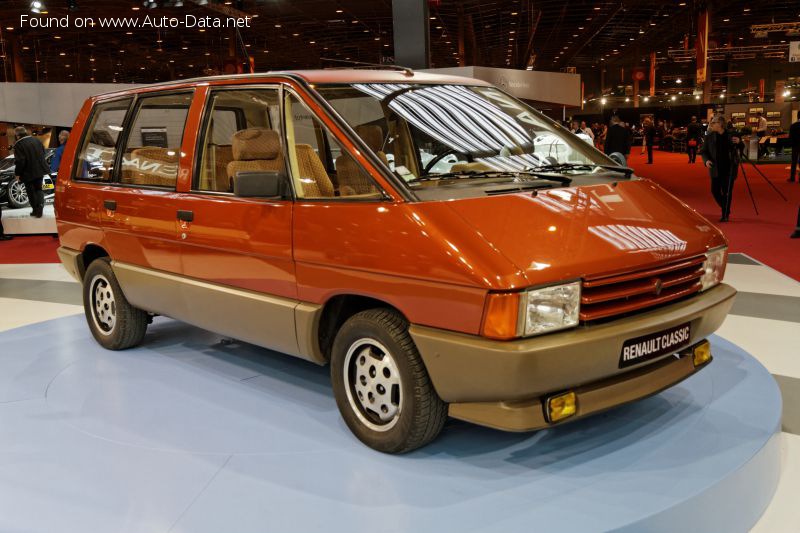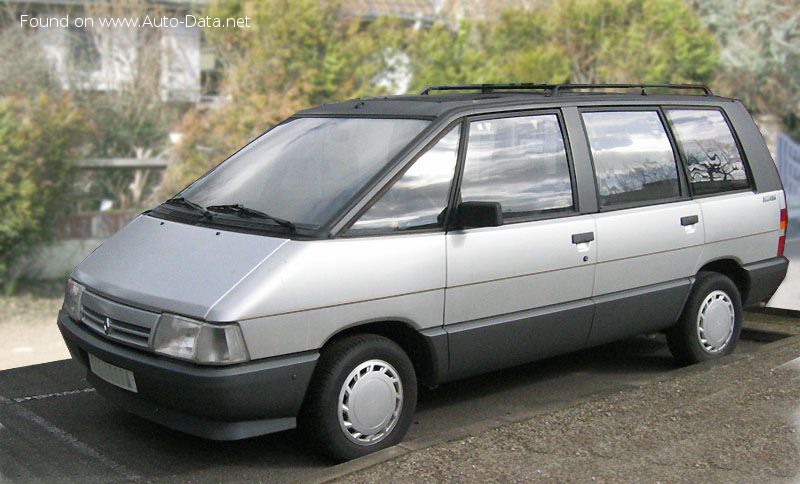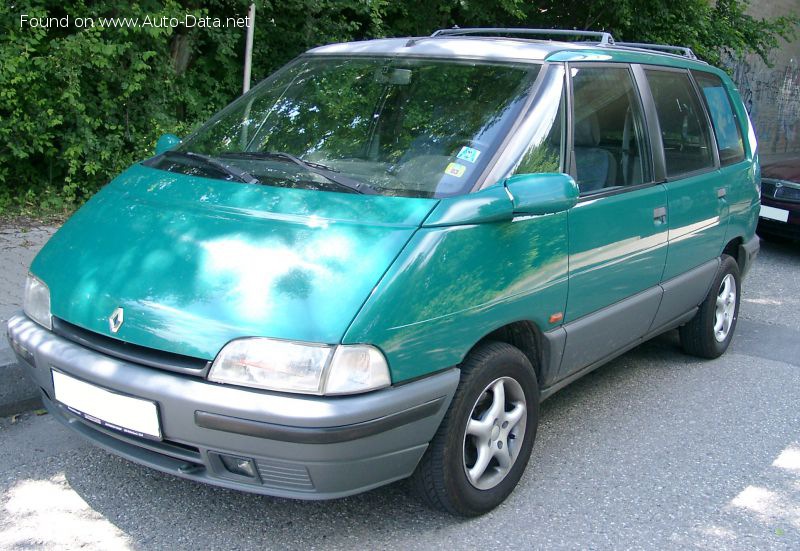
The Renault Espace IV (Phase IV, 2012): A European Minivan Icon’s Refinement
The Renault Espace, a name synonymous with the European minivan segment, has long been celebrated for its pioneering approach to family transport. The Renault Espace IV (Phase IV, 2012) represents a significant late-life refresh of the fourth-generation model, which initially debuted in 2002. This particular iteration, produced from 2012 to 2014, aimed to keep the aging but still popular Espace competitive in a segment increasingly challenged by SUVs. While never officially sold in the United States, the Espace holds a revered place in European automotive history as one of the original and most successful multi-purpose vehicles (MPVs), offering unparalleled interior flexibility, comfort, and a distinctive French design flair. The Phase IV update brought subtle aesthetic enhancements, updated technology, and refined powertrains, including the efficient 2.0 dCi diesel engine, to maintain its appeal as a robust and practical family hauler across the continent.
Engineering and Performance of the Renault Espace IV (Phase IV, 2012)
Powertrain and Driving Dynamics
At the heart of the Renault Espace IV (Phase IV, 2012) featured here is a robust and efficient 2.0-liter dCi (diesel Commonrail Injection) engine, designated with the internal code M9R. This inline four-cylinder powerplant was a cornerstone of Renault’s diesel offerings, known for its balance of power, torque, and fuel economy. It delivers a respectable 150 horsepower at 4000 rpm, providing ample motivation for a vehicle of its size and intended purpose. More importantly for a people carrier, the engine generates a substantial 250.77 lb-ft of torque (340 Nm) at a low 2000 rpm, ensuring strong pulling power from low speeds and making highway cruising effortless, even with a full complement of passengers and luggage.
The 1995 cubic centimeter (121.74 cubic inch) engine utilizes a modern DOHC (Double Overhead Camshaft) valvetrain with four valves per cylinder, optimizing airflow and combustion efficiency. Fuel delivery is managed by a sophisticated common rail diesel injection system, and forced induction comes courtesy of a turbocharger paired with an intercooler, maximizing power output while managing exhaust gas temperatures. A compression ratio of 16:1 is typical for a modern diesel, contributing to its efficiency. Furthermore, the inclusion of a particulate filter ensures compliance with the Euro 5 emission standard, a crucial factor in European markets where diesel vehicles are prevalent.
Power is channeled to the front wheels via a smooth-shifting 6-speed manual transmission, offering the driver precise control and contributing to the vehicle’s impressive fuel economy figures. The Espace IV 2.0 dCi boasts a combined fuel consumption of 41.3 US mpg (5.7 liters per 100 km), which is highly competitive for a large minivan. In urban environments, it achieves 33.6 US mpg (7 liters per 100 km), and on the highway, it can reach an impressive 47 US mpg (5 liters per 100 km). With CO2 emissions of 150 g/km, it presented a relatively environmentally conscious option for its class at the time. Performance-wise, the Espace 2.0 dCi accelerates from 0 to 60 mph in a respectable 10.1 seconds and can reach a top speed of 120.55 mph (194 km/h), demonstrating that practicality doesn’t entirely come at the expense of performance.
Design, Features, and Interior Versatility
The Renault Espace IV (Phase IV, 2012) retains the distinctive, futuristic “monospace” design language that defined the fourth generation, characterized by its cab-forward stance, large glass areas, and a sleek, aerodynamic profile. As a minivan or MPV, its primary objective is to maximize interior space and versatility, and the Espace excels in this regard. With five doors and seating for seven passengers, it offers a highly adaptable cabin environment. The seating configuration is particularly noteworthy, allowing individual seats to be removed, folded, or slid to create various cargo and passenger layouts, transforming the vehicle from a luxurious six or seven-seater into a cavernous cargo hauler with up to 101 cubic feet (2860 liters) of space when the rear seats are removed.
The exterior dimensions of 183.27 inches in length, 74.57 inches in width (including mirrors), and 70.91 inches in height contribute to its commanding road presence and generous interior volume. A wheelbase of 110.35 inches provides a stable ride and contributes to excellent interior room for all occupants. The Phase IV facelift introduced subtle updates, typically including revised front fascias, updated lighting signatures, and new wheel designs to keep the look fresh without altering the fundamental design that customers appreciated.
Underneath, the Espace employs a practical and comfortable suspension setup, featuring an independent McPherson strut system at the front and a semi-independent, coil spring arrangement at the rear. This configuration, combined with a relatively high curb weight of 4190.99 lbs (1901 kg), provides a composed and comfortable ride, ideal for long family journeys. Stopping power is handled by ventilated disc brakes at the front and solid discs at the rear, augmented by an Anti-lock Braking System (ABS) for enhanced safety. Electric power steering, a common feature in modern vehicles, provides light and precise handling, making maneuvering in urban environments and parking lots easier despite the vehicle’s size. The Espace IV (Phase IV) comes standard with 225/55 R17 tires on 17-inch wheel rims, striking a good balance between ride comfort and road holding.
Technical Specifications
| Category | Specification |
|---|---|
| Brand | Renault |
| Model | Espace |
| Generation | Espace IV (Phase IV, 2012) |
| Engine Type | 2.0 dCi (150 Hp) |
| Production Start | 2012 |
| Production End | 2014 |
| Powertrain Architecture | Internal Combustion Engine |
| Body Type | Minivan, MPV |
| Seats | 7 |
| Doors | 5 |
| Performance Specs | |
| Fuel Consumption (Urban) | 7 l/100 km (33.6 US mpg) |
| Fuel Consumption (Extra Urban) | 5 l/100 km (47 US mpg) |
| Fuel Consumption (Combined) | 5.7 l/100 km (41.3 US mpg) |
| CO2 Emissions | 150 g/km |
| Fuel Type | Diesel |
| Acceleration 0 – 60 mph | 10.1 sec |
| Maximum Speed | 120.55 mph (194 km/h) |
| Emission Standard | Euro 5 |
| Weight-to-Power Ratio | 12.7 kg/Hp |
| Weight-to-Torque Ratio | 5.6 kg/Nm |
| Engine Specs | |
| Power | 150 Hp @ 4000 rpm |
| Power per Liter | 75.2 Hp/l |
| Torque | 250.77 lb.-ft. (340 Nm) @ 2000 rpm |
| Engine Layout | Front, Transverse |
| Engine Model/Code | M9R |
| Engine Displacement | 2.0 liters (1995 cm³, 121.74 cu. in.) |
| Number of Cylinders | 4 |
| Engine Configuration | Inline |
| Cylinder Bore | 3.31 in. (84 mm) |
| Piston Stroke | 3.54 in. (90 mm) |
| Compression Ratio | 16:1 |
| Valves per Cylinder | 4 |
| Fuel Injection System | Diesel Commonrail |
| Engine Aspiration | Turbocharger, Intercooler |
| Valvetrain | DOHC |
| Engine Oil Capacity | 6.97 US qt (6.6 l) |
| Engine Systems | Particulate filter |
| Space, Volume and Weights | |
| Kerb Weight | 4190.99 lbs (1901 kg) |
| Max. Weight | 5743.04 lbs (2605 kg) |
| Max Load | 1552.05 lbs (704 kg) |
| Trunk Space (Minimum) | 10.28 cu. ft. (291 l) |
| Trunk Space (Maximum) | 101 cu. ft. (2860 l) |
| Fuel Tank Capacity | 21.93 US gal (83 l) |
| Permitted Trailer Load (with brakes) | 4409.25 lbs (2000 kg) |
| Permitted Trailer Load (without brakes) | 1653.47 lbs (750 kg) |
| Dimensions | |
| Length | 183.27 in. (4655 mm) |
| Width (including mirrors) | 74.57 in. (1894 mm) |
| Height | 70.91 in. (1801 mm) |
| Wheelbase | 110.35 in. (2803 mm) |
| Front Overhang | 40.16 in. (1020 mm) |
| Rear Overhang | 32.76 in. (832 mm) |
| Ride Height (Ground Clearance) | 4.72 in. (120 mm) |
| Minimum Turning Circle | 37.07 ft. (11.3 m) |
| Drivetrain, Brakes and Suspension Specs | |
| Drivetrain Architecture | Front-wheel drive, Internal Combustion Engine |
| Drive Wheel | Front wheel drive |
| Number of Gears and Type | 6 gears, manual transmission |
| Front Suspension | Independent type McPherson |
| Rear Suspension | Semi-independent, coil spring |
| Front Brakes | Ventilated discs |
| Rear Brakes | Disc |
| Assisting Systems | ABS (Anti-lock braking system) |
| Steering Type | Steering rack and pinion |
| Power Steering | Electric Steering |
| Tire Size | 225/55 R17 |
| Wheel Rims Size | 17 inches |
Legacy and Market Impact
The Renault Espace has a storied history, often credited as one of the pioneers of the modern European minivan. Its initial launch in 1984, a collaboration between Matra and Renault, virtually created the segment, offering a revolutionary approach to family travel with its modular interior and comfortable ride. The fourth generation, including the Renault Espace IV (Phase IV, 2012), continued this legacy, albeit in a more mature and competitive market. By 2012, while SUVs were rapidly gaining popularity, the Espace still carved out a niche for families prioritizing maximum interior space, flexible seating, and a smooth, refined driving experience that crossovers often struggled to match.
In its primary European market, the Espace IV competed against a strong lineup of rivals, including the Ford Galaxy/S-Max, Volkswagen Sharan/SEAT Alhambra, Citroën C8, Peugeot 807, and even more premium offerings like the Mercedes-Benz Viano. What set the Espace apart was its distinctly French approach to design – prioritizing comfort, light-filled interiors, and a unique aesthetic that eschewed overt sportiness for elegant practicality. The 2.0 dCi engine, particularly, was a workhorse, offering the blend of performance and economy that European consumers expected from a family diesel.
The Phase IV update served to extend the life cycle of a successful model, demonstrating Renault’s commitment to the Espace even as market trends shifted. While it didn’t introduce revolutionary changes, the refinements in styling, technology, and engine efficiency ensured it remained a compelling option for families needing genuine seven-seater capability and significant cargo volume. The Espace IV’s enduring reputation stems from its exceptional interior flexibility, comfortable ride, and its role as a reliable, practical, and stylish family vehicle. It represented the zenith of Renault’s traditional MPV philosophy before the nameplate transitioned to a more crossover-like design for its fifth generation, cementing the Espace IV’s place as a classic example of European minivan excellence.