Renault Espace V 1.8 Energy TCe (225 Hp) EDC: A European Crossover Evolution
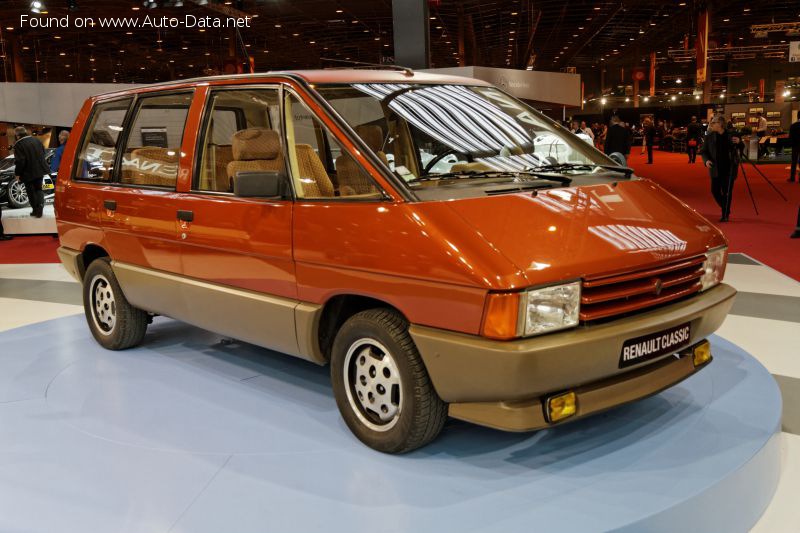
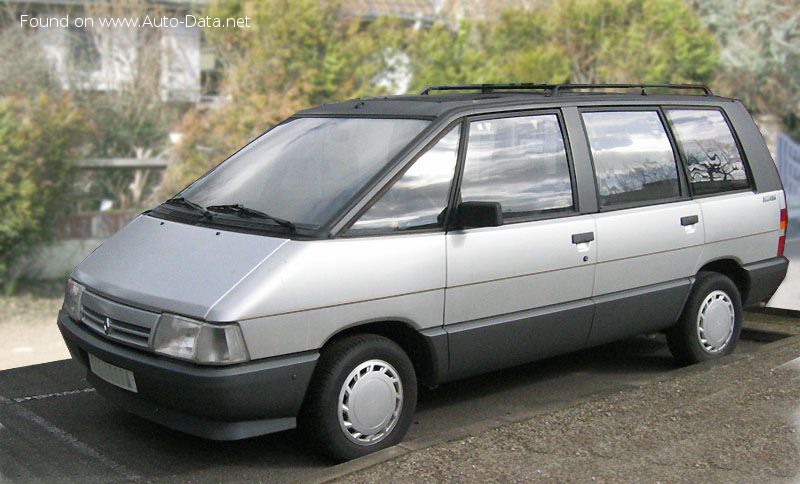
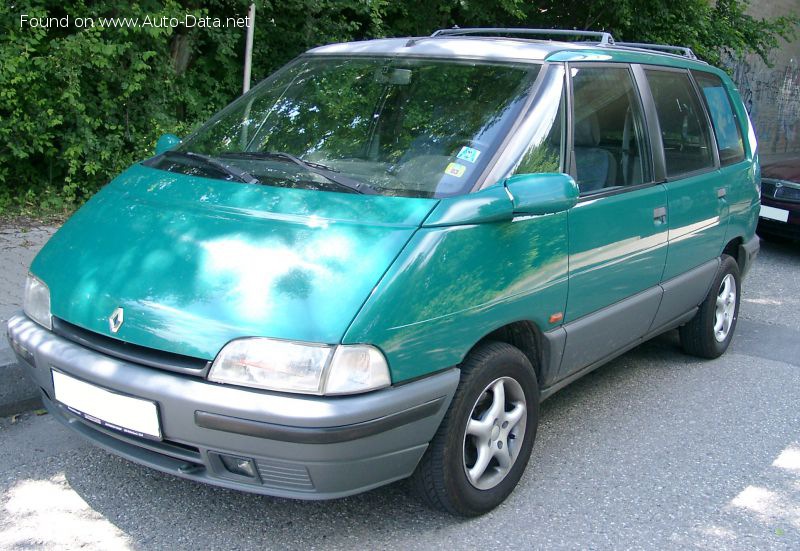
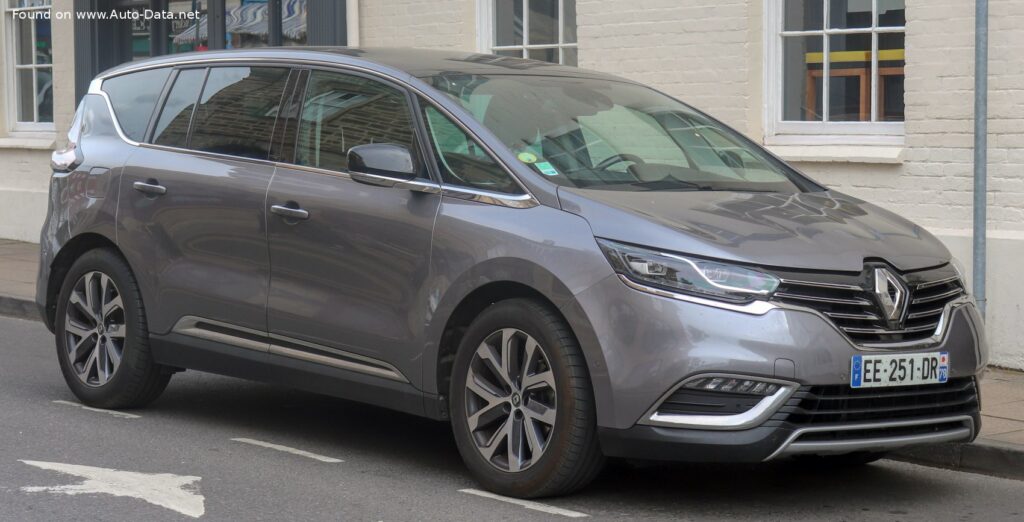
The Renault Espace V 1.8 Energy TCe (225 Hp) EDC represents a pivotal moment in the history of a model line that essentially invented the modern European minivan segment. Launched in 2017, this specific variant of the fifth-generation Espace showcased Renault’s bold strategy to reinvent its iconic people-mover for a market increasingly dominated by crossovers and SUVs. Unlike its predecessors, which were pure minivans, the Espace V adopted a more dynamic, SUV-inspired aesthetic while retaining much of its renowned practicality and spaciousness. This particular model, produced between 2017 and 2018, was equipped with a potent 1.8-liter turbocharged gasoline engine and an efficient dual-clutch automatic transmission, positioning it as a compelling choice for European families seeking a blend of performance, luxury, and versatility.
While the Renault Espace has never been officially sold in the United States, its influence on global automotive design, particularly in the multi-purpose vehicle (MPV) segment, is undeniable. The Espace V, especially with the 1.8 Energy TCe (225 Hp) EDC powertrain, aimed to combine the best attributes of a traditional minivan with the aspirational styling and driving dynamics of a crossover. This strategic shift was crucial for its continued relevance in the highly competitive European market, where it faced rivals from both traditional MPVs and a growing array of C- and D-segment crossovers.
Engine & Performance: The Heart of the Renault Espace V 1.8 Energy TCe (225 Hp) EDC
Under the hood, the Renault Espace V 1.8 Energy TCe (225 Hp) EDC featured a sophisticated powertrain designed to deliver a balance of spirited performance and reasonable fuel efficiency. The engine is a 1.8-liter (1798 cm³ or 109.72 cu. in.) inline four-cylinder unit, designated by the code M5P. This turbocharged and intercooled gasoline engine is transversely mounted at the front, driving the front wheels. It utilizes a multi-port manifold injection system and features four valves per cylinder, a common and efficient setup for modern engines.
This powerplant generates a robust 225 horsepower at 5600 rpm, translating to an impressive 125.1 horsepower per liter. Torque output is equally significant, peaking at 300 Nm (221.27 lb.-ft.) from a low 1750 rpm, providing excellent responsiveness and acceleration from a standstill or during in-gear overtaking maneuvers. The engine’s low-end torque delivery is a testament to its turbocharger and intercooler setup, ensuring that the Espace V feels sprightly despite its size.
Mated to this engine is a 7-speed EDC (Efficient Dual Clutch) automatic transmission. This advanced gearbox offers smooth and rapid shifts, contributing significantly to both the vehicle’s performance and its fuel economy. The combination allows the Espace V to accelerate from 0 to 60 mph in a brisk 7.2 seconds (calculated by Auto-Data.net, 0-100 km/h in 7.6 seconds) and reach a top speed of 139.19 mph (224 km/h). These figures are commendable for a vehicle of its class and size, highlighting its sporty aspirations.
Fuel efficiency for the 1.8 Energy TCe (225 Hp) EDC variant is rated at a combined 34.6 US mpg (6.8 l/100 km), with urban consumption at 27 US mpg (8.7 l/100 km) and extra-urban at 42 US mpg (5.6 l/100 km). CO2 emissions are 152 g/km, adhering to the Euro 6b emission standard, which was stringent for its time. The fuel tank capacity is 15.32 US gallons (58 liters), providing a decent cruising range.
Design & Features: Blending Practicality with Crossover Appeal
The fifth-generation Renault Espace marked a radical departure from its predecessors in terms of design. While traditionally a pure minivan, the Espace V adopted a “minivan-crossover” body type, characterized by a higher ride height (6.3 inches or 160 mm), larger wheels (18-inch rims with 235/60 R18 tires), and more muscular styling cues reminiscent of an SUV. Its sleek lines, prominent grille, and distinctive lighting signature gave it a sophisticated and modern appearance that resonated well with European buyers seeking something less utilitarian than a traditional MPV.
Despite its crossover styling, the Espace V retained its core strength: interior space and versatility. This specific variant offered a comfortable 5-seat configuration across five doors, providing ample room for passengers and their luggage. The generous dimensions—191.22 inches (4857 mm) in length, 74.33 inches (1888 mm) in width (83.78 inches or 2128 mm including mirrors), and 66.02 inches (1677 mm) in height—contributed to its commanding road presence and spacious cabin. The wheelbase measured 113.54 inches (2884 mm), ensuring a stable ride and good interior volume.
Cargo capacity was a standout feature, with a minimum trunk space of 24.01 cu. ft. (680 liters) and an expansive maximum of 74.2 cu. ft. (2101 liters) with the rear seats folded, making it highly practical for families or those needing to transport large items. The interior was also designed with a focus on comfort and technology, offering a premium feel with quality materials and advanced infotainment options, which were cutting-edge for its production years.
Safety was a paramount consideration, as expected from a modern European family vehicle. The Espace V came equipped with standard ABS (Anti-lock Braking System) and was designed to incorporate a host of active and passive safety features, including multiple airbags, stability control, and driver-assistance systems. The suspension system featured an independent McPherson strut setup with coil springs and an anti-roll bar at the front, paired with a semi-independent coil spring rear suspension, tuned for a comfortable yet controlled ride. Braking was handled by ventilated discs at the front and solid discs at the rear, providing strong stopping power.
Technical Specifications
| Category | Specification |
|---|---|
| Brand | Renault |
| Model | Espace V |
| Type (Engine) | 1.8 Energy TCe (225 Hp) EDC |
| Production Start | 2017 |
| Production End | 2018 |
| Powertrain Architecture | Internal Combustion Engine |
| Body Type | Minivan, Crossover |
| Seats | 5 |
| Doors | 5 |
Performance Specs |
|
| Fuel Consumption (Urban) | 8.7 l/100 km (27 US mpg) |
| Fuel Consumption (Extra Urban) | 5.6 l/100 km (42 US mpg) |
| Fuel Consumption (Combined) | 6.8 l/100 km (34.6 US mpg) |
| CO2 Emissions | 152 g/km |
| Fuel Type | Petrol (Gasoline) |
| Acceleration 0-60 mph | 7.2 sec (Calculated) |
| Acceleration 0-62 mph (0-100 km/h) | 7.6 sec |
| Maximum Speed | 139.19 mph (224 km/h) |
| Emission Standard | Euro 6 b |
| Weight-to-Power Ratio | 7.2 kg/Hp (139.8 Hp/tonne) |
| Weight-to-Torque Ratio | 5.4 kg/Nm (186.3 Nm/tonne) |
Engine Specs |
|
| Power | 225 Hp @ 5600 rpm |
| Power per liter | 125.1 Hp/l |
| Torque | 300 Nm (221.27 lb.-ft.) @ 1750 rpm |
| Engine Layout | Front, Transverse |
| Engine Model/Code | M5P |
| Engine Displacement | 1798 cm³ (1.8 L / 109.72 cu. in.) |
| Number of Cylinders | 4 |
| Engine Configuration | Inline |
| Cylinder Bore | 79.7 mm (3.14 in.) |
| Piston Stroke | 90.1 mm (3.55 in.) |
| Valves per Cylinder | 4 |
| Fuel Injection System | Multi-port manifold injection |
| Engine Aspiration | Turbocharger, Intercooler |
| Engine Oil Capacity | 4.1 L (4.33 US qt) |
Space, Volume & Weights |
|
| Kerb Weight | 1610 kg (3549.44 lbs) |
| Max. Weight | 2393 kg (5275.66 lbs) |
| Max Load | 783 kg (1726.22 lbs) |
| Trunk Space (Minimum) | 680 L (24.01 cu. ft.) |
| Trunk Space (Maximum) | 2101 L (74.2 cu. ft.) |
| Fuel Tank Capacity | 58 L (15.32 US gal) |
| Permitted Trailer Load with Brakes (12%) | 2000 kg (4409.25 lbs) |
| Permitted Trailer Load without Brakes | 750 kg (1653.47 lbs) |
Dimensions |
|
| Length | 4857 mm (191.22 in.) |
| Width | 1888 mm (74.33 in.) |
| Width with Mirrors Folded | 1914 mm (75.35 in.) |
| Width Including Mirrors | 2128 mm (83.78 in.) |
| Height | 1677 mm (66.02 in.) |
| Wheelbase | 2884 mm (113.54 in.) |
| Front Track | 1630 mm (64.17 in.) |
| Rear Track | 1621 mm (63.82 in.) |
| Front Overhang | 1034 mm (40.71 in.) |
| Rear Overhang | 939 mm (36.97 in.) |
| Ride Height (Ground Clearance) | 160 mm (6.3 in.) |
| Minimum Turning Circle | 12.4 m (40.68 ft.) |
Drivetrain, Brakes & Suspension |
|
| Drivetrain Architecture | Front-wheel drive, Internal Combustion Engine |
| Drive Wheel | Front-wheel drive |
| Number of Gears & Gearbox Type | 7 gears, automatic transmission EDC |
| Front Suspension | Independent, McPherson with coil spring and anti-roll bar |
| Rear Suspension | Semi-independent, coil spring |
| Front Brakes | Ventilated discs |
| Rear Brakes | Disc |
| Assisting Systems | ABS (Anti-lock braking system) |
| Steering Type | Steering rack and pinion |
| Power Steering | Electric Steering |
| Tire Size | 235/60 R18 |
| Wheel Rims Size | 18 inches |
Legacy & Market Impact of the Renault Espace V
The Renault Espace holds a unique and revered place in European automotive history. Its initial introduction in 1984 as one of the very first modern minivans revolutionized family transport. By its fifth generation, the Espace V, especially with a dynamic powertrain like the 1.8 Energy TCe (225 Hp) EDC, represented Renault’s shrewd adaptation to evolving consumer preferences. The shift from a pure minivan to a crossover-like vehicle was a gamble that paid off, allowing the Espace to remain relevant in a market that had largely abandoned traditional MPVs in favor of SUVs.
In its primary European market, the Espace V competed with a diverse range of vehicles. On one hand, it still contended with traditional D-segment MPVs such as the Ford S-Max, Volkswagen Sharan, and SEAT Alhambra, offering a more stylish and less overtly utilitarian alternative. On the other hand, its crossover styling put it in indirect competition with larger SUVs and crossovers like the Peugeot 5008, Skoda Kodiaq, and even premium offerings from brands like Audi and BMW, albeit at a different price point. The Espace V carved out a niche for buyers who desired the elevated driving position and robust aesthetics of an SUV but still prioritized the interior flexibility and comfort of a large family vehicle.
The 1.8 Energy TCe (225 Hp) EDC variant, in particular, offered a compelling package of performance and refinement, appealing to those who didn’t want to compromise on driving dynamics. Its powerful yet relatively efficient turbocharged engine, combined with the smooth dual-clutch transmission, provided a sophisticated driving experience that was not always typical for vehicles in its segment. The Espace V’s overall impact was to demonstrate how a heritage model could successfully reinvent itself, proving that innovation in design and powertrain technology could extend the life of a beloved nameplate in a rapidly changing automotive landscape.
The Espace V’s production run from 2017 to 2018 for this specific engine variant was part of its broader lifecycle (2015-2023), illustrating Renault’s continuous efforts to refine and update its offerings. While it may not be a familiar sight on American roads, the Renault Espace V 1.8 Energy TCe (225 Hp) EDC stands as a testament to European automotive ingenuity, blending practicality with panache, and successfully navigating the transition from a utilitarian minivan to a stylish, performance-oriented crossover.