The Renault Espace V (Phase II, 2020): A European Crossover Minivan Evolution
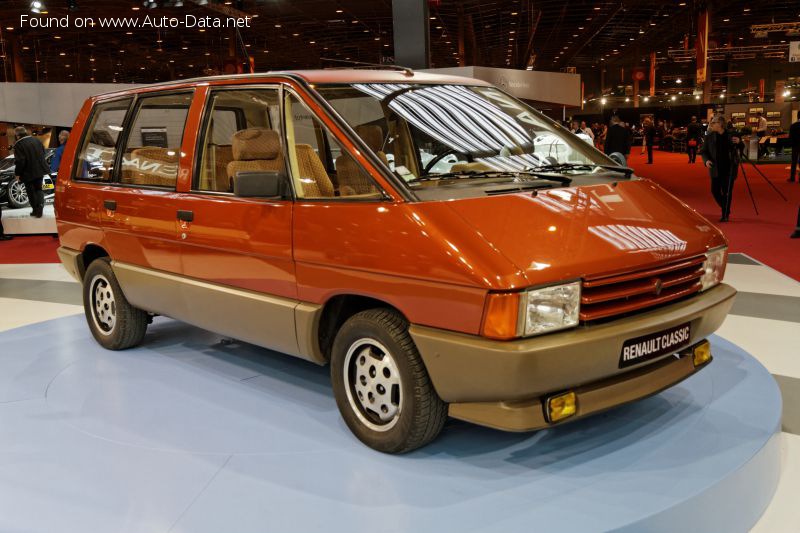
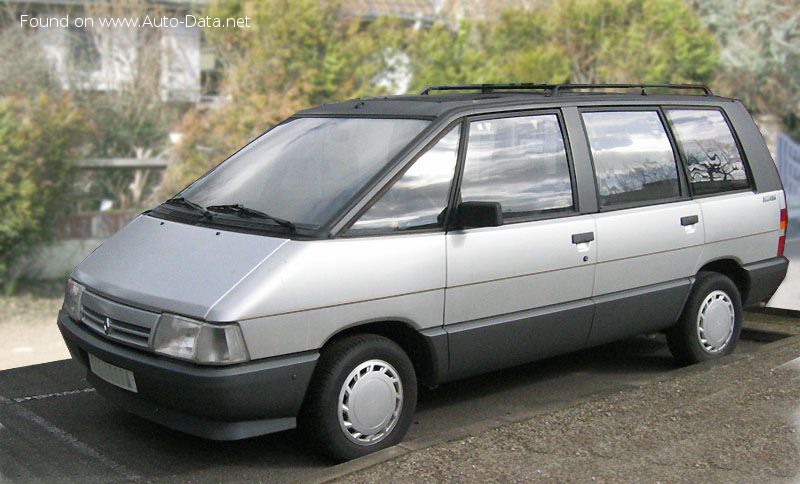
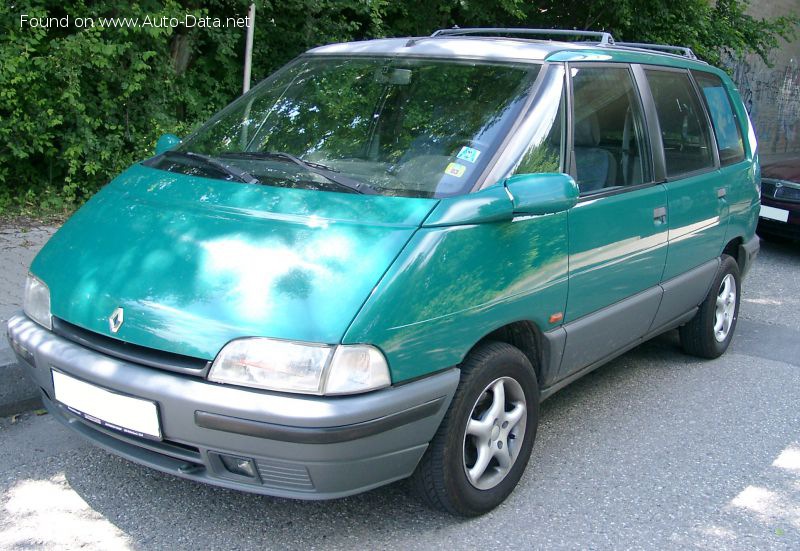
The Renault Espace V (Phase II, 2020) represents a significant evolution in Renault’s long-standing Espace lineage, a nameplate synonymous with the European minivan segment since its inception in 1984. This fifth-generation Espace, particularly the Phase II refresh launched in October 2020, marked a bold departure from its traditional MPV (Multi-Purpose Vehicle) roots, transforming into a more crossover-inspired vehicle while retaining its core family-hauling capabilities. Positioned as a versatile 7-seater, this iteration aimed to blend the practicality of a minivan with the styling cues and elevated driving position of an SUV, catering to the evolving tastes of European consumers. While never officially sold in the United States, the Espace has remained a foundational model for Renault in its primary markets, showcasing the brand’s commitment to innovation in family transport and technology.
The Espace V (Phase II, 2020) was produced from October 2020 until January 2022, serving as a sophisticated option for families seeking space, comfort, and advanced features. This particular variant, equipped with the 2.0 Blue dCi (160 Hp) engine, 4CONTROL all-wheel steering, and an EDC automatic transmission, exemplifies Renault’s efforts to imbue a family vehicle with dynamic driving characteristics and efficient diesel performance, a common and popular choice in Europe.
Engine and Performance of the Renault Espace V (Phase II, 2020)
At the heart of this particular Renault Espace V (Phase II, 2020) lies the M9R 650 2.0-liter (1997 cm3 or 121.86 cubic inch) Blue dCi inline-four diesel engine. This powertrain is engineered for a balance of power, torque, and fuel efficiency, critical factors for a vehicle designed for long-distance family travel. The engine features a sophisticated Diesel Commonrail fuel injection system and is equipped with a turbocharger and intercooler, ensuring robust performance across the rev range.
The 2.0 Blue dCi engine delivers a respectable 160 horsepower at 3750 rpm, translating to 80.1 horsepower per liter. More significantly for a family hauler, it produces a substantial 265.52 lb.-ft. (360 Nm) of torque available at a low 1500 rpm. This ample low-end torque is crucial for effortless acceleration, especially when the vehicle is fully loaded with passengers and cargo, or when towing. The power is managed by a 6-speed EDC (Efficient Dual Clutch) automatic transmission, providing smooth and rapid gear changes, contributing to both driving comfort and efficiency.
In terms of performance, the Espace V (Phase II, 2020) 2.0 Blue dCi accelerates from 0 to 60 mph in approximately 10 seconds (0-100 km/h in 10.5 seconds), which is competitive for a vehicle of its size and segment. Its top speed is rated at 124.27 mph (200 km/h). Fuel economy is a strong suit for this diesel variant, with a combined rating of 46.1 US mpg (5.1 l/100 km). Urban consumption stands at 41.3 US mpg (5.7 l/100 km), while extra-urban driving can achieve an impressive 49 US mpg (4.8 l/100 km). These figures highlight the efficiency benefits of modern diesel powertrains, particularly in European driving cycles. The vehicle also meets the stringent Euro 6 d-TEMP emission standard, aided by a particulate filter and an AdBlue tank system.
Design and Features
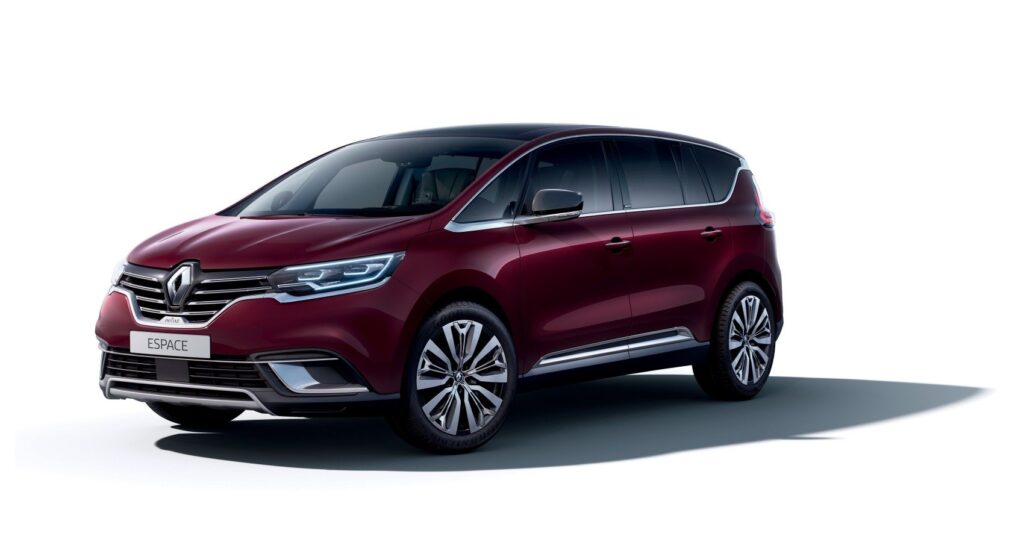
The design of the Espace V (Phase II, 2020) is a compelling blend of minivan practicality and crossover aesthetics. Its body type is officially described as both a Minivan and a Crossover, reflecting its unique market positioning. With five doors and a spacious interior configured for seven seats, it provides substantial versatility for large families or those requiring flexible cargo solutions. The exterior styling is characterized by its dynamic lines, prominent grille, and elevated stance, distinguishing it from more traditional minivans. The Phase II refresh brought subtle but impactful updates to the front fascia, lighting signatures, and interior finishes, enhancing its modern appeal.
One of the standout technological features of this Espace variant is the 4CONTROL all-wheel steering system. This innovative technology significantly enhances the vehicle’s maneuverability at low speeds by turning the rear wheels in the opposite direction to the front wheels, effectively reducing the turning circle to just 36.42 feet (11.1 meters). At higher speeds, the rear wheels turn in the same direction as the front, improving stability and agility. This system, combined with the electric power steering, provides a driving experience that belies the Espace’s size, making it surprisingly nimble in urban environments and stable on highways.
Inside, the Espace prioritizes comfort and modularity. The 7-seat configuration offers ample space for all occupants, with flexible seating arrangements to optimize either passenger room or cargo capacity. The trunk space ranges from a generous 25.39 cubic feet (719 liters) with all seats in place, expanding to an expansive 71.87 cubic feet (2035 liters) with the rear seats folded down. Standard safety features include ABS (Anti-lock braking system), and given its modern production run, it would have incorporated a suite of advanced driver-assistance systems (ADAS) standard for the European market, though specific details are not provided in the technical data. The vehicle rides on 18-inch wheels with 235/60 R18 tires, contributing to its commanding presence and comfortable ride.
Technical Specifications: Renault Espace V (Phase II, 2020) 2.0 Blue dCi (160 Hp) 4CONTROL EDC 7 Seat
| Category | Specification | US Equivalent / Notes |
|---|---|---|
General Information |
||
| Brand | Renault | |
| Model | Espace V (Phase II, 2020) | |
| Type (Engine) | 2.0 Blue dCi (160 Hp) 4CONTROL EDC 7 Seat | |
| Production Start | October, 2020 | |
| Production End | January, 2022 | |
| Powertrain Architecture | Internal Combustion engine | |
| Body Type | Minivan, Crossover | |
| Seats | 7 | |
| Doors | 5 | |
Performance Specs |
||
| Fuel Consumption (Urban) | 5.7 l/100 km | 41.3 US mpg |
| Fuel Consumption (Extra Urban) | 4.8 l/100 km | 49 US mpg |
| Fuel Consumption (Combined) | 5.1 l/100 km | 46.1 US mpg |
| CO2 Emissions | 135 g/km | |
| Fuel Type | Diesel | |
| Acceleration 0-60 mph | 10 sec | (Calculated by Auto-Data.net) |
| Maximum Speed | 200 km/h | 124.27 mph |
| Emission Standard | Euro 6 d-TEMP | |
| Weight-to-Power Ratio | 11.4 kg/Hp | 88.1 Hp/tonne |
| Weight-to-Torque Ratio | 5 kg/Nm | 198.2 Nm/tonne |
Engine Specs |
||
| Power | 160 Hp @ 3750 rpm | |
| Power per liter | 80.1 Hp/l | |
| Torque | 360 Nm @ 1500 rpm | 265.52 lb.-ft. @ 1500 rpm |
| Engine Layout | Front, Transverse | |
| Engine Model/Code | M9R 650 | |
| Engine Displacement | 1997 cm3 | 2.0 Liters / 121.86 cu. in. |
| Number of Cylinders | 4 | |
| Engine Configuration | Inline | |
| Cylinder Bore | 85 mm | 3.35 in. |
| Piston Stroke | 88 mm | 3.46 in. |
| Valves per Cylinder | 4 | |
| Fuel Injection System | Diesel Commonrail | |
| Engine Aspiration | Turbocharger, Intercooler | |
| Engine Systems | Particulate filter | |
Space, Volume and Weights |
||
| Kerb Weight | 1816 kg | 4003.59 lbs. |
| Max. Weight | 2554 kg | 5630.61 lbs. |
| Max Load | 738 kg | 1627.01 lbs. |
| Trunk (boot) Space – Minimum | 719 l | 25.39 cu. ft. |
| Trunk (boot) Space – Maximum | 2035 l | 71.87 cu. ft. |
| Fuel Tank Capacity | 62 l | 16.38 US gal |
| AdBlue Tank | 22 l | 5.81 US gal |
| Permitted Trailer Load with Brakes (12%) | 2000 kg | 4409.25 lbs. |
| Permitted Trailer Load without Brakes | 750 kg | 1653.47 lbs. |
Dimensions |
||
| Length | 4859 mm | 191.3 in. |
| Width | 1888 mm | 74.33 in. |
| Width with mirrors folded | 1914 mm | 75.35 in. |
| Width including mirrors | 2128 mm | 83.78 in. |
| Height | 1676-1711 mm | 65.98 – 67.36 in. |
| Wheelbase | 2884 mm | 113.54 in. |
| Front Track | 1630 mm | 64.17 in. |
| Rear (Back) Track | 1621 mm | 63.82 in. |
| Front Overhang | 1030 mm | 40.55 in. |
| Rear Overhang | 944 mm | 37.17 in. |
| Ride Height (Ground Clearance) | 160 mm | 6.3 in. |
| Minimum Turning Circle (Turning Diameter) | 11.1 m | 36.42 ft. |
Drivetrain, Brakes and Suspension Specs |
||
| Drivetrain Architecture | Internal combustion engine drives front wheels | Front-wheel drive (FWD) |
| Drive Wheel | Front wheel drive | |
| Number of Gears and Type of Gearbox | 6 gears, automatic transmission EDC | Efficient Dual Clutch |
| Front Suspension | Independent type McPherson | |
| Front Brakes | Ventilated discs, 320 mm | |
| Rear Brakes | Disc, 290 mm | |
| Assisting Systems | ABS (Anti-lock braking system) | |
| Steering Type | Steering rack and pinion | |
| Power Steering | Electric Steering | |
| Tires Size | 235/60 R18 | |
| Wheel Rims Size | 18 inches | |
Legacy and Market Impact of the Renault Espace V (Phase II, 2020)
The Renault Espace holds a significant place in automotive history, particularly in Europe, as one of the pioneering modern minivans. Its debut in 1984 effectively created a new segment for family vehicles, emphasizing space, versatility, and passenger comfort. Over its generations, the Espace adapted to changing consumer demands, culminating in the fifth-generation model’s pivot towards a crossover aesthetic, a move that reflected the global shift away from traditional minivans towards SUVs.
The Espace V (Phase II, 2020) continued this legacy by offering a compelling package that appealed to European families who still required substantial interior space but desired a more stylish and less utilitarian vehicle than a conventional minivan. Its blend of a raised driving position, robust exterior styling, and advanced features like the 4CONTROL all-wheel steering system allowed it to carve out a unique niche. In the highly competitive European market, the Espace competed with a diverse array of vehicles. Its direct rivals in the 7-seater segment included other large MPVs like the Ford S-Max/Galaxy, Volkswagen Sharan, and SEAT Alhambra, as well as a growing number of large crossover SUVs such as the Peugeot 5008, Skoda Kodiaq, and even Renault’s own Koleos.
The 2.0 Blue dCi engine, combined with the EDC transmission, reinforced its position as a practical and efficient choice for families, especially those undertaking long-distance journeys. The Espace’s focus on comfort, modularity, and a refined driving experience, particularly with the added agility of 4CONTROL, helped maintain its reputation as a premium offering in the family vehicle segment. Despite its relatively short production run for the Phase II before the Espace nameplate was reimagined as a full SUV in 2023, this iteration underscored Renault’s ability to innovate and adapt a beloved model to contemporary trends, keeping the spirit of the original Espace alive in a new, more adventurous form. Its impact lies in demonstrating how a brand can evolve a foundational model to meet new market realities while retaining core values of space and family utility, a testament to its enduring influence on European automotive design and engineering.