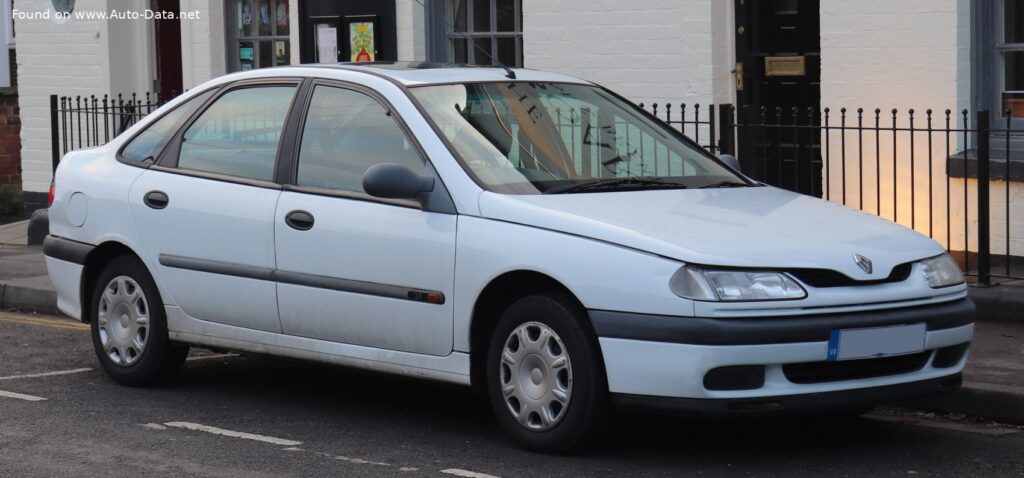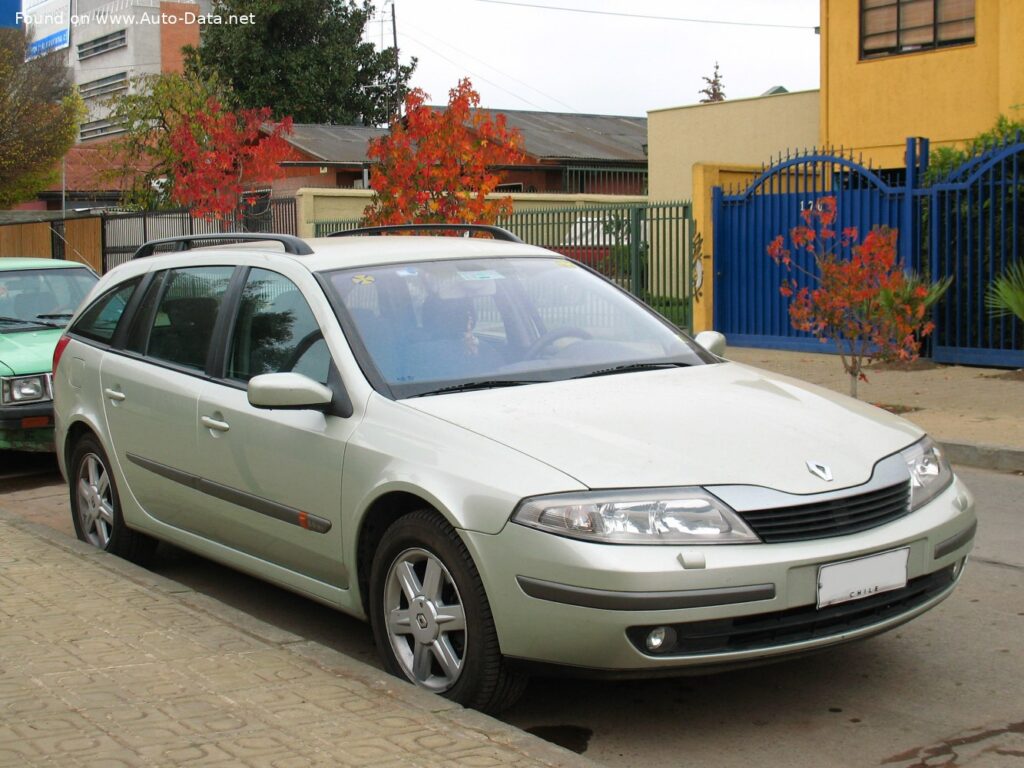
The Renault Laguna II Grandtour 2.0 i 16V, produced between 2002 and 2007, represents Renault’s offering in the mid-size family car segment, specifically as a station wagon (estate). The Laguna II, and particularly the Grandtour variant, aimed to provide a practical and comfortable vehicle for European families, competing with models like the Ford Mondeo Estate, Peugeot 407 SW, and Volkswagen Passat Variant. While not officially sold in the United States, understanding its specifications and features provides insight into the European automotive landscape of the early 2000s and Renault’s engineering priorities at the time.
Renault Laguna II Grandtour: An Overview
The Laguna II was a significant step forward for Renault, building upon the success of the original Laguna. The Grandtour version, the station wagon, emphasized practicality with a spacious cargo area. It was designed to appeal to buyers needing versatility without sacrificing comfort or style. The 2.0 i 16V engine option provided a balance between performance and fuel economy, making it a popular choice within the Laguna II range. The vehicle’s design incorporated contemporary styling cues and a focus on safety features, reflecting the evolving demands of the automotive market.
Engine & Performance
The Renault Laguna II Grandtour 2.0 i 16V is powered by a naturally aspirated, 1998 cc (121.93 cu. in.) inline-four cylinder engine. This engine, designated the F4R, produces 136 horsepower (Hp) at 5500 rpm and 191 Newton-meters (140.87 lb.-ft.) of torque at 3750 rpm. The engine features a multi-port fuel injection system and a double overhead camshaft (DOHC) valvetrain with four valves per cylinder. This configuration contributes to a respectable power output of 68.1 Hp per liter.
Performance figures indicate a 0-100 km/h (0-62 mph) acceleration time of 10.1 seconds, and a 0-60 mph time of approximately 9.6 seconds. The vehicle has a maximum speed of 202 km/h (125.52 mph). The engine is coupled with a five-speed manual transmission, delivering power to the front wheels. The weight-to-power ratio is 10 kg/Hp, and the weight-to-torque ratio is 7.1 kg/Nm, indicating a reasonably efficient powertrain for its time.
Design & Features
The Laguna II Grandtour is a five-door station wagon with seating for five passengers. Its exterior design features flowing lines and a relatively understated aesthetic, typical of European cars of the early 2000s. The Grandtour body style provides a significantly larger cargo capacity compared to the hatchback version. With the rear seats up, the trunk offers 475 liters (16.77 cu. ft.) of space, expanding to a substantial 1500 liters (52.97 cu. ft.) with the rear seats folded down.
Safety features included Anti-lock Braking System (ABS) as standard. The vehicle’s suspension utilizes a spring strut setup at the front and a coil spring arrangement at the rear, providing a comfortable ride. Steering is rack and pinion with hydraulic power assistance. The Laguna II Grandtour 2.0 i 16V rides on 205/55 R16 tires mounted on 16-inch wheel rims. Interior features focused on comfort and practicality, with a focus on providing a pleasant driving experience for families.
Technical Specifications
| Brand | Renault |
| Model | Laguna |
| Generation | Laguna II Grandtour |
| Type (Engine) | 2.0 i 16V (136 Hp) |
| Start of production | 2002 |
| End of production | 2007 |
| Powertrain Architecture | Internal Combustion engine |
| Body type | Station wagon (estate) |
| Seats | 5 |
| Doors | 5 |
| Fuel consumption (urban) | 10.9 l/100 km (21.6 US mpg) |
| Fuel consumption (extra urban) | 6.4 l/100 km (36.8 US mpg) |
| Fuel Type | Petrol (Gasoline) |
| Acceleration 0 – 100 km/h | 10.1 sec |
| Acceleration 0 – 62 mph | 10.1 sec |
| Acceleration 0 – 60 mph | 9.6 sec |
| Maximum speed | 202 km/h (125.52 mph) |
| Weight-to-power ratio | 10 kg/Hp |
| Weight-to-torque ratio | 7.1 kg/Nm |
| Power | 136 Hp @ 5500 rpm |
| Torque | 191 Nm @ 3750 rpm (140.87 lb.-ft. @ 3750 rpm) |
| Engine layout | Front, Transverse |
| Engine Model/Code | F4R |
| Engine displacement | 1998 cm3 (121.93 cu. in.) |
| Number of cylinders | 4 |
| Engine configuration | Inline |
| Cylinder Bore | 82.7 mm (3.26 in.) |
| Piston Stroke | 93 mm (3.66 in.) |
| Compression ratio | 9.8:1 |
| Number of valves per cylinder | 4 |
| Fuel injection system | Multi-port manifold injection |
| Engine aspiration | Naturally aspirated engine |
| Valvetrain | DOHC |
| Engine oil capacity | 5.4 l (5.71 US qt | 4.75 UK qt) |
| Coolant | 6.5 l (6.87 US qt | 5.72 UK qt) |
| Kerb Weight | 1360 kg (2998.29 lbs.) |
| Max. weight | 1900 kg (4188.78 lbs.) |
| Max load | 540 kg (1190.5 lbs.) |
| Trunk (boot) space – minimum | 475 l (16.77 cu. ft.) |
| Trunk (boot) space – maximum | 1500 l (52.97 cu. ft.) |
| Fuel tank capacity | 70 l (18.49 US gal | 15.4 UK gal) |
| Length | 4695 mm (184.84 in.) |
| Width | 1772 mm (69.76 in.) |
| Height | 1443 mm (56.81 in.) |
| Wheelbase | 2740 mm (107.87 in.) |
| Front track | 1525 mm (60.04 in.) |
| Rear (Back) track | 1480 mm (58.27 in.) |
| Drivetrain Architecture | Front wheel drive |
| Number of gears and type of gearbox | 5 gears, manual transmission |
| Front suspension | Spring Strut |
| Rear suspension | Coil spring |
| Front brakes | Ventilated discs |
| Rear brakes | Disc |
| Assisting systems | ABS (Anti-lock braking system) |
| Steering type | Steering rack and pinion |
| Power steering | Hydraulic Steering |
| Tires size | 205/55 R16 |
| Wheel rims size | 16 |
The Renault Laguna II Grandtour 2.0 i 16V, while not a performance car, offered a compelling package of practicality, comfort, and reasonable efficiency for European buyers. It represents a significant example of Renault’s design and engineering capabilities during the early 2000s, and its features reflect the evolving needs of the family car market.