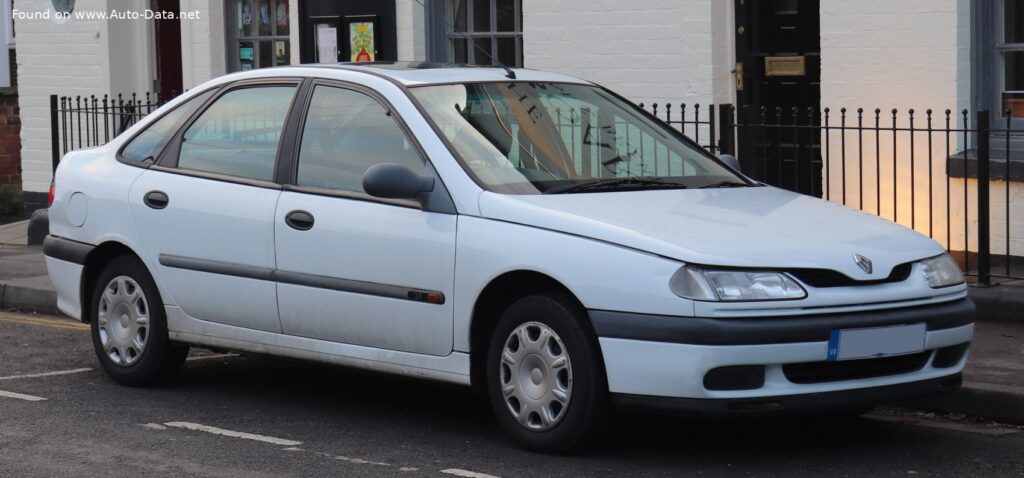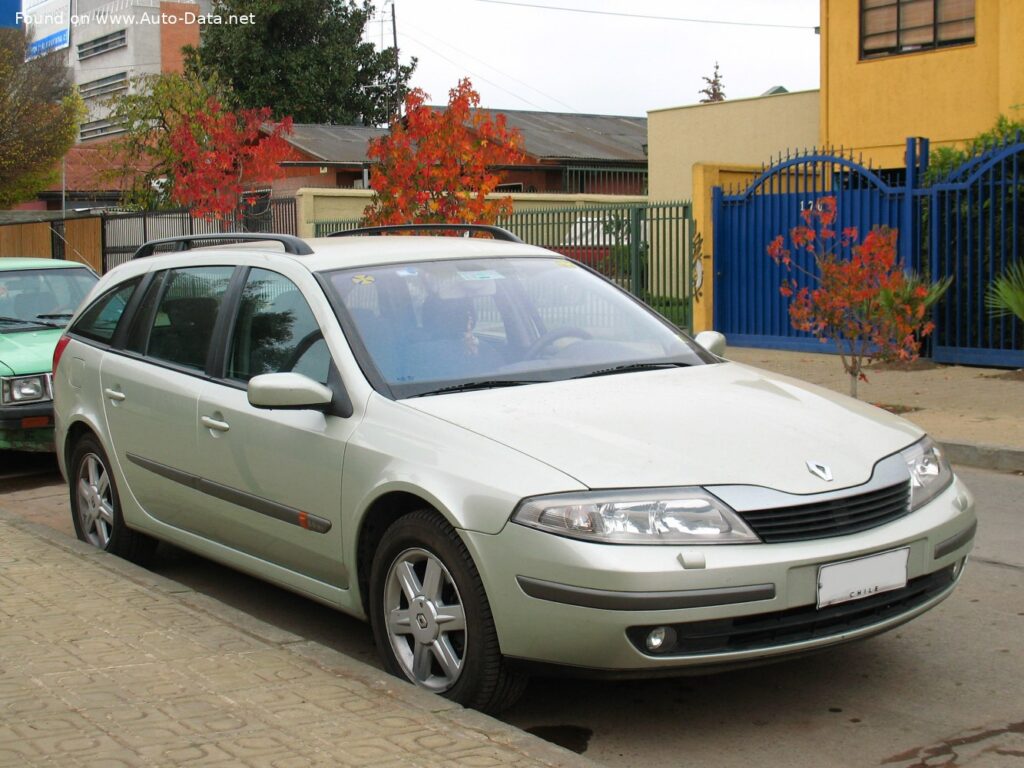
The Renault Laguna II Grandtour 2.0 i 16V GT is a five-passenger, five-door station wagon (estate) produced by the French automaker Renault between 2005 and 2007. Representing the second generation of the Laguna model, the Grandtour variant specifically offered increased practicality through its wagon body style. Positioned within the mid-size segment, the Laguna II competed with vehicles like the Ford Mondeo, Vauxhall/Opel Vectra, and Peugeot 407. The 2.0 i 16V GT trim level signified a performance-oriented version of the Grandtour, boasting a 204 horsepower engine and a focus on driver engagement.
Renault Laguna II Grandtour 2.0 i 16V GT: An Overview
The Laguna II, launched in 2000, was a significant step forward for Renault, offering improved build quality, refinement, and technology compared to its predecessor. The Grandtour estate version, introduced shortly after the hatchback, catered to buyers needing more cargo space without sacrificing style or driving dynamics. The 2.0 i 16V GT model, with its higher output engine, aimed to provide a more spirited driving experience, appealing to those seeking a blend of practicality and performance in a family vehicle. While not officially sold in the United States, the Laguna II Grandtour was a popular choice in Europe, known for its comfortable ride and well-equipped interior.
Engine & Performance
The heart of the Laguna II Grandtour 2.0 i 16V GT is a 1998 cc (121.93 cu. in.) inline-four cylinder gasoline engine, designated the F4R. This engine produces 204 horsepower at 5000 rpm and 300 Nm (221.27 lb.-ft.) of torque at 3000 rpm. The engine features multi-port fuel injection and a double overhead camshaft (DOHC) valvetrain with four valves per cylinder. This configuration allows for a good balance of power and efficiency. Power is delivered to the front wheels via a six-speed manual transmission. Performance figures include a 0-100 km/h (0-62 mph) acceleration time of 8.2 seconds and a maximum speed of 232 km/h (144.16 mph). The weight-to-power ratio of 7.2 kg/Hp and weight-to-torque ratio of 4.9 kg/Nm contribute to a responsive driving experience. The engine oil capacity is 5.4 liters (5.71 US qt | 4.75 UK qt) and requires a specific oil specification (details require login to the source data).
Design & Features
The Laguna II Grandtour boasts a sleek and modern design for its time, characterized by its flowing lines and relatively low roofline for a station wagon. The Grandtour body style provides a generous 475 liters (16.77 cu. ft.) of trunk space with the rear seats up, expanding to a substantial 1500 liters (52.97 cu. ft.) when the rear seats are folded down. The vehicle’s dimensions are 4695 mm (184.84 in.) in length, 1772 mm (69.76 in.) in width, and 1443 mm (56.81 in.) in height. The Laguna II incorporated several safety features, including an Anti-lock Braking System (ABS). The suspension utilizes a spring strut setup at the front and a coil spring arrangement at the rear, providing a comfortable ride. Steering is rack and pinion with hydraulic power assistance. The vehicle rides on 17-inch wheel rims fitted with 225/45 R17 tires. The interior offered a comfortable and well-appointed cabin, typical of vehicles in its class, with a focus on ergonomics and practicality.
Technical Specifications
| Brand | Renault |
| Model | Laguna |
| Generation | Laguna II Grandtour |
| Type (Engine) | 2.0 i 16V GT (204 Hp) |
| Start of production | 2005 year |
| End of production | 2007 year |
| Powertrain Architecture | Internal Combustion engine |
| Body type | Station wagon (estate) |
| Seats | 5 |
| Doors | 5 |
| Fuel consumption (economy) – urban | 14.8 l/100 km (15.9 US mpg, 19.1 UK mpg, 6.8 km/l) |
| Fuel consumption (economy) – extra urban | 7.5 l/100 km (31.4 US mpg, 37.7 UK mpg, 13.3 km/l) |
| Fuel Type | Petrol (Gasoline) |
| Acceleration 0 – 100 km/h | 8.2 sec |
| Acceleration 0 – 62 mph | 8.2 sec |
| Acceleration 0 – 60 mph | 7.8 sec |
| Maximum speed | 232 km/h (144.16 mph) |
| Weight-to-power ratio | 7.2 kg/Hp |
| Weight-to-torque ratio | 4.9 kg/Nm |
| Power | 204 Hp @ 5000 rpm |
| Power per litre | 102.1 Hp/l |
| Torque | 300 Nm @ 3000 rpm (221.27 lb.-ft. @ 3000 rpm) |
| Engine layout | Front, Transverse |
| Engine Model/Code | F4R |
| Engine displacement | 1998 cm3 (121.93 cu. in.) |
| Number of cylinders | 4 |
| Engine configuration | Inline |
| Cylinder Bore | 82.7 mm (3.26 in.) |
| Piston Stroke | 93 mm (3.66 in.) |
| Compression ratio | 9:1 |
| Number of valves per cylinder | 4 |
| Fuel injection system | Multi-port manifold injection |
| Engine aspiration | Turbocharger, Intercooler |
| Valvetrain | DOHC |
| Engine oil capacity | 5.4 l (5.71 US qt | 4.75 UK qt) |
| Coolant | 6.5 l (6.87 US qt | 5.72 UK qt) |
| Kerb Weight | 1465 kg (3229.77 lbs.) |
| Max. weight | 2095 kg (4618.68 lbs.) |
| Max load | 630 kg (1388.91 lbs.) |
| Trunk (boot) space – minimum | 475 l (16.77 cu. ft.) |
| Trunk (boot) space – maximum | 1500 l (52.97 cu. ft.) |
| Fuel tank capacity | 70 l (18.49 US gal | 15.4 UK gal) |
| Length | 4695 mm (184.84 in.) |
| Width | 1772 mm (69.76 in.) |
| Height | 1443 mm (56.81 in.) |
| Wheelbase | 2740 mm (107.87 in.) |
| Front track | 1525 mm (60.04 in.) |
| Rear (Back) track | 1480 mm (58.27 in.) |
| Drivetrain Architecture | The Internal combustion engine (ICE) drives the front wheels of the vehicle. |
| Drive wheel | Front wheel drive |
| Number of gears and type of gearbox | 6 gears, manual transmission |
| Front suspension | Spring Strut |
| Rear suspension | Coil spring |
| Front brakes | Ventilated discs |
| Rear brakes | Disc |
| Assisting systems | ABS (Anti-lock braking system) |
| Steering type | Steering rack and pinion |
| Power steering | Hydraulic Steering |
| Tires size | 225/45 R17 |
| Wheel rims size | 17 |