Renault Megane II Coupe GT 1.9 dCi (110 Hp) FAP: A Detailed Overview
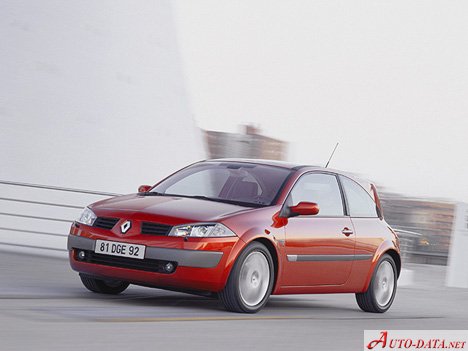
The Renault Megane II Coupe GT 1.9 dCi (110 Hp) FAP represents a distinctive offering within the second generation of Renault’s popular compact car line, the Megane. Launched in 2005, this specific variant emphasized a sportier aesthetic combined with the efficiency and robust torque of a turbodiesel engine, a powertrain choice highly favored in European markets during its production run. As a three-door coupe, it carved out a niche for buyers seeking a blend of practicality, a dynamic driving experience, and economical operation, all wrapped in the Megane II’s famously unconventional and polarizing design language. While not officially sold in the United States, the Megane II Coupe was a significant player in the competitive European C-segment, showcasing Renault’s engineering prowess and commitment to diesel technology.
Engine and Performance of the Renault Megane II Coupe GT 1.9 dCi (110 Hp) FAP
At the heart of the Renault Megane II Coupe GT 1.9 dCi (110 Hp) FAP lies a 1.9-liter (1870 cubic centimeters or 114.11 cubic inches) inline-four turbodiesel engine, identified by the F9Q engine code. This powertrain was a staple in Renault’s lineup, known for its balance of performance and fuel efficiency. It generated a respectable 110 horsepower at 4,000 revolutions per minute (rpm), making it a capable performer for its class. More notably, the engine delivered a substantial 191.77 lb.-ft. of torque at a low 2,000 rpm. This characteristic torque delivery is a hallmark of diesel engines, providing strong pulling power from low engine speeds, which translates to confident acceleration and effortless cruising.
The engine featured a common rail fuel injection system, which was advanced for its time, allowing for precise fuel delivery and improved combustion efficiency. Coupled with a turbocharger and intercooler, it ensured optimal air intake and boost pressure, contributing to both power output and responsiveness. The inclusion of a Particulate Filter (FAP) was a key environmental feature, designed to reduce diesel particulate emissions and help the vehicle comply with Euro 4 emission standards, which were becoming increasingly stringent in Europe.
Mated to a six-speed manual transmission, the Megane II Coupe GT 1.9 dCi channeled its power to the front wheels. This setup allowed for efficient power transfer and gave the driver precise control over the engine’s torque band. Performance figures included an acceleration from 0 to 60 miles per hour in approximately 10.2 seconds, with a top speed of 116.82 miles per hour. These numbers positioned it as a brisk, rather than outright fast, compact coupe, prioritizing drivability and economy. Fuel economy was a strong suit, with a combined rating of 42 US miles per gallon (5.6 liters per 100 kilometers), making it an attractive option for long-distance drivers and those conscious of running costs.
Design and Features
The Megane II generation, introduced in 2002, was renowned for its bold and often controversial styling, a significant departure from its more conservatively styled predecessor. The coupe variant of the Renault Megane II Coupe GT 1.9 dCi (110 Hp) FAP retained the distinctive “bustle-back” rear design, characterized by a sharply truncated tail and vertical taillights, which gave it a unique and instantly recognizable profile. As a three-door coupe, it presented a sportier, more dynamic silhouette compared to the five-door hatchback or sedan variants, appealing to a younger demographic or those seeking a more personal car. Despite its coupe designation, it offered a five-seat configuration, though rear-seat access was naturally more constrained due to the two fewer doors.
Measuring 165.71 inches in length, 69.96 inches in width, and 57.4 inches in height, with a wheelbase of 103.35 inches, the Megane II Coupe offered a compact footprint that made it agile in urban environments while providing a stable ride on highways. The GT trim level typically implied a focus on sportier aesthetics, though specific details might vary. Standard features relevant to its era included a comprehensive safety package, with an Anti-lock Braking System (ABS) being a crucial component for driver control during emergency braking. The car also featured ventilated disc brakes at the front and disc brakes at the rear, ensuring adequate stopping power. Electric power steering, a modern convenience for 2005, provided light steering effort at low speeds and more feedback at higher velocities. The car rode on 195/65 R15 tires mounted on 6J x 15-inch wheel rims, a practical size that balanced grip, ride comfort, and replacement cost.
Inside, the Megane II was known for its innovative cabin design, featuring digital instrumentation and a focus on ergonomics. The trunk space was practical for a coupe, offering a minimum of 11.65 cubic feet, expandable to a generous 42.02 cubic feet with the rear seats folded, enhancing its utility for varied lifestyles.
Technical Specifications
| Category | Specification |
|---|---|
| General Information | |
| Brand | Renault |
| Model | Megane |
| Generation | Megane II Coupe |
| Type (Engine) | GT 1.9 dCi (110 Hp) FAP |
| Production Start | 2005 |
| Production End | 2005 |
| Powertrain Architecture | Internal Combustion engine |
| Body type | Coupe |
| Seats | 5 |
| Doors | 3 |
| Performance Specs | |
| Fuel Consumption (Urban) | 7.1 l/100 km (33.1 US mpg) |
| Fuel Consumption (Extra Urban) | 4.8 l/100 km (49 US mpg) |
| Fuel Consumption (Combined) | 5.6 l/100 km (42 US mpg) |
| CO2 Emissions | 148 g/km |
| Fuel Type | Diesel |
| Acceleration 0-60 mph | 10.2 seconds |
| Maximum Speed | 188 km/h (116.82 mph) |
| Emission Standard | Euro 4 |
| Weight-to-Power Ratio | 11.4 kg/Hp (88 Hp/tonne) |
| Weight-to-Torque Ratio | 4.8 kg/Nm (208 Nm/tonne) |
| Engine Specs | |
| Power | 110 Hp @ 4000 rpm |
| Power per liter | 58.8 Hp/l |
| Torque | 260 Nm @ 2000 rpm (191.77 lb.-ft. @ 2000 rpm) |
| Engine Layout | Front, Transverse |
| Engine Model/Code | F9Q |
| Engine Displacement | 1870 cm3 (114.11 cu. in.) |
| Number of Cylinders | 4 |
| Engine Configuration | Inline |
| Cylinder Bore | 80 mm (3.15 in.) |
| Piston Stroke | 93 mm (3.66 in.) |
| Compression Ratio | 19:1 |
| Valves per Cylinder | 2 |
| Fuel Injection System | Diesel Commonrail |
| Engine Aspiration | Turbocharger, Intercooler |
| Valvetrain | OHC |
| Engine Oil Capacity | 4.5 l (4.76 US qt) |
| Coolant Capacity | 7.6 l (8.03 US qt) |
| Engine Systems | Particulate filter |
| Space, Volume and Weights | |
| Kerb Weight | 1250 kg (2755.78 lbs.) |
| Max. Weight | 1800 kg (3968.32 lbs.) |
| Max Load | 550 kg (1212.54 lbs.) |
| Trunk (boot) Space – Minimum | 330 l (11.65 cu. ft.) |
| Trunk (boot) Space – Maximum | 1190 l (42.02 cu. ft.) |
| Fuel Tank Capacity | 60 l (15.85 US gal) |
| Max. Roof Load | 80 kg (176.37 lbs.) |
| Permitted Trailer Load with Brakes (12%) | 1300 kg (2866.01 lbs.) |
| Permitted Trailer Load without Brakes | 650 kg (1433 lbs.) |
| Permitted Towbar Download | 75 kg (165.35 lbs.) |
| Dimensions | |
| Length | 4209 mm (165.71 in.) |
| Width | 1777 mm (69.96 in.) |
| Height | 1458 mm (57.4 in.) |
| Wheelbase | 2625 mm (103.35 in.) |
| Front Track | 1518 mm (59.76 in.) |
| Rear Track | 1514 mm (59.61 in.) |
| Drag Coefficient (Cd) | 0.35 |
| Minimum Turning Circle | 10.5 m (34.45 ft.) |
| Drivetrain, Brakes and Suspension Specs | |
| Drivetrain Architecture | Front-wheel drive, Internal Combustion Engine |
| Drive Wheel | Front wheel drive |
| Number of Gears and Type | 6 gears, manual transmission |
| Front Suspension | Independent coil spring |
| Rear Suspension | Torsion beam |
| Front Brakes | Ventilated discs |
| Rear Brakes | Disc |
| Assisting Systems | ABS (Anti-lock braking system) |
| Steering Type | Steering rack and pinion |
| Power Steering | Electric Steering |
| Tires Size | 195/65 R15 |
| Wheel Rims Size | 6J x 15 |
Legacy and Market Impact
The Renault Megane II, including the Coupe GT 1.9 dCi, left a significant mark on the European automotive landscape. Its distinctive styling was a bold statement that helped Renault stand out in a crowded compact segment. While its design was initially polarizing, it ultimately earned critical acclaim, including the prestigious European Car of the Year award in 2003. The Megane II Coupe GT 1.9 dCi specifically appealed to a segment of buyers who desired sporty looks and driving dynamics without sacrificing fuel economy, a critical consideration in Europe where fuel prices are generally higher and diesel engines are widely embraced.
In its primary market, the Megane II Coupe GT competed against a host of well-established rivals. Key competitors included the Volkswagen Golf (especially the GT TDI variants), Opel Astra GTC, Ford Focus C-Max, and Peugeot 307. What set the Megane apart was its blend of avant-garde design, a strong emphasis on safety (it was one of the first cars in its class to achieve a five-star Euro NCAP rating), and a comfortable, albeit unconventional, interior. The 1.9 dCi engine, particularly with the FAP, showcased Renault’s commitment to evolving diesel technology, offering a powerful yet environmentally conscious option for the time. This engine variant contributed to the car’s reputation for robust performance and impressive real-world fuel efficiency, cementing its place as a practical and appealing choice for European consumers.
Although the Renault Megane II Coupe GT 1.9 dCi (110 Hp) FAP was a relatively short-lived specific trim (produced only in 2005), it was part of a broader Megane II generation that enjoyed considerable success. Its legacy is tied to its role in popularizing distinctive design within the mainstream compact segment and demonstrating the viability of powerful, efficient diesel engines for everyday driving. The Megane II’s design influence can still be seen in subsequent Renault models, which continued to push boundaries in styling and technology, building on the foundation laid by this generation. It remains a testament to a period when European manufacturers were confidently experimenting with design and perfecting their diesel powertrains to meet evolving market demands and environmental regulations.