Introduction to the Renault Megane II Coupe (Phase II, 2006) 2.0 16V (135 Hp)
The Renault Megane II Coupe (Phase II, 2006) 2.0 16V (135 Hp) represents a compelling chapter in the history of European compact cars, embodying Renault’s distinctive design philosophy and engineering prowess during the mid-2000s. Launched in 2006 as a refreshed version of the second-generation Megane, the Phase II brought subtle yet significant updates to an already successful model line. While the Megane nameplate is deeply ingrained in the automotive landscape of Europe and other international markets, it was never officially sold in the United States, making it a unique point of interest for American enthusiasts of global automotive trends.
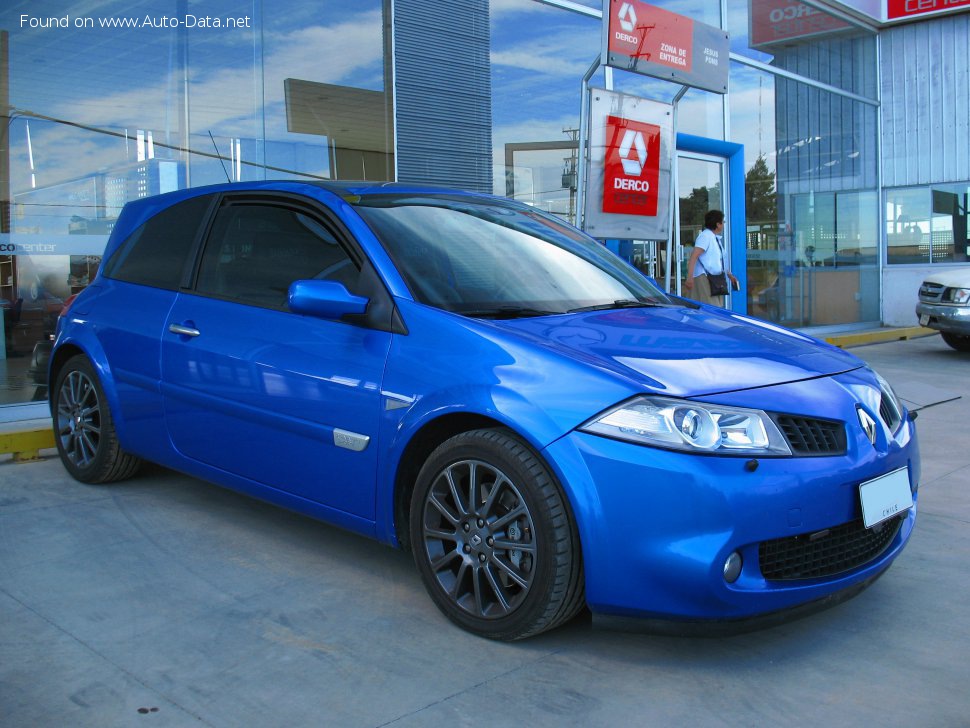
This specific variant, a three-door coupe, carved out a niche for buyers seeking a more stylish and sporty alternative to the conventional five-door hatchback or sedan. Powered by a naturally aspirated 2.0-liter 16-valve engine, it offered a blend of performance and everyday usability that was highly competitive within its segment. The Megane II was particularly recognized for its bold, unconventional styling, which set it apart from its rivals, and its strong emphasis on safety, a hallmark of Renault vehicles during this period. The Phase II updates aimed to refine this package, ensuring its continued relevance in a fiercely contested market.
Powertrain and Performance: The Renault Megane II Coupe (Phase II, 2006) 2.0 16V (135 Hp)
Engine Specifications and Output
At the heart of the Renault Megane II Coupe (Phase II, 2006) 2.0 16V (135 Hp) lies the venerable F4R engine, a 1998 cm³ (121.93 cu. in.) inline-four powerplant that has a long and storied history within the Renault lineup. This naturally aspirated unit, featuring a Double Overhead Camshaft (DOHC) valvetrain with four valves per cylinder, was designed for a balance of smooth power delivery and reasonable efficiency. It generates a respectable 135 horsepower (Hp) at 5500 rpm, providing ample motivation for the compact coupe. Torque output stands at 191 Nm (140.87 lb.-ft.) at 3750 rpm, ensuring a responsive feel in most driving conditions, especially in the mid-range. The engine’s multi-port manifold injection system ensures precise fuel delivery, contributing to its Euro 4 emission standard compliance.
Driving Dynamics
Mated to a six-speed manual transmission, the 2.0 16V engine sends its power to the front wheels, a typical layout for C-segment vehicles. This combination allows the Megane II Coupe to accelerate from 0 to 60 mph in a swift 8.7 seconds (calculated by Auto-Data.net), or 0 to 100 km/h in 9.2 seconds. Its top speed is rated at 200 km/h (124.27 mph), making it capable of comfortable highway cruising and occasional spirited driving. With a curb weight of 1230 kg (2711.69 lbs), the car boasts a weight-to-power ratio of 9.1 kg/Hp (109.8 Hp/tonne), which is competitive for its class. The fuel economy figures are also noteworthy for a naturally aspirated 2.0-liter engine from this era, with a combined cycle rating of 8 l/100 km (29.4 US mpg). This balance of performance and efficiency made it an attractive option for European drivers.
Design, Features, and Ergonomics
Exterior Styling and Phase II Enhancements
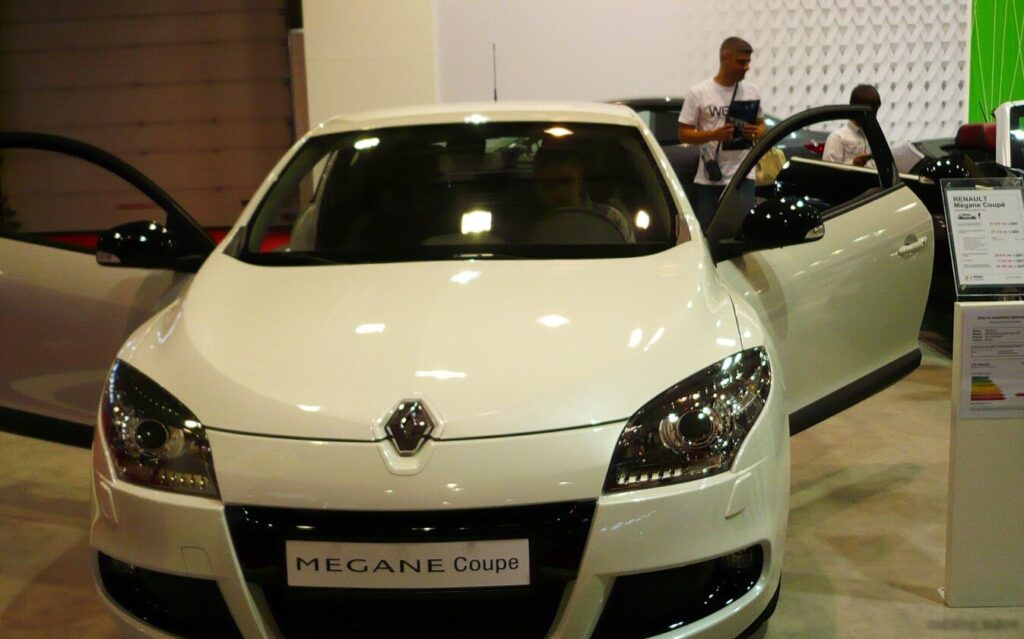
The Megane II generation, introduced in 2002, was a significant departure from conventional automotive styling, particularly with its distinctive “bustle-back” rear end on the hatchback models. The coupe variant, while sharing the bold front fascia and overall design language, adopted a more conventional yet still sporty profile. The Phase II update, introduced in 2006, brought subtle refinements to the exterior. These typically included revised headlights and taillights, a refreshed grille, and new bumper designs, aiming to keep the car’s aesthetic modern and appealing. The three-door coupe body offered a sleeker, more dynamic appearance than its five-door siblings, appealing to a younger demographic or those prioritizing style over absolute practicality. Its relatively low drag coefficient (Cd) of 0.35 contributed to both its performance and fuel efficiency.
Interior Layout and Amenities
Inside, the Megane II Coupe continued Renault’s focus on innovative design and user-friendliness. The cabin was characterized by its clean lines, comfortable seating for five, and a logical control layout. While specific luxury features varied by trim, standard amenities for a car of this segment in 2006 would typically include air conditioning, power windows, and a decent audio system. The Phase II refresh often brought updated trim materials, improved ergonomics, and potentially enhanced infotainment options. Despite its coupe designation, the Megane II offered a practical trunk (boot) space ranging from 330 liters (11.65 cu. ft.) to a maximum of 1190 liters (42.02 cu. ft.) with the rear seats folded, making it surprisingly versatile for its class.
Safety and Chassis
Safety was a paramount concern for Renault, and the Megane II was a pioneer in its time, famously being one of the first cars to achieve a full 5-star Euro NCAP crash test rating. The Phase II continued this legacy, incorporating features like ABS (Anti-lock Braking System) as standard, along with a comprehensive array of airbags. The chassis employed an independent McPherson strut setup at the front and a torsion beam axle at the rear, a common and effective combination for compact cars, providing a balance of ride comfort and handling agility. The steering system was a rack and pinion type with electric power steering, offering light effort for city driving and more feedback at higher speeds. Ventilated disc brakes up front and solid discs at the rear ensured confident stopping power, complemented by 205/55 R16 tires on 6.5J x 16 wheels.
Technical Specifications
| Category | Specification |
|---|---|
| General Information | |
| Brand | Renault |
| Model | Megane |
| Generation | Megane II Coupe (Phase II, 2006) |
| Type (Engine) | 2.0 16V (135 Hp) |
| Start of Production | 2006 year |
| End of Production | 2008 year |
| Powertrain Architecture | Internal Combustion engine |
| Body type | Coupe |
| Seats | 5 |
| Doors | 3 |
| Performance Specs | |
| Fuel Consumption (economy) – urban | 10.9 l/100 km (21.6 US mpg) |
| Fuel Consumption (economy) – extra urban | 6.4 l/100 km (36.8 US mpg) |
| Fuel Consumption (economy) – combined | 8 l/100 km (29.4 US mpg) |
| CO2 Emissions | 191 g/km |
| Fuel Type | Petrol (Gasoline) |
| Acceleration 0 – 60 mph | 8.7 sec |
| Acceleration 0 – 100 km/h | 9.2 sec |
| Maximum Speed | 200 km/h (124.27 mph) |
| Emission Standard | Euro 4 |
| Weight-to-power ratio | 9.1 kg/Hp (109.8 Hp/tonne) |
| Weight-to-torque ratio | 6.4 kg/Nm (155.3 Nm/tonne) |
| Engine Specs | |
| Power | 135 Hp @ 5500 rpm |
| Power per liter | 67.6 Hp/l |
| Torque | 191 Nm (140.87 lb.-ft.) @ 3750 rpm |
| Engine Layout | Front, Transverse |
| Engine Model/Code | F4R |
| Engine Displacement | 1998 cm³ (121.93 cu. in.) |
| Number of Cylinders | 4 |
| Engine Configuration | Inline |
| Cylinder Bore | 82.7 mm (3.26 in.) |
| Piston Stroke | 93 mm (3.66 in.) |
| Compression Ratio | 10:1 |
| Number of Valves per Cylinder | 4 |
| Fuel Injection System | Multi-port manifold injection |
| Engine Aspiration | Naturally aspirated engine |
| Valvetrain | DOHC |
| Engine Oil Capacity | 5.4 l (5.71 US qt) |
| Coolant Capacity | 6.5 l (6.87 US qt) |
| Space, Volume and Weights | |
| Kerb Weight | 1230 kg (2711.69 lbs) |
| Max. Weight | 1770 kg (3902.18 lbs) |
| Max Load | 540 kg (1190.5 lbs) |
| Trunk (boot) Space – minimum | 330 l (11.65 cu. ft.) |
| Trunk (boot) Space – maximum | 1190 l (42.02 cu. ft.) |
| Fuel Tank Capacity | 60 l (15.85 US gal) |
| Max. Roof Load | 80 kg (176.37 lbs) |
| Permitted Trailer Load with brakes (12%) | 1300 kg (2866.01 lbs) |
| Permitted Trailer Load without brakes | 650 kg (1433 lbs) |
| Permitted Towbar Download | 75 kg (165.35 lbs) |
| Dimensions | |
| Length | 4209 mm (165.71 in.) |
| Width | 1777 mm (69.96 in.) |
| Width including mirrors | 2026 mm (79.76 in.) |
| Height | 1458 mm (57.4 in.) |
| Wheelbase | 2625 mm (103.35 in.) |
| Front Track | 1518 mm (59.76 in.) |
| Rear (Back) Track | 1514 mm (59.61 in.) |
| Front Overhang | 842 mm (33.15 in.) |
| Rear Overhang | 742 mm (29.21 in.) |
| Drag Coefficient (Cd) | 0.35 |
| Minimum Turning Circle (turning diameter) | 10.5 m (34.45 ft.) |
| Drivetrain, Brakes and Suspension Specs | |
| Drivetrain Architecture | Front wheel drive, Internal Combustion engine |
| Drive Wheel | Front wheel drive |
| Number of Gears and Type of Gearbox | 6 gears, manual transmission |
| Front Suspension | Independent type McPherson |
| Rear Suspension | Torsion |
| Front Brakes | Ventilated discs |
| Rear Brakes | Disc |
| Assisting Systems | ABS (Anti-lock braking system) |
| Steering Type | Steering rack and pinion |
| Power Steering | Electric Steering |
| Tires Size | 205/55 R16 |
| Wheel Rims Size | 6.5J x 16 |
Legacy and Market Impact of the Renault Megane II Coupe (Phase II, 2006)
The Renault Megane II, including the Phase II Coupe, left a significant mark on the European automotive landscape. Its audacious design, particularly the distinctive rear styling of the hatchback, was a bold statement that divided opinion but undeniably captured attention. The coupe, while more conventionally proportioned, still benefited from the Megane II’s overall modern aesthetic and sophisticated engineering. It competed in the highly competitive C-segment against formidable rivals such as the Volkswagen Golf, Ford Focus, Opel Astra, and Peugeot 307.
Renault’s commitment to safety, highlighted by the Megane II’s pioneering 5-star Euro NCAP rating, was a major selling point and helped establish a new benchmark for occupant protection in the compact class. This reputation for safety, combined with its comfortable ride, decent performance, and distinctive style, contributed to the Megane II’s strong sales performance across Europe. The 2.0 16V (135 Hp) variant, specifically in its coupe form, appealed to those who desired a more engaging driving experience and a sportier aesthetic without sacrificing too much practicality or overall running costs.
While not known for groundbreaking technological innovations in the way some premium segment cars might be, the Megane II was well-equipped for its time, featuring modern amenities and driver aids like electric power steering and ABS. Its F4R engine was a reliable and proven unit, contributing to the car’s reputation for robustness. Despite its eventual replacement by the Megane III, the second-generation model, especially the Phase II, is remembered for its daring design, strong safety credentials, and its role in cementing Renault’s position as a major player in the European compact car market. For automotive enthusiasts outside of its primary markets, the Renault Megane II Coupe (Phase II, 2006) 2.0 16V (135 Hp) remains an intriguing example of European automotive design and engineering from the mid-2000s, showcasing a brand unafraid to challenge convention.