The Renault Megane III Coupe: A European Compact Sportster
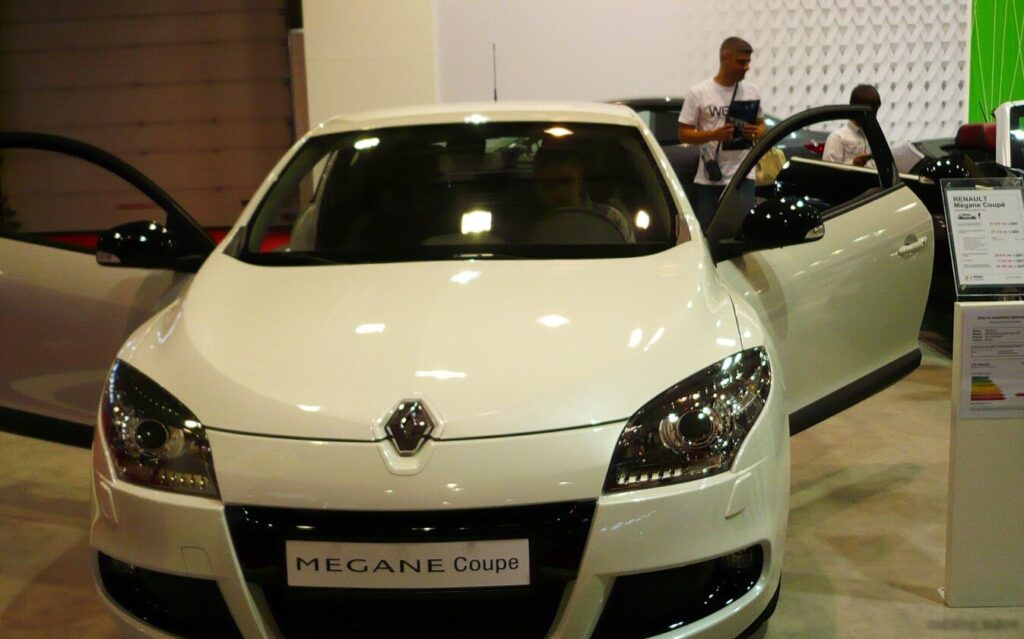
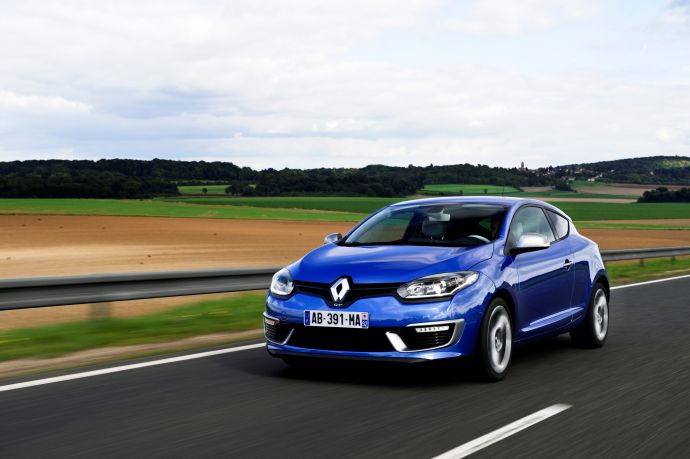
The Renault Megane III Coupe, specifically the Phase III model from 2014, represents a compelling chapter in Renault’s long-standing C-segment offering. This particular variant, equipped with the 1.2 Energy TCe (132 Hp) EDC Start&Stop powertrain, exemplifies the European trend towards downsized, turbocharged engines paired with efficient automatic transmissions. While the Renault Megane was never officially sold in the United States, it has been a cornerstone of the compact car market across Europe and other international territories, providing a stylish and practical option for a broad range of consumers. The Coupe variant, produced from 2014 to 2015 in its Phase III iteration, offered a sportier, more dynamic aesthetic compared to its hatchback and wagon siblings, aiming to attract buyers looking for a blend of everyday usability and engaging design.
As a modern compact car from the mid-2010s, the Megane III Coupe (Phase III) focused on delivering a balance of performance, fuel efficiency, and contemporary features. Its powertrain architecture, based on an internal combustion engine driving the front wheels, was a common and effective setup for its class. The 2014 refresh, known as Phase III, brought subtle but significant updates to the Megane line, ensuring it remained competitive in a fiercely contested segment. This article will delve into the technical specifications, design philosophies, and market impact of this specific and noteworthy European model, all while adhering to American English terminology for a comprehensive understanding.
Engine and Performance of the Renault Megane III Coupe
At the heart of this particular Renault Megane III Coupe lies the 1.2 Energy TCe engine, a prime example of Renault’s “Energy” strategy to combine robust performance with impressive fuel economy. This inline four-cylinder gasoline (petrol) engine, with an exact displacement of 1197 cm³ (approximately 1.2 liters or 73.05 cubic inches), is a sophisticated unit designated by the code H5F. It features a modern configuration with four valves per cylinder, optimizing airflow for combustion. The engine benefits significantly from a turbocharger and intercooler system, which allows this relatively small displacement engine to produce a remarkable 132 horsepower at 5500 rpm. This power output, translating to an impressive 110.3 horsepower per liter, underscores the efficiency of its forced induction system.
Torque delivery is equally impressive for an engine of this size, with 205 Newton-meters (151.2 lb.-ft.) available at a low 2000 rpm. This broad and accessible torque band ensures responsive acceleration and flexible driving characteristics, minimizing the need for frequent gear changes and enhancing the driving experience, particularly in urban environments. The power is managed by a 6-speed EDC (Efficient Dual Clutch) automatic transmission, a technology that provides the convenience of an automatic with the efficiency and direct feel often associated with manual gearboxes. The front, transverse engine layout drives the front wheels, a standard and effective configuration for compact cars, contributing to predictable handling and maximizing interior space.
Performance figures for the Megane III Coupe 1.2 Energy TCe are competitive within its segment. It accelerates from 0 to 60 mph in a calculated 9.2 seconds (0-100 km/h in 9.7 seconds) and can reach a top speed of 118 mph (190 km/h). These figures confirm its capability as a lively and engaging vehicle for everyday driving and highway cruising. Complementing its performance, the engine incorporates a Start&Stop system, a key feature for improving fuel efficiency and reducing emissions in stop-and-go traffic. This technology, combined with the efficient EDC transmission, helps the car achieve an excellent combined fuel economy of 42 US mpg (5.6 l/100 km), with urban consumption at 34.1 US mpg and extra-urban at 49 US mpg. The vehicle meets Euro 5 emission standards, with CO2 emissions rated at 130 g/km, highlighting Renault’s commitment to environmental responsibility.
Design and Features
The Renault Megane III Coupe stands out with its distinct and sporty design, a clear departure from the more utilitarian styling of its hatchback counterpart. As a 3-door coupe, it boasts a sleek silhouette, characterized by a lower roofline, sculpted body panels, and a more aggressive stance. The Phase III refresh in 2014 brought subtle refinements, typically including updated front fascias with new grille designs, revised headlights, and potentially minor tweaks to the rear lights and bumper, ensuring the car looked fresh and modern. Its length of 169.25 inches, width of 70.28 inches, and height of 56.02 inches contribute to its compact yet athletic proportions. The wheelbase measures 103.94 inches, providing a stable platform and contributing to passenger comfort.
Despite its coupe designation, the Megane III Coupe offers a surprising degree of practicality with seating for five occupants, a rare feature in many compact coupes that often prioritize a 2+2 layout. The interior design of the Megane III era was known for its ergonomic layout and quality materials, aiming for a comfortable and user-friendly cabin environment. For a car of its class and era, features like electric power steering provided ease of maneuverability, especially in tight European city streets, aided by a relatively tight minimum turning circle of 35.93 feet.
Cargo capacity is also respectable for a coupe, with a minimum trunk space of 12.15 cubic feet (344 liters), expandable to a generous 35 cubic feet (991 liters) with the rear seats folded down, making it capable of handling more than just daily commutes. Safety features include standard ABS (Anti-lock Braking System), a crucial system for maintaining steering control during hard braking. The suspension setup consists of an independent McPherson type at the front and a torsion beam at the rear, a common and cost-effective arrangement that provides a good balance of ride comfort and handling dynamics for a front-wheel-drive compact car. Braking is handled by ventilated discs at the front and solid discs at the rear, ensuring confident stopping power. The car rides on 205/55 R16 tires mounted on 6.5J x 16-inch wheel rims, providing a good balance between grip, ride comfort, and aesthetic appeal.
Technical Specifications
| Category | Specification | Value |
|---|---|---|
General Information |
||
| Brand | Renault | |
| Model | Megane | |
| Generation | Megane III Coupe (Phase III, 2014) | |
| Type (Engine) | 1.2 Energy TCe (132 Hp) EDC Start&Stop | |
| Start of Production | 2014 year | |
| End of Production | 2015 year | |
| Powertrain Architecture | Internal Combustion engine | |
| Body Type | Coupe | |
| Seats | 5 | |
| Doors | 3 | |
Performance Specs |
||
| Fuel Consumption (Economy) – urban | 6.9 l/100 km | 34.1 US mpg |
| Fuel Consumption (Economy) – extra urban | 4.8 l/100 km | 49 US mpg |
| Fuel Consumption (Economy) – combined | 5.6 l/100 km | 42 US mpg |
| CO2 Emissions | 130 g/km | |
| Fuel Type | Petrol (Gasoline) | |
| Acceleration 0 – 60 mph | 9.2 sec | |
| Acceleration 0 – 100 km/h | 9.7 sec | |
| Maximum Speed | 190 km/h | 118.06 mph |
| Emission Standard | Euro 5 | |
| Weight-to-Power Ratio | 9.1 kg/Hp | 109.5 Hp/tonne |
| Weight-to-Torque Ratio | 5.9 kg/Nm | 170.1 Nm/tonne |
Engine Specs |
||
| Power | 132 Hp @ 5500 rpm. | |
| Power per liter | 110.3 Hp/l | |
| Torque | 205 Nm @ 2000 rpm. | 151.2 lb.-ft. @ 2000 rpm. |
| Engine Layout | Front, Transverse | |
| Engine Model/Code | H5F | |
| Engine Displacement | 1197 cm3 | 73.05 cu. in. |
| Number of Cylinders | 4 | |
| Engine Configuration | Inline | |
| Cylinder Bore | 72.2 mm | 2.84 in. |
| Piston Stroke | 73.2 mm | 2.88 in. |
| Compression Ratio | 9.3:1 | |
| Number of Valves per Cylinder | 4 | |
| Fuel Injection System | Multi-port manifold injection | |
| Engine Aspiration | Turbocharger, Intercooler | |
| Engine Oil Capacity | 4.6 l | 4.86 US qt |
| Engine Systems | Start & Stop System | |
Space, Volume and Weights |
||
| Kerb Weight | 1205 kg | 2656.57 lbs. |
| Max. Weight | 1781 kg | 3926.43 lbs. |
| Max Load | 576 kg | 1269.86 lbs. |
| Trunk (Boot) Space – minimum | 344 l | 12.15 cu. ft. |
| Trunk (Boot) Space – maximum | 991 l | 35 cu. ft. |
| Fuel Tank Capacity | 60 l | 15.85 US gal |
Dimensions |
||
| Length | 4299 mm | 169.25 in. |
| Width | 1785 mm | 70.28 in. |
| Height | 1423 mm | 56.02 in. |
| Wheelbase | 2640 mm | 103.94 in. |
| Front Track | 1546 mm | 60.87 in. |
| Rear (Back) Track | 1547 mm | 60.91 in. |
| Front Overhang | 862 mm | 33.94 in. |
| Rear Overhang | 797 mm | 31.38 in. |
| Ride Height (Ground Clearance) | 120 mm | 4.72 in. |
| Minimum Turning Circle (Turning Diameter) | 10.95 m | 35.93 ft. |
Drivetrain, Brakes and Suspension Specs |
||
| Drivetrain Architecture | The Internal combustion engine (ICE) drives the front wheels of the vehicle. | |
| Drive Wheel | Front wheel drive | |
| Number of Gears and Type of Gearbox | 6 gears, automatic transmission EDC | |
| Front Suspension | Independent type McPherson | |
| Rear Suspension | Torsion | |
| Front Brakes | Ventilated discs | |
| Rear Brakes | Disc | |
| Assisting Systems | ABS (Anti-lock braking system) | |
| Steering Type | Steering rack and pinion | |
| Power Steering | Electric Steering | |
| Tires Size | 205/55 R16 91H | |
| Wheel Rims Size | 6.5J x 16 | |
Legacy and Market Impact
The Renault Megane series has consistently been a vital player in the highly competitive European C-segment, a market segment dominated by perennial bestsellers like the Volkswagen Golf and Ford Focus. The Megane III Coupe, and specifically the Phase III model with its 1.2 Energy TCe engine, carved out a niche by offering a blend of distinctive French styling, modern powertrain technology, and a focus on efficiency. While never achieving the outright sales volume of its hatchback sibling, the Coupe variant contributed significantly to the Megane’s overall appeal by providing a more emotive and sporty option for consumers who valued design and a slightly more engaging driving experience.
In its primary European market, the Megane III Coupe faced competition from other compact, sportier offerings. Key rivals included the Volkswagen Scirocco, which offered a premium and more performance-oriented coupe experience, and the Opel Astra GTC, another stylish 3-door variant of a mainstream compact. Less direct competition might have come from higher-trim versions of the Ford Focus or even smaller premium coupes like the BMW 1 Series Coupe, though the Megane typically offered a more accessible price point. The Megane’s reputation was built on its comfortable ride, distinctive styling, and increasingly, its efficient engines. The “Energy TCe” branding was crucial for Renault’s image, demonstrating their commitment to downsized, turbocharged engines that delivered strong performance while meeting tightening emissions regulations and consumer demand for lower running costs.
The introduction of the EDC (Efficient Dual Clutch) transmission in models like this Megane III Coupe also marked a significant technological step for Renault. It allowed them to offer an automatic option that was both smoother and more fuel-efficient than traditional torque-converter automatics, aligning with market trends towards more sophisticated and eco-friendly powertrains. The Start&Stop system further underscored this commitment to modern efficiency.
Historically, the Megane III Coupe represents a period when mainstream manufacturers were still heavily investing in diverse body styles within their compact car lines before the overwhelming shift towards SUVs and crossovers. Its existence allowed Renault to cater to a broader range of tastes, offering a design-led alternative that still retained a degree of practicality. The Phase III refresh ensured the Megane remained visually current and technologically relevant during its final years of production before the entirely new Megane IV generation took over. While it may not be a household name in the U.S., the Renault Megane III Coupe 1.2 Energy TCe (132 Hp) EDC Start&Stop stands as a testament to European automotive engineering, blending style, efficiency, and a touch of sportiness in a compact, front-wheel-drive package that was well-suited to its market. Its legacy is one of a stylish and smart choice within a highly competitive segment, showcasing Renault’s engineering prowess in developing efficient and refined powertrains for the everyday driver.