The Renault Megane III Coupe (Phase III, 2014) GT 2.0 dCi (165 Hp): A European Sporty Diesel Compact
The
Renault Megane III Coupe (Phase III, 2014) GT 2.0 dCi (165 Hp)
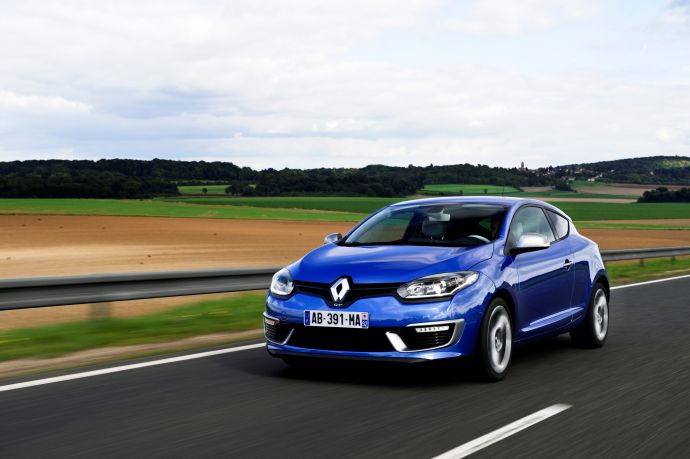
represents a compelling chapter in the history of Renault’s popular C-segment compact car, specifically catering to the European market’s affinity for stylish, performance-oriented diesel vehicles. Introduced as part of the third-generation Megane’s final facelift, or “Phase III,” this particular GT variant, produced from 2014 to 2016, combined the sleek aesthetics of a three-door coupe with the robust efficiency of a powerful diesel engine. While the Megane was a ubiquitous sight across European roads, this GT 2.0 dCi model carved out a niche for drivers seeking a blend of sporty handling, sophisticated design, and impressive fuel economy, a combination not typically seen in the North American automotive landscape. It stood as a testament to Renault’s commitment to offering diverse powertrain options within a visually appealing package, emphasizing dynamic driving characteristics without sacrificing everyday usability and economic running costs.
Engine and Performance: The Heart of the
Renault Megane III Coupe (Phase III, 2014) GT 2.0 dCi (165 Hp)
Under the hood of the
Renault Megane III Coupe (Phase III, 2014) GT 2.0 dCi (165 Hp)
lay a highly regarded 2.0-liter (1995 cm³ or 121.74 cu. in.) M9R inline four-cylinder turbodiesel engine. This powertrain was engineered to deliver a potent mix of power and torque, making the GT a surprisingly quick and responsive vehicle for its class. It produced a respectable 165 horsepower at 3750 rpm, translating to a power-per-liter output of 82.7 HP/l. More significantly for a diesel, it generated a substantial 280.27 lb.-ft. (380 Nm) of torque, readily available at a low 2000 rpm. This ample torque ensured strong acceleration from a standstill and effortless overtaking maneuvers on the highway.
The engine’s advanced design incorporated a turbocharger and intercooler, along with a common rail diesel fuel injection system, optimizing combustion efficiency and reducing emissions. A compression ratio of 15.1:1 further enhanced the engine’s diesel characteristics. Power was channeled to the front wheels via a precise 6-speed manual transmission, offering drivers an engaging and direct connection to the car’s performance. This setup allowed the Megane GT 2.0 dCi to accelerate from 0 to 60 mph in a brisk 8.4 seconds (8.8 seconds for 0-100 km/h) and reach a maximum speed of 133.59 mph (215 km/h).
Despite its performance credentials, fuel efficiency remained a key strength. The GT 2.0 dCi boasted impressive fuel economy figures, achieving 31.4 US mpg in urban driving, an outstanding 47 US mpg on the highway, and a combined average of 39.9 US mpg (5.9 l/100 km). These figures were particularly appealing to European consumers facing higher fuel costs. With CO2 emissions of 145 g/km, the vehicle met the Euro 5 emission standard, reflecting Renault’s commitment to environmental considerations at the time. The inclusion of a particulate filter further underscored its compliance with stringent European regulations.
Design and Features
The
Renault Megane III Coupe (Phase III, 2014) GT 2.0 dCi (165 Hp)
distinguished itself with a sleek, three-door coupe body style that exuded a sporty and dynamic presence. Measuring 169.25 inches in length, 70.28 inches in width, and 56.02 inches in height, the Megane Coupe had a compact yet muscular stance. Its design language, refined through the Phase III facelift, featured sharper lines, a more prominent grille, and updated lighting signatures that gave it a contemporary appeal. The GT trim specifically added further visual enhancements, such as unique alloy wheels (8J x 18 with 225/40 R18 92Y tires), specific badging, and potentially sportier bumpers, differentiating it from standard Megane models.
Inside, the Megane GT Coupe offered a driver-focused cockpit with seating for five, though the rear seats, typical for a coupe, were best suited for shorter journeys or smaller passengers. Renault prioritized ergonomics and material quality within the cabin. Features included an electric power steering system with rack and pinion steering, offering precise feedback. Safety was a core consideration, with standard features like ABS (Anti-lock Braking System) ensuring controlled braking performance. The car’s suspension system, featuring an independent MacPherson type at the front and a torsion beam at the rear, provided a balanced ride that combined comfort with agile handling. Braking was handled by ventilated discs at the front and solid discs at the rear, offering confident stopping power.
Practicality was also considered, with a trunk capacity ranging from 12.15 cu. ft. (344 liters) to a maximum of 35 cu. ft. (991 liters) with the rear seats folded, making it suitable for daily errands or weekend trips. A fuel tank capacity of 15.85 US gallons (60 liters) contributed to a decent cruising range, especially given the excellent diesel economy. The Megane Coupe’s design was a clear statement in the European market, appealing to those who desired a stylish, compact vehicle with a hint of sportiness and robust engineering.
Technical Specifications:
Renault Megane III Coupe (Phase III, 2014) GT 2.0 dCi (165 Hp)
| Category | Specification |
|---|---|
| General Information | |
| Brand | Renault |
| Model | Megane |
| Generation | Megane III Coupe (Phase III, 2014) |
| Type (Engine) | GT 2.0 dCi (165 Hp) |
| Start of Production | 2014 year |
| End of Production | 2016 year |
| Powertrain Architecture | Internal Combustion engine |
| Body type | Coupe |
| Seats | 5 |
| Doors | 3 |
| Performance Specs | |
| Fuel consumption (economy) – urban | 7.5 l/100 km (31.4 US mpg) |
| Fuel consumption (economy) – extra urban | 5 l/100 km (47 US mpg) |
| Fuel consumption (economy) – combined | 5.9 l/100 km (39.9 US mpg) |
| CO2 emissions | 145 g/km |
| Fuel Type | Diesel |
| Acceleration 0 – 60 mph | 8.4 sec |
| Acceleration 0 – 100 km/h | 8.8 sec |
| Maximum speed | 215 km/h (133.59 mph) |
| Emission standard | Euro 5 |
| Weight-to-power ratio | 8.6 kg/Hp (115.9 Hp/tonne) |
| Weight-to-torque ratio | 3.7 kg/Nm (266.9 Nm/tonne) |
| Engine Specs | |
| Power | 165 Hp @ 3750 rpm |
| Power per liter | 82.7 Hp/l |
| Torque | 380 Nm @ 2000 rpm (280.27 lb.-ft. @ 2000 rpm) |
| Engine layout | Front, Transverse |
| Engine Model/Code | M9R |
| Engine displacement | 1995 cm³ (121.74 cu. in.) |
| Number of cylinders | 4 |
| Engine configuration | Inline |
| Cylinder Bore | 84 mm (3.31 in.) |
| Piston Stroke | 90 mm (3.54 in.) |
| Compression ratio | 15.1:1 |
| Number of valves per cylinder | 4 |
| Fuel injection system | Diesel Commonrail |
| Engine aspiration | Turbocharger, Intercooler |
| Engine oil capacity | 7.4 l (7.82 US qt) |
| Coolant capacity | 7.2 l (7.61 US qt) |
| Engine systems | Particulate filter |
| Space, Volume and Weights | |
| Kerb Weight | 1424 kg (3139.38 lbs.) |
| Max. weight | 1914 kg (4219.65 lbs.) |
| Max load | 490 kg (1080.27 lbs.) |
| Trunk (boot) space – minimum | 344 l (12.15 cu. ft.) |
| Trunk (boot) space – maximum | 991 l (35 cu. ft.) |
| Fuel tank capacity | 60 l (15.85 US gal) |
| Max. roof load | 80 kg (176.37 lbs.) |
| Permitted trailer load with brakes (12%) | 1600 kg (3527.4 lbs.) |
| Permitted trailer load without brakes | 715 kg (1576.31 lbs.) |
| Permitted towbar download | 75 kg (165.35 lbs.) |
| Dimensions | |
| Length | 4299 mm (169.25 in.) |
| Width | 1785 mm (70.28 in.) |
| Height | 1423 mm (56.02 in.) |
| Wheelbase | 2640 mm (103.94 in.) |
| Front track | 1546 mm (60.87 in.) |
| Rear (Back) track | 1547 mm (60.91 in.) |
| Front overhang | 862 mm (33.94 in.) |
| Rear overhang | 797 mm (31.38 in.) |
| Ride height (ground clearance) | 120 mm (4.72 in.) |
| Minimum turning circle (turning diameter) | 11.05 m (36.25 ft.) |
| Drivetrain, Brakes and Suspension Specs | |
| Drivetrain Architecture | The Internal combustion engine (ICE) drives the front wheels of the vehicle. |
| Drive wheel | Front wheel drive |
| Number of gears and type of gearbox | 6 gears, manual transmission |
| Front suspension | Independent type McPherson |
| Rear suspension | Torsion |
| Front brakes | Ventilated discs |
| Rear brakes | Disc |
| Assisting systems | ABS (Anti-lock braking system) |
| Steering type | Steering rack and pinion |
| Power steering | Electric Steering |
| Tires size | 225/40 R18 92Y |
| Wheel rims size | 8J x 18 |
Legacy and Market Impact
The
Renault Megane III Coupe (Phase III, 2014) GT 2.0 dCi (165 Hp)
played a significant role within Renault’s diverse lineup and the highly competitive European C-segment. In a market dominated by stalwarts like the Volkswagen Golf, Ford Focus, and Opel Astra, the Megane consistently offered a distinct French alternative, often praised for its bold styling and comfortable ride. The coupe variant, in particular, provided a more emotionally driven choice, appealing to individuals or smaller families who prioritized aesthetics and driving engagement over ultimate practicality.
The GT 2.0 dCi model specifically targeted a niche audience: those who desired the performance and handling characteristics associated with a “Grand Tourer” badge but also demanded the superior fuel efficiency and torque delivery of a modern diesel engine. This combination was a hallmark of European automotive trends, where high-performance diesels were (and to some extent, still are) highly valued for their ability to cover long distances economically yet swiftly. Its impressive 39.9 US mpg combined fuel economy, coupled with a 0-60 mph time under 8.5 seconds, made it a compelling proposition against both gasoline-powered rivals and less powerful diesel alternatives.
Competitors for the Megane GT 2.0 dCi Coupe would have included models like the Opel Astra GTC, Peugeot 308 Coupe (if available in a similar spec), and potentially entry-level versions of premium compact coupes from brands like Audi or BMW, though at a significantly different price point. The Megane’s strength lay in offering a distinctive design and strong performance-to-economy ratio at a more accessible price.
Historically, the Megane III Coupe, especially in its GT guise, reinforced Renault’s reputation for producing cars with character and innovative design. While not a volume seller on the scale of its five-door hatchback sibling, the coupe variant contributed to the Megane’s overall image as a versatile and stylish compact vehicle. Its mechanical robustness, particularly the M9R diesel engine, which was widely used across various Renault and Nissan models, earned it a reputation for reliability. The Megane III’s production run concluded in 2016, paving the way for the fourth-generation Megane, which continued Renault’s evolution in design and technology, albeit without a dedicated three-door coupe body style, making the Megane III Coupe a distinct and memorable offering in its segment. Its legacy is that of a stylish, efficient, and engaging European compact that perfectly encapsulated the spirit of its era.