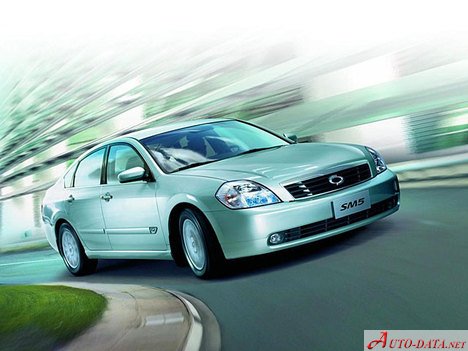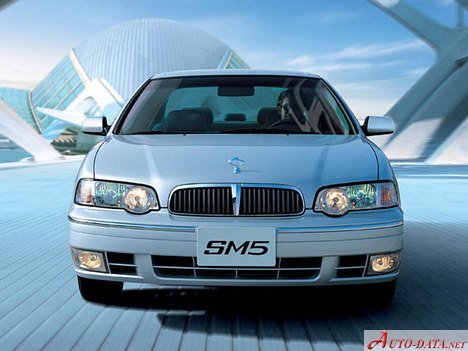
The Renault Samsung SM5 I 520i (143 Hp) represents a significant chapter in the history of the South Korean automotive industry, emerging as a rebadged and locally manufactured version of the highly regarded Nissan Cefiro (known as the Maxima in some markets, particularly the A32 generation). Launched in 1998, this mid-size sedan quickly established itself as a cornerstone of the Renault Samsung Motors lineup, a joint venture that sought to combine the engineering prowess of Nissan with a strong localized presence. Positioned as a premium offering in its segment, the SM5 I targeted discerning customers in the South Korean market, providing a blend of Japanese reliability, comfort, and a distinctive local identity. Its production spanned from 1998 to 2005, during which it became synonymous with durability and value, largely owing to its robust underpinnings and proven powertrain.
Engine and Performance of the Renault Samsung SM5 I 520i (143 Hp)
At the heart of the Renault Samsung SM5 I 520i (143 Hp) lay a powertrain renowned for its longevity and smooth operation: the Nissan SR20DE engine. This 2.0-liter (1998 cm³ or 121.93 cu. in.) naturally aspirated, inline four-cylinder engine was a testament to Nissan’s engineering excellence, featuring a Double Overhead Camshaft (DOHC) valvetrain and four valves per cylinder. Power output for this specific variant was a respectable 143 horsepower, achieved at a high 6000 revolutions per minute, indicative of its free-revving nature. Torque figures stood at 133.5 lb.-ft. (181 Nm), also peaking at 6000 rpm, providing a lively, if not overly aggressive, driving experience suitable for its intended market.
The engine’s architecture was a front, transverse layout, driving the front wheels through a standard 5-speed manual transmission. This configuration contributed to efficient packaging and predictable handling characteristics. With a compression ratio of 10:1 and a multi-port manifold injection system, the SR20DE was designed for optimal combustion using gasoline fuel. The engine’s bore and stroke were both 86 mm (3.39 inches), suggesting a square design that typically balances power and torque characteristics across the rev range. This robust engine, with an oil capacity of 3.7 liters (3.91 US quarts), was known for its mechanical resilience, contributing significantly to the SM5 I’s reputation for reliability.
In terms of outright performance, the Renault Samsung SM5 I 520i was capable of reaching a maximum speed of 126.14 mph (203 km/h). While not a sports sedan, its performance was more than adequate for daily driving and highway cruising, offering a comfortable and stable ride. The power-to-weight ratio was 10.1 kg/Hp (approximately 22.27 lbs/Hp), translating to 99 Hp per tonne, which placed it competitively within its segment for the late 1990s and early 2000s. The torque-to-weight ratio of 8 kg/Nm (approximately 17.64 lbs/Nm) further underlined its capability to move its 3185.68 lbs (1445 kg) curb weight with relative ease.
Design and Features of the Renault Samsung SM5 I
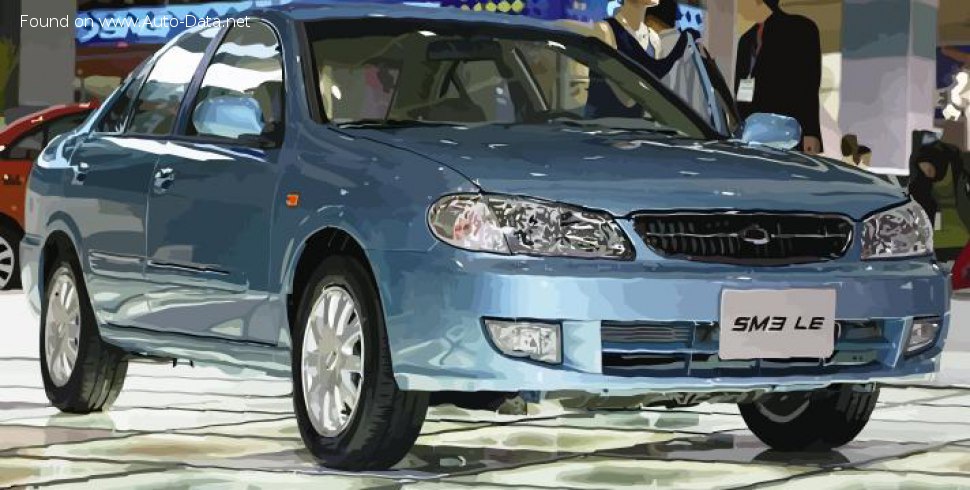
The design philosophy behind the Renault Samsung SM5 I was one of understated elegance and functional practicality, directly inheriting the tasteful lines of its Nissan Cefiro A32 donor. It presented as a classic four-door, five-seat sedan, a popular body style in its primary market. Its exterior dimensions were substantial for its class, with a length of 190.75 inches (4845 mm), a width of 70.28 inches (1785 mm), and a height of 56.1 inches (1425 mm). These generous dimensions translated into a spacious cabin and a commanding road presence, attributes highly valued by consumers in the mid-size sedan segment.
The car’s profile was characterized by smooth, flowing lines, a relatively low beltline, and expansive glass areas, contributing to excellent outward visibility and an airy interior feel. The front fascia, while subtly revised for the Renault Samsung brand, retained the elegant headlamp design and grille common to its Nissan counterpart. The 106.3-inch (2700 mm) wheelbase was a key factor in providing a comfortable and stable ride, minimizing pitching and yawing motions, especially on longer journeys. Front and rear tracks measured 59.84 inches (1520 mm) and 59.06 inches (1500 mm), respectively, ensuring a solid stance and contributing to stable handling.
Inside, the SM5 I emphasized comfort and ergonomic design. While specific interior features like climate control or infotainment systems are not detailed in the provided data, a vehicle of this caliber from its era would typically offer amenities such as power windows, central locking, and a competent audio system. Seating for five occupants was standard, with a focus on plush materials and supportive cushioning for extended comfort. The trunk capacity was a practical 15.54 cu. ft. (440 liters), making it suitable for family trips or significant cargo hauling. The fuel tank capacity was 17.17 US gallons (65 liters), offering a good range between fill-ups.
Underneath its refined exterior, the SM5 I featured a suspension system designed for comfort and predictable handling. The front utilized a wishbone setup, known for its ability to provide precise wheel control and a compliant ride. The rear suspension employed coil springs, a common and effective solution for balancing ride comfort with load-carrying capability. Braking performance was handled by ventilated discs at the front and solid discs at the rear, a robust setup for a vehicle of its size and performance. Steering was a rack and pinion system, enhanced with hydraulic power steering, offering a comfortable and responsive steering feel. The car rode on 205/65 R15 tires mounted on 15-inch wheel rims, a common specification for sedans of its era, balancing grip, comfort, and tire availability.
Market Context and Legacy of the Renault Samsung SM5 I
The Renault Samsung SM5 I 520i (143 Hp) carved out a distinct niche in the highly competitive South Korean automotive market. Its introduction under the Renault Samsung brand, a partnership between the French automaker Renault and the South Korean conglomerate Samsung, was a strategic move to leverage established, reliable platforms while developing a localized brand identity. By utilizing the proven Nissan Cefiro A32 platform, the SM5 I benefited from years of development and refinement, inheriting a reputation for engineering quality and durability that resonated with Korean consumers.
During its production run from 1998 to 2005, the SM5 I competed against domestic rivals such as the Hyundai Sonata and Kia Optima (Magentis), as well as other imported models. Its key selling points included its robust build quality, the quiet and smooth operation of its Nissan-derived engine, and a comfortable, spacious interior. For many South Korean buyers, the SM5 I represented a sophisticated and reliable alternative, often perceived to offer a higher level of refinement and dependability than some of its contemporaries. The emphasis on quality and a comfortable driving experience helped it establish a loyal customer base and contribute significantly to the nascent Renault Samsung brand’s credibility.
The legacy of the SM5 I extends beyond its sales figures; it played a crucial role in establishing Renault Samsung Motors as a serious contender in the South Korean market. It demonstrated the success of combining international automotive expertise with local manufacturing and marketing strategies. Its enduring reputation for reliability meant many examples remained on the road for well over a decade, a testament to its fundamental engineering. The SM5 I laid the groundwork for subsequent generations of the SM5 and other Renault Samsung models, cementing the brand’s position and demonstrating the long-term value of a well-engineered platform. It stands as a prime example of a successful automotive venture that skillfully adapted a global product for specific regional market demands, offering a compelling blend of performance, comfort, and durability.
Technical Specifications: Renault Samsung SM5 I 520i (143 Hp)
| Brand | Renault Samsung |
| Model | SM5 |
| Generation | SM5 I |
| Type (Engine) | 520i (143 Hp) |
| Start of production | 1998 year |
| End of production | 2005 year |
| Powertrain Architecture | Internal Combustion engine |
| Body type | Sedan |
| Seats | 5 |
| Doors | 4 |
| Performance specs | |
| Fuel Type | Petrol (Gasoline) |
| Maximum speed | 126.14 mph (203 km/h) |
| Weight-to-power ratio | 22.27 lbs/Hp (10.1 kg/Hp) |
| Weight-to-torque ratio | 17.64 lbs/Nm (8 kg/Nm) |
| Engine specs | |
| Power | 143 Hp @ 6000 rpm |
| Power per liter | 71.6 Hp/l |
| Torque | 133.5 lb.-ft. @ 6000 rpm (181 Nm @ 6000 rpm) |
| Engine layout | Front, Transverse |
| Engine Model/Code | SR20DE |
| Engine displacement | 2.0 l (1998 cm³ / 121.93 cu. in.) |
| Number of cylinders | 4 |
| Engine configuration | Inline |
| Cylinder Bore | 3.39 in. (86 mm) |
| Piston Stroke | 3.39 in. (86 mm) |
| Compression ratio | 10:1 |
| Number of valves per cylinder | 4 |
| Fuel injection system | Multi-port manifold injection |
| Engine aspiration | Naturally aspirated engine |
| Valvetrain | DOHC |
| Engine oil capacity | 3.91 US qt (3.7 l) |
| Space, Volume and weights | |
| Kerb Weight | 3185.68 lbs. (1445 kg) |
| Max. weight | 3880.14 lbs. (1760 kg) |
| Max load | 694.46 lbs. (315 kg) |
| Trunk (boot) space – minimum | 15.54 cu. ft. (440 l) |
| Fuel tank capacity | 17.17 US gal (65 l) |
| Dimensions | |
| Length | 190.75 in. (4845 mm) |
| Width | 70.28 in. (1785 mm) |
| Height | 56.1 in. (1425 mm) |
| Wheelbase | 106.3 in. (2700 mm) |
| Front track | 59.84 in. (1520 mm) |
| Rear (Back) track | 59.06 in. (1500 mm) |
| Drivetrain, brakes and suspension specs | |
| Drivetrain Architecture | The Internal combustion engine (ICE) drives the front wheels of the vehicle. |
| Drive wheel | Front wheel drive |
| Number of gears and type of gearbox | 5 gears, manual transmission |
| Front suspension | Wishbone |
| Rear suspension | Coil spring |
| Front brakes | Ventilated discs |
| Rear brakes | Disc |
| Steering type | Steering rack and pinion |
| Power steering | Hydraulic Steering |
| Tires size | 205/65 R15 |
| Wheel rims size | 15 |