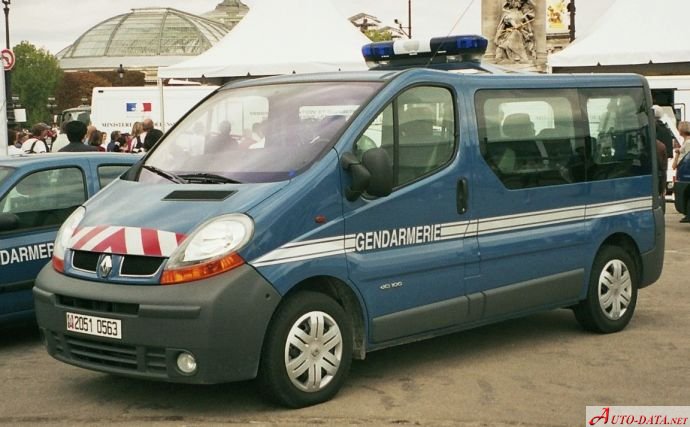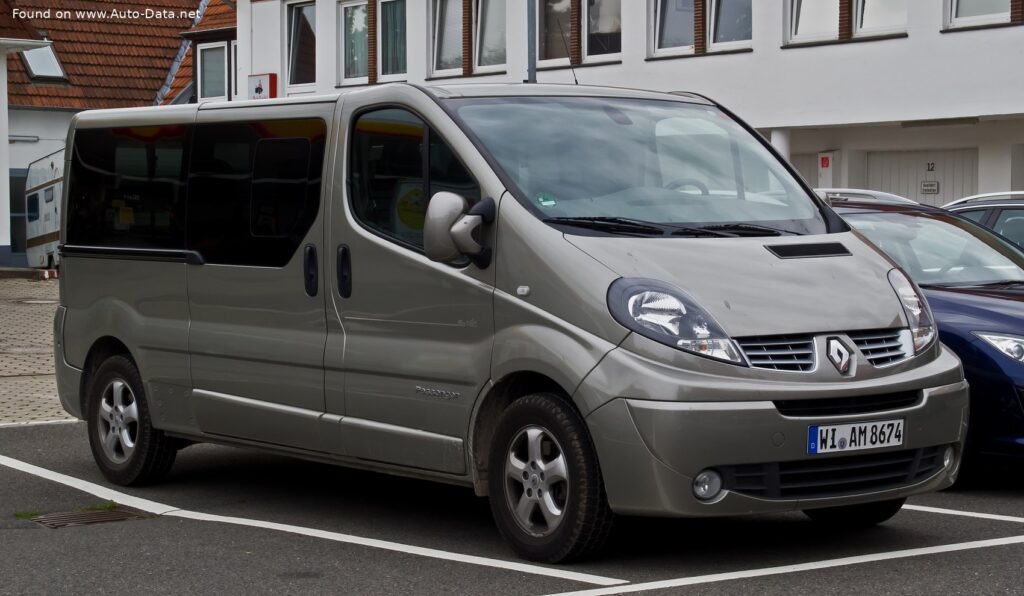
The Renault Trafic II (Phase II) 2.0 dCi (115 Hp) L2H1 is a light commercial vehicle produced by the French manufacturer Renault from 2006 to 2013. Part of the second generation of the Trafic line, the Phase II update brought refinements to the engine, interior, and exterior styling. Primarily sold in Europe, the Trafic occupies the mid-size van segment, competing with vehicles like the Volkswagen Transporter, Ford Transit, and Mercedes-Benz Vito. It served as a versatile platform for both commercial and passenger applications, offering a balance of practicality, efficiency, and affordability. The “L2H1” designation refers to the vehicle’s body length (L2 – long wheelbase) and roof height (H1 – standard roof).
Renault Trafic II (Phase II): Overview and Market Position
The Renault Trafic, in its second generation, was designed to cater to a broad range of users, from tradespeople needing a reliable workhorse to families seeking a spacious and adaptable people carrier. While not officially sold in the United States, the Trafic and its platform siblings (Opel/Vauxhall Vivaro and Nissan Primastar) were popular choices in Europe for their robust construction, relatively low running costs, and customizable configurations. The Phase II update focused on improving the already successful formula, with a particular emphasis on enhancing the diesel engine’s performance and reducing emissions. The Trafic’s popularity stemmed from its ability to offer a compelling alternative to larger, more expensive vans, while still providing ample cargo space and a comfortable driving experience.
Engine & Performance
The Renault Trafic II (Phase II) 2.0 dCi (115 Hp) L2H1 is powered by a 2.0-liter, four-cylinder diesel engine, designated M9R. This engine produces 115 horsepower at 3500 rpm and 290 Nm (213.89 lb.-ft.) of torque at 1600 rpm. The engine utilizes a diesel commonrail fuel injection system and is equipped with a turbocharger and intercooler to optimize performance and efficiency. Power per liter is rated at 57.6 hp/l. The engine’s torque output provides ample pulling power for carrying heavy loads, while the turbocharger ensures responsive acceleration. The drivetrain is front-wheel drive, and power is delivered through a six-speed manual transmission. The weight-to-power ratio is 17.3 kg/Hp (58 Hp/tonne), and the weight-to-torque ratio is 6.8 kg/Nm (146.2 Nm/tonne). Fuel economy figures are rated at 9.3 l/100 km (25.3 US mpg, 30.4 UK mpg, 10.8 km/l) in urban conditions, 6.7 l/100 km (35.1 US mpg, 42.2 UK mpg, 14.9 km/l) on the extra-urban cycle, and 7.6 l/100 km (30.9 US mpg, 37.2 UK mpg, 13.2 km/l) combined.
Design & Features
The Renault Trafic II (Phase II) L2H1 is a four-door minivan with a seating capacity of up to eight passengers. Its body style is characterized by a functional and utilitarian design, prioritizing cargo space and practicality. The L2 wheelbase provides a longer cargo area compared to the standard wheelbase version, while the H1 roof height offers a reasonable compromise between interior volume and overall vehicle height. The Phase II update included minor cosmetic changes, such as revised front grille and headlight designs, as well as updated interior trim materials. Standard safety features included ABS (Anti-lock Braking System). The interior is designed with durability and ease of cleaning in mind, featuring hard-wearing plastics and a straightforward layout. The vehicle’s dimensions are: length 5182 mm (204.02 in.), width 1904 mm (74.96 in.), and height 1960 mm (77.17 in.). The wheelbase measures 3498 mm (137.72 in.), with a front track of 1615 mm (63.58 in.) and a rear track of 1630 mm (64.17 in.).
Technical Specifications
| Brand | Renault |
| Model | Trafic |
| Generation | Trafic II (Phase II) |
| Type (Engine) | 2.0 dCi (115 Hp) L2H1 |
| Start of production | 2006 |
| End of production | 2013 |
| Powertrain Architecture | Internal Combustion engine |
| Body type | Minivan |
| Seats | 8 |
| Doors | 4 |
| Fuel consumption (urban) | 9.3 l/100 km (25.3 US mpg, 30.4 UK mpg, 10.8 km/l) |
| Fuel consumption (extra urban) | 6.7 l/100 km (35.1 US mpg, 42.2 UK mpg, 14.9 km/l) |
| Fuel consumption (combined) | 7.6 l/100 km (30.9 US mpg, 37.2 UK mpg, 13.2 km/l) |
| Fuel Type | Diesel |
| Weight-to-power ratio | 17.3 kg/Hp (58 Hp/tonne) |
| Weight-to-torque ratio | 6.8 kg/Nm (146.2 Nm/tonne) |
| Power | 115 Hp @ 3500 rpm |
| Power per litre | 57.6 Hp/l |
| Torque | 290 Nm @ 1600 rpm (213.89 lb.-ft. @ 1600 rpm) |
| Engine layout | Front, Transverse |
| Engine Model/Code | M9R |
| Engine displacement | 1996 cm3 (121.8 cu. in.) |
| Number of cylinders | 4 |
| Engine configuration | Inline |
| Number of valves per cylinder | 4 |
| Fuel injection system | Diesel Commonrail |
| Engine aspiration | Turbocharger, Intercooler |
| Engine oil capacity | 6.6 l (6.97 US qt | 5.81 UK qt) |
| Coolant capacity | 6.3 l (6.66 US qt | 5.54 UK qt) |
| Kerb Weight | 1984 kg (4373.97 lbs.) |
| Max. weight | 3055 kg (6735.12 lbs.) |
| Max load | 1071 kg (2361.15 lbs.) |
| Fuel tank capacity | 90 l (23.78 US gal | 19.8 UK gal) |
| Length | 5182 mm (204.02 in.) |
| Width | 1904 mm (74.96 in.) |
| Height | 1960 mm (77.17 in.) |
| Wheelbase | 3498 mm (137.72 in.) |
| Front track | 1615 mm (63.58 in.) |
| Rear track | 1630 mm (64.17 in.) |
| Drivetrain Architecture | Front wheel drive |
| Number of gears | 6 |
| Gearbox type | Manual transmission |
| Assisting systems | ABS (Anti-lock braking system) |
| Steering type | Steering rack and pinion |
| Wheel rims size | 16 |
The Renault Trafic II (Phase II) 2.0 dCi (115 Hp) L2H1 represents a practical and efficient light commercial vehicle that enjoyed considerable success in the European market. Its combination of a capable diesel engine, spacious interior, and reasonable running costs made it a popular choice for businesses and families alike.