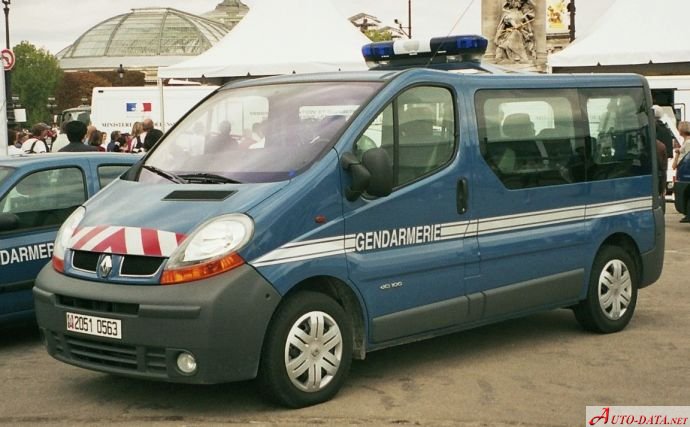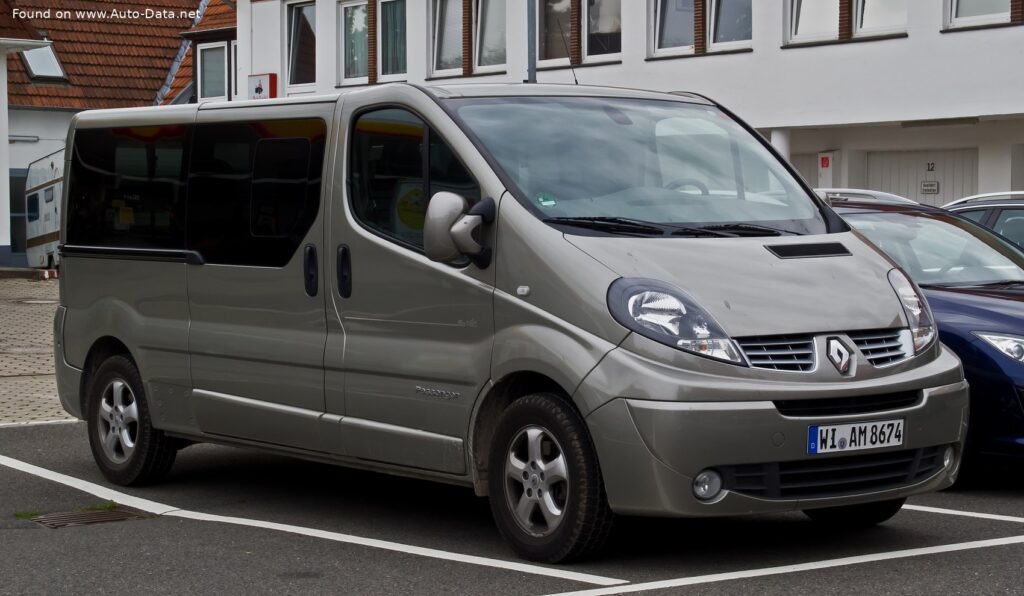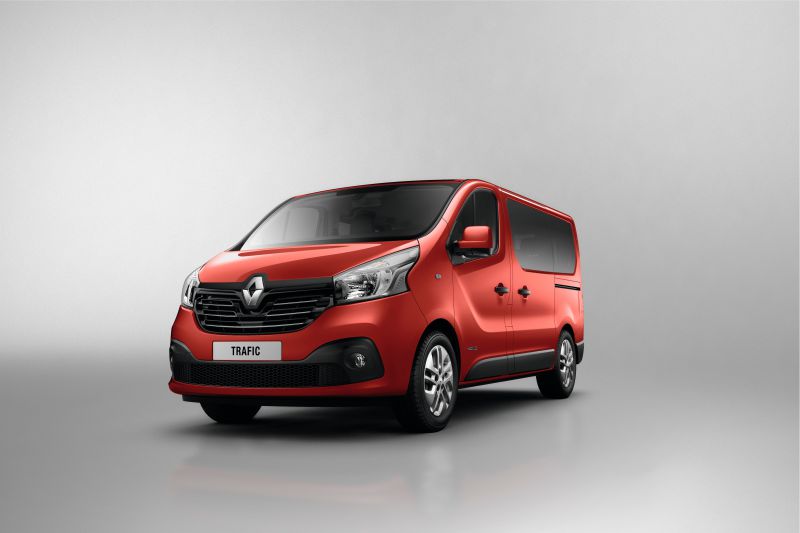
The Renault Trafic III 1.6 dCi (115 Hp) L1H1 is a light commercial vehicle produced by the French manufacturer Renault from 2014 to 2015. Part of the third generation of the Trafic, this model is a popular choice in Europe as a versatile van catering to both commercial and passenger transport needs. The “L1H1” designation refers to the vehicle’s body length and roof height – a shorter wheelbase and lower roof configuration, making it more maneuverable and suitable for urban environments. While not officially sold in the United States, the Trafic represents a significant segment of the European van market, competing with vehicles like the Volkswagen Transporter and Ford Transit.
Renault Trafic III: Overview and Market Position
The Trafic III, launched in 2014, represented a substantial upgrade over its predecessor, offering improved fuel efficiency, enhanced safety features, and a more comfortable driving experience. Renault collaborated with Nissan and Opel/Vauxhall on this generation, resulting in shared platforms and components. This collaboration allowed for economies of scale and broadened the vehicle’s market reach. The 1.6 dCi engine variant, producing 115 horsepower, was a key offering, balancing performance with fuel economy for a wide range of applications. In Europe, the Trafic is commonly used for delivery services, tradespeople, and as a passenger carrier (Combi versions), offering a practical and cost-effective transportation solution.
Engine & Performance
The Renault Trafic III 1.6 dCi (115 Hp) L1H1 is powered by a 1.6-liter inline-four cylinder diesel engine, designated the R9M. This engine produces 115 horsepower at 3500 rpm and 300 Nm (221.27 lb.-ft.) of torque at 1500 rpm. The engine utilizes a turbocharger and intercooler to optimize performance and efficiency. Power is delivered to the front wheels via a six-speed manual transmission. The engine’s relatively high torque output at low engine speeds makes it well-suited for carrying loads and navigating varied terrain. Fuel economy is a strong point, with combined cycle consumption rated at 6.6 l/100 km (35.6 US mpg), and CO2 emissions of 174 g/km, meeting Euro 5 emission standards. The engine’s power-to-weight ratio is 16.5 kg/Hp, and torque-to-weight ratio is 6.3 kg/Nm, contributing to its responsive driving characteristics. Maximum speed is electronically limited to 168 km/h (104.39 mph).
Design & Features
The Trafic III L1H1 is a four-door minivan configuration, capable of seating up to nine passengers. Its body style is characterized by a functional and modern design, prioritizing practicality and cargo space. The L1H1 variant’s compact dimensions – a length of 4999 mm (196.81 in) and a height of 1971 mm (77.6 in) – make it easier to maneuver in congested urban areas compared to larger van models. The interior is designed with durability and functionality in mind, featuring robust materials and a practical layout. Standard features typically include ABS (Anti-lock Braking System), hydraulic power steering, and a driver’s airbag. The vehicle offers a minimum trunk capacity of 1000 liters (35.31 cu. ft.), expanding to 2100 liters (74.16 cu. ft.) with the rear seats folded or removed. The Trafic III also boasts a respectable payload capacity of 839 kg (1849.68 lbs) and a fuel tank capacity of 80 liters (21.13 US gal).
Technical Specifications
| Brand | Renault |
| Model | Trafic |
| Generation | Trafic III |
| Type (Engine) | 1.6 dCi (115 Hp) L1H1 |
| Start of production | 2014 |
| End of production | 2015 |
| Powertrain Architecture | Internal Combustion engine |
| Body type | Minivan |
| Seats | 9 |
| Doors | 4 |
| Fuel consumption (urban) | 7.9 l/100 km (29.8 US mpg) |
| Fuel consumption (extra urban) | 5.9 l/100 km (39.9 US mpg) |
| Fuel consumption (combined) | 6.6 l/100 km (35.6 US mpg) |
| CO2 emissions | 174 g/km |
| Fuel Type | Diesel |
| Maximum speed | 168 km/h (104.39 mph) |
| Emission standard | Euro 5 |
| Weight-to-power ratio | 16.5 kg/Hp |
| Weight-to-torque ratio | 6.3 kg/Nm |
| Power | 115 Hp @ 3500 rpm |
| Torque | 300 Nm @ 1500 rpm (221.27 lb.-ft. @ 1500 rpm) |
| Engine layout | Front, Transverse |
| Engine Model/Code | R9M |
| Engine displacement | 1598 cm3 (97.52 cu. in.) |
| Number of cylinders | 4 |
| Engine configuration | Inline |
| Cylinder Bore | 80 mm (3.15 in.) |
| Piston Stroke | 79.5 mm (3.13 in.) |
| Compression ratio | 15:1 |
| Number of valves per cylinder | 4 |
| Fuel injection system | Diesel Commonrail |
| Engine aspiration | Turbocharger, Intercooler |
| Engine oil capacity | 6 l (6.34 US qt | 5.28 UK qt) |
| Coolant | 8.3 l (8.77 US qt | 7.3 UK qt) |
| Kerb Weight | 1901 kg (4190.99 lbs.) |
| Max. weight | 2740 kg (6040.67 lbs.) |
| Max load | 839 kg (1849.68 lbs.) |
| Trunk (boot) space – minimum | 1000 l (35.31 cu. ft.) |
| Trunk (boot) space – maximum | 2100 l (74.16 cu. ft.) |
| Fuel tank capacity | 80 l (21.13 US gal | 17.6 UK gal) |
| Max. roof load | 280 kg (617.29 lbs.) |
| Permitted trailer load with brakes (12%) | 2000 kg (4409.25 lbs.) |
| Permitted trailer load without brakes | 750 kg (1653.47 lbs.) |
| Permitted towbar download | 80 kg (176.37 lbs.) |
| Length | 4999 mm (196.81 in.) |
| Width | 1956 mm (77.01 in.) |
| Width including mirrors | 2283 mm (89.88 in.) |
| Height | 1971 mm (77.6 in.) |
| Wheelbase | 3098 mm (121.97 in.) |
| Front track | 1615 mm (63.58 in.) |
| Rear (Back) track | 1628 mm (64.09 in.) |
| Front overhang | 933 mm (36.73 in.) |
| Rear overhang | 968 mm (38.11 in.) |
| Ride height (ground clearance) | 160 mm (6.3 in.) |
| Minimum turning circle (turning diameter) | 11.8 m (38.71 ft.) |
| Drivetrain Architecture | Front wheel drive |
| Number of gears and type of gearbox | 6 gears, manual transmission |
| Front suspension | Independent type McPherson |
| Rear suspension | Independent coil spring |
| Front brakes | Ventilated discs |
| Rear brakes | Disc |
| Tires size | 205/65 R16 |
| Wheel rims size | 16 |
The Renault Trafic III 1.6 dCi (115 Hp) L1H1, while not a common sight on American roads, represents a significant and popular vehicle in the European light commercial vehicle market. Its blend of practicality, efficiency, and versatility made it a compelling choice for businesses and families alike.