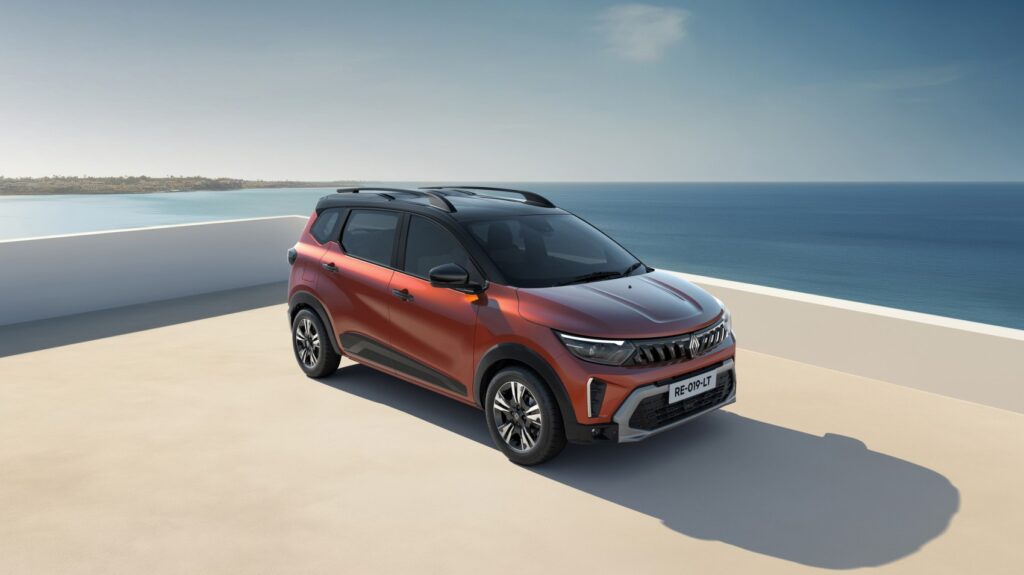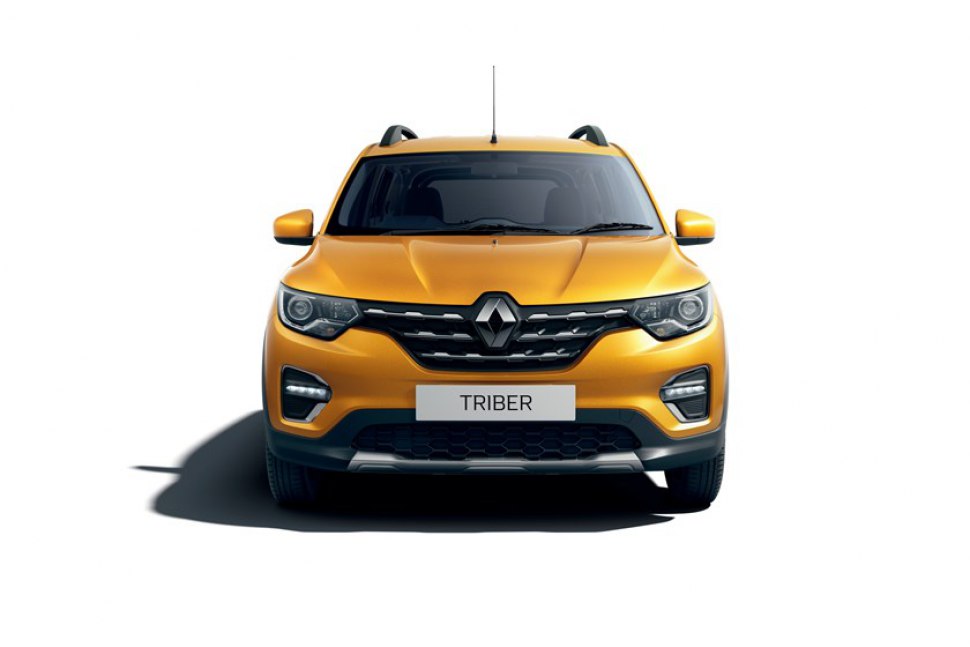
The Renault Triber 1.0 is a compact multi-purpose vehicle (MPV) produced by the French automaker Renault from 2019 to 2025. Primarily designed and marketed for emerging markets, particularly India and South Africa, the Triber aimed to provide affordable seven-seat transportation in a relatively small footprint. While not officially sold in the United States, understanding the Triber provides insight into Renault’s strategy for budget-conscious consumers and its approach to maximizing interior space. The 1.0-liter engine variant, producing 72 horsepower, represents the base level of the Triber lineup.
Renault Triber 1.0: An Overview
The Triber occupies a unique niche as one of the most affordable seven-seater vehicles available in its target markets. It’s positioned as a practical and versatile option for families seeking a spacious interior and reasonable running costs. The vehicle’s design prioritizes functionality over luxury, focusing on delivering maximum value for money. The Triber’s modular seating arrangement allows for various configurations, adapting to different passenger and cargo needs. It’s a testament to efficient packaging and engineering, offering a surprising amount of space within its sub-4 meter length.
Engine & Performance
The Renault Triber 1.0 is powered by a 998cc, inline three-cylinder, naturally aspirated gasoline engine. This engine, designated HR10DE, produces 72 horsepower and 96 Nm (70.81 lb-ft) of torque. While not a performance-oriented powerplant, it’s designed for fuel efficiency and reliability. The engine is transversely mounted at the front of the vehicle and drives the front wheels. Power is delivered through a five-speed manual transmission. The Triber’s weight-to-power ratio is 13.2 kg/Hp (76 Hp/tonne), and its weight-to-torque ratio is 9.9 kg/Nm (101.4 Nm/tonne). This results in adequate, though not brisk, acceleration for everyday driving conditions. The engine’s 72.1 Hp/l specific output demonstrates a reasonable level of efficiency for its displacement and configuration. The engine requires 3 liters (3.17 US qt, 2.64 UK qt) of engine oil, adhering to Renault’s specified oil standards.
Design & Features
The Renault Triber is a five-door MPV with a distinctive and modern exterior design. Its compact dimensions make it easy to maneuver in urban environments, while its tall roofline maximizes interior headroom. The vehicle’s interior is designed to be practical and durable, with a focus on maximizing space. The Triber’s key feature is its flexible seating arrangement. The third row of seats can be folded flat or removed entirely to create more cargo space. The vehicle offers seating for up to seven passengers, although the third row is best suited for children or shorter adults. Standard safety features include an Anti-lock Braking System (ABS). The steering system utilizes an electric power steering rack and pinion for ease of use and efficiency. The Triber’s design reflects a balance between affordability and functionality, prioritizing practicality and space over luxurious appointments.
Space, Volume and Weights
The Triber’s interior space is a major selling point. With all seats in use, the trunk offers a minimum of 84 liters (2.97 cu. ft.) of cargo space. Folding down the third-row seats increases cargo capacity to 625 liters (22.07 cu. ft.). The fuel tank has a capacity of 40 liters (10.57 US gal, 8.8 UK gal). The vehicle’s kerb weight is 947 kg (2087.78 lbs). The overall dimensions of the Triber are: length 3990 mm (157.09 in.), width 1739 mm (68.46 in.), and height 1643 mm (64.69 in.). The wheelbase measures 2636 mm (103.78 in.).
Technical Specifications
| Brand | Renault |
| Model | Triber |
| Generation | Triber |
| Type (Engine) | 1.0 (72 Hp) |
| Start of production | August, 2019 |
| End of production | 2025 |
| Powertrain Architecture | Internal Combustion engine |
| Body type | MPV |
| Seats | 5-7 |
| Doors | 5 |
| Fuel Type | Petrol (Gasoline) |
| Weight-to-power ratio | 13.2 kg/Hp, 76 Hp/tonne |
| Weight-to-torque ratio | 9.9 kg/Nm, 101.4 Nm/tonne |
| Power | 72 Hp |
| Power per litre | 72.1 Hp/l |
| Torque | 96 Nm / 70.81 lb.-ft. |
| Engine layout | Front, Transverse |
| Engine Model/Code | HR10DE |
| Engine displacement | 998 cm3 / 60.9 cu. in. |
| Number of cylinders | 3 |
| Engine configuration | Inline |
| Number of valves per cylinder | 4 |
| Engine aspiration | Naturally aspirated engine |
| Engine oil capacity | 3 l / 3.17 US qt | 2.64 UK qt |
| Kerb Weight | 947 kg / 2087.78 lbs. |
| Trunk (boot) space – minimum | 84 l / 2.97 cu. ft. |
| Trunk (boot) space – maximum | 625 l / 22.07 cu. ft. |
| Fuel tank capacity | 40 l / 10.57 US gal | 8.8 UK gal |
| Length | 3990 mm / 157.09 in. |
| Width | 1739 mm / 68.46 in. |
| Height | 1643 mm / 64.69 in. |
| Wheelbase | 2636 mm / 103.78 in. |
| Drivetrain Architecture | The Internal combustion engine (ICE) drives the front wheels of the vehicle. |
| Drive wheel | Front wheel drive |
| Number of gears and type of gearbox | 5 gears, manual transmission |
| Assisting systems | ABS (Anti-lock braking system) |
| Steering type | Steering rack and pinion |
| Power steering | Electric Steering |
In conclusion, the Renault Triber 1.0 represents a pragmatic approach to affordable family transportation. While not designed for the US market, its success in other regions highlights the demand for versatile, space-efficient, and budget-friendly vehicles. The Triber’s combination of a compact footprint, seven-seat capacity, and reasonable running costs makes it a compelling option for consumers in emerging economies.