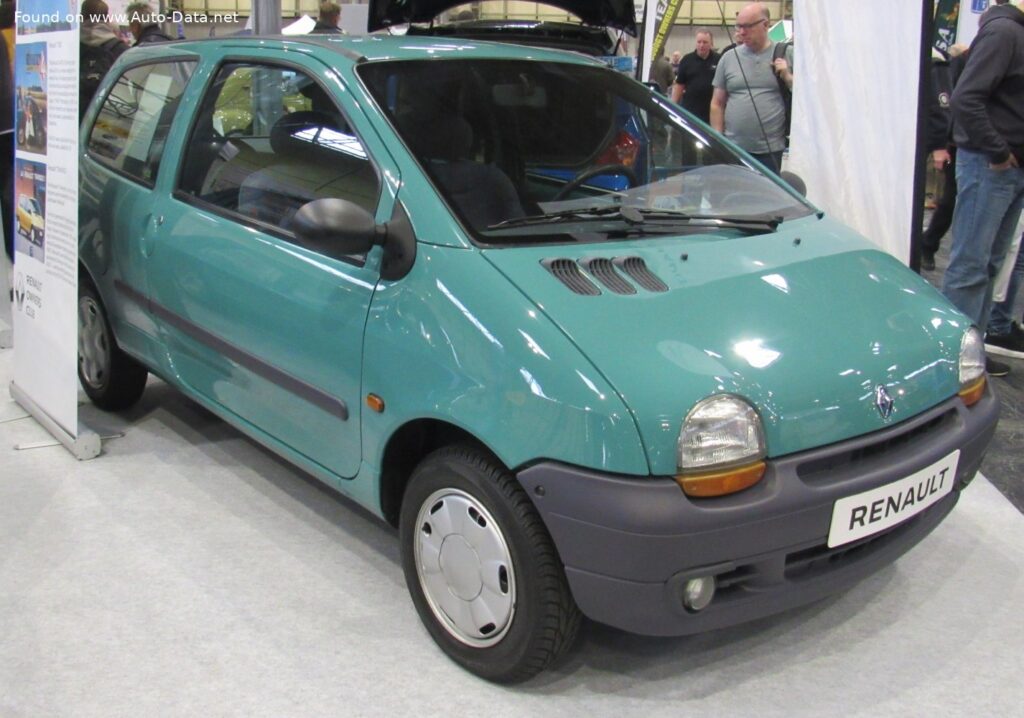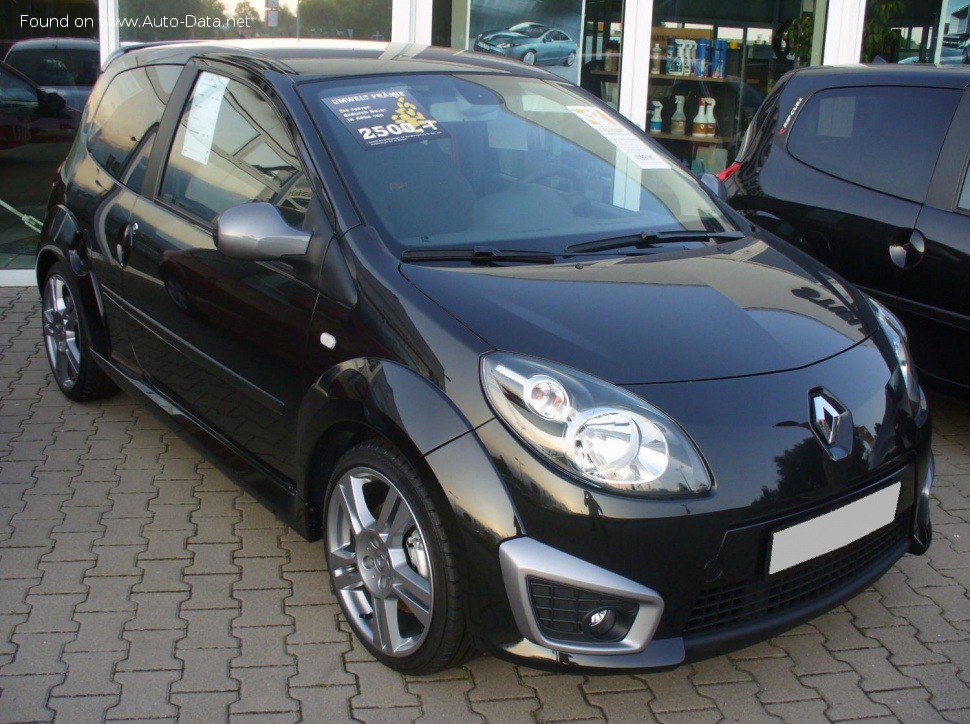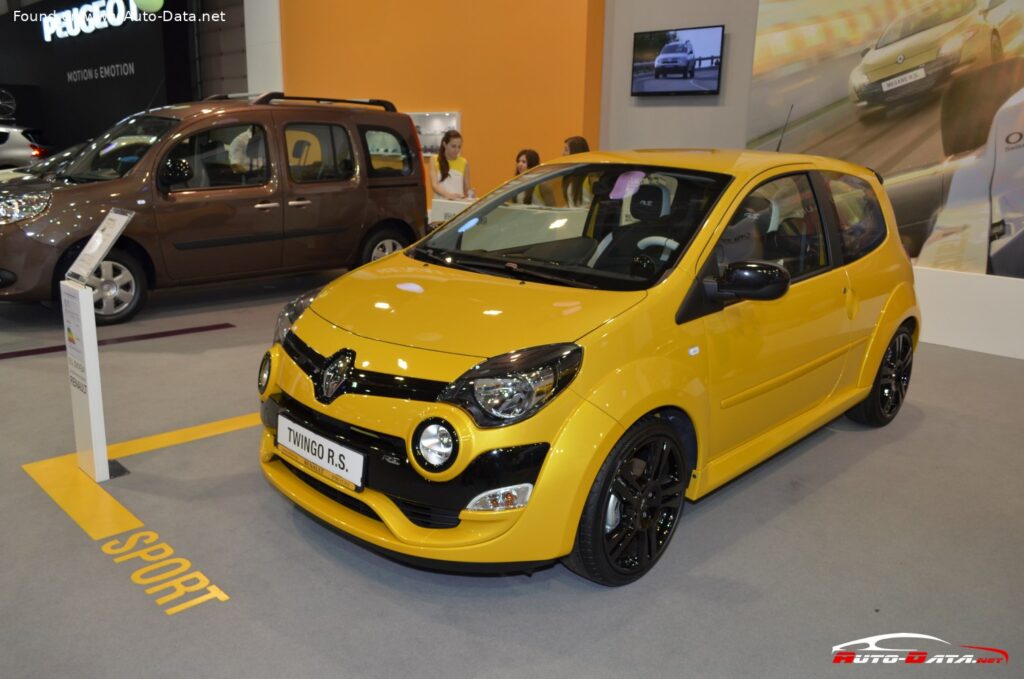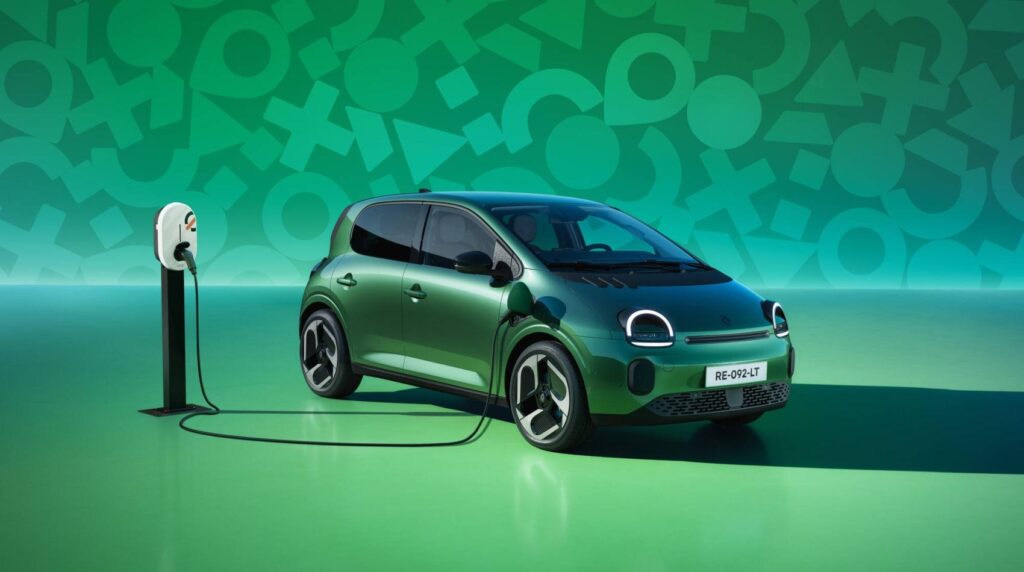
The Renault Twingo IV 27.5 kWh E-Tech Electric represents Renault’s entry into the all-electric city car segment. Introduced in late 2025, this fourth generation of the Twingo departs significantly from its predecessors by adopting a fully electric powertrain. While the Twingo has been a mainstay in the European market since 1992, offering an affordable and practical urban transportation solution, the fourth generation is specifically designed to address the growing demand for zero-emission vehicles in increasingly congested city environments. Unlike previous generations which were offered with a variety of gasoline engines, the Twingo IV is exclusively available as a battery electric vehicle (BEV), marking a pivotal shift in the model’s strategy. It’s important to note that the Twingo is not officially sold in the United States; its primary market is Europe, where it competes with vehicles like the Fiat 500e and Honda e.
Renault Twingo IV E-Tech Electric: An Overview
The Twingo IV is positioned as a compact, five-door hatchback aimed at urban dwellers. Its small footprint and nimble handling make it well-suited for navigating narrow city streets and tight parking spaces. The transition to an all-electric platform has allowed Renault to optimize interior space and enhance the driving experience, focusing on efficiency and sustainability. The vehicle’s design reflects a modern aesthetic, incorporating contemporary styling cues and advanced technology features. The 27.5 kWh battery pack provides a competitive range for city driving, making it a practical choice for daily commutes and short trips.
Engine & Performance
The Renault Twingo IV E-Tech Electric is powered by a single electric motor producing 82 horsepower (Hp) and 175 Nm (129.07 lb.-ft.) of torque. This electric motor is transversely mounted on the front axle, driving the front wheels. The powertrain utilizes a single-speed automatic transmission, simplifying the driving experience and eliminating the need for gear changes. Acceleration from 0 to 100 km/h (0-62 mph) takes 12.1 seconds, while 0 to 60 mph is achieved in approximately 11.5 seconds. The vehicle has a maximum speed of 130 km/h (80.78 mph). The weight-to-power ratio is 14.6 kg/Hp, and the weight-to-torque ratio is 6.9 kg/Nm. The battery, a Lithium iron phosphate (LiFePO4) unit with a gross capacity of 27.5 kWh, is located under the floor, contributing to a lower center of gravity and improved stability. The all-electric range, as measured by the WLTP cycle, is 263 km (163.42 miles).
Design & Features
The Twingo IV maintains the recognizable hatchback body style, but with a more modern and aerodynamic design. Its compact dimensions – 3789 mm (149.17 in.) in length, 1720 mm (67.72 in.) in width, and 1491 mm (58.7 in.) in height – make it easy to maneuver in urban environments. The vehicle offers seating for four passengers and features a practical 360-liter (12.71 cu. ft.) trunk space, expandable to 1000 liters (35.31 cu. ft.) with the rear seats folded down. Safety features include ABS (Anti-lock Braking System) and electric power steering. The interior is designed with a focus on functionality and user-friendliness, incorporating modern infotainment systems and connectivity options. The drag coefficient of 0.656, while not exceptionally low, is typical for vehicles in this segment. The McPherson independent suspension in the front and elastic beam suspension in the rear provide a comfortable ride quality.
Technical Specifications
| Brand | Renault |
| Model | Twingo |
| Generation | Twingo IV |
| Type (Engine) | 27.5 kWh (82 Hp) E-Tech Electric |
| Start of production | November, 2025 |
| Powertrain Architecture | BEV (Electric Vehicle) |
| Body type | Hatchback |
| Seats | 4 |
| Doors | 5 |
| Fuel Type | Electricity |
| Acceleration 0 – 100 km/h | 12.1 sec |
| Acceleration 0 – 62 mph | 12.1 sec |
| Acceleration 0 – 60 mph | 11.5 sec |
| Maximum speed | 130 km/h (80.78 mph) |
| Weight-to-power ratio | 14.6 kg/Hp |
| Weight-to-torque ratio | 6.9 kg/Nm |
| Gross battery capacity | 27.5 kWh |
| Battery technology | Lithium iron phosphate (LiFePO4) |
| Battery location | Below the floor |
| All-electric range (WLTP) | 263 km (163.42 mi) |
| Electric motor power | 82 Hp |
| Electric motor Torque | 175 Nm (129.07 lb.-ft.) |
| Electric motor location | Front axle, Transverse |
| Electric motor type | Synchronous |
| System power | 82 Hp |
| System torque | 175 Nm (129.07 lb.-ft.) |
| Kerb Weight | 1200 kg (2645.55 lbs.) |
| Trunk (boot) space – minimum | 360 l (12.71 cu. ft.) |
| Trunk (boot) space – maximum | 1000 l (35.31 cu. ft.) |
| Length | 3789 mm (149.17 in.) |
| Width | 1720 mm (67.72 in.) |
| Height | 1491 mm (58.7 in.) |
| Wheelbase | 2493 mm (98.15 in.) |
| Front overhang | 743 mm (29.25 in.) |
| Rear overhang | 553 mm (21.77 in.) |
| Ride height (ground clearance) | 143 mm (5.63 in.) |
| Drag coefficient (Cd) | 0.656 |
| Drivetrain Architecture | One electric motor drives the front wheels. |
| Drive wheel | Front wheel drive |
| Number of gears and type of gearbox | 1 gears, automatic transmission |
| Front suspension | Independent type McPherson |
| Rear suspension | Elastic beam |
| Steering type | Steering rack and pinion |
| Power steering | Electric Steering |
| Wheel rims size | 16 |
The Renault Twingo IV E-Tech Electric represents a significant step towards sustainable urban mobility. By embracing a fully electric powertrain, Renault has created a vehicle that is both environmentally friendly and practical for city living. While not available in the US market, the Twingo IV serves as a compelling example of the growing trend towards electric vehicles in Europe and globally.