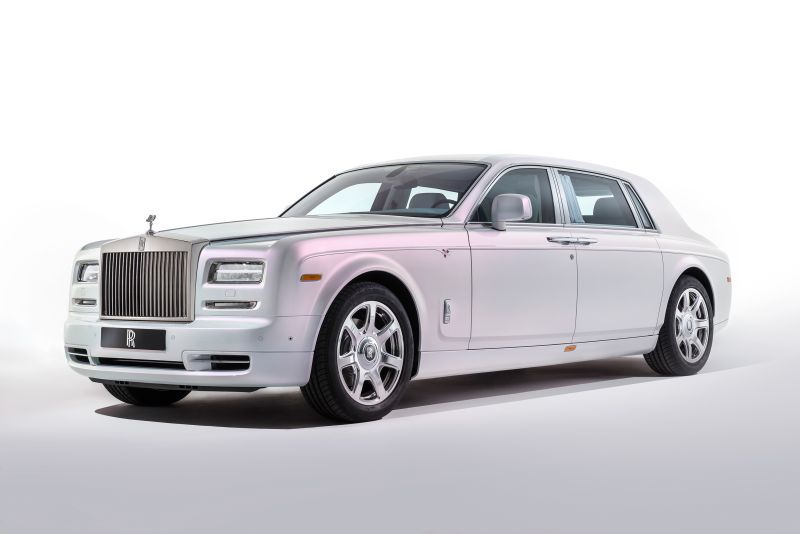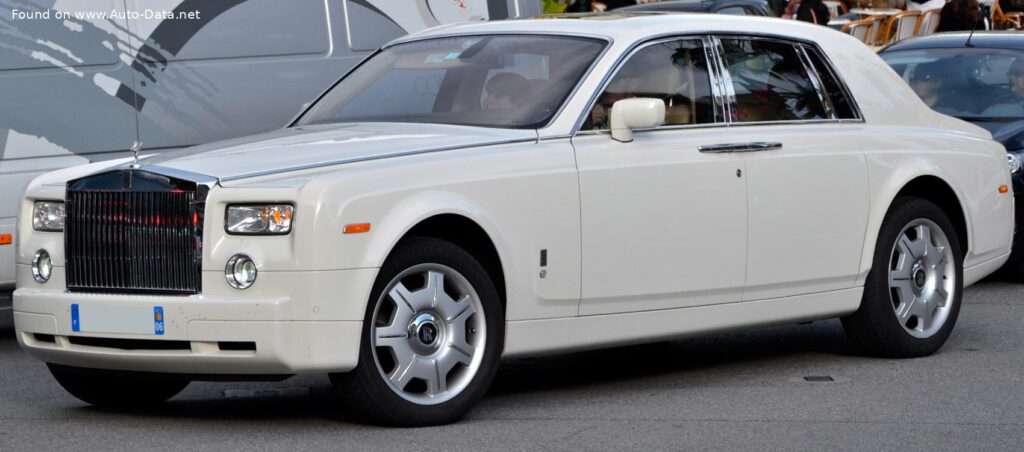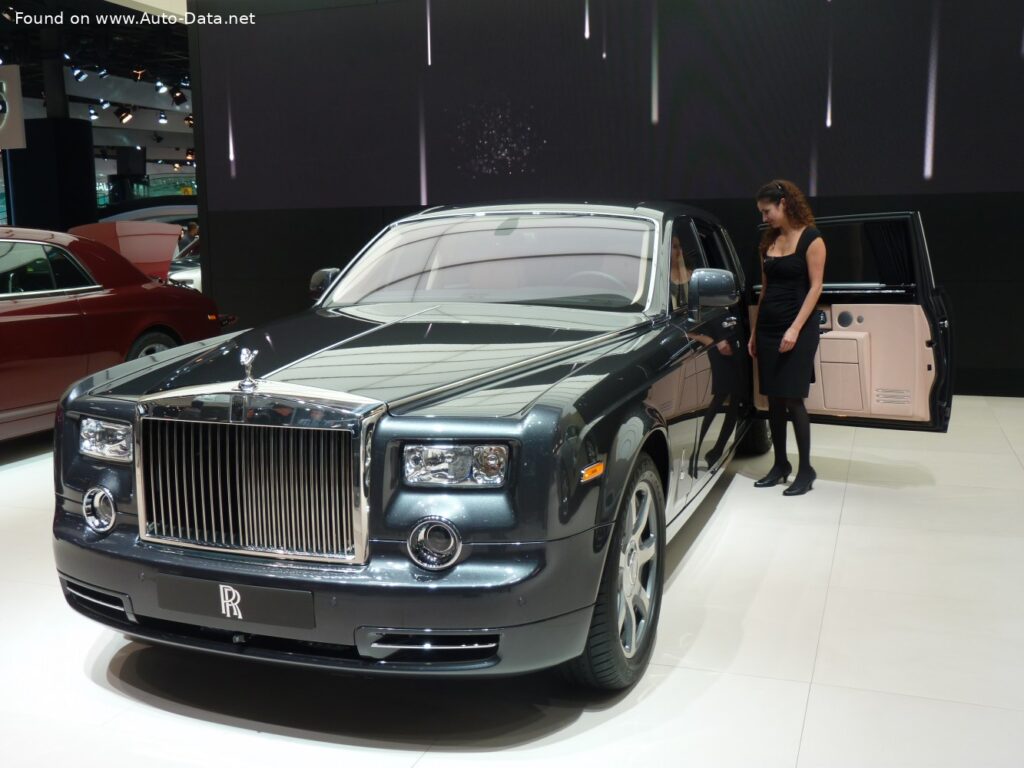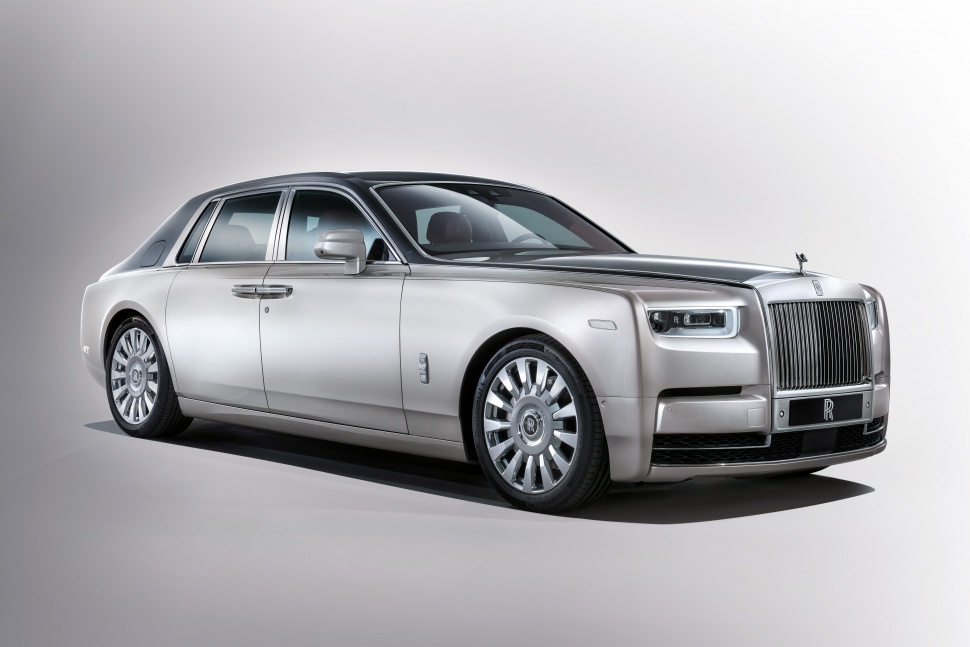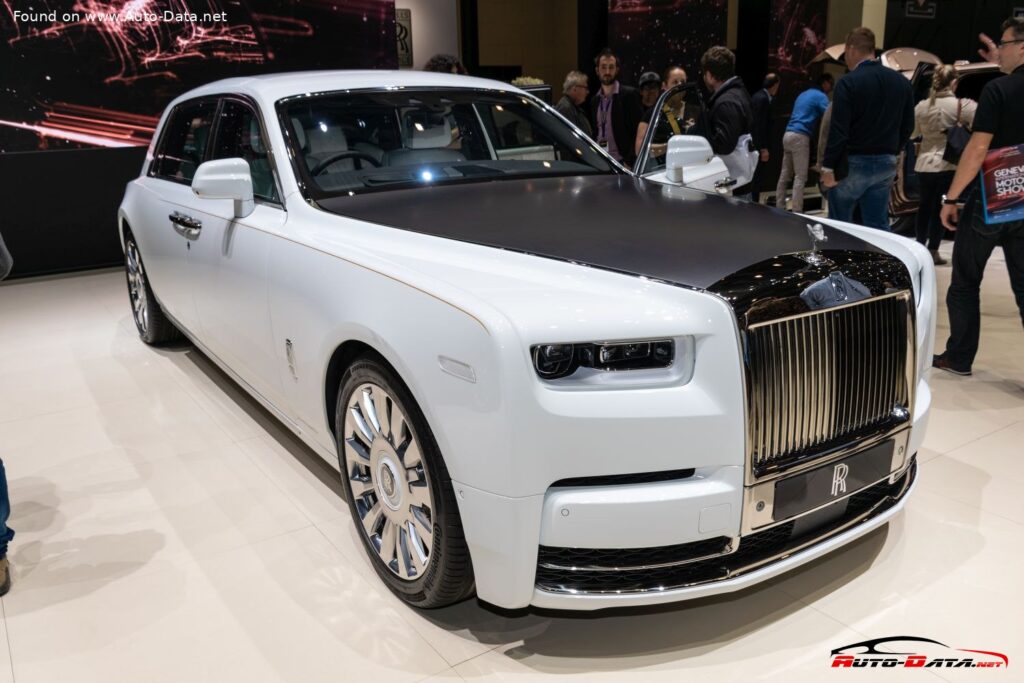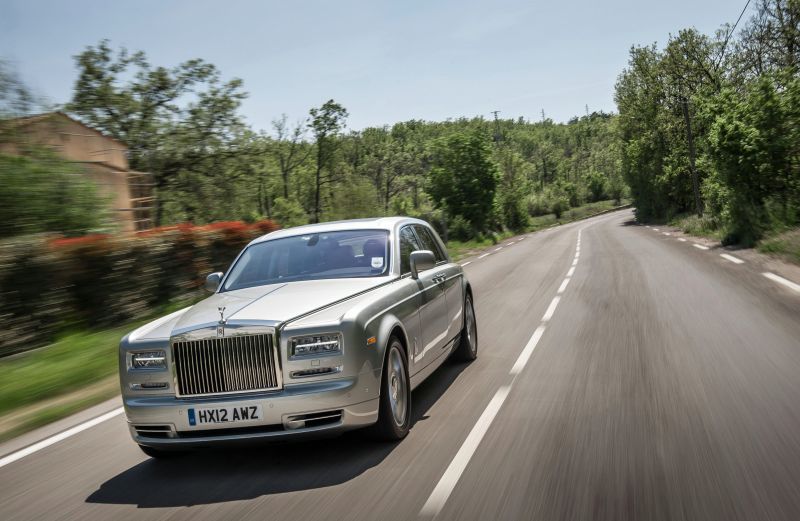
The Rolls-Royce Phantom VII, particularly the facelifted version introduced in 2012, represents the pinnacle of ultra-luxury motoring. As the flagship model of the Rolls-Royce brand, the Phantom VII aimed to redefine automotive opulence and provide an unparalleled driving experience. Produced from 2003 to 2016, the Phantom VII was the first all-new Rolls-Royce design under BMW ownership, and the 2012 facelift brought subtle yet significant enhancements to its already impressive stature. This generation of the Phantom is a sedan, designed for discerning clientele who prioritize comfort, prestige, and bespoke craftsmanship above all else.
Rolls-Royce Phantom VII (Facelift 2012): A Legacy of Luxury
The Phantom VII, and specifically the 2012 facelift, continued Rolls-Royce’s tradition of hand-built automobiles. While Rolls-Royce vehicles are now manufactured in Goodwood, England, the Phantom VII marked a significant turning point for the brand, blending traditional values with modern engineering. The facelift focused on refining the existing design and incorporating updated technology, ensuring the Phantom remained competitive in the ultra-luxury segment. It wasn’t about radical change, but about perfecting an already exceptional vehicle.
Engine & Performance
At the heart of the 2012 Rolls-Royce Phantom VII lies a naturally aspirated 6.7-liter V12 engine, designated the N73B68A. This powerplant delivers 460 horsepower at 5,350 rpm and a substantial 720 Nm (531.04 lb.-ft.) of torque at 3,500 rpm. The engine’s power output translates to a 0-60 mph acceleration time of approximately 5.6 seconds, and a governed top speed of 149.13 mph (240 km/h). Despite its considerable size and weight, the Phantom VII offers surprisingly responsive performance, thanks to the engine’s ample torque and the smooth operation of its 8-speed automatic transmission. The engine’s power-to-weight ratio is 179.7 Hp/tonne, and the torque-to-weight ratio is 281.3 Nm/tonne. Fuel economy, unsurprisingly, is not a priority, with combined figures of 15.9 US mpg (19.1 UK mpg or 6.8 km/l). The engine displaces 6749 cm3 (411.85 cu. in.) and features a cylinder bore of 92 mm (3.62 in.) and a piston stroke of 84.6 mm (3.33 in.).
Design & Features
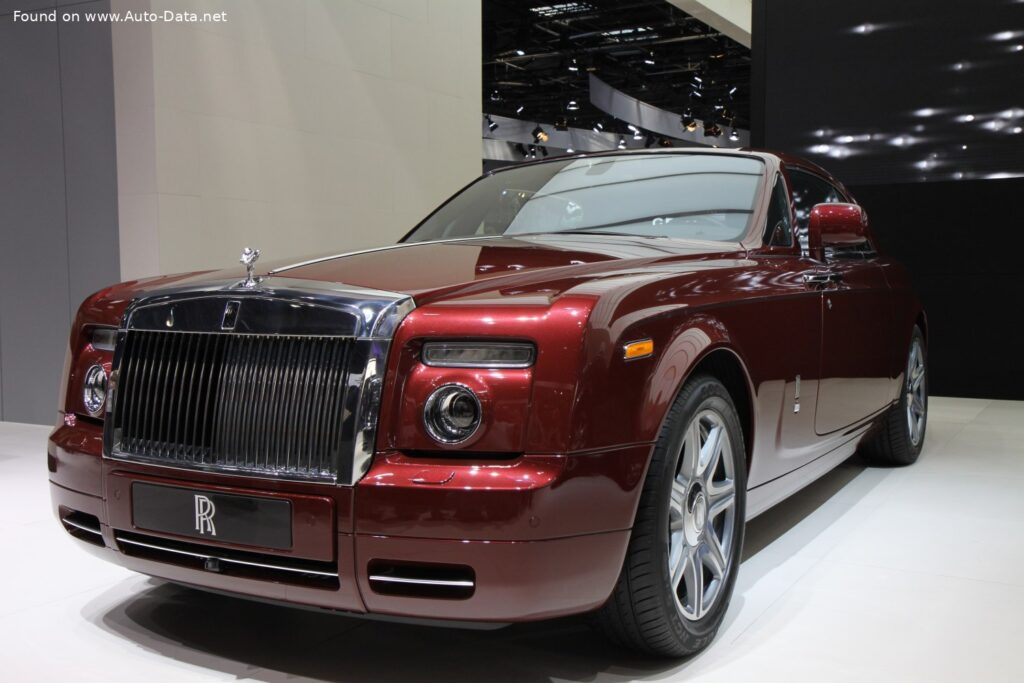
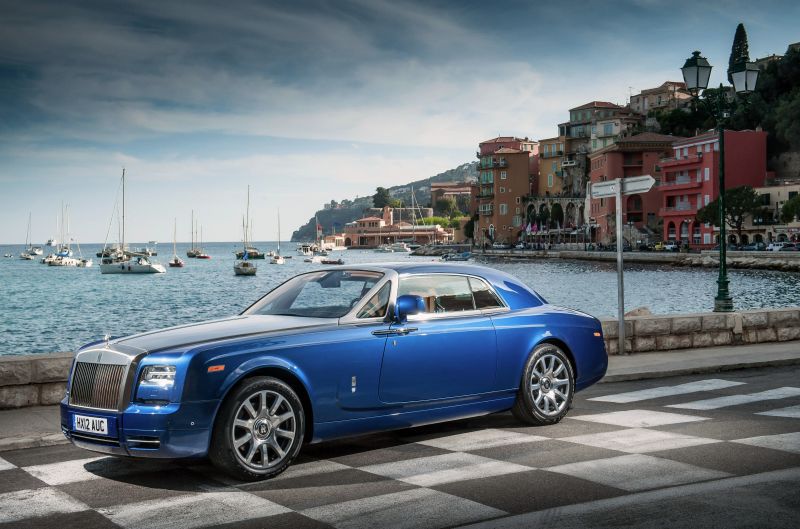
The Rolls-Royce Phantom VII (facelift 2012) is a full-size luxury sedan characterized by its imposing presence and elegant design. The body style is a classic four-door sedan, accommodating five passengers in supreme comfort. Key design elements include the iconic Rolls-Royce grille, large circular headlights, and a long wheelbase that emphasizes the car’s stately proportions. The 2012 facelift brought subtle revisions to the front fascia, including redesigned headlights and a more prominent grille. The interior is where the Phantom truly shines, offering an unparalleled level of craftsmanship and customization. The cabin is meticulously crafted using the finest materials, including premium leather, wood veneers, and polished metal accents. Features include power-adjustable seats with massage functions, a premium sound system, and advanced climate control. Safety features, while not heavily marketed, include ABS (Anti-lock braking system) and ventilated disc brakes on all four wheels. The Phantom’s focus is on providing a serene and isolated driving experience, minimizing external noise and vibrations. Trunk space is a generous 460 liters (16.24 cu. ft.).
Technical Specifications
| Brand | Rolls-Royce |
| Model | Phantom |
| Generation | Phantom VII (facelift 2012) |
| Type (Engine) | 6.7 V12 (460 Hp) Automatic |
| Start of production | 2012 |
| End of production | 2016 |
| Powertrain Architecture | Internal Combustion engine |
| Body type | Sedan |
| Seats | 5 |
| Doors | 4 |
| Fuel consumption (urban) | 22.8 l/100 km (10.3 US mpg, 12.4 UK mpg, 4.4 km/l) |
| Fuel consumption (extra urban) | 10.2 l/100 km (23.1 US mpg, 27.7 UK mpg, 9.8 km/l) |
| Fuel consumption (combined) | 14.8 l/100 km (15.9 US mpg, 19.1 UK mpg, 6.8 km/l) |
| CO2 emissions | 347 g/km |
| Fuel Type | Petrol (Gasoline) |
| Acceleration 0 – 100 km/h | 5.9 sec |
| Acceleration 0 – 62 mph | 5.9 sec |
| Acceleration 0 – 60 mph | 5.6 sec |
| Maximum speed | 240 km/h (149.13 mph) |
| Weight-to-power ratio | 5.6 kg/Hp |
| Weight-to-torque ratio | 3.6 kg/Nm |
| Power | 460 Hp @ 5350 rpm |
| Power per litre | 68.2 Hp/l |
| Torque | 720 Nm @ 3500 rpm (531.04 lb.-ft. @ 3500 rpm) |
| Engine layout | Front, Longitudinal |
| Engine Model/Code | N73B68A |
| Engine displacement | 6749 cm3 (411.85 cu. in.) |
| Number of cylinders | 12 |
| Engine configuration | V-engine |
| Cylinder Bore | 92 mm (3.62 in.) |
| Piston Stroke | 84.6 mm (3.33 in.) |
| Number of valves per cylinder | 4 |
| Fuel injection system | Direct injection |
| Engine aspiration | Naturally aspirated engine |
| Engine oil capacity | 8.5 l (8.98 US qt | 7.48 UK qt) |
| Coolant | 14 l (14.79 US qt | 12.32 UK qt) |
| Kerb Weight | 2560 kg (5643.83 lbs.) |
| Max. weight | 3110 kg (6856.38 lbs.) |
| Max load | 550 kg (1212.54 lbs.) |
| Trunk (boot) space – minimum | 460 l (16.24 cu. ft.) |
| Fuel tank capacity | 100 l (26.42 US gal | 22 UK gal) |
| Length | 5842 mm (230 in.) |
| Width | 1990 mm (78.35 in.) |
| Height | 1638 mm (64.49 in.) |
| Wheelbase | 3570 mm (140.55 in.) |
| Front track | 1686 mm (66.38 in.) |
| Rear (Back) track | 1676 mm (65.98 in.) |
| Minimum turning circle (turning diameter) | 13.8 m (45.28 ft.) |
| Drivetrain Architecture | Rear wheel drive |
| Number of gears and type of gearbox | 8 gears, automatic transmission |
| Front brakes | Ventilated discs |
| Rear brakes | Ventilated discs |
| Assisting systems | ABS (Anti-lock braking system) |
| Steering type | Steering rack and pinion |
| Power steering | Electric Steering |
| Tires size | 255/50 R21; 285/45 R21 |
| Wheel rims size | 8J x 21; 9.5J x 21 |
The Rolls-Royce Phantom VII (facelift 2012) remains a symbol of automotive excellence and a testament to the brand’s commitment to luxury, craftsmanship, and engineering. It represents a high point in the history of Rolls-Royce, offering a driving experience that is both refined and exhilarating.