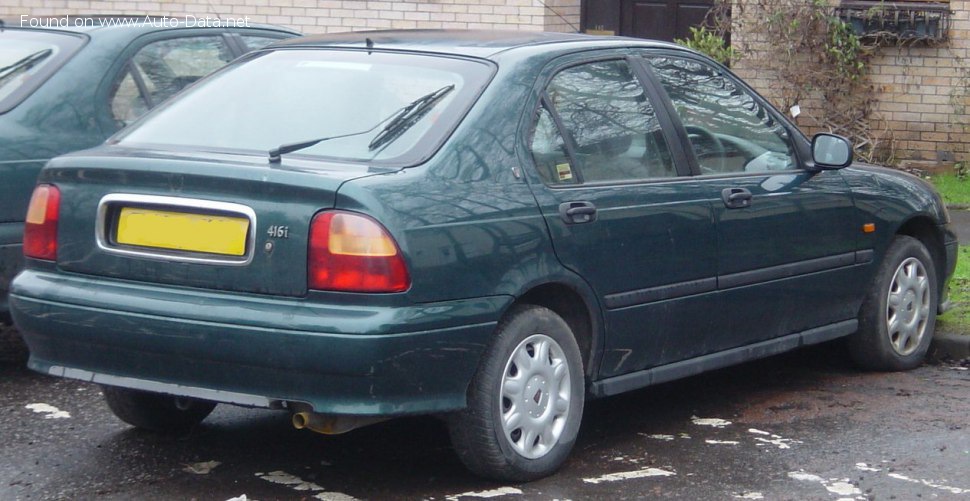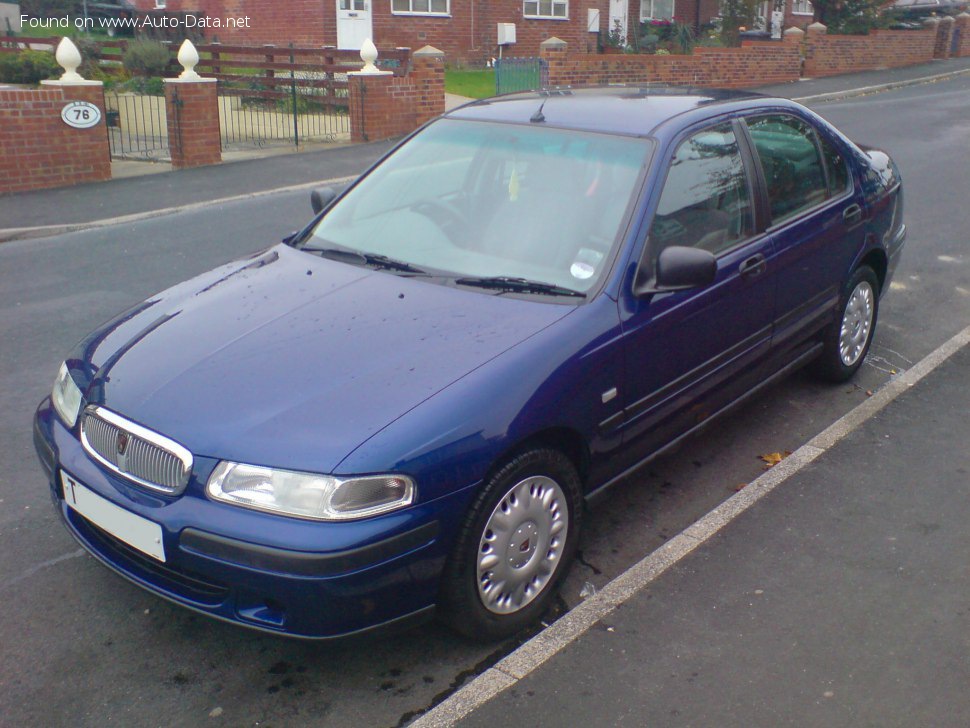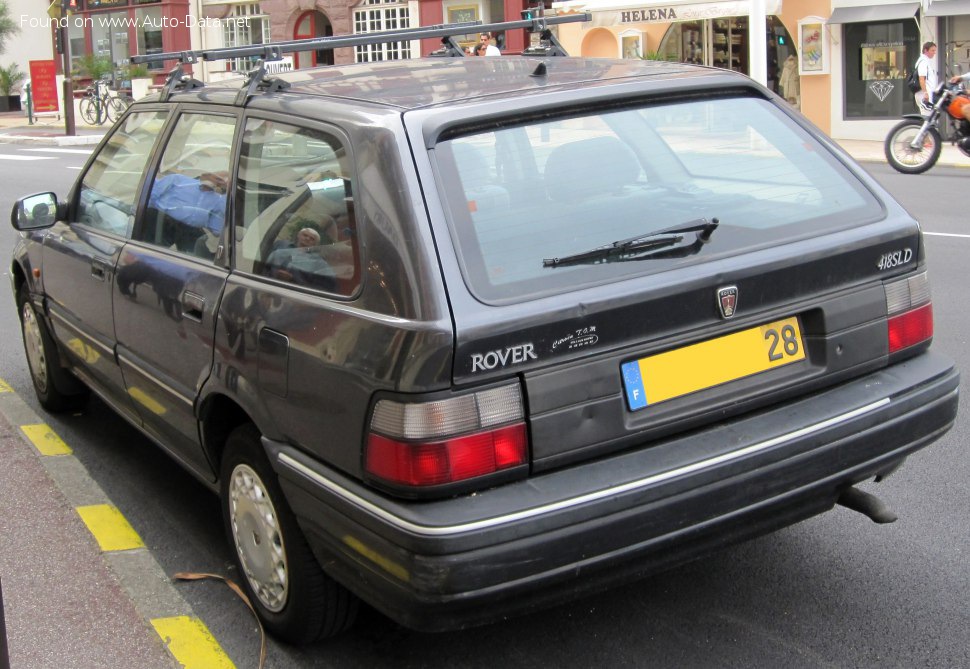
Introduction: The Rover 400 Tourer (XW) 416 GTI (122 Hp)
The Rover 400 Tourer (XW) 416 GTI (122 Hp) represents a significant chapter in the history of the British automaker Rover, embodying a period of strategic collaboration with Honda that aimed to combine British design sensibilities with Japanese engineering prowess. Launched in 1994 and produced until 1998, this particular variant of the Rover 400 series was the station wagon (or “estate” in European parlance) body style, designated as the XW generation. It carved out a niche in the highly competitive European compact family car segment, offering a compelling blend of practicality, a touch of performance, and a distinctive British character.
During the 1990s, Rover, then part of British Aerospace, relied heavily on its partnership with Honda to develop new models, ensuring modern platforms and reliable powertrains. The 400 series, including the Tourer, was a direct beneficiary of this collaboration, sharing its underpinnings with the contemporary Honda Civic. The 416 GTI variant, specifically, was positioned as a more spirited offering within the Tourer lineup, leveraging a potent Honda-sourced engine to deliver a driving experience that transcended its family-hauler designation. While never officially sold in the United States, the Rover 400 Tourer (XW) played a crucial role in Rover’s European market strategy, providing a practical, well-equipped, and surprisingly engaging option for families seeking versatility without sacrificing a degree of driving enjoyment.
Engine and Performance: The 416 GTI Powertrain of the Rover 400 Tourer (XW)
At the heart of the Rover 400 Tourer (XW) 416 GTI (122 Hp) lies a testament to the successful Anglo-Japanese engineering partnership: the Honda ZC engine. This naturally aspirated, internal combustion gasoline engine was a well-regarded unit known for its smooth operation, reliability, and willingness to rev. Producing a respectable 122 horsepower, this engine provided the 416 GTI Tourer with ample power for its class, making it one of the more potent options in the compact station wagon segment of the mid-1990s.
The selection of the Honda ZC engine for the “GTI” badged variant was a strategic move by Rover. The “GTI” moniker, traditionally associated with hot hatchbacks, signaled a commitment to performance beyond mere utility, even in a station wagon. While not a track monster, the 122 Hp output ensured brisk acceleration and confident overtaking capabilities, making long-distance drives and daily commutes more enjoyable. The engine’s naturally aspirated design meant predictable power delivery across the rev range, a characteristic often favored by drivers over the sometimes abrupt nature of early turbocharged units. Its robust construction and proven Honda reliability also contributed significantly to the vehicle’s reputation for dependable service, a crucial factor for family cars.
Driving Dynamics
Beyond the engine, the Rover 400 Tourer (XW) 416 GTI benefited from a well-sorted chassis, again drawing on Honda’s expertise in ride and handling. While primarily designed for comfort and practicality, the 416 GTI offered a more engaging driving experience than many of its contemporaries. The suspension was tuned to strike a balance between compliant ride quality, essential for family comfort, and sufficient body control to handle winding European roads with confidence. The steering, likely a power-assisted rack-and-pinion system, would have provided adequate feedback, allowing drivers to feel connected to the road. This combination of a lively engine and competent chassis dynamics made the Rover 400 Tourer (XW) 416 GTI a surprisingly rewarding car to drive for its segment, a true “driver’s wagon” for those who appreciated a bit more verve in their family transportation.
Design and Features of the Rover 400 Tourer (XW)
The Rover 400 Tourer (XW) adopted a classic station wagon silhouette, prioritizing practicality and cargo volume, yet it retained the distinctive Rover styling cues that gave it a more refined appearance than some of its utilitarian rivals. The XW generation, in general, presented a clean, understated design that aged gracefully. For the Tourer variant, the extended roofline and integrated roof rails (often standard or optional) underscored its functional purpose as a versatile family vehicle. The overall aesthetic was one of conservative elegance, a hallmark of Rover’s brand identity.
With five doors and seating for five occupants, the 400 Tourer was designed to accommodate the needs of a typical European family. The station wagon body type inherently offered a significantly larger and more flexible cargo area compared to its sedan or hatchback counterparts, making it ideal for luggage, sports equipment, or even small furniture items. The rear seats typically featured a split-folding mechanism, further enhancing its versatility and allowing for an impressive amount of load space when required.
Interior and Practicality
Inside, the Rover 400 Tourer (XW) showcased a cabin that blended functional ergonomics with a touch of British comfort. Materials would have been typical for the mid-90s compact segment, with durable fabrics for the seats and hard-wearing plastics for the dashboard and door panels. However, Rover often paid attention to subtle details and trim finishes, aiming for an atmosphere that felt a notch above mainstream competitors. The instrumentation was clear and logically laid out, and controls were intuitively placed. For a “GTI” variant, there might have been subtle interior enhancements such as unique seat upholstery, a leather-wrapped steering wheel, or specific trim accents, though these would likely be more subdued than found in a pure performance car. Safety features for the era would have included basics like three-point seatbelts for all occupants, and potentially options like anti-lock brakes (ABS) or driver’s side airbags, depending on the market and specific trim level. The overall design ethos was to create a comfortable, practical, and pleasant environment for both driver and passengers on long journeys or daily errands.
Technical Specifications: Rover 400 Tourer (XW) 416 GTI (122 Hp)
| Category | Specification |
|---|---|
| General Information | |
| Brand | Rover |
| Model | 400 |
| Generation | 400 Tourer (XW) |
| Type (Engine) | 416 GTI (122 Hp) |
| Start of Production | 1994 year |
| End of Production | 1998 year |
| Powertrain Architecture | Internal Combustion engine |
| Body type | Station wagon (estate) |
| Seats | 5 |
| Doors | 5 |
| Performance Specs | |
| Fuel Type | Petrol (Gasoline) |
| Power | 122 Hp |
| Engine Model/Code | Honda ZC |
| Engine Aspiration | Naturally aspirated engine |
| Engine Oil Capacity | 3.4 liters (3.59 US quarts) |
| Coolant Capacity | 5.5 liters (5.81 US quarts) |
| Space, Volume and Weights | |
| Fuel Tank Capacity | 55 liters (14.53 US gallons) |
Legacy and Market Impact
The Rover 400 Tourer (XW) 416 GTI (122