The Rover 75 2.0 V6 (150 Hp): A British Take on Executive Motoring
The
Rover 75 2.0 V6 (150 Hp)
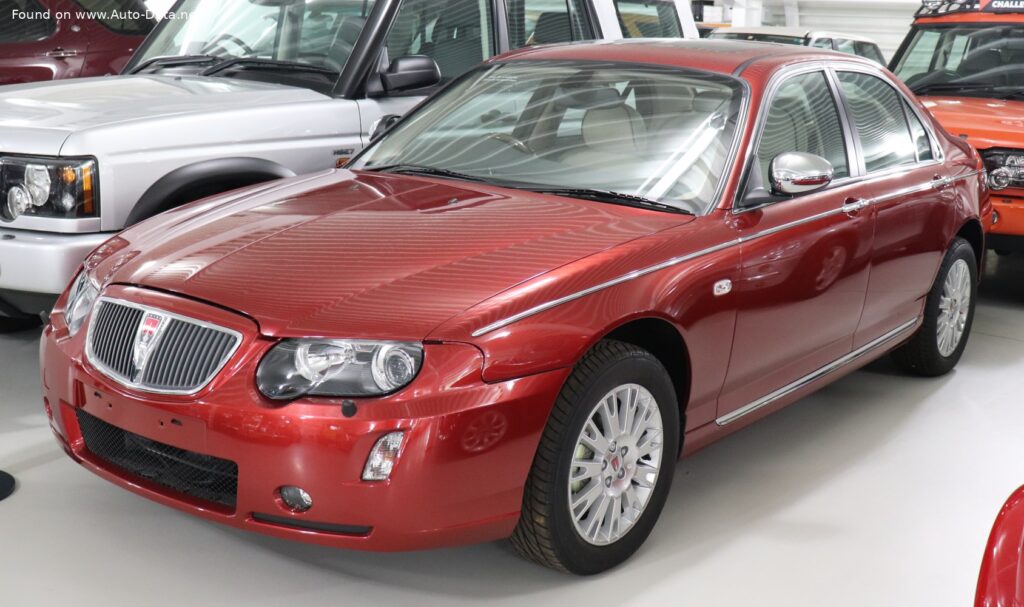
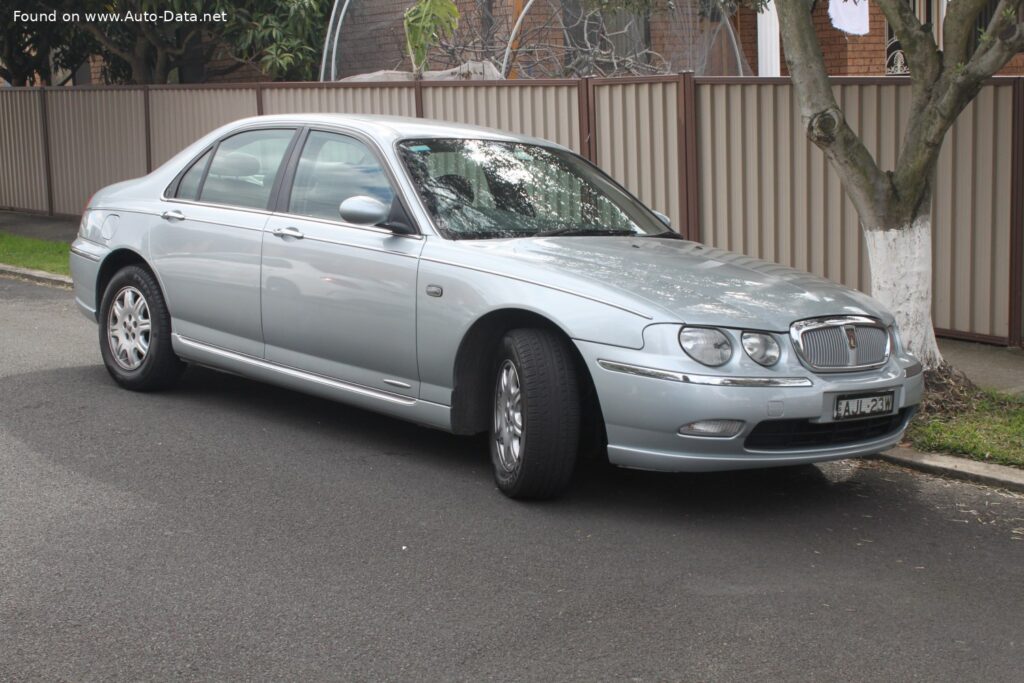
represents a significant chapter in the history of the British automotive manufacturer, Rover Group. Launched in 1999, the 75 was the last entirely new model developed by Rover before the company’s tumultuous decline and eventual collapse. Designed to evoke a sense of traditional British luxury and craftsmanship, combined with contemporary engineering, the Rover 75 aimed to compete in the highly competitive executive car segment, primarily within the European market. Its distinct retro-futuristic styling and refined driving dynamics set it apart from its German and Japanese rivals. This particular variant, powered by a 2.0-liter V6 engine, offered a compelling blend of smooth performance and a premium driving experience, positioning it as an accessible yet sophisticated option for buyers seeking an alternative to the mainstream. Produced until 2004, the Rover 75 generation was available exclusively as a four-door sedan, providing comfortable seating for five passengers.
Engine and Performance of the Rover 75
At the heart of the
Rover 75 2.0 V6 (150 Hp)
is its distinctive KV6 engine, a 1997 cm3 (121.86 cu. in.) naturally aspirated V6 powerplant. Coded as KV6 / 20K4F, this engine was a hallmark of Rover’s engineering efforts, known for its refinement and smooth power delivery. With a compression ratio of 10.5:1 and a Double Overhead Camshaft (DOHC) valvetrain, it featured four valves per cylinder and a multi-port manifold injection system, ensuring efficient fuel combustion and responsiveness.
The engine produced a respectable 150 horsepower at 6500 rpm, which, for a 2.0-liter V6 in its era, was a competitive output. Torque peaked at 136.45 lb.-ft. (185 Nm) at 4000 rpm, providing adequate pulling power for comfortable cruising and urban driving. Power was transmitted to the front wheels via a 5-speed manual transmission, offering direct engagement and control.
In terms of raw performance, the Rover 75 2.0 V6 was capable of accelerating from 0 to 60 mph in a brisk 9.5 seconds, with a top speed of 130.49 mph (210 km/h). While not a sports sedan, these figures underscored its capability as a comfortable and competent executive cruiser. Fuel economy figures, measured in the European cycle, translated to approximately 16.9 US mpg in urban conditions, 33.6 US mpg on the highway (extra-urban), and a combined rating of 24.5 US mpg. CO2 emissions stood at 228 g/km, reflecting the technology standards of the late 1990s. The kerb weight of 3185.68 lbs (1445 kg) contributed to a weight-to-power ratio of 9.6 kg/Hp, balancing performance with the car’s inherent solidity and comfort.
Design and Features
The design of the Rover 75 was a deliberate departure from the more angular styling prevalent at the time, embracing a nostalgic aesthetic that harked back to classic British luxury cars of the 1940s and 50s. Its elegant lines, prominent grille, and distinctive headlamps gave it a unique and instantly recognizable presence. The four-door sedan body type emphasized practicality and sophistication, while its generous dimensions—186.89 inches in length, 70 inches in width, and 56.06 inches in height—provided a substantial road presence. The 108.11-inch wheelbase ensured a spacious cabin and a smooth ride, a key characteristic of the 75.
Inside, the Rover 75 continued its theme of classic British luxury. The cabin was designed with an emphasis on comfort and refinement, featuring high-quality materials, wood trim (often real wood veneer), and chrome accents. The dashboard layout was ergonomic yet stylish, with clear instrumentation. Seating for five was plush and supportive, making long journeys a pleasure. Practicality was also considered, with a trunk capacity of 15.26 cu. ft. (432 liters), ample for luggage or groceries.
Safety and driver assistance systems, while not as extensive as modern vehicles, included an Anti-lock Braking System (ABS) as standard, enhancing braking control. The steering system utilized a hydraulic rack and pinion setup, providing a direct and communicative feel. Suspension comprised a wishbone setup at the front and coil springs at the rear, tuned to deliver a compliant and comfortable ride characteristic of an executive sedan. The car rode on 205/65R15 tires, offering a good balance of grip and ride comfort. Ventilated discs at the front and disc brakes at the rear provided confident stopping power.
Technical Specifications
| Category | Specification |
|---|---|
| Brand | Rover |
| Model | 75 |
| Generation | 75 |
| Type (Engine) | 2.0 V6 (150 Hp) |
| Production Start | 1999 |
| Production End | 2004 |
| Body Type | Sedan, 4 Doors, 5 Seats |
|
Performance Specs |
|
| Fuel Consumption (Urban) | 16.9 US mpg (13.9 l/100 km) |
| Fuel Consumption (Extra Urban) | 33.6 US mpg (7 l/100 km) |
| Fuel Consumption (Combined) | 24.5 US mpg (9.6 l/100 km) |
| CO2 Emissions | 228 g/km |
| Acceleration 0-60 mph | 9.5 sec |
| Maximum Speed | 130.49 mph (210 km/h) |
| Weight-to-Power Ratio | 9.6 kg/Hp |
| Weight-to-Torque Ratio | 7.8 kg/Nm |
|
Engine Specs |
|
| Power | 150 Hp @ 6500 rpm |
| Torque | 136.45 lb.-ft. (185 Nm) @ 4000 rpm |
| Engine Layout | Front, Transverse |
| Engine Model/Code | KV6 / 20K4F |
| Engine Displacement | 121.86 cu. in. (1997 cm3) |
| Number of Cylinders | 6, V-engine |
| Cylinder Bore | 3.15 in. (80 mm) |
| Piston Stroke | 2.61 in. (66.2 mm) |
| Compression Ratio | 10.5:1 |
| Valves per Cylinder | 4 |
| Fuel Injection System | Multi-port manifold injection |
| Engine Aspiration | Naturally aspirated |
| Valvetrain | DOHC |
| Engine Oil Capacity | 5.49 US qt (5.2 l) |
| Coolant Capacity | 7.93 US qt (7.5 l) |
|
Dimensions, Volume, and Weights |
|
| Kerb Weight | 3185.68 lbs (1445 kg) |
| Max. Weight (Gross Vehicle Weight) | 4409.25 lbs (2000 kg) |
| Max Load | 1223.57 lbs (555 kg) |
| Trunk (Boot) Space | 15.26 cu. ft. (432 l) |
| Fuel Tank Capacity | 17.17 US gal (65 l) |
| Length | 186.89 in. (4747 mm) |
| Width | 70 in. (1778 mm) |
| Height | 56.06 in. (1424 mm) |
| Wheelbase | 108.11 in. (2746 mm) |
| Front Track | 59.25 in. (1505 mm) |
| Rear Track | 59.25 in. (1505 mm) |
|
Drivetrain, Brakes, and Suspension |
|
| Drivetrain Architecture | Front-wheel drive, Internal Combustion Engine |
| Drive Wheel | Front wheel drive |
| Gearbox | 5 gears, manual transmission |
| Front Suspension | Wishbone |
| Rear Suspension | Coil spring |
| Front Brakes | Ventilated discs |
| Rear Brakes | Disc |
| Assisting Systems | ABS (Anti-lock Braking System) |
| Steering Type | Steering rack and pinion |
| Power Steering | Hydraulic Steering |
| Tires Size | 205/65R15 |
Legacy and Market Impact
The Rover 75, especially the 2.0 V6 variant, holds a unique place in automotive history. It was a valiant attempt by Rover to re-establish itself as a purveyor of premium, characterful automobiles in a market increasingly dominated by efficient, but often less charismatic, German and Japanese offerings. In its primary European market, the Rover 75 competed against established players like the BMW 3 Series, Audi A4, Mercedes-Benz C-Class, and the Ford Mondeo/Vauxhall Vectra at the higher end. While it couldn’t match the dynamic prowess or brand cachet of the German luxury marques, it offered a distinct proposition: a comfortable, quiet, and elegantly styled executive sedan with a strong emphasis on traditional British luxury and ride quality.
Its retro-inspired design was polarizing but ultimately distinctive, giving the 75 a unique identity. Many lauded its refined interior, smooth V6 engine, and comfortable suspension, which provided a serene driving experience. For those who appreciated classic British charm and a less aggressive aesthetic, the 75 was a compelling choice. The 2.0 V6 engine, while not the most powerful in the range, was praised for its smoothness and quiet operation, contributing significantly to the car’s relaxed demeanor.
However, the Rover 75’s legacy is also intertwined with the tragic final years of the Rover Group. Despite its critical acclaim for design and comfort, the car struggled to achieve significant sales volumes against its well-entrenched competitors. Issues related to brand perception, reliability concerns (some real, some exaggerated by media), and the broader financial instability of MG Rover Group ultimately hampered its long-term success. After BMW sold Rover in 2000, the 75 continued under the struggling MG Rover Group until the company’s collapse in 2005.
Today, the Rover 75 is increasingly recognized as a modern classic, particularly appreciated by enthusiasts for its distinctive styling, comfortable ride, and the characterful KV6 engine. It stands as a testament to what Rover could achieve, even in its twilight years, and remains a symbol of a bygone era of British automotive manufacturing. Its impact on the market might not have been one of sales dominance, but it cemented its place as a car with unique appeal and a significant story, offering a refined, albeit ultimately doomed, alternative in the executive sedan segment.