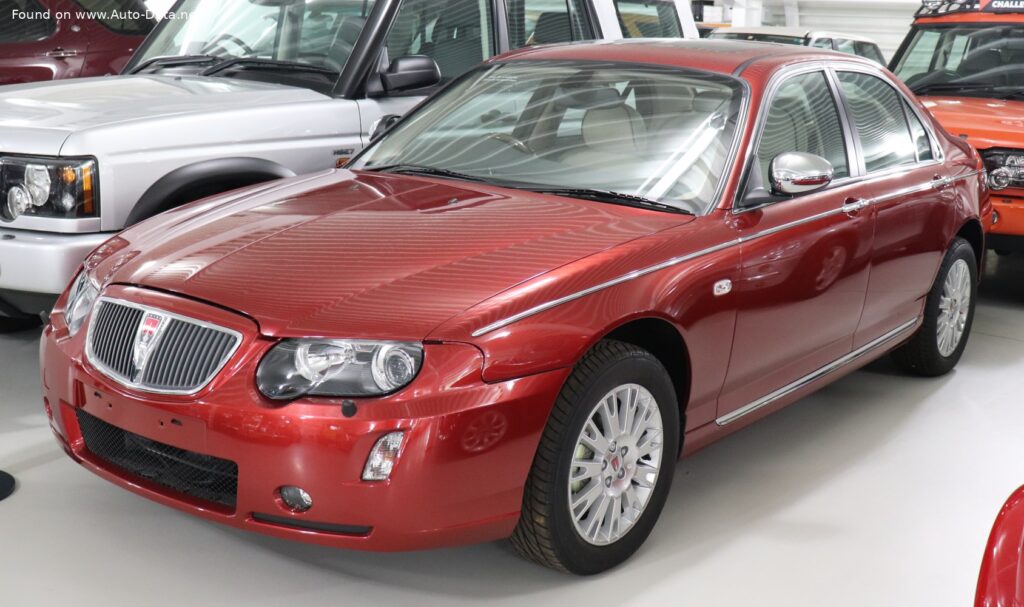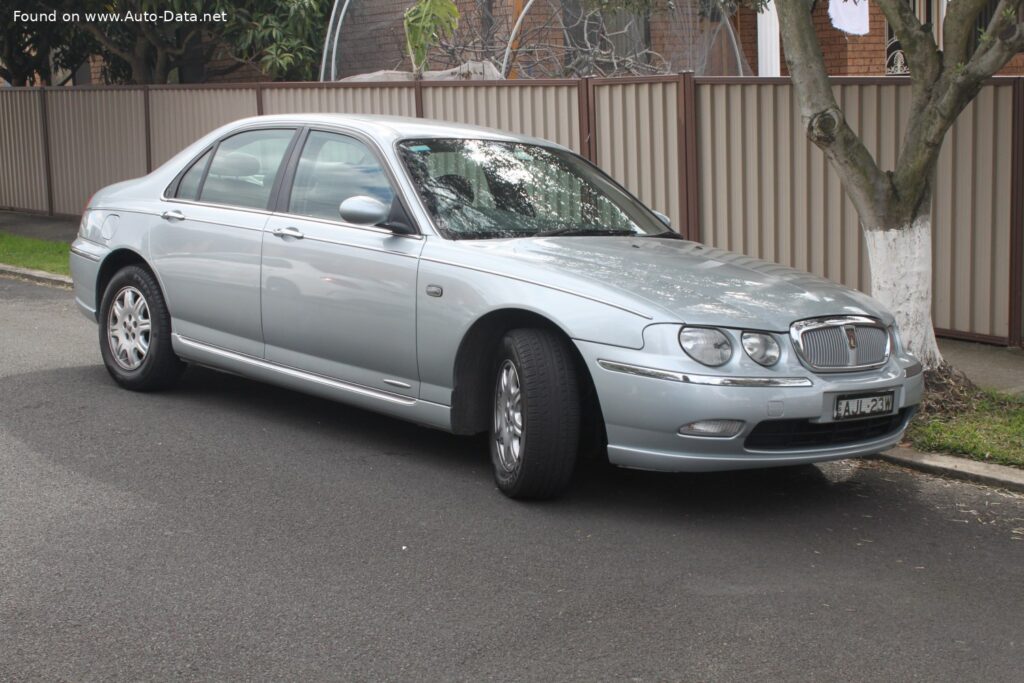
Introduction to the Rover 75 2.5 V6 (177 Hp)
The Rover 75 2.5 V6 (177 Hp) represents a significant, albeit challenging, chapter in the history of the British automotive industry. Launched in 1999, the Rover 75 was the last entirely new model developed by the Rover Group before its eventual collapse. Positioned as an executive compact car, it aimed to blend traditional British luxury and craftsmanship with modern engineering and design principles. Developed during BMW’s ownership of Rover, the 75 was intended to compete in the highly competitive European mid-size luxury segment, often going head-to-head with established German rivals such as the BMW 3-Series, Audi A4, and Mercedes-Benz C-Class.
The Rover 75, specifically the 2.5 V6 variant, was celebrated for its distinctive retro-futuristic styling, luxurious interior appointments, and a focus on ride comfort and refinement. Unlike many of its rear-wheel-drive competitors in the executive class, the 75 was built on a front-wheel-drive platform, a decision influenced by its development under BMW, which sought to differentiate it from their own offerings. The car’s production ran from 1999 until 2004 under the Rover brand, and continued briefly under MG Rover until 2005, with a subsequent revival in China. For the European market, the 75 was a statement of intent, a car designed to evoke Rover’s rich heritage while offering contemporary performance and amenities.
Engine and Performance of the Rover 75 2.5 V6 (177 Hp)
At the heart of the Rover 75 2.5 V6 (177 Hp) was the Rover KV6 engine, a sophisticated 2.5-liter (2497 cm³ or 152.38 cu. in.) V6 unit. This naturally aspirated gasoline engine featured a double overhead camshaft (DOHC) valvetrain with four valves per cylinder, contributing to its smooth operation and refined power delivery. With a compression ratio of 10.5:1 and a multi-port manifold injection system, the engine was designed for efficiency and responsiveness for its era.
The KV6 engine produced a respectable 177 horsepower at 6500 rpm, translating to a power-per-liter figure of 70.9 HP/l. Torque output was equally impressive for a naturally aspirated unit of its size, peaking at 177.01 lb.-ft. (240 Nm) at 4000 rpm. This power was channeled to the front wheels via a standard 5-speed manual transmission, offering an engaging driving experience.
In terms of performance, the Rover 75 2.5 V6 delivered a commendable acceleration from 0 to 60 mph in approximately 8.1 seconds. Its top speed was rated at 136.7 mph (220 km/h), making it a capable cruiser on European highways. Fuel economy figures, while not groundbreaking by today’s standards, were competitive for its class during its production run. The combined fuel consumption was around 24.5 US mpg (9.6 l/100 km), with extra-urban driving achieving up to 33.6 US mpg (7 l/100 km). CO2 emissions were recorded at 229 g/km, reflecting the technology prevalent at the turn of the millennium. The engine’s smooth character and the car’s refined dynamics made the 2.5 V6 a popular choice for those seeking a comfortable and capable executive sedan.
Design and Features
Exterior Design and Body Type
The Rover 75 adopted a classic, elegant sedan body type, featuring four doors and seating for five occupants. Its design was a deliberate nod to Rover’s rich heritage, incorporating retro styling cues with a modern execution. The exterior was characterized by a distinctive long hood, a relatively short trunk, and a prominent chrome grille flanked by quad headlamps. This “retro-chic” aesthetic set it apart from its more conservatively styled German competitors, giving it a unique presence on the road. The car’s dimensions, with a length of 186.89 inches (4747 mm) and a width of 70 inches (1778 mm), contributed to its dignified and substantial appearance. The 15-inch wheels, fitted with 205/65 R15 tires, perfectly complemented the car’s comfort-oriented suspension setup.
Interior Comfort and Amenities
Inside, the Rover 75 excelled in creating an atmosphere of traditional British luxury. The cabin was meticulously crafted, featuring high-quality materials, often including wood trim, chrome accents, and comfortable, supportive seating. The ergonomic layout of the dashboard and controls emphasized ease of use and a sense of understated elegance. With a generous wheelbase of 108.11 inches (2746 mm), the interior offered ample space for all five passengers, particularly in the rear, ensuring comfort on long journeys. The trunk capacity of 15.26 cu. ft. (432 liters) provided sufficient luggage space for family trips or business use.
Safety and Driver Assistance Systems
For its time, the Rover 75 incorporated essential safety features to protect its occupants. The vehicle was equipped with an Anti-lock Braking System (ABS), which significantly enhanced braking control during emergency stops. The braking system itself comprised ventilated discs at the front and solid discs at the rear, providing robust stopping power. Power steering, specifically a hydraulic rack and pinion system, ensured effortless maneuverability and a comfortable driving experience, characteristic of a car in its class. While not featuring the advanced suite of driver-assistance systems found in modern vehicles, the 75 provided a secure and stable platform for its occupants, with a focus on passive safety and predictable handling.
Technical Specifications: Rover 75 2.5 V6 (177 Hp)
| Category | Specification |
|---|---|
| General Information | |
| Brand | Rover |
| Model | 75 |
| Generation | 75 |
| Engine Type | 2.5 V6 (177 Hp) |
| Production Start | 1999 |
| Production End | 2004 |
| Powertrain Architecture | Internal Combustion Engine |
| Body Type | Sedan |
| Seats | 5 |
| Doors | 4 |
| Performance Specifications | |
| Fuel Consumption (Urban) | 14.0 l/100 km / 16.8 US mpg |
| Fuel Consumption (Extra Urban) | 7.0 l/100 km / 33.6 US mpg |
| Fuel Consumption (Combined) | 9.6 l/100 km / 24.5 US mpg |
| CO2 Emissions | 229 g/km |
| Fuel Type | Petrol (Gasoline) |
| Acceleration 0-60 mph | 8.1 seconds |
| Acceleration 0-100 km/h | 8.5 seconds |
| Maximum Speed | 136.7 mph (220 km/h) |
| Weight-to-Power Ratio | 8.2 kg/Hp, 122.5 Hp/tonne |
| Weight-to-Torque Ratio | 6 kg/Nm, 166.1 Nm/tonne |
| Engine Specifications | |
| Power | 177 Hp @ 6500 rpm |
| Power per Liter | 70.9 Hp/l |
| Torque | 177.01 lb.-ft. (240 Nm) @ 4000 rpm |
| Engine Layout | Front, Transverse |
| Engine Model/Code | KV6 / 25K4F |
| Engine Displacement | 2497 cm³ (152.38 cu. in.) |
| Number of Cylinders | 6 |
| Engine Configuration | V-engine |
| Cylinder Bore | 3.15 in. (80 mm) |
| Piston Stroke | 3.26 in. (82.8 mm) |
| Compression Ratio | 10.5:1 |
| Valves per Cylinder | 4 |
| Fuel Injection System | Multi-port manifold injection |
| Engine Aspiration | Naturally aspirated |
| Valvetrain | DOHC |
| Engine Oil Capacity | 5.2 l (5.49 US qt) |
| Engine Oil Specification | Not specified in data |
| Coolant Capacity | 7.5 l (7.93 US qt) |
| Dimensions, Volume & Weights | |
| Kerb Weight | 3185.68 lbs. (1445 kg) |
| Maximum Weight | 4409.25 lbs. (2000 kg) |
| Maximum Load | 1223.57 lbs. (555 kg) |
| Trunk (Boot) Space – Maximum | 15.26 cu. ft. (432 l) |
| Fuel Tank Capacity | 17.17 US gal (65 l) |
| Length | 186.89 in. (4747 mm) |
| Width | 70 in. (1778 mm) |
| Height | 56.06 in. (1424 mm) |
| Wheelbase | 108.11 in. (2746 mm) |
| Front Track | 59.25 in. (1505 mm) |
| Rear Track | 59.25 in. (1505 mm) |
| Drivetrain, Brakes & Suspension | |
| Drivetrain Architecture | Front-wheel drive (ICE drives front wheels) |
| Drive Wheel | Front-wheel drive |
| Gearbox Type | 5-speed manual transmission |
| Front Suspension | Wishbone |
| Rear Suspension | Coil spring |
| Front Brakes | Ventilated discs |
| Rear Brakes | Disc |
| Assisting Systems | ABS (Anti-lock braking system) |
| Steering Type | Steering rack and pinion |
| Power Steering | Hydraulic Steering |
| Tire Size | 205/65 R15 |
Legacy and Market Impact of the Rover 75 2.5 V6 (177 Hp)
The Rover 75 arrived at a pivotal moment for the British automotive industry, representing a final, ambitious attempt by the Rover Group to re-establish itself as a premium player in the European market. The Rover 75 2.5 V6 (177 Hp), with its unique blend of retro-inspired design, refined comfort, and a smooth V6 engine, carved out a distinct niche for itself. It was often lauded for its quiet cabin, supple ride quality, and a driving experience that prioritized comfort and relaxation over outright sportiness, distinguishing it from the more dynamically focused German rivals.
Despite being developed under BMW’s ownership, the Rover 75 retained a strong sense of British identity, both in its styling and its commitment to traditional luxury. Its competitors in the European market included the BMW 3 Series, Audi A4, and Mercedes-Benz C-Class, though the 75 often appealed to a slightly different buyer seeking a more characterful and less aggressive alternative. It also competed with models like the Volvo S60 and the Saab 9-3, offering a unique blend of elegance and value.
The reputation of the Rover 75 was generally positive among owners and critics for its build quality and refinement, a testament to the engineering input it received during the BMW era. However, its market impact was ultimately hampered by the ongoing financial troubles and uncertain future of the Rover brand itself. Following BMW’s divestment, the car continued production under the MG Rover Group, where it also spawned the more sporting MG ZT variant.
Historically, the Rover 75 is often regarded as one of the last truly “British” luxury cars and a poignant symbol of the end of an era for the UK’s indigenous volume car manufacturing. Its eventual discontinuation in 2005, alongside the collapse of MG Rover, marked a significant moment in automotive history. Today, the Rover 75 2.5 V6 is appreciated by enthusiasts for its distinctive styling, comfortable ride, and the smooth performance of its V6 engine. It stands as a testament to what British luxury could achieve, even under challenging circumstances, and remains a comfortable and characterful choice in the used car market for those seeking a touch of classic British motoring charm.