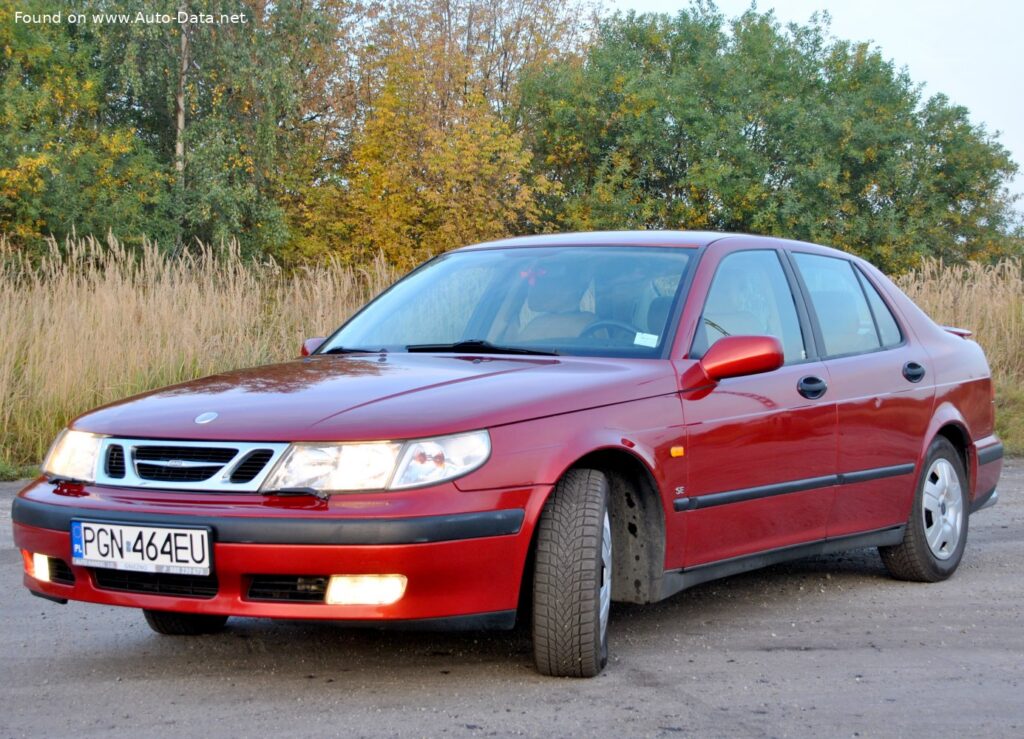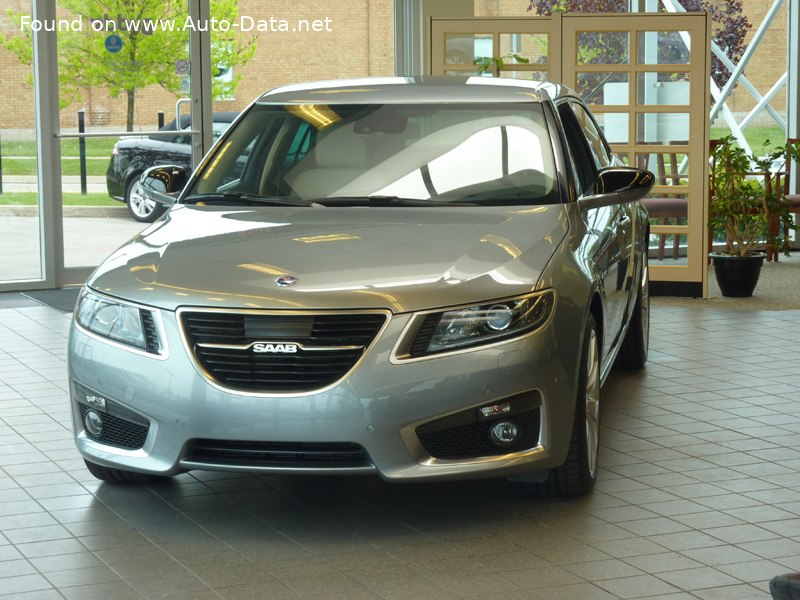
The Saab 9-5 II 2.8i V6 (300 Hp) XWD Automatic represents the pinnacle of the Swedish automaker’s second-generation flagship sedan, a vehicle that, despite its brief production run from October 2009 to March 2011, left an indelible mark on automotive enthusiasts and design aficionados. Positioned firmly in the executive sedan segment, this iteration of the 9-5 was conceived during a tumultuous period for Saab Automobile, under the stewardship of General Motors. It aimed to redefine the brand’s presence with a blend of distinctive Scandinavian design, advanced engineering, and robust performance. While its predecessor had established a loyal following, the 9-5 II sought to push boundaries with a larger, more assertive stance and a suite of modern technologies. For many, this particular variant, with its potent V6 engine and sophisticated all-wheel-drive system, embodied the ultimate expression of Saab’s unique approach to luxury and driving dynamics, even if its broader market impact, particularly in the United States, was limited by the company’s eventual fate. It served as a testament to Saab’s enduring commitment to innovation, safety, and a driver-centric experience, offering a compelling alternative in a segment often dominated by German rivals.
The Saab 9-5 II 2.8i V6 (300 Hp) XWD Automatic: A Flagship Reimagined
The second-generation Saab 9-5, unveiled in 2009, was a bold statement of intent, signaling a new design direction and a significant step forward in engineering for the Swedish brand. This particular model, the 2.8i V6 (300 Hp) XWD Automatic, was the range-topping performance variant, designed to offer a compelling blend of power, luxury, and all-weather capability. Built on GM’s Epsilon II platform, shared with vehicles like the Buick LaCrosse and Opel Insignia, the 9-5 II nonetheless maintained a distinctly Saab identity. Its design ethos was heavily influenced by Saab’s aviation heritage, featuring a wraparound windshield reminiscent of a cockpit, a “black panel” instrument display, and a sleek, aerodynamic silhouette. The car’s extended wheelbase and overall dimensions contributed to a more imposing road presence and significantly improved interior space compared to its predecessor. Despite its relatively short time in production, the 9-5 II, especially in this high-performance configuration, is remembered as a testament to Saab’s final, ambitious vision for its future.
Engineering and Performance: The Heart of the Saab 9-5 II 2.8i V6
At the core of the Saab 9-5 II 2.8i V6 (300 Hp) XWD Automatic lies a formidable powertrain engineered for both exhilarating performance and refined cruising. The vehicle is propelled by a turbocharged 2.8-liter V6 engine, designated A28NER, configured in a V-engine layout with six cylinders. This robust engine delivers an impressive 300 horsepower at 5500 rpm, translating to a specific output of 107.4 horsepower per liter. Equally significant is the substantial torque output of 400 Nm, or 295.02 lb.-ft., which becomes fully available at a remarkably low 2000 rpm. This broad torque band ensures strong, immediate acceleration and flexible in-gear performance, making for effortless overtaking and confident highway driving. The engine’s advanced turbocharger and intercooler system contribute to its high power output while maintaining efficiency.
Power is channeled through a sophisticated 6-speed automatic transmission, ensuring smooth and responsive shifts that complement the engine’s power delivery. A key differentiator for this model is Saab’s advanced XWD (Cross-Wheel Drive) system, which intelligently distributes torque between the front and rear axles, and even between the rear wheels via an electronic limited-slip differential. This not only enhances traction and stability in adverse weather conditions but also significantly improves handling dynamics, allowing for a more engaging and controlled driving experience. The combination of a powerful V6, responsive automatic gearbox, and the XWD system results in a weight-to-power ratio of 6.3 kg/Hp (159.2 Hp/tonne) and a weight-to-torque ratio of 4.7 kg/Nm (212.2 Nm/tonne), indicating a well-balanced performance package for a luxury sedan of its size. Fuel economy figures stand at an urban consumption of 13.8 liters per 100 km (17 US mpg) and an extra-urban consumption of 8.7 liters per 100 km (27 US mpg), respectable for a high-performance, all-wheel-drive vehicle of its class.
Dynamic Driving Experience
Beyond raw power, the Saab 9-5 II 2.8i V6 (300 Hp) XWD Automatic was engineered for a refined yet engaging driving experience. The independent McPherson front suspension and multi-link independent rear suspension system were meticulously tuned to provide a comfortable ride without sacrificing dynamic capability. This setup, combined with the precise electric power steering system, offered excellent road feedback and responsiveness. Braking performance was equally robust, featuring ventilated discs on both the front and rear axles, complemented by an Anti-lock Braking System (ABS) for enhanced stopping power and control in emergency situations. The vehicle’s overall chassis dynamics, coupled with its advanced XWD system, allowed it to tackle various road conditions with confidence, offering a secure and predictable ride that was characteristic of Saab’s engineering philosophy. The choice of 245/45 R18 100H or 245/40 R19 98Y tires on 18 or 19-inch wheel rims further contributed to its grip and aesthetic appeal, ensuring that the car not only performed well but also looked the part of a premium sport sedan.
Design Philosophy and Interior Sophistication
The design of the Saab 9-5 II was a radical departure from its predecessor, embracing a more modern, stretched, and aerodynamic aesthetic while retaining signature Saab cues. Its sedan body type, with four doors and seating for five, exuded a sense of understated luxury and substantial presence. The vehicle measured an impressive 197.2 inches in length, 83.19 inches in width, and 57.72 inches in height, with a generous wheelbase of 111.69 inches, contributing to both its stable stance and spacious interior. The sleek lines and tapered roofline helped achieve an excellent drag coefficient (Cd) of 0.28, which not only enhanced fuel efficiency but also reduced wind noise at higher speeds, contributing to a quieter cabin experience.
Inside, the 9-5 II continued Saab’s tradition of driver-focused ergonomics and thoughtful design. While specific interior features beyond the general layout are not detailed in the provided data, Saab’s reputation suggests a cabin crafted with high-quality materials, comfortable seating, and an intuitive layout. The trunk space offered a substantial 18.12 cubic feet (513 liters), providing ample room for luggage and cargo, underscoring its practicality as a long-distance cruiser or a family vehicle. The overall design language, both inside and out, aimed to create a distinctive, sophisticated, and user-friendly environment, embodying the essence of Scandinavian design.
Safety and Driver Assistance
Saab has long been synonymous with automotive safety, and the 9-5 II was no exception. While the provided data explicitly mentions only ABS (Anti-lock Braking System) as an assisting system, it can be inferred that a vehicle of this caliber and era from a brand with Saab’s safety heritage would have included a comprehensive suite of passive and active safety features. These would typically encompass multiple airbags (front, side, curtain), electronic stability control (ESC), traction control, and perhaps advanced driver-assistance systems that were emerging at the time. Saab’s approach to safety extended beyond mere compliance, often pioneering features like active head restraints and robust structural integrity designed to protect occupants in a wide range of collision scenarios. The strong chassis, capable braking system, and all-wheel-drive capability of the 2.8i V6 XWD Automatic variant further contributed to its overall safety profile by enhancing accident avoidance capabilities.
Technical Specifications
| Brand | Saab |
| Model | 9-5 |
| Generation | 9-5 II |
| Type (Engine) | 2.8i V6 (300 Hp) XWD Automatic |
| Start of production | October, 2009 year |
| End of production | March, 2011 year |
| Powertrain Architecture | Internal Combustion engine |
| Body type | Sedan |
| Seats | 5 |
| Doors | 4 |
| Fuel consumption (economy) – urban | 13.8 l/100 km (17 US mpg) |
| Fuel consumption (economy) – extra urban | 8.7 l/100 km (27 US mpg) |
| Fuel Type | Petrol (Gasoline) |
| Weight-to-power ratio | 6.3 kg/Hp, 159.2 Hp/tonne |
| Weight-to-torque ratio | 4.7 kg/Nm, 212.2 Nm/tonne |
| Power | 300 Hp @ 5500 rpm. |
| Power per litre | 107.4 Hp/l |
| Torque | 400 Nm @ 2000 rpm (295.02 lb.-ft. @ 2000 rpm) |
| Engine layout | Front, Transverse |
| Engine Model/Code | A28NER |
| Engine displacement | 2792 cm3 (170.38 cu. in.) |
| Number of cylinders | 6 |
| Engine configuration | V-engine |
| Cylinder Bore | 89 mm (3.5 in.) |
| Piston Stroke | 74.8 mm (2.94 in.) |
| Compression ratio | 9.5:1 |
| Number of valves per cylinder | 4 |
| Engine aspiration | Turbocharger, Intercooler |
| Engine oil capacity | 6.3 l (6.66 US qt) |
| Kerb Weight | 1885-1975 kg (4155.71 – 4354.13 lbs.) |
| Max. weight | 2430 kg (5357.23 lbs.) |
| Max load | 455-545 kg (1003.1 – 1201.52 lbs.) |
| Trunk (boot) space – minimum | 513 l (18.12 cu. ft.) |
| Fuel tank capacity | 68 l (17.96 US gal) |
| Permitted trailer load with brakes (12%) | 2000 kg (4409.25 lbs.) |
| Length | 5009 mm (197.2 in.) |
| Width | 2113 mm (83.19 in.) |
| Height | 1466 mm (57.72 in.) |
| Wheelbase | 2837 mm (111.69 in.) |
| Drag coefficient (Cd) | 0.28 |
| Drive wheel | All wheel drive (4×4) |
| Number of gears and type of gearbox | 6 gears, automatic transmission |
| Front suspension | Independent type McPherson |
| Rear suspension | Independent multi-link suspension |
| Front brakes | Ventilated discs |
| Rear brakes | Ventilated discs |
| Assisting systems | ABS (Anti-lock braking system) |
| Steering type | Steering rack and pinion |
| Power steering | Electric Steering |
| Tires size | 245/45 R18 100H; 245/40 R19 98Y |
| Wheel rims size | 18; 19 |