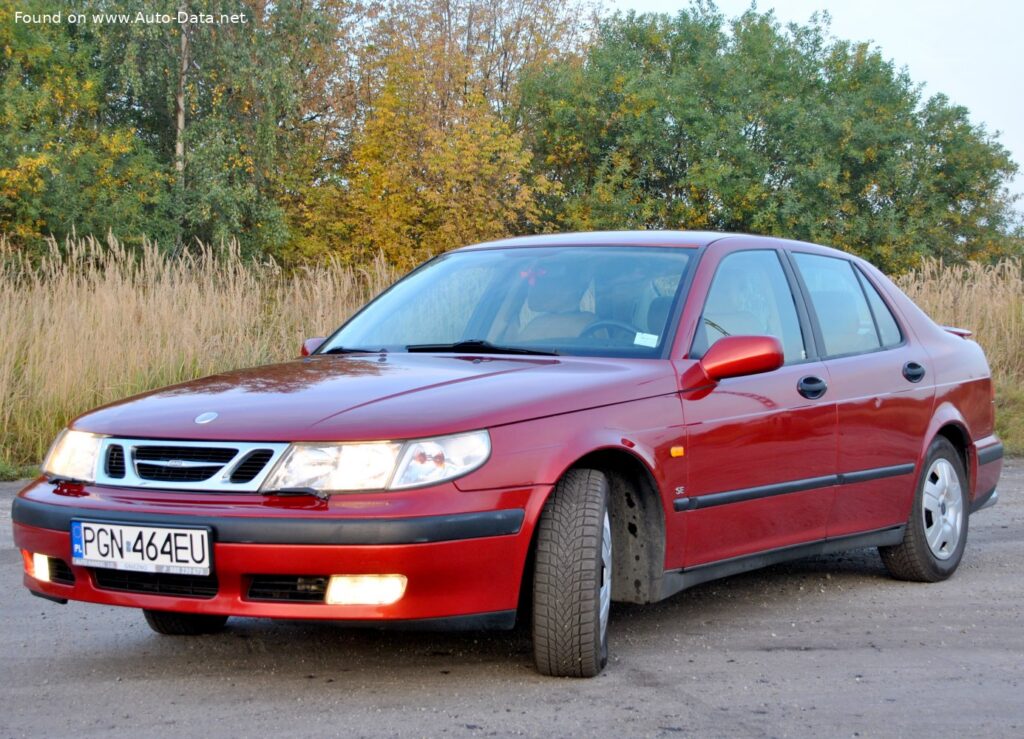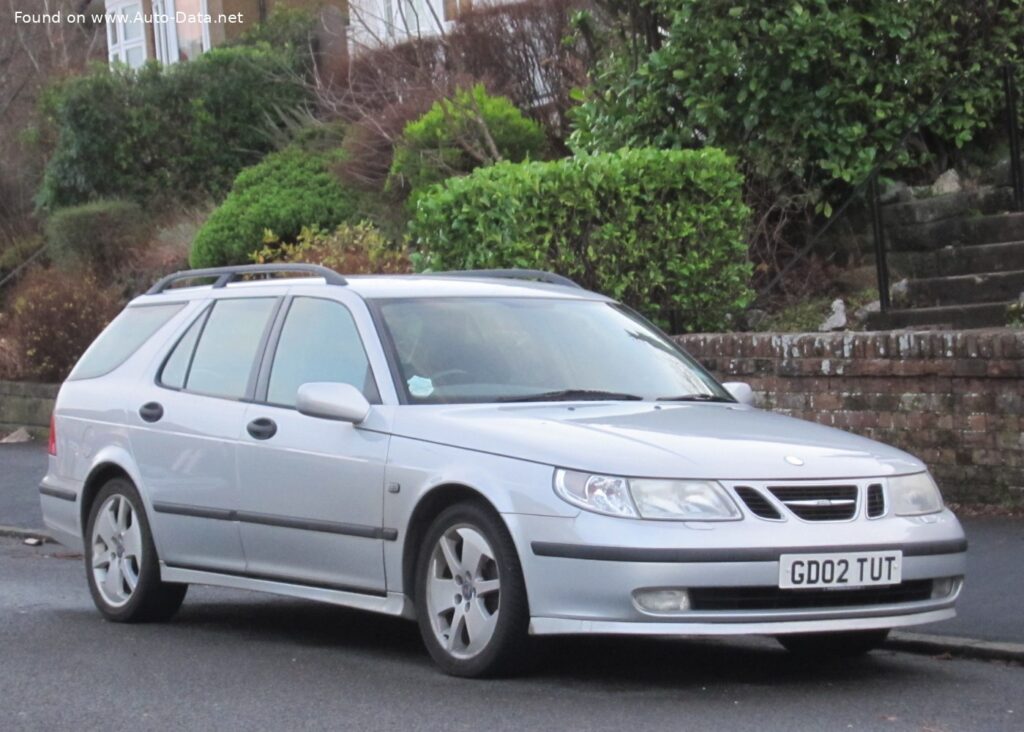
The Saab 9-5 Sport Combi, particularly the facelifted model introduced in 2001, represents a distinctive chapter in the history of the Swedish automaker. This executive-class station wagon, or “estate” as it’s known in many global markets, embodied Saab’s unique blend of turbocharged performance, practical utility, and idiosyncratic design philosophy. Positioned as a premium alternative to more conventional German and American offerings, the 9-5 Sport Combi appealed to buyers seeking individuality, advanced safety features, and a driving experience rooted in aviation heritage. The 2001 facelift brought subtle yet significant refinements to the second generation of the 9-5, enhancing its aesthetic appeal and technological offerings while retaining its core identity. The 2.3 T variant, with its robust 250 horsepower engine, stood out as a performance-oriented option within the lineup, offering a compelling combination of speed and cargo capacity for the discerning driver.
Engine and Performance of the Saab 9-5 Sport Combi (facelift 2001)
At the heart of the 2001 Saab 9-5 Sport Combi 2.3 T lies a potent 2.3-liter turbocharged inline-four engine, designated with the internal code B235R. This powertrain was a hallmark of Saab engineering, delivering a significant 250 horsepower at 5300 rpm. What truly set this engine apart was its impressive torque output: a robust 350 Nm, or 258.15 lb.-ft., available from a remarkably low 1900 rpm. This broad torque band was a direct benefit of Saab’s sophisticated turbocharging and intercooling system, providing exhilarating acceleration and effortless passing power, characteristics often associated with larger, naturally aspirated engines.
The engine’s configuration featured four cylinders in an inline layout, with a square bore and stroke of 90 mm (3.54 inches) each, contributing to a balanced and responsive power delivery. A DOHC (Double Overhead Camshaft) valvetrain with four valves per cylinder ensured optimal airflow for combustion, further aided by a multi-port manifold injection system. The compression ratio of 9.3:1 was carefully chosen to balance performance with fuel efficiency, considering the forced induction. With an engine displacement of 2290 cubic centimeters (139.74 cubic inches), the power density was impressive at 109.2 horsepower per liter.
Mated to a precise 5-speed manual transmission, the 2.3 T engine propelled the Sport Combi from 0 to 60 mph in a swift 6.9 seconds, with 0-62 mph (100 km/h) taking just 7.3 seconds. This was a remarkable feat for a family-oriented station wagon of its era. The maximum speed was rated at 152.24 mph (245 km/h), firmly placing it in the realm of performance sedans. Despite its spirited performance, Saab also engineered for reasonable fuel economy for its class. The combined fuel consumption was rated at 26.1 US mpg (9.0 l/100 km), with extra-urban driving yielding an impressive 35.1 US mpg (6.7 l/100 km), showcasing the efficiency benefits of a well-integrated turbocharged engine. The powertrain architecture was front-wheel drive, typical for Saab, ensuring predictable handling and traction.
Design and Features of the Saab 9-5 Sport Combi (facelift 2001)
Exterior Design and Aerodynamics
The 2001 facelift of the Saab 9-5 Sport Combi brought a refreshed aesthetic that subtly modernized its appearance while retaining its distinctive Saab identity. The overall length of 190.08 inches (4828 mm) and width of 70.55 inches (1792 mm) contributed to a substantial road presence, emphasizing its executive class positioning. Saab’s design philosophy always prioritized aerodynamics, and the sleek lines of the Sport Combi were a testament to this, designed not just for visual appeal but also for reduced drag and improved fuel efficiency. The wagon body type, or “estate,” seamlessly integrated a spacious cargo area without compromising the car’s elegant profile. The facelift introduced revised front and rear fascias, updated lighting elements, and new wheel designs, including the 6.5J x 17-inch rims fitted with 225/45 R17 tires, which contributed to both the car’s athletic stance and handling capabilities. The height of 59.09 inches (1501 mm) provided ample headroom while maintaining a sporty silhouette.
Interior, Comfort, and Practicality
Inside, the Saab 9-5 Sport Combi was a sanctuary of ergonomic design and practical luxury. With seating for five occupants and five doors, it offered excellent accessibility and versatility. Saab interiors were renowned for their focus on driver control and passenger comfort, often drawing inspiration from the brand’s aviation heritage. The cockpit was thoughtfully laid out, with controls intuitively placed and instruments designed for clarity. A unique “Night Panel” feature allowed drivers to dim all non-essential dashboard lights, minimizing distractions during nighttime driving. The Sport Combi’s primary appeal lay in its exceptional cargo capacity. With the rear seats in place, it offered a generous 14.69 cubic feet (416 liters) of trunk space, expanding to an impressive 52.62 cubic feet (1490 liters) with the rear seats folded down, making it highly practical for families and those needing significant hauling capability. This combination of comfortable seating, thoughtful amenities, and substantial cargo volume made the 9-5 Sport Combi a highly versatile vehicle for both daily commutes and long-distance travel.
Chassis, Safety, and Driving Dynamics
Saab engineered the 9-5 Sport Combi with a strong emphasis on safety and dynamic stability. The robust chassis incorporated advanced structural integrity to protect occupants. Standard assisting systems included ABS (Anti-lock Braking System), enhancing braking control under various conditions. The braking system itself featured ventilated discs at the front and solid discs at the rear, providing strong and consistent stopping power. The suspension system utilized a Spring Strut setup for both the front and rear axles, tuned to deliver a comfortable ride without sacrificing Saab’s characteristic handling precision. The front and rear track widths of 59.92 inches (1522 mm) and a wheelbase of 106.42 inches (2703 mm) contributed to the vehicle’s stable and composed demeanor on the road. Steering was managed by a hydraulic rack and pinion system, offering direct feedback and a connected driving feel. With a curb weight of 3659.67 lbs (1660 kg) and a maximum permissible weight of 4695.85 lbs (2130 kg), the 9-5 Sport Combi was a substantial vehicle, yet its well-engineered dynamics ensured a confident and engaging driving experience.
Technical Specifications
| General Information | |
| Brand | Saab |
| Model | 9-5 |
| Generation | 9-5 Sport Combi (facelift 2001) |
| Type (Engine) | 2.3 T (250 Hp) |
| Start of production | 2001 year |
| End of production | 2005 year |
| Powertrain Architecture | Internal Combustion engine |
| Body type | Station wagon (estate) |
| Seats | 5 |
| Doors | 5 |
| Performance Specs | |
| Fuel consumption (economy) – urban | 18.2 US mpg (12.9 l/100 km) |
| Fuel consumption (economy) – extra urban | 35.1 US mpg (6.7 l/100 km) |
| Fuel consumption (economy) – combined | 26.1 US mpg (9.0 l/100 km) |
| Fuel Type | Petrol (Gasoline) |
| Acceleration 0 – 62 mph (0 – 100 km/h) | 7.3 sec |
| Acceleration 0 – 60 mph | 6.9 sec |
| Maximum speed | 152.24 mph (245 km/h) |
| Weight-to-power ratio | 6.6 kg/Hp, 150.6 Hp/tonne |
| Weight-to-torque ratio | 4.7 kg/Nm, 210.8 Nm/tonne |
| Engine Specs | |
| Power | 250 Hp @ 5300 rpm |
| Power per liter | 109.2 Hp/l |
| Torque | 258.15 lb.-ft. @ 1900 rpm (350 Nm @ 1900 rpm) |
| Engine layout | Front, Transverse |
| Engine Model/Code | B235R |
| Engine displacement | 139.74 cu. in. (2290 cm3) |
| Number of cylinders | 4 |
| Engine configuration | Inline |
| Cylinder Bore | 3.54 in. (90 mm) |
| Piston Stroke | 3.54 in. (90 mm) |
| Compression ratio | 9.3:1 |
| Number of valves per cylinder | 4 |
| Fuel injection system | Multi-port manifold injection |
| Engine aspiration | Turbocharger, Intercooler |
| Valvetrain | DOHC |
| Engine oil capacity | 4.23 US qt (4 l) |
| Coolant | 7.82 US qt (7.4 l) |
| Space, Volume and Weights | |
| Kerb Weight | 3659.67 lbs (1660 kg) |
| Max. weight | 4695.85 lbs (2130 kg) |
| Max load | 1036.17 lbs (470 kg) |
| Trunk (boot) space – minimum | 14.69 cu. ft. (416 l) |
| Trunk (boot) space – maximum | 52.62 cu. ft. (1490 l) |
| Fuel tank capacity | 18.49 US gal (70 l) |
| Dimensions | |
| Length | 190.08 in. (4828 mm) |
| Width | 70.55 in. (1792 mm) |
| Height | 59.09 in. (1501 mm) |
| Wheelbase | 106.42 in. (2703 mm) |
| Front track | 59.92 in. (1522 mm) |
| Rear (Back) track | 59.92 in. (1522 mm) |
| Drivetrain, Brakes and Suspension Specs | |
| Drivetrain Architecture | The Internal combustion engine (ICE) drives the front wheels of the vehicle. |
| Drive wheel | Front wheel drive |
| Number of gears and type of gearbox | 5 gears, manual transmission |
| Front suspension | Spring Strut |
| Rear suspension | Spring Strut |
| Front brakes | Ventilated discs |
| Rear brakes | Disc |
| Assisting systems | ABS (Anti-lock braking system) |
| Steering type | Steering rack and pinion |
| Power steering | Hydraulic Steering |
| Tires size | 225/45 R17 |
| Wheel rims size | 6.5J x 17 |