
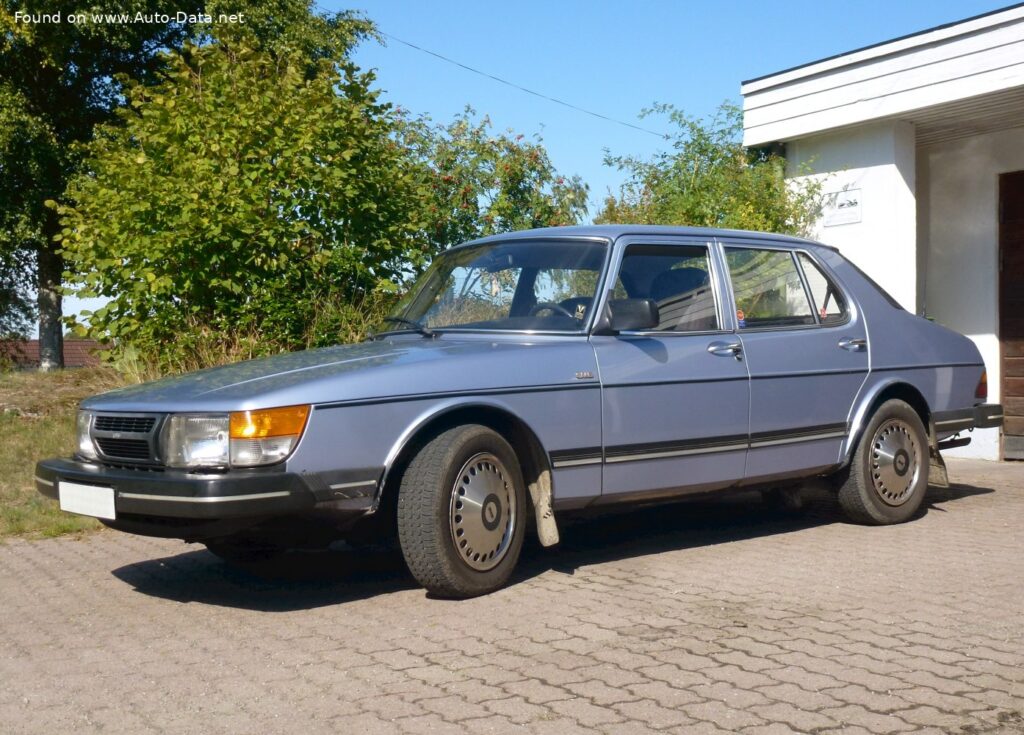
The Saab 900, particularly the first generation (900 I) produced from 1978 to 1987, represents a pivotal moment in the Swedish automaker’s history. Introduced as a replacement for the long-running Saab 96, the 900 aimed to modernize the brand while retaining the quirky, engineering-focused character that defined Saab. The 2.0i variant, produced from 1985-1986, was a key iteration, offering a balance of performance and fuel efficiency within the 900 lineup. While Saab never achieved massive sales volumes in the United States, the 900 cultivated a devoted following among those who appreciated its unique design, robust construction, and driver-focused experience. This model established Saab as a distinctive alternative to mainstream European and Japanese offerings.
The Saab 900 I 2.0i: A Detailed Overview
The 900 I, and specifically the 2.0i model, was designed with a strong emphasis on safety and practicality. It was a four-door sedan, offering seating for five passengers, and represented a significant step up in terms of interior space and comfort compared to its predecessor. The 2.0i designation refers to the engine displacement, and this version was positioned as a mid-range offering within the first-generation 900 family. It was sold primarily in Europe and Australia, with limited imports to the United States. The car’s enduring appeal lies in its blend of Scandinavian design principles – functionality, simplicity, and durability – with Saab’s characteristic engineering innovations.
Engine & Performance
The heart of the Saab 900 I 2.0i is the B201 engine, a naturally aspirated 2.0-liter inline-four cylinder gasoline engine. This engine produced 110 horsepower, providing adequate performance for the era. While not a sports car, the 900 2.0i offered respectable acceleration and cruising ability. The B201 was known for its robustness and reliability, a hallmark of Saab engineering. It featured a cast iron block and an aluminum cylinder head, contributing to its durability. Fuel delivery was managed by a Bosch mechanical fuel injection system, a relatively advanced feature for the mid-1980s.
Power was delivered to the front wheels through a four-speed manual transmission or, optionally, a three-speed automatic transmission. The front-wheel-drive layout, while becoming increasingly common, was still relatively novel in the mid-1980s and contributed to the 900’s stable handling characteristics, particularly in adverse weather conditions. The 900’s suspension system, featuring independent front suspension and a solid rear axle, was tuned for comfort and stability rather than outright sportiness. This resulted in a ride that was generally considered compliant and forgiving, even on less-than-perfect road surfaces.
Design & Features
The Saab 900 I’s design was instantly recognizable, characterized by its distinctive wedge shape and aerodynamic styling. The front end featured a prominent grille and round headlights, while the rear end was defined by its fastback profile. The car’s body was constructed using a robust unibody structure, prioritizing safety. Inside, the 900 I offered a functional and ergonomically designed cabin. The dashboard was angled towards the driver, placing controls within easy reach. Seats were supportive and comfortable, even on long journeys.
Safety was a key consideration in the 900’s design. It featured reinforced steel beams in the doors for side impact protection, a relatively advanced feature for the time. The steering column was designed to collapse in the event of a collision, reducing the risk of driver injury. While not equipped with modern safety features like airbags or anti-lock brakes, the 900 I offered a level of passive safety that was commendable for its era. Other notable features included a heated rear window, a basic sound system, and optional power windows and central locking. The 900’s ventilation system was particularly effective, offering good airflow and demisting capabilities.
Technical Specifications
| Brand | Saab |
| Model | 900 |
| Generation | 900 I |
| Type (Engine) | 2.0 i (110 Hp) |
| Start of production | 1985 |
| End of production | 1986 |
| Powertrain Architecture | Internal Combustion engine |
| Body type | Sedan |
| Seats | 5 |
| Doors | 4 |
| Fuel Type | Petrol (Gasoline) |
| Power | 110 Hp |
| Engine Model/Code | B201 |
| Engine aspiration | Naturally aspirated engine |
| Engine oil capacity | 3.8 l / 4.02 US qt | 3.34 UK qt |
| Coolant capacity | 10 l / 10.57 US qt | 8.8 UK qt |
The Saab 900 I 2.0i, while a relatively modest performer by today’s standards, remains a significant vehicle in automotive history. It represents a high point in Saab’s commitment to innovative engineering and distinctive design. Its enduring appeal lies in its blend of practicality, safety, and character, making it a sought-after classic among enthusiasts who appreciate its unique qualities. The 900 I laid the foundation for future Saab models and cemented the brand’s reputation as a maker of unconventional and thoughtfully engineered automobiles. Though production of the 900 I was relatively short-lived, its impact on the automotive landscape continues to be felt today.
