
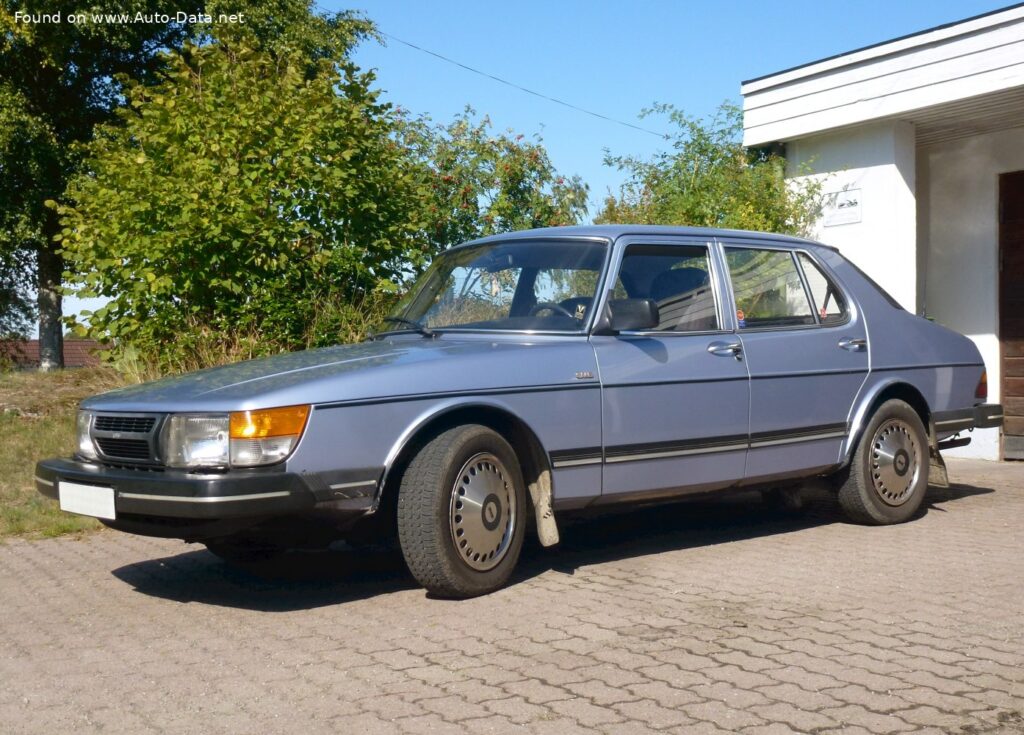
The Saab 900, specifically the first generation (900 I) produced from 1978 to 1987, represents a pivotal moment in the Swedish automaker’s history. Introduced as a replacement for the long-running Saab 96, the 900 aimed to modernize the brand while retaining the quirky, engineering-focused character that defined Saab. The 2.0i variant, producing 115 horsepower, was a key model within the 900 range, offering a balance of performance and fuel economy for the European market. While never officially sold in large numbers in the United States during its initial production run, the 900 gained a devoted following among enthusiasts who appreciated its unique design, robust construction, and driver-focused experience. The 900 I established Saab as a distinctive alternative to mainstream European and Japanese sedans.
The Saab 900 I 2.0i: A Legacy of Scandinavian Engineering
The Saab 900 I wasn’t simply a replacement for the 96; it was a complete re-think of the compact car. Saab engineers prioritized safety, aerodynamics, and driver comfort, resulting in a vehicle that stood apart from its contemporaries. The 900’s design, penned by Italian firm Bertone, was a departure from the more rounded shapes of the 96, adopting a more angular and modern aesthetic. The 2.0i model, with its larger engine, offered improved performance compared to the base models, making it a popular choice for drivers who wanted a more engaging driving experience. The car’s reputation for durability and reliability, coupled with its distinctive styling, helped build a loyal customer base, particularly in Europe.
Engine & Performance
The heart of the Saab 900 I 2.0i is the B201 engine, a naturally aspirated 2.0-liter inline-four cylinder gasoline engine. This engine produced 115 horsepower, a significant increase over the smaller engines available in the 900 range. The B201 featured a cast iron block and an aluminum cylinder head, a common configuration for engines of the era. Fuel delivery was managed by a Bosch mechanical fuel injection system, providing a balance between performance and efficiency. The engine’s torque output, while not exceptionally high by modern standards, was sufficient for comfortable cruising and overtaking.
Power was delivered to the front wheels through a four-speed manual or three-speed automatic transmission. The front-wheel-drive layout, relatively uncommon in European cars at the time, contributed to the 900’s good handling characteristics, particularly in slippery conditions. The 900 I 2.0i wasn’t designed for outright speed, but its responsive engine and well-tuned suspension made it an enjoyable car to drive on winding roads. Acceleration from 0 to 60 mph was typically around 10-11 seconds, respectable for a car of its size and era. The engine’s robust construction and relatively simple design contributed to its longevity and ease of maintenance.
Design & Features
The Saab 900 I’s body style is a four-door sedan, offering practical space for five passengers. The car’s design emphasized aerodynamics, with a sloping hood and a fastback roofline. The distinctive Saab grille, with its integrated headlights, became a signature styling element. Inside, the 900 I featured a functional and ergonomically designed interior. The dashboard was angled towards the driver, and the controls were logically laid out.
Safety was a key consideration in the 900’s design. The car featured a reinforced safety cage, crumple zones, and a collapsible steering column, all designed to protect occupants in the event of a collision. These features were relatively advanced for the late 1970s and early 1980s. Other notable features included ventilated front disc brakes, a relatively spacious trunk, and comfortable seating. The 900 I also benefited from Saab’s reputation for building durable and reliable cars, making it a practical choice for everyday use. The car’s heating and ventilation system was particularly effective, a welcome feature in Scandinavian climates. While not luxurious by modern standards, the 900 I offered a comfortable and well-equipped interior for its time.
Technical Specifications
| Brand | Saab |
| Model | 900 |
| Generation | 900 I |
| Type (Engine) | 2.0 i (115 Hp) |
| Start of production | 1980 |
| End of production | 1986 |
| Powertrain Architecture | Internal Combustion engine |
| Body type | Sedan |
| Seats | 5 |
| Doors | 4 |
| Fuel Type | Petrol (Gasoline) |
| Power | 115 Hp |
| Engine Model/Code | B201 |
| Engine aspiration | Naturally aspirated engine |
| Engine oil capacity | 3.8 l / 4.02 US qt | 3.34 UK qt |
| Coolant capacity | 10 l / 10.57 US qt | 8.8 UK qt |
The Saab 900 I 2.0i, while not a high-volume seller in the United States during its original production run, has become a sought-after classic car among enthusiasts. Its unique design, robust engineering, and driver-focused experience continue to appeal to those who appreciate a distinctive and well-built automobile. The 900 I laid the foundation for Saab’s future success and cemented the brand’s reputation as an innovator in automotive design and safety. The car’s enduring popularity is a testament to the quality of its engineering and the enduring appeal of its Scandinavian design.
