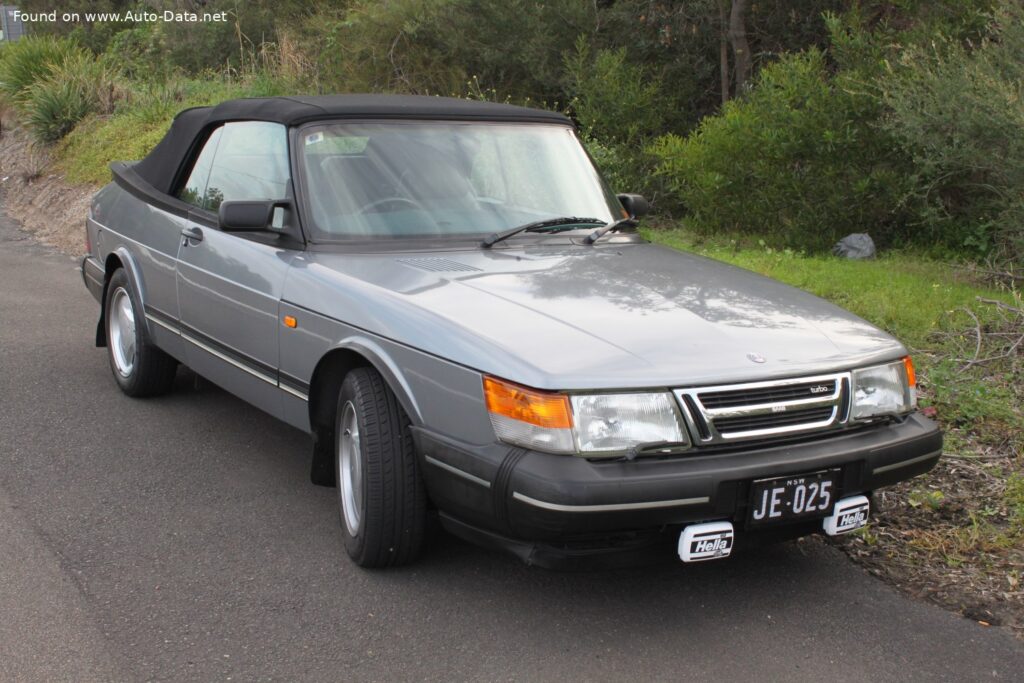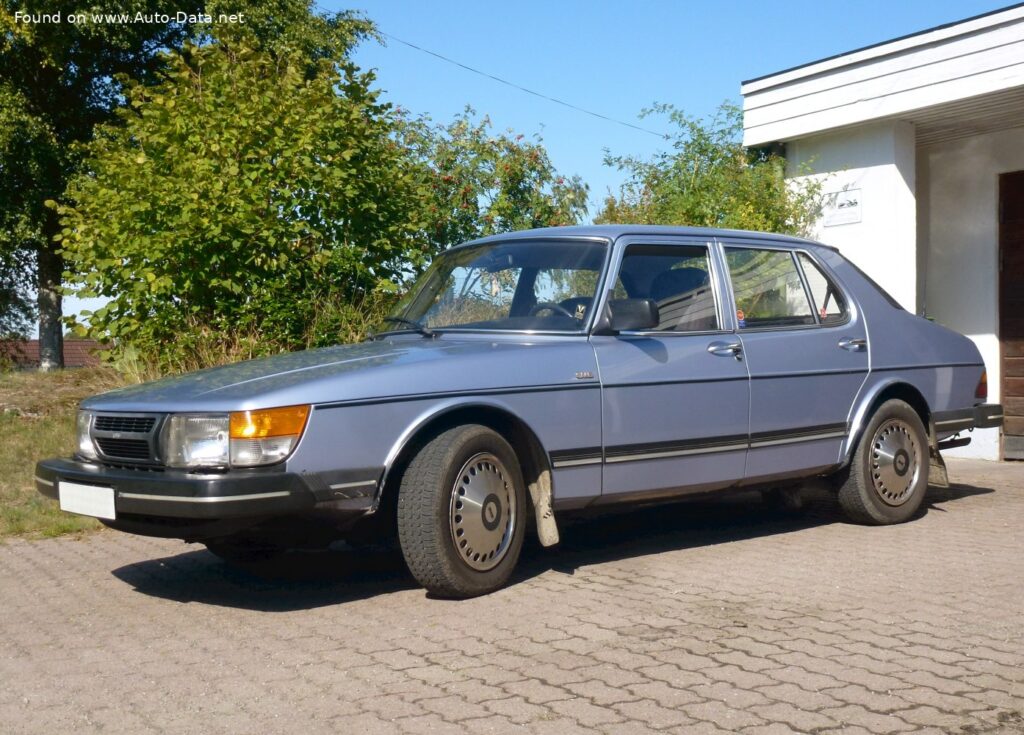
The Saab 900, particularly the first generation (900 I) produced from 1978 to 1987, represents a pivotal moment in the Swedish automaker’s history. Introduced as a replacement for the long-running Saab 96, the 900 aimed to modernize the brand while retaining the quirky, engineering-focused ethos that defined Saab. The 1986 2.0 Turbo model, producing 150 horsepower, was a significant upgrade, offering a compelling blend of performance and practicality within the compact car segment. While Saab never achieved mainstream sales volumes in the United States comparable to its German or Japanese rivals, the 900 cultivated a devoted following among enthusiasts who appreciated its unique design, robust construction, and turbocharged power. This model year represents a refinement of the original 900 design, solidifying its position as a distinctive offering in a crowded market.
The Saab 900 I 2.0 Turbo: A Legacy of Innovation
The Saab 900 I wasn’t simply a new car; it was a statement. It represented a move towards a more contemporary aesthetic while maintaining Saab’s commitment to aerodynamic efficiency and driver-focused design. The 900’s wedge-shaped silhouette, penned under the direction of Italian designer Giorgetto Giugiaro, was instantly recognizable. The 2.0 Turbo variant, introduced in 1986, elevated the 900’s performance credentials, making it a genuinely quick and capable machine for its time. The turbocharger, a technology Saab pioneered in production cars, provided a significant boost in power without a substantial increase in engine displacement. This allowed for a compelling combination of fuel efficiency and spirited driving. The 900 I, and the 2.0 Turbo specifically, was primarily sold in Europe and Australia, with limited imports to the United States. It competed with vehicles like the Volvo 240, BMW 3 Series, and Audi 80, offering a distinctly different driving experience.
Engine & Performance
The heart of the 1986 Saab 900 2.0 Turbo is the B201 engine, a 1,985 cc (2.0 liter) inline-four cylinder gasoline engine. This engine is notable for its robust construction and relatively simple design, contributing to its reliability. The key feature, of course, is the turbocharger, which significantly increases the engine’s power output. The 150 horsepower figure was a substantial improvement over the naturally aspirated versions of the 900, providing noticeably quicker acceleration and improved highway passing power. The turbocharger operates at relatively low boost pressures, prioritizing drivability and longevity over outright peak power. The engine is paired with a four-speed manual transmission as standard, with a three-speed automatic transmission available as an option. While official 0-60 mph times varied depending on testing methodology and transmission choice, contemporary reviews suggested a time in the range of 8.5 to 9.5 seconds for the manual version. The engine’s torque output, while not officially published, was estimated to be around 180 lb-ft, providing strong pulling power throughout the rev range. The B201 engine is known for its durability, but requires regular maintenance, particularly regarding oil changes and turbocharger inspection.
Design & Features
The Saab 900 I’s design was heavily influenced by aerodynamic principles, resulting in a distinctive wedge shape. The body is a four-door sedan, offering practical space for five passengers. The interior of the 900 I is characterized by its functional, driver-oriented layout. Saab prioritized ergonomics, and the dashboard is angled towards the driver for ease of access to controls. The seats are supportive and comfortable, designed for long-distance driving. Safety was a key consideration in the 900’s design, and it featured a reinforced safety cage and a collapsible steering column. While not equipped with the advanced safety features found in modern cars, the 900 I offered a level of protection that was commendable for its time. Other notable features included power-assisted steering, front disc brakes, and a relatively spacious trunk. The 900’s ventilation system was also noteworthy, featuring a unique system that minimized drafts and provided effective heating and cooling. The exterior styling, while understated, was characterized by clean lines and a distinctive front grille. The 1986 model year saw minor cosmetic updates, including revised trim and wheel options.
Technical Specifications
| Brand | Saab |
| Model | 900 |
| Generation | 900 I |
| Type (Engine) | 2.0 Turbo (150 Hp) |
| Start of production | 1986 |
| End of production | 1986 |
| Powertrain Architecture | Internal Combustion engine |
| Body type | Sedan |
| Seats | 5 |
| Doors | 4 |
| Fuel Type | Petrol (Gasoline) |
| Power | 150 Hp |
| Engine Model/Code | B201 |
| Engine aspiration | Turbocharger |
| Engine oil capacity | 3.8 l / 4.02 US qt | 3.34 UK qt |
| Coolant capacity | 10 l / 10.57 US qt | 8.8 UK qt |
The Saab 900 I 2.0 Turbo, while not a high-volume seller, remains a significant vehicle in automotive history. It represents a unique blend of Scandinavian design, engineering innovation, and turbocharged performance. Its enduring appeal lies in its distinctive character, robust construction, and the loyal following it cultivated among enthusiasts who appreciated its unconventional approach to automotive design. The 1986 model year represents a refined version of the original 900, solidifying its position as a compelling alternative to more mainstream offerings in the compact car segment. Today, well-maintained examples of the 900 I 2.0 Turbo are sought after by collectors and Saab enthusiasts alike, ensuring that its legacy will continue for years to come.