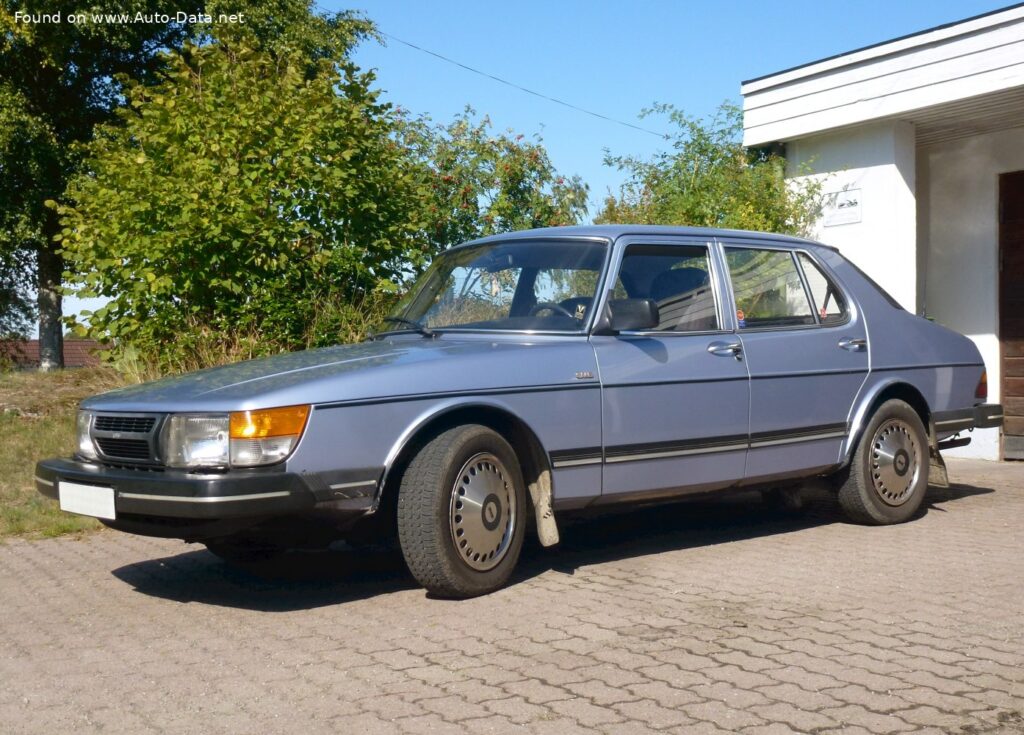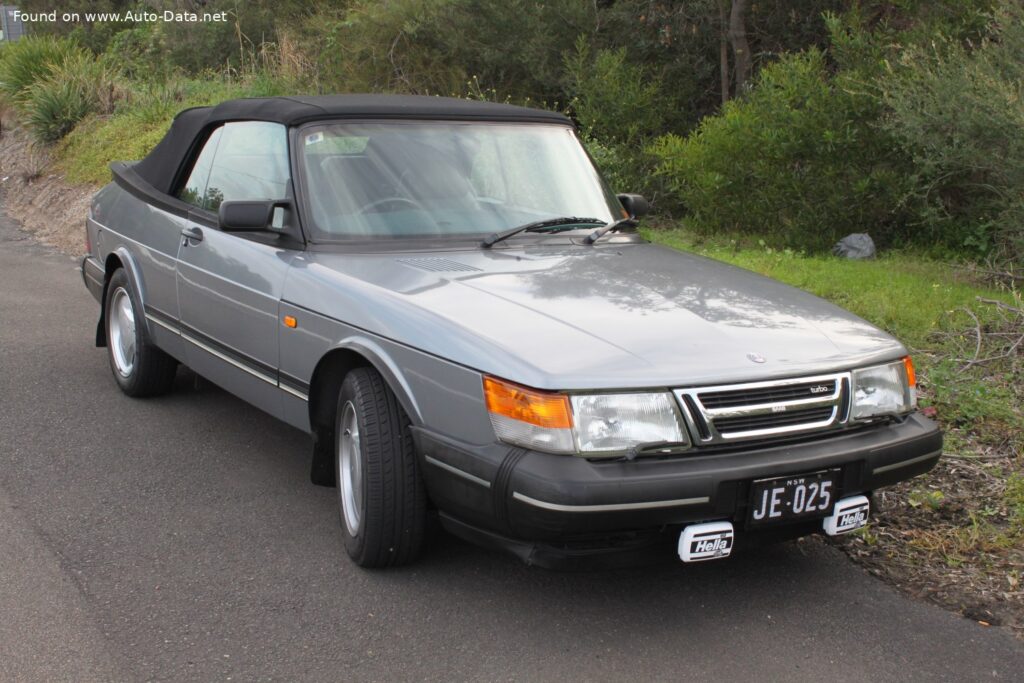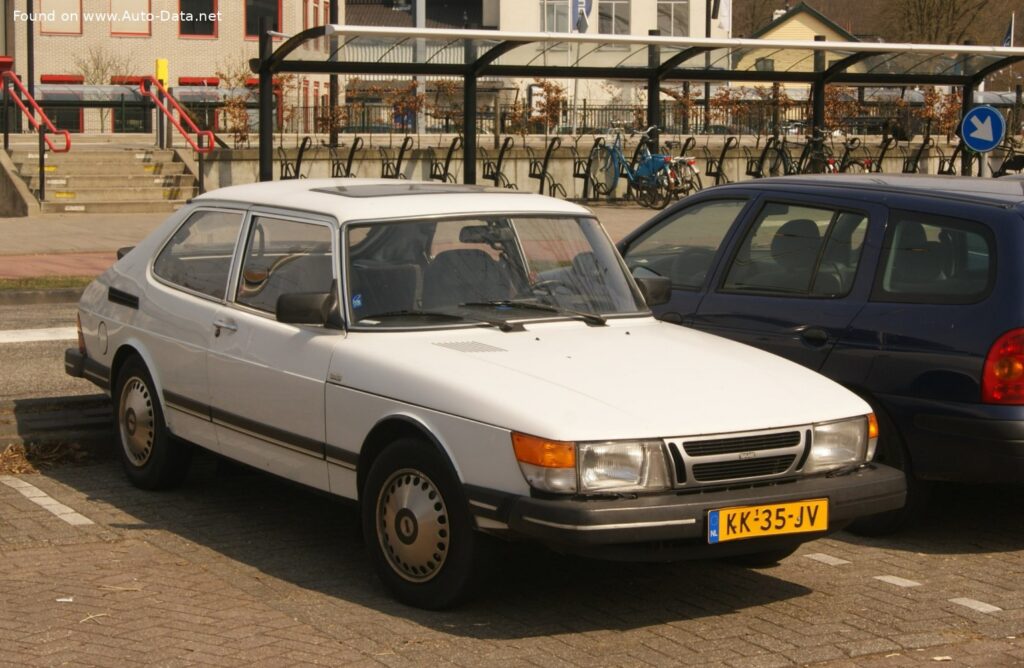
The Saab 900, particularly the first generation (1978-1987), represents a pivotal moment in the Swedish automaker’s history. Introduced as a replacement for the Saab 96, the 900 aimed to modernize the brand while retaining its reputation for safety, innovation, and quirky design. The 900 I Combi Coupe, produced from 1985 to 1986, was a significant addition to the lineup, offering a more practical and versatile body style compared to the traditional saloon. This liftback configuration, with either three or five doors, broadened the 900’s appeal and cemented its position as a unique offering in the compact car segment. While Saab never achieved massive sales volumes in the United States, the 900 cultivated a loyal following among enthusiasts who appreciated its distinctive character and engineering.
Saab 900 I Combi Coupe: A Detailed Overview
The Saab 900 I Combi Coupe distinguished itself from many contemporaries through its focus on driver-centric design and aerodynamic efficiency. The “Combi Coupe” designation highlighted its blend of coupe-like styling with the practicality of a station wagon, a relatively uncommon combination in the mid-1980s. The vehicle’s design prioritized visibility and safety, hallmarks of Saab engineering. The 900’s robust construction and innovative features, such as its wrap-around windscreen and aerodynamic body shape, contributed to its enduring appeal. The model year 1985-1986 saw the 2.0i variant, equipped with a 110 horsepower engine, becoming a popular choice for buyers seeking a balance of performance and fuel economy.
Engine & Performance
The heart of the Saab 900 I Combi Coupe 2.0i is the B201 engine, a naturally aspirated 2.0-liter inline-four cylinder petrol (gasoline) engine. This engine produced 110 horsepower, providing adequate performance for its time and weight. While not a performance powerhouse, the B201 was known for its reliability and smooth operation. The engine featured a cast iron block and an aluminum cylinder head, a common configuration for engines of this era. Fuel delivery was managed by Bosch mechanical fuel injection, a system that offered improved efficiency and reduced emissions compared to carbureted engines.
Power was delivered to the front wheels through a four-speed manual or a three-speed automatic transmission. The front-wheel-drive layout contributed to the 900’s stable handling characteristics, particularly in adverse weather conditions. The 900 wasn’t designed for outright speed, but its responsive engine and well-tuned suspension provided a comfortable and engaging driving experience. Acceleration from 0 to 60 mph was typically around 10-11 seconds, respectable for a car of its size and era. The engine’s torque characteristics were well-suited to everyday driving, offering sufficient pulling power for overtaking and hill climbing. The 900’s aerodynamic design also played a role in its performance, reducing drag and improving fuel efficiency.
Design & Features
The Saab 900 I Combi Coupe’s design was instantly recognizable, characterized by its distinctive wedge shape and wrap-around windscreen. The liftback body style offered a large and versatile cargo area, accessible through a rear hatch. The interior was designed with the driver in mind, featuring ergonomically placed controls and comfortable seating. Saab prioritized safety in the 900’s design, incorporating features such as reinforced steel beams in the doors and a collapsible steering column.
The 900 I Combi Coupe offered a range of features for its time, including power steering, central locking, and an optional sunroof. The interior trim was typically functional and durable, reflecting Saab’s emphasis on practicality. The dashboard layout was clean and straightforward, with easy-to-read gauges. The seats were supportive and comfortable, even on long journeys. The 900’s heating and ventilation system was effective, providing a comfortable cabin environment in all weather conditions. The car’s relatively compact size made it easy to maneuver in urban environments, while its spacious interior provided ample room for passengers and luggage. The three or five-door configuration offered varying levels of accessibility to the rear seats.
Technical Specifications
| Brand | Saab |
| Model | 900 |
| Generation | 900 I Combi Coupe |
| Type (Engine) | 2.0 i (110 Hp) |
| Start of production | 1985 |
| End of production | 1986 |
| Powertrain Architecture | Internal Combustion engine |
| Body type | Liftback |
| Seats | 5 |
| Doors | 3-5 |
| Fuel Type | Petrol (Gasoline) |
| Power | 110 Hp |
| Engine Model/Code | B201 |
| Engine aspiration | Naturally aspirated engine |
| Engine oil capacity | 3.8 l |
| Engine oil capacity (US qt) | 4.02 US qt |
| Engine oil capacity (UK qt) | 3.34 UK qt |
| Coolant capacity | 10 l |
| Coolant capacity (US qt) | 10.57 US qt |
| Coolant capacity (UK qt) | 8.8 UK qt |
The Saab 900 I Combi Coupe 2.0i, while not a high-volume seller, remains a cherished classic among automotive enthusiasts. Its unique design, robust engineering, and focus on driver comfort and safety have ensured its enduring appeal. The Combi Coupe variant, in particular, offered a practical and versatile alternative to traditional saloon cars, broadening the 900’s appeal and solidifying its place in automotive history. The B201 engine, while modest in terms of horsepower, proved to be a reliable and durable powerplant, contributing to the 900’s reputation for longevity. Today, well-maintained examples of the 900 I Combi Coupe are highly sought after by collectors and Saab aficionados alike.