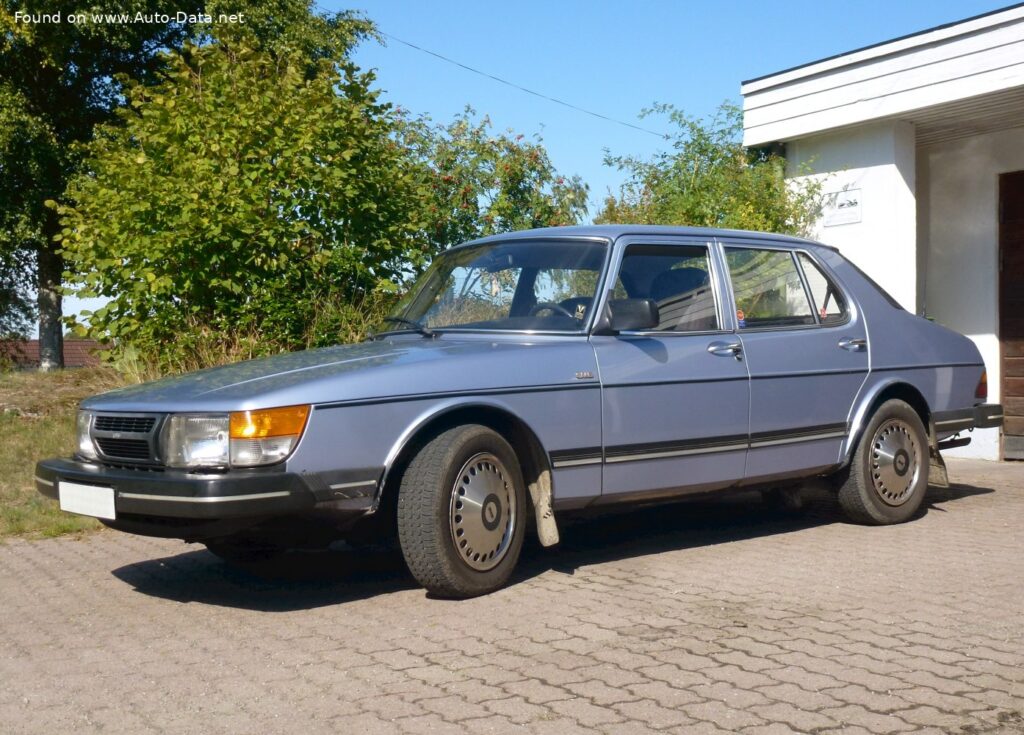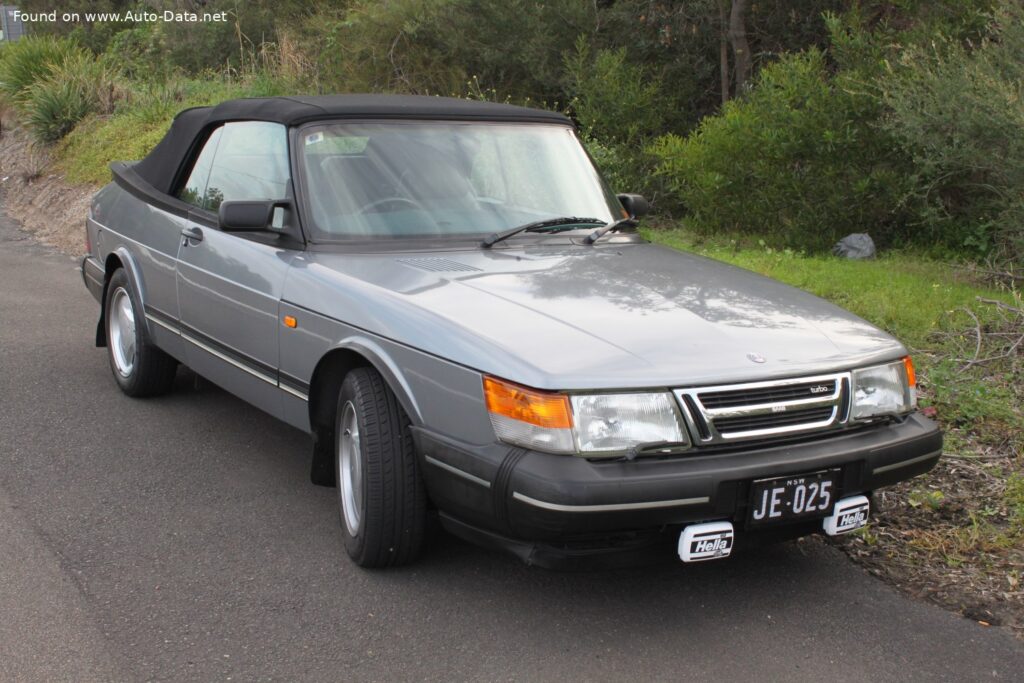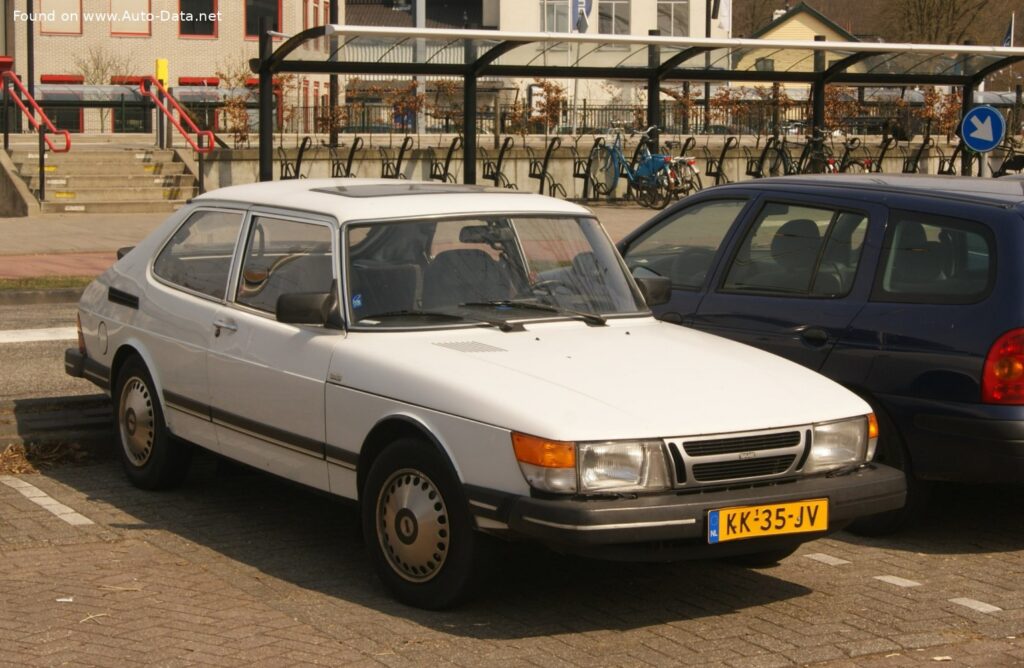
The Saab 900, particularly the first generation (1978-1987) and specifically the Combi Coupe variant, represents a unique and influential chapter in automotive history. Introduced as a replacement for the long-running Saab 96, the 900 aimed to modernize the brand while retaining the quirky engineering and safety focus that defined Saab. The Combi Coupe, a five-door liftback, was a particularly innovative body style for its time, blending the practicality of a station wagon with the sleek lines of a coupe. This article focuses on the 2.0i version, producing 115 horsepower, a popular configuration during the model’s production run from 1980 to 1986. The Saab 900 I Combi Coupe 2.0i was never officially sold in the United States during its initial production run, but it gained a significant following among enthusiasts who imported them later, appreciating their distinctive character and robust build quality.
The Saab 900 I Combi Coupe: A Legacy of Innovation
The original Saab 900 was a watershed moment for the Swedish automaker. It moved away from the two-stroke engines of the 96 and embraced more conventional, albeit still uniquely Saab-engineered, four-stroke powerplants. The Combi Coupe body style, designed by Italian firm Bertone, was a significant departure from the more boxy designs prevalent in the 1970s. It offered a spacious interior and a large cargo area accessible through the rear liftgate, making it a versatile vehicle for families and those needing to transport larger items. The 900’s emphasis on safety, aerodynamic efficiency, and driver comfort set it apart from many of its competitors.
Engine & Performance
The 2.0i Combi Coupe is powered by Saab’s B201 engine, a naturally aspirated 2.0-liter inline-four cylinder gasoline engine. This engine produced 115 horsepower and offered a reasonable balance of performance and fuel economy for the era. While not a sports car by any means, the 900 2.0i provided adequate power for comfortable cruising and everyday driving. The engine featured a Bosch K-Jetronic fuel injection system, which was relatively advanced for the early 1980s, contributing to improved efficiency and reduced emissions.
Power was delivered to the front wheels through either a four-speed manual or a three-speed automatic transmission. The manual transmission was favored by enthusiasts for its more engaging driving experience. The 900’s suspension, featuring independent suspension all around, provided a comfortable ride and good handling characteristics. The car’s aerodynamic design, with its relatively low drag coefficient, also contributed to its stability at higher speeds. The B201 engine, while robust, was known to require regular maintenance, particularly regarding timing belt replacement, to ensure longevity. The engine’s design also incorporated features aimed at reducing noise and vibration, contributing to the 900’s refined driving experience.
Design & Features
The Saab 900 I Combi Coupe’s design was instantly recognizable. The distinctive front end, with its wrap-around windshield and integrated headlights, gave the car a unique and futuristic appearance. The five-door liftback configuration provided easy access to the spacious cargo area, which could be expanded by folding down the rear seats. The interior was functional and ergonomically designed, with a focus on driver comfort. Saab was known for its attention to detail, and the 900’s interior featured high-quality materials and thoughtful touches.
Safety was a paramount concern for Saab, and the 900 was equipped with a number of features designed to protect its occupants. These included a reinforced safety cage, disc brakes on all four wheels, and a collapsible steering column. While not standard equipment on all models, many 900s were also equipped with head restraints and seatbelts for all passengers. The car’s aerodynamic design also played a role in improving safety by enhancing stability and reducing the risk of rollover. The 900’s ventilation system was also noteworthy, featuring a sophisticated system that minimized drafts and provided efficient heating and cooling. The car’s instrumentation was clear and easy to read, providing the driver with all the necessary information. The 900’s design, while unconventional, proved to be both stylish and practical, contributing to its enduring appeal.
Technical Specifications
| Brand | Saab |
| Model | 900 |
| Generation | 900 I Combi Coupe |
| Type (Engine) | 2.0 i (115 Hp) |
| Start of production | 1980 |
| End of production | 1986 |
| Powertrain Architecture | Internal Combustion engine |
| Body type | Liftback |
| Seats | 5 |
| Doors | 3-5 |
| Fuel Type | Petrol (Gasoline) |
| Power | 115 Hp |
| Engine Model/Code | B201 |
| Engine aspiration | Naturally aspirated engine |
| Engine oil capacity | 3.8 l / 4.02 US qt | 3.34 UK qt |
| Coolant capacity | 10 l / 10.57 US qt | 8.8 UK qt |
The Saab 900 I Combi Coupe 2.0i, despite its relatively short production run, left an indelible mark on the automotive landscape. Its innovative design, emphasis on safety, and quirky character made it a favorite among enthusiasts. While it may not have been a mainstream success in the United States during its original production, its enduring appeal has ensured its place as a classic car, appreciated for its unique blend of Swedish engineering and Italian styling. The 900 laid the foundation for future Saab models and continues to inspire automotive designers and enthusiasts today. The car’s legacy extends beyond its technical specifications; it represents a commitment to innovation, safety, and a distinctive driving experience that set Saab apart from its competitors.