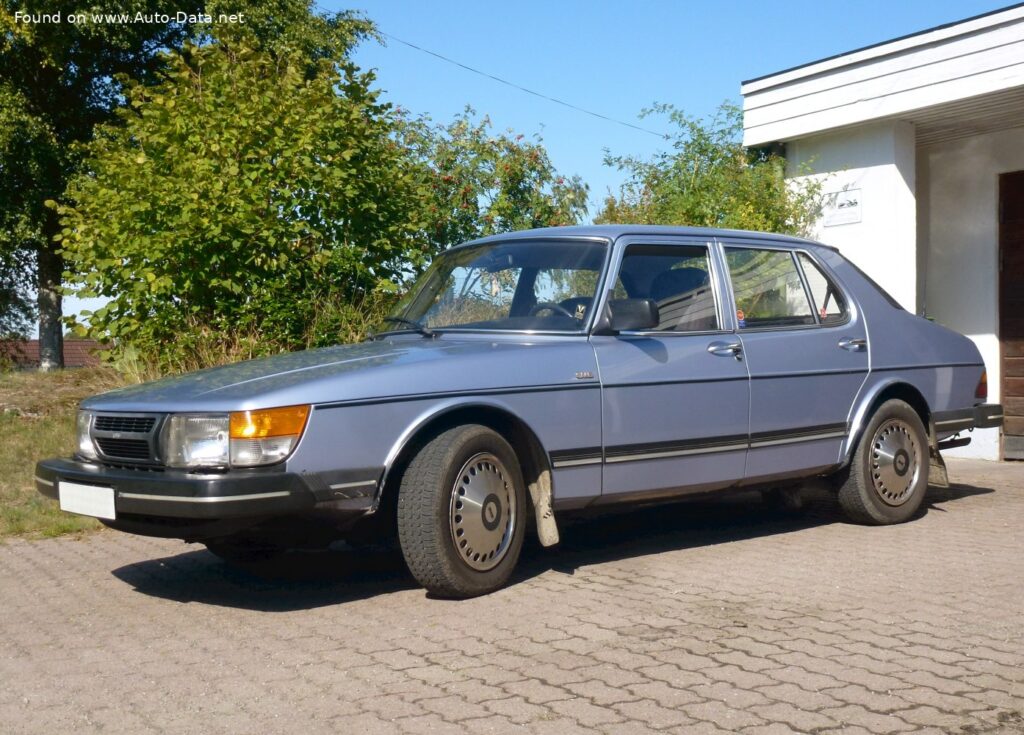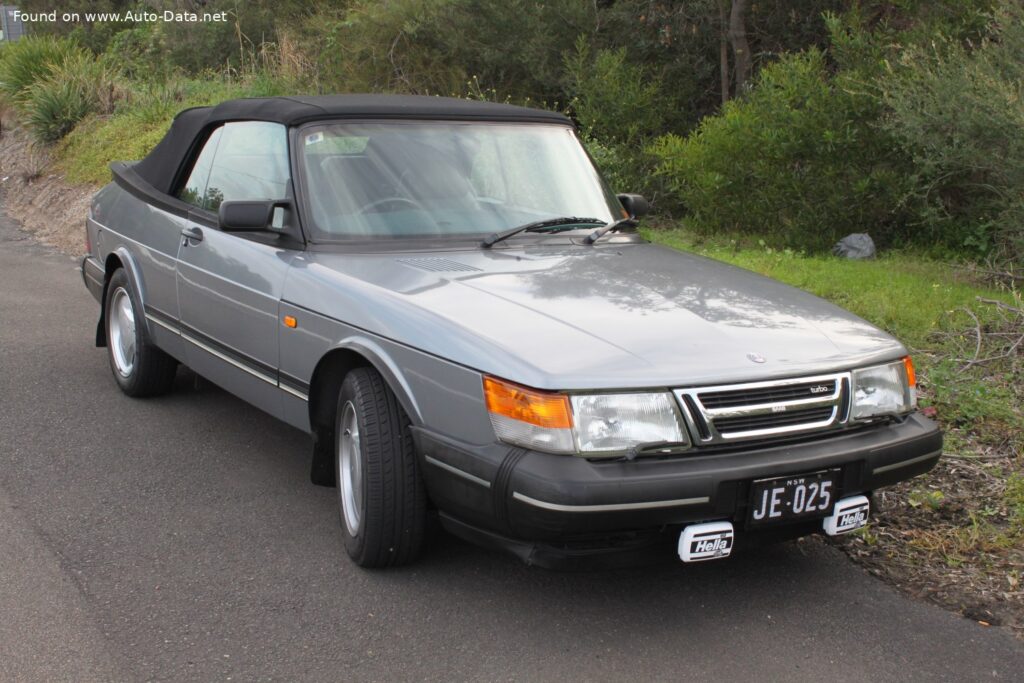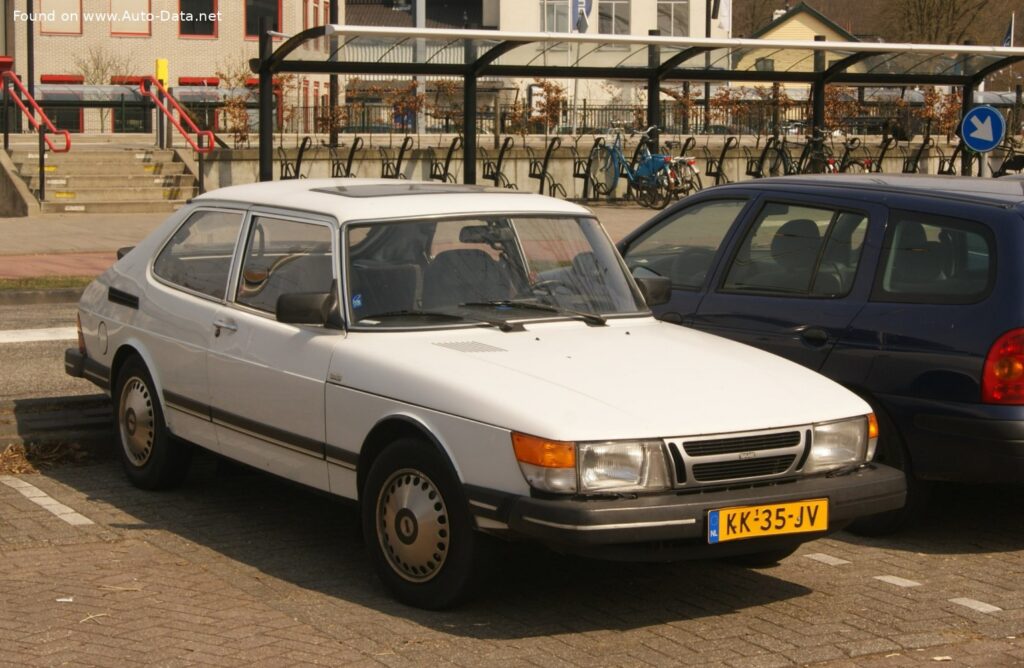
The Saab 900, particularly the first generation (1978-1985) Combi Coupe 2.0 Turbo, represents a pivotal moment in automotive history. It wasn’t simply a car; it was a statement of independent engineering and a commitment to driver-focused design. Introduced as a replacement for the long-running Saab 96, the 900 aimed to modernize the brand while retaining the quirky, innovative spirit that defined Saab. The Combi Coupe, a five-door liftback, offered a unique blend of practicality and style, becoming a popular choice for those seeking an alternative to mainstream European and American vehicles. While Saab never achieved massive sales volumes, the 900 cultivated a devoted following, celebrated for its robust construction, distinctive aesthetics, and turbocharged performance. This model, the 2.0 Turbo producing 145 horsepower, was a significant step up in power and refinement for the 900 line.
The Saab 900 I Combi Coupe: A Legacy of Innovation
The original Saab 900, encompassing the models produced from 1978 to 1985, established many of the design and engineering hallmarks that would characterize the brand for decades. It was a departure from the more rounded, aircraft-inspired shapes of the 96, adopting a more angular and modern aesthetic. The Combi Coupe body style, with its generous rear hatch and flexible seating configuration, was particularly innovative for its time. Saab’s commitment to safety was also prominent, with a robust safety cage and impact-absorbing crumple zones. The 900 wasn’t designed to be the fastest or most luxurious car on the road, but rather a practical, reliable, and engaging vehicle that prioritized the driving experience. The introduction of the 2.0-liter turbocharged engine in the early 1980s further enhanced the 900’s appeal, providing a significant boost in performance without sacrificing fuel efficiency.
Engine & Performance
The heart of the Saab 900 I Combi Coupe 2.0 Turbo is the B201 engine, a 1,985 cc inline-four cylinder powerplant. This engine is notable for its robust construction and its use of a Garrett turbocharger. The turbocharger significantly increases the engine’s power output, boosting it to 145 horsepower. This was a substantial increase over the naturally aspirated versions of the 900, providing noticeably quicker acceleration and improved highway cruising ability. The engine features a Bosch fuel injection system, contributing to its relatively smooth operation and good fuel economy for the era. Power is delivered to the front wheels through a four-speed manual or three-speed automatic transmission. While not a sports car in the traditional sense, the 900 Turbo offered a surprisingly engaging driving experience, thanks to its responsive engine, well-weighted steering, and capable suspension. The turbocharger does exhibit some lag, typical of early turbo systems, but once spooled up, it delivers a strong surge of power. The 900’s relatively lightweight construction also contributes to its nimble handling.
Design & Features
The Saab 900 I Combi Coupe’s design is instantly recognizable. The liftback body style, with its large rear hatch, provides exceptional practicality, allowing for easy loading and unloading of cargo. The five-door configuration offers convenient access for both front and rear passengers. The exterior styling is characterized by its clean lines, angular shapes, and relatively understated appearance. Inside, the 900 features a driver-focused cockpit, with ergonomically designed seats and a well-placed instrument panel. Saab was known for its attention to detail, and the 900 is no exception. Features such as heated seats, a sunroof, and a high-quality sound system were available, depending on the trim level. Safety was a key consideration in the 900’s design, with a reinforced safety cage and impact-absorbing crumple zones. The ventilation system was also notable for its effectiveness, providing good airflow and minimizing drafts. The interior materials, while not luxurious, were durable and well-assembled. The 900’s design prioritized functionality and practicality, making it a comfortable and versatile vehicle for everyday use.
Technical Specifications
| Brand | Saab |
| Model | 900 |
| Generation | 900 I Combi Coupe |
| Type (Engine) | 2.0 Turbo (145 Hp) |
| Start of production | 1978 |
| End of production | 1985 |
| Powertrain Architecture | Internal Combustion engine |
| Body type | Liftback |
| Seats | 5 |
| Doors | 3-5 |
| Fuel Type | Petrol (Gasoline) |
| Power | 145 Hp |
| Engine Model/Code | B201 |
| Engine aspiration | Turbocharger |
| Engine oil capacity | 3.8 l / 4.02 US qt | 3.34 UK qt |
| Coolant capacity | 10 l / 10.57 US qt | 8.8 UK qt |
The Saab 900 I Combi Coupe 2.0 Turbo, while no longer in production, remains a beloved classic among automotive enthusiasts. Its unique blend of style, practicality, and performance, combined with Saab’s commitment to innovation and driver-focused design, has cemented its place in automotive history. The 900 wasn’t just a car; it was an expression of individuality and a testament to the enduring appeal of independent engineering. Its influence can still be seen in modern vehicles, particularly in the emphasis on safety, ergonomics, and a rewarding driving experience. The 900’s legacy continues to inspire those who appreciate a car that is both functional and distinctive.