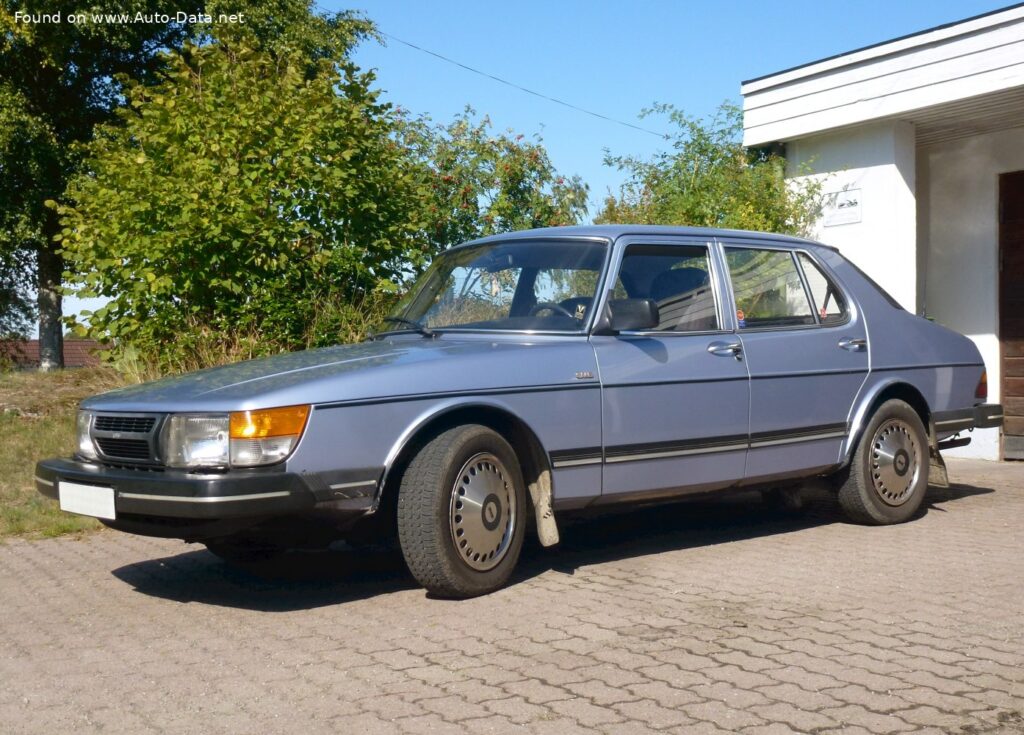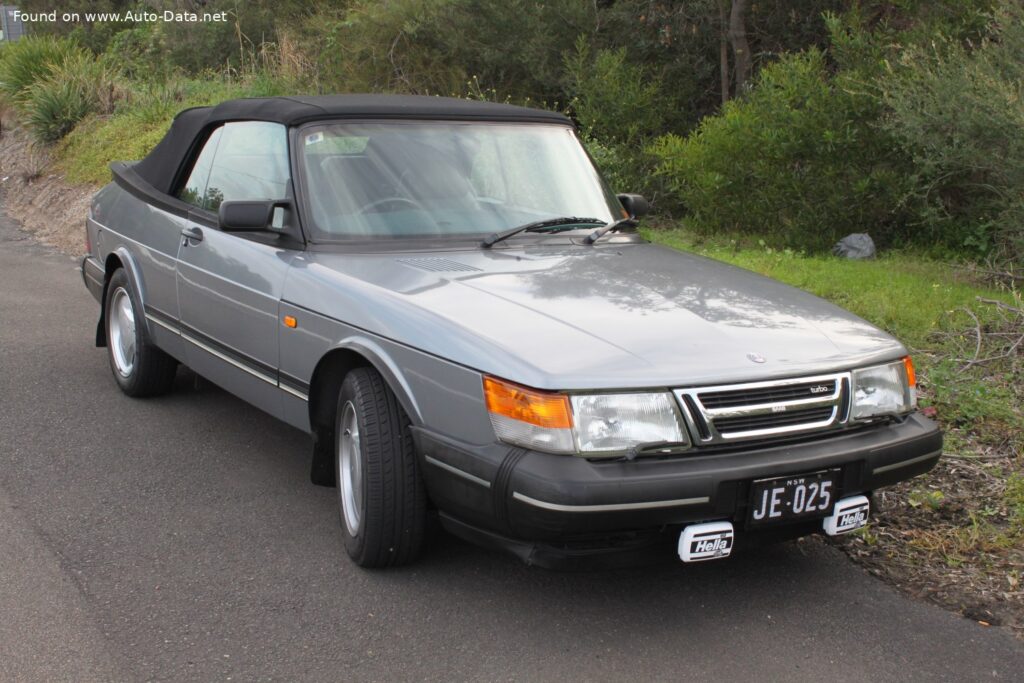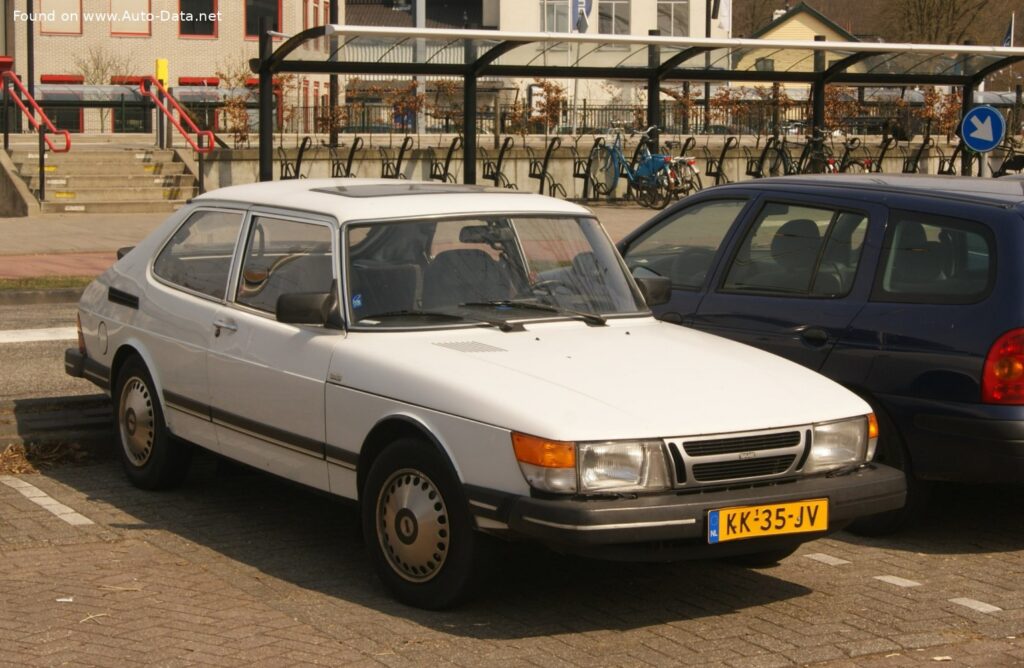
The Saab 900 I Combi Coupe 2.0 Turbo, produced for a limited time in 1986, represents a unique and highly sought-after iteration of Saab’s iconic 900 model. Falling into the compact car segment, the Combi Coupe distinguished itself with its distinctive liftback design, offering a blend of practicality and Saab’s signature Scandinavian design ethos. This particular variant, equipped with a 2.0-liter turbocharged engine producing 150 horsepower, was positioned as a performance-oriented option within the 900 range, appealing to drivers seeking a more engaging driving experience. The 900, in general, was a pivotal model for Saab, establishing the brand’s reputation for innovative engineering, safety, and a loyal following. The Combi Coupe, while a relatively short-lived body style within the first generation, remains a favorite among Saab enthusiasts for its rarity and distinctive styling.
The Saab 900 I Combi Coupe: A Legacy of Innovation
The original Saab 900, launched in 1978, was a direct successor to the Saab 96 and 99. It represented a significant step forward in terms of design, comfort, and safety. Saab, founded by aircraft engineers, consistently incorporated aerodynamic principles into its automotive designs, and the 900 was no exception. The Combi Coupe, introduced later in the first generation’s lifecycle, offered a more versatile body style than the traditional sedan, providing increased cargo capacity and practicality. Unlike many of its competitors, the 900 prioritized driver comfort and a unique driving experience over outright performance, although the turbocharged models, like the 2.0 Turbo, certainly addressed the latter. The car was never a mass-market success in the United States, but it cultivated a devoted following among those who appreciated its individuality and engineering quirks.
Engine & Performance
The heart of the Saab 900 I Combi Coupe 2.0 Turbo is the B201 engine, a 1,985 cc inline-four cylinder powerplant. This engine is notable for its use of a Garrett turbocharger, which significantly boosted power output to 150 horsepower. This was a considerable figure for a compact car of the mid-1980s, providing brisk acceleration and a responsive driving experience. The turbocharger, coupled with Bosch fuel injection, allowed for a good balance between performance and fuel efficiency, although fuel economy standards were less stringent at the time. The engine’s design incorporated features common to Saab engines of the era, including a robust bottom end and a relatively high compression ratio for a turbocharged engine. Power was delivered to the front wheels through a four-speed manual or three-speed automatic transmission. While not a sports car in the modern sense, the 2.0 Turbo Combi Coupe offered a spirited driving experience, particularly when compared to naturally aspirated versions of the 900. The turbocharger provided a noticeable boost in power, making overtaking maneuvers and highway cruising more effortless.
Design & Features
The Saab 900 I Combi Coupe’s defining feature is its liftback body style. This design, offering a large rear hatch and a flexible cargo area, provided significantly more practicality than the traditional sedan. The car’s exterior styling was characterized by its clean lines, aerodynamic shape, and distinctive Saab grille. The front end featured large, rectangular headlights and a prominent Saab badge. Inside, the 900 Combi Coupe offered a comfortable and ergonomically designed cabin. Saab was known for its attention to driver comfort, and the 900 featured supportive seats and a well-placed dashboard. Safety was also a key consideration in the 900’s design. While safety standards were evolving in the 1980s, the 900 incorporated features such as a reinforced safety cage and a collapsible steering column. The interior materials were durable and functional, reflecting Saab’s pragmatic approach to design. Features such as power windows and central locking were available, depending on the trim level. The 900’s ventilation system was also noteworthy, offering effective heating and cooling. The car’s overall design aesthetic was distinctly Scandinavian, emphasizing simplicity, functionality, and a clean, uncluttered appearance.
Technical Specifications
| Brand | Saab |
| Model | 900 |
| Generation | 900 I Combi Coupe |
| Type (Engine) | 2.0 Turbo (150 Hp) |
| Start of production | 1986 |
| End of production | 1986 |
| Powertrain Architecture | Internal Combustion engine |
| Body type | Liftback |
| Seats | 5 |
| Doors | 3-5 |
| Fuel Type | Petrol (Gasoline) |
| Power | 150 Hp |
| Engine Model/Code | B201 |
| Engine aspiration | Turbocharger |
| Engine oil capacity | 3.8 l / 4.02 US qt | 3.34 UK qt |
| Coolant capacity | 10 l / 10.57 US qt | 8.8 UK qt |
The Saab 900 I Combi Coupe 2.0 Turbo, despite its short production run, remains a significant vehicle in automotive history. It embodies Saab’s commitment to innovative engineering, distinctive design, and driver-focused experience. Its rarity and unique character have made it a highly collectible car among Saab enthusiasts, ensuring its legacy will continue for years to come. The Combi Coupe’s blend of practicality, performance, and Scandinavian style continues to appeal to those seeking an alternative to mainstream automotive offerings. The car serves as a reminder of a time when automotive manufacturers were willing to take risks and offer vehicles that stood out from the crowd.