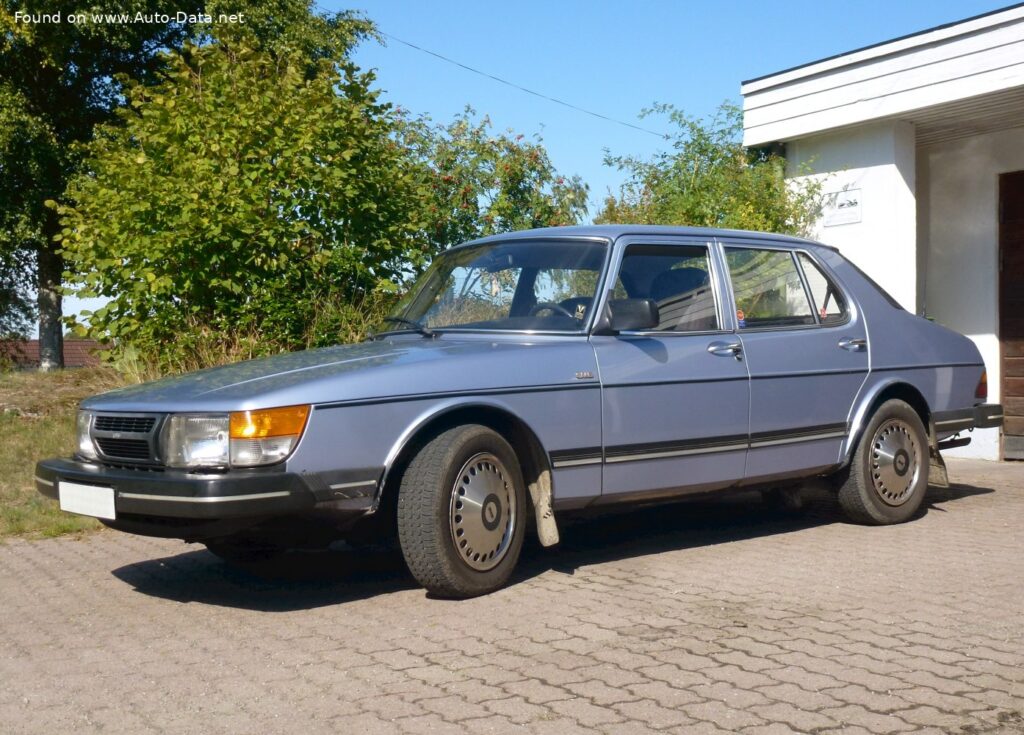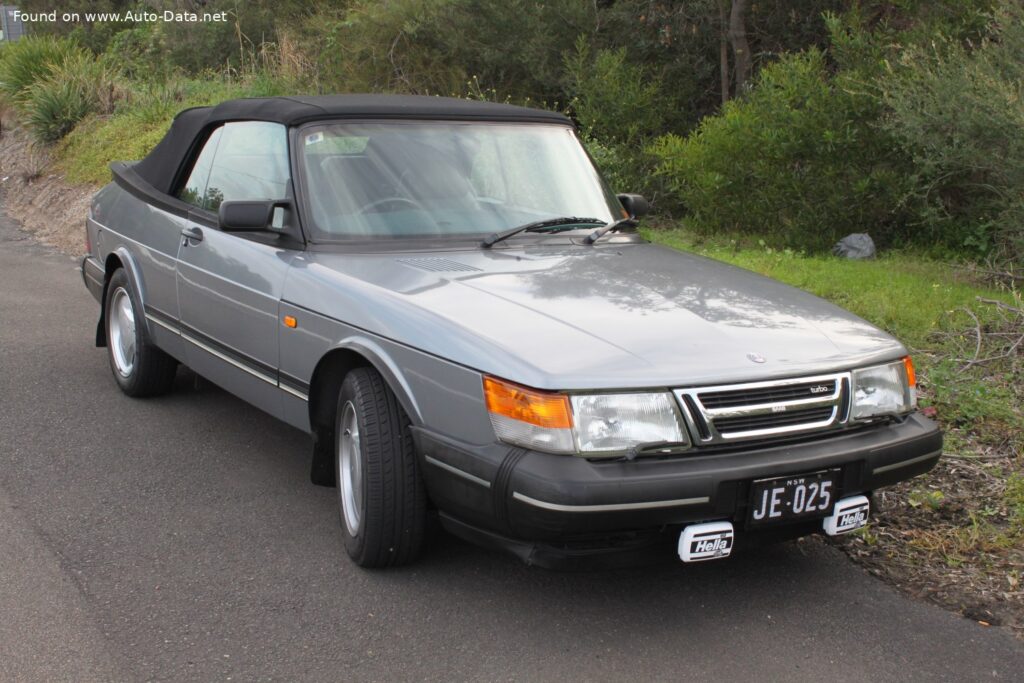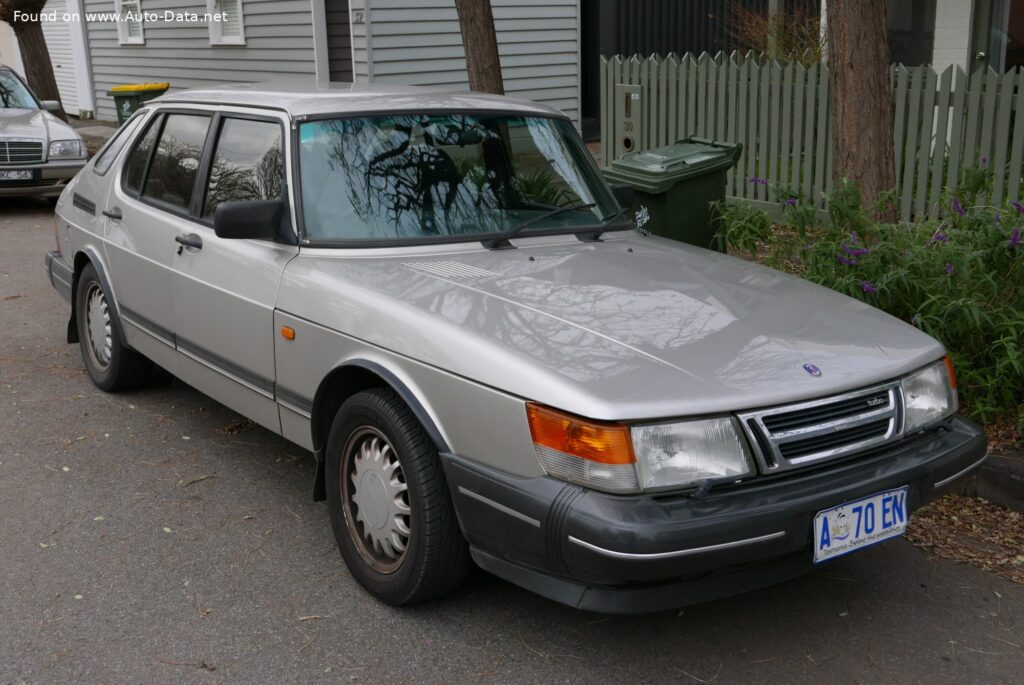
The Saab 900, particularly the first generation (900 I) Combi Coupe facelift of 1987, represents a distinctive chapter in automotive history. Introduced in 1978 and continuing through 1993, the 900 was Saab’s entry into the compact family car segment, and quickly became known for its unique blend of Scandinavian design, robust engineering, and a dedicated following. The Combi Coupe, a five-door liftback, offered increased practicality over the original three-door saloon, and the 1987 facelift brought subtle but important improvements to the car’s aesthetics and mechanicals. This iteration, powered by the 2.0-liter 16-valve engine producing 126 horsepower, was a popular choice in Europe, offering a compelling alternative to more mainstream competitors.
The Saab 900 I Combi Coupe: A Legacy of Innovation
The original Saab 900 was born from a need to replace the aging Saab 96. Saab, historically an aircraft manufacturer, brought a unique engineering philosophy to automobiles, prioritizing safety, aerodynamics, and driver comfort. The 900 continued this tradition, featuring a strong safety cell, a relatively aerodynamic shape for its time, and a driver-focused cockpit. The Combi Coupe body style, introduced in 1982, expanded the 900’s appeal by offering significantly more cargo space and easier access to the rear seats. The 1987 facelift refined the design with a smoother front fascia, updated interior trim, and improvements to the engine management system. While never achieving the sales volumes of its German or Japanese rivals, the 900 cultivated a loyal fanbase attracted to its individuality and quirky charm.
Engine & Performance
The heart of the 1987 facelifted Saab 900 I Combi Coupe was the B202 engine, a naturally aspirated 2.0-liter inline-four cylinder powerplant. This engine, equipped with a 16-valve cylinder head, produced 126 horsepower. While not a performance powerhouse by modern standards, the B202 provided adequate power for comfortable cruising and spirited driving. The engine’s torque output, while not explicitly stated in the provided data, was sufficient for everyday use, offering a good balance between responsiveness and fuel economy. The engine was typically paired with a four-speed manual or a four-speed automatic transmission, driving the front wheels. The 900’s suspension, featuring MacPherson struts at the front and a twist-beam axle at the rear, provided a comfortable ride, although handling was not as sharp as some of its competitors. The 1987 facelift included refinements to the engine management system, improving fuel efficiency and reducing emissions. The B202 engine was known for its durability and relatively straightforward maintenance, contributing to the 900’s reputation as a reliable vehicle.
Design & Features
The Saab 900 I Combi Coupe’s design was instantly recognizable, characterized by its distinctive wedge shape and wrap-around windscreen. The liftback configuration offered a large, practical cargo area, accessible through a rear hatch. The 1987 facelift brought subtle changes to the exterior, including a revised grille, updated headlights, and a smoother front bumper. Inside, the 900 featured a driver-centric cockpit, with all controls logically arranged and easily accessible. The seats were known for their comfort and supportive design. Safety was a key consideration in the 900’s design, with a strong safety cell protecting occupants in the event of a collision. While lacking many of the advanced safety features found in modern cars, the 900 offered a level of crash protection that was commendable for its time. Features such as seatbelts and a reinforced passenger compartment were standard. The interior trim materials were generally durable and well-made, reflecting Saab’s commitment to quality. The 900 also offered a range of optional features, including power windows, central locking, and a sunroof. The car’s unique aesthetic, combined with its practical features, made it a popular choice for those seeking an alternative to more conventional family cars.
Technical Specifications
| Brand | Saab |
| Model | 900 |
| Generation | 900 I Combi Coupe (facelift 1987) |
| Type (Engine) | 2.0 16V (126 Hp) |
| Start of production | 1989 |
| End of production | 1992 |
| Powertrain Architecture | Internal Combustion engine |
| Body type | Liftback |
| Seats | 5 |
| Doors | 3-5 |
| Fuel Type | Petrol (Gasoline) |
| Power | 126 Hp |
| Engine Model/Code | B202 |
| Engine aspiration | Naturally aspirated engine |
| Engine oil capacity | 4 l (4.23 US qt | 3.52 UK qt) |
| Coolant capacity | 10 l (10.57 US qt | 8.8 UK qt) |
The Saab 900 I Combi Coupe (facelift 1987) 2.0 16V represents a high point in Saab’s early foray into the compact car market. Its unique design, robust engineering, and focus on driver comfort set it apart from its competitors. While not a mainstream success, the 900 cultivated a devoted following, and remains a cherished classic among Saab enthusiasts. The Combi Coupe body style, in particular, offered a compelling combination of practicality and style, making it a versatile and appealing vehicle for a wide range of drivers. The 1987 facelift further refined the 900, improving its aesthetics, performance, and fuel efficiency, ensuring its continued relevance in a competitive market. The Saab 900 I, and especially the Combi Coupe, stands as a testament to Saab’s innovative spirit and commitment to building cars that were different, and distinctly Saab.