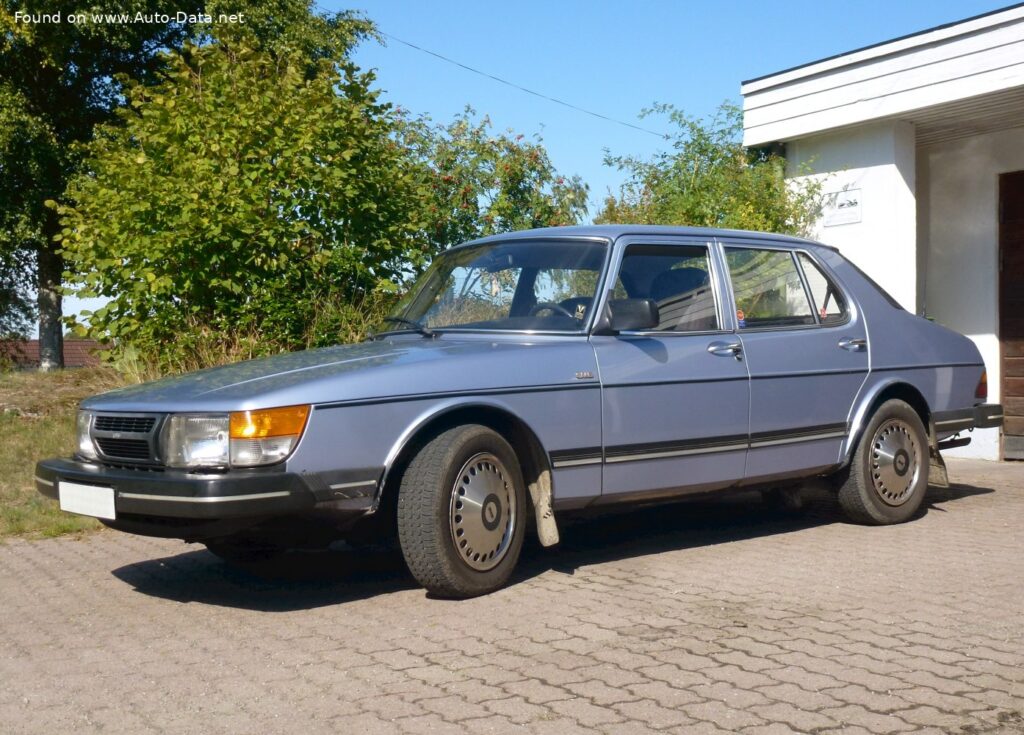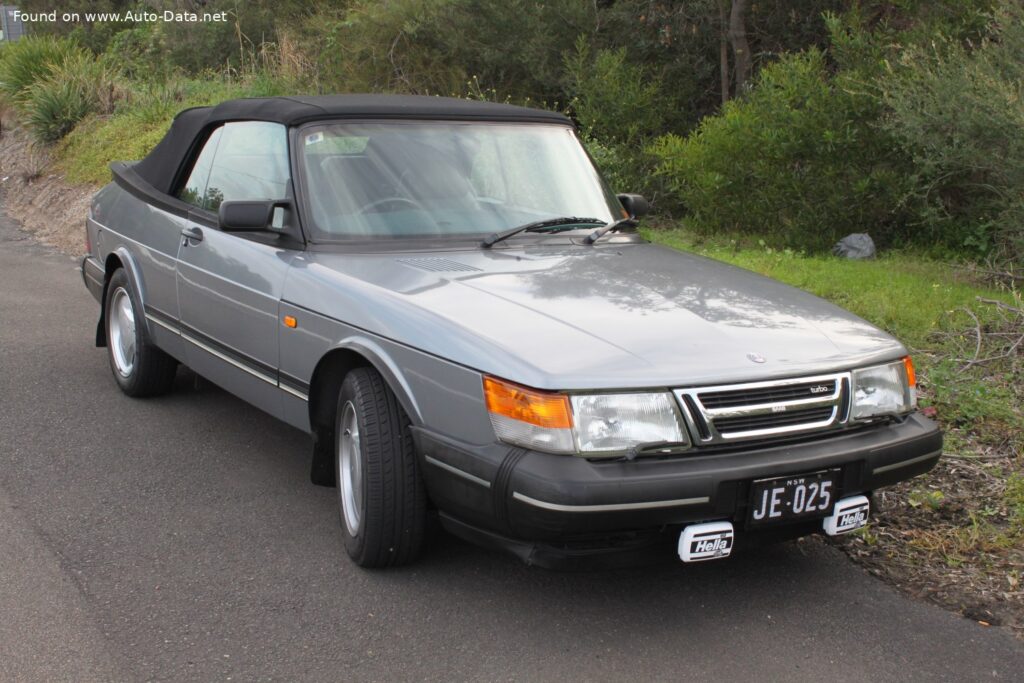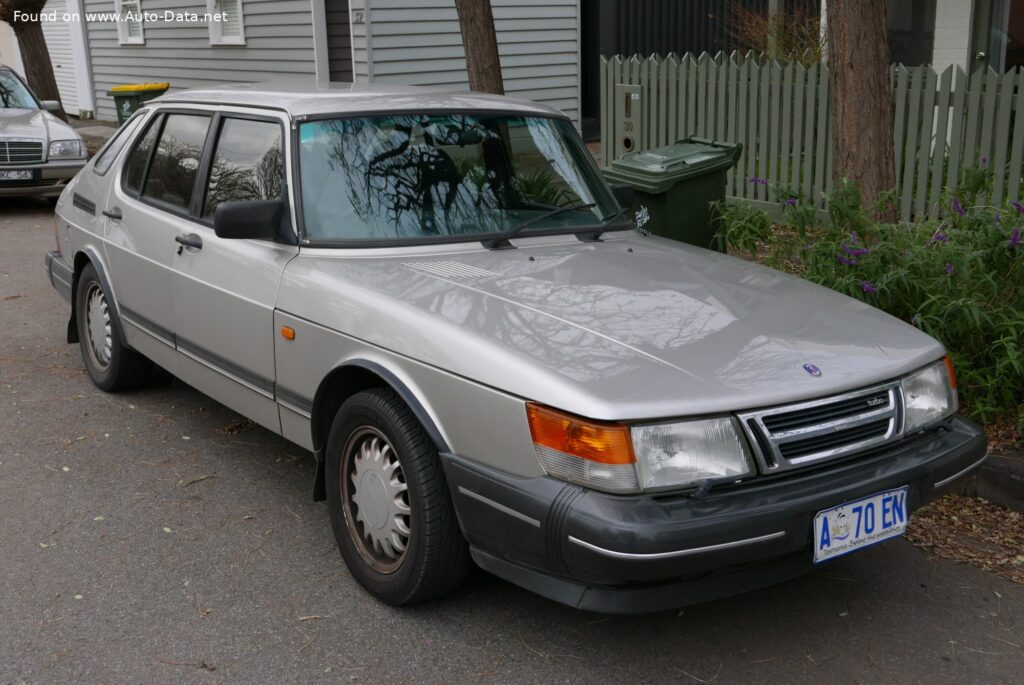
The Saab 900, particularly the first generation (900 I) Combi Coupe facelift of 1987, represents a distinctive chapter in automotive history. Produced from 1991 to 1993, this variant – specifically the 2.0 S Turbo 16V model – blended Scandinavian design principles with turbocharged performance. While Saab as a brand ultimately ceased production in 2011, the original 900 established a loyal following due to its unique engineering, safety innovations, and unconventional aesthetic. The Combi Coupe, a five-door liftback, offered a practical alternative to traditional sedans and coupes, appealing to buyers seeking both versatility and individuality. This model was never officially sold in the United States in this specific facelift form, but the earlier 900 models gained a dedicated, if niche, following among American enthusiasts who appreciated its quirky charm and robust build quality.
Saab 900 I Combi Coupe: A Legacy of Innovation
The Saab 900 was born from a need to replace the aging Saab 96. Launched in 1978, the 900 represented a significant leap forward in terms of design, safety, and refinement. The Combi Coupe body style, introduced later in the production run, further enhanced the 900’s appeal by offering increased cargo capacity and practicality. The 1987 facelift brought subtle but important changes, including revised front-end styling and interior improvements. The 2.0 S Turbo 16V model, with its 141 horsepower turbocharged engine, was positioned as a performance-oriented variant within the 900 range, offering a compelling blend of power and efficiency.
Engine & Performance
The heart of the Saab 900 I Combi Coupe 2.0 S Turbo 16V is the B201 engine, a 2.0-liter inline-four cylinder powerplant. This engine is characterized by its robust construction and, crucially, its turbocharger. The turbocharger forces more air into the engine, significantly increasing power output compared to naturally aspirated alternatives. The 16-valve cylinder head further enhances breathing and contributes to the engine’s overall performance. Producing 141 horsepower, the 2.0 S Turbo 16V provided brisk acceleration and a respectable top speed for its era. While precise 0-60 mph times varied depending on transmission and other factors, contemporary tests indicated a figure in the range of 8-9 seconds.
The engine’s torque output, while not explicitly stated in available data, was substantial for a 2.0-liter engine of the time, thanks to the turbocharger. This provided strong mid-range pull, making the 900 a capable performer in everyday driving situations. The engine was typically paired with either a four-speed automatic transmission or a five-speed manual gearbox. The manual transmission was favored by enthusiasts for its greater driver involvement and improved performance. Saab’s engineering philosophy emphasized reliability and durability, and the B201 engine, when properly maintained, proved to be a long-lasting and dependable unit.
Design & Features
The Saab 900 I Combi Coupe’s design was instantly recognizable, diverging significantly from mainstream automotive aesthetics. The liftback body style, with its steeply raked rear window and generous cargo area, offered a level of practicality rarely found in vehicles of its size. The car’s aerodynamic shape, influenced by Saab’s aviation heritage, contributed to its relatively low drag coefficient. The 1987 facelift brought a more integrated front-end appearance, with a revised grille and headlights.
Inside, the 900 Combi Coupe featured a driver-focused cockpit with ergonomically designed seats and a clear, functional dashboard layout. Saab prioritized safety, and the 900 incorporated several advanced features for its time, including a reinforced safety cage, side impact protection, and a collapsible steering column. While not standard on all models, features like anti-lock brakes (ABS) were available as options. The interior trim and materials were generally of good quality, reflecting Saab’s commitment to providing a comfortable and refined driving experience. The five-seat configuration offered ample space for passengers, while the large cargo area made the Combi Coupe a practical choice for families and those with active lifestyles.
Technical Specifications
| Brand | Saab |
| Model | 900 |
| Generation | 900 I Combi Coupe (facelift 1987) |
| Type (Engine) | 2.0 S Turbo 16V (141 Hp) |
| Start of production | 1991 |
| End of production | 1993 |
| Powertrain Architecture | Internal Combustion engine |
| Body type | Liftback |
| Seats | 5 |
| Doors | 3-5 |
| Fuel Type | Petrol (Gasoline) |
| Power | 141 Hp |
| Engine Model/Code | B201 |
| Engine aspiration | Turbocharger |
| Engine oil capacity | 3.8 l / 4.02 US qt | 3.34 UK qt |
| Coolant capacity | 10 l / 10.57 US qt | 8.8 UK qt |
The Saab 900 I Combi Coupe 2.0 S Turbo 16V, while a product of its time, continues to hold a special place in the hearts of automotive enthusiasts. Its unique design, turbocharged performance, and commitment to safety set it apart from its competitors. Though Saab is no longer with us, the legacy of the 900 lives on, reminding us of a time when automotive innovation and individuality were highly valued.