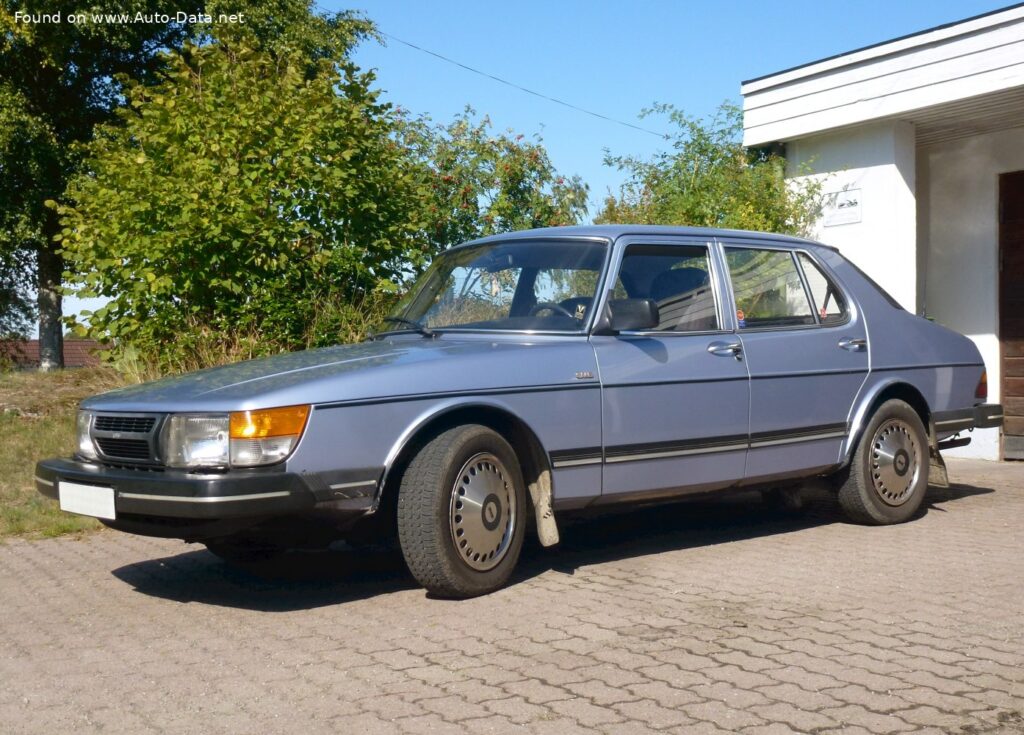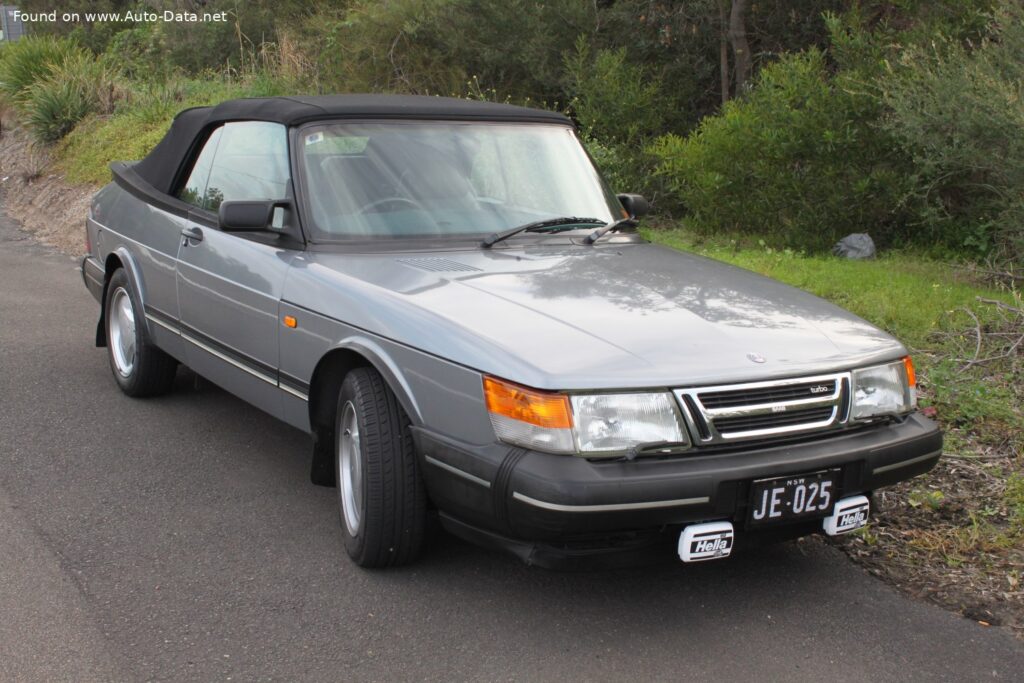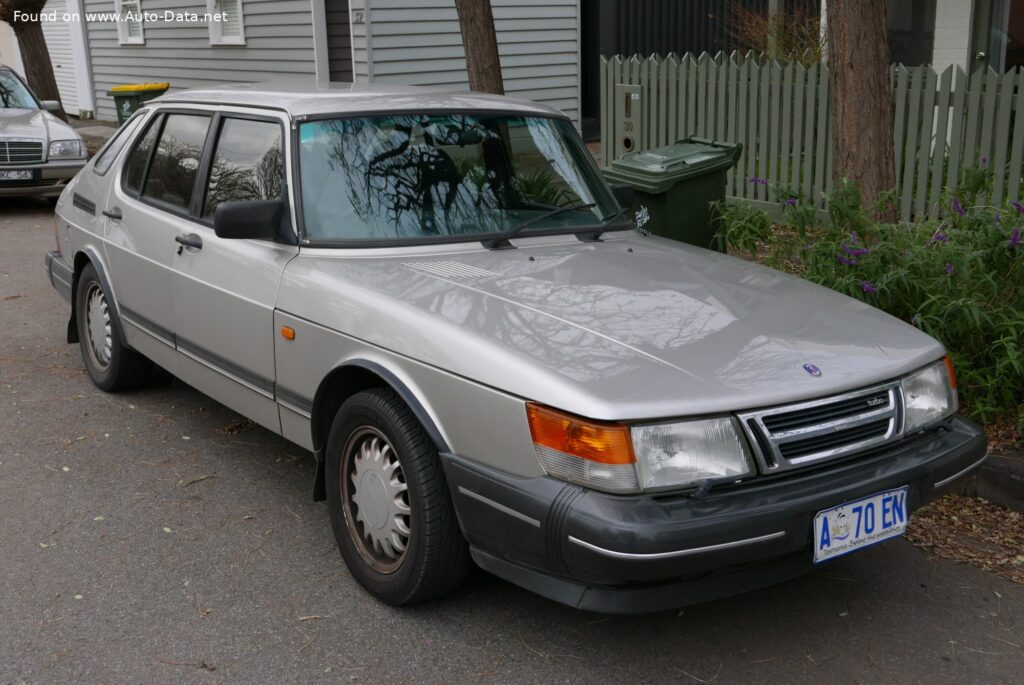
The Saab 900, particularly the first generation (1978-1993), represents a unique chapter in automotive history. The 900 I Combi Coupe, specifically the facelifted version from 1987 onward, and continuing through the 1993-1994 model years, is a distinctive variant of this iconic Swedish car. This model, powered by a 2.0-liter turbocharged 16-valve engine producing 180 horsepower, combined Saab’s commitment to aerodynamic efficiency, driver-focused design, and robust engineering. While Saab never achieved mainstream sales volumes in the United States comparable to German or Japanese brands, the 900 cultivated a devoted following among enthusiasts who appreciated its individuality and unconventional approach to automotive design. The Combi Coupe, or station wagon, body style offered a practical alternative to traditional sedans and coupes, further enhancing the 900’s appeal to those seeking a versatile and distinctive vehicle.
The Saab 900 I Combi Coupe: A Legacy of Innovation
The original Saab 900, launched in 1978, was a direct descendant of the Saab 99, but represented a significant evolution in design and engineering. Saab, with its roots in aircraft manufacturing, consistently applied aerodynamic principles to its cars, resulting in vehicles that were often ahead of their time in terms of drag coefficient and stability. The 1987 facelift for the 900 I brought subtle but important changes, including revised front-end styling, improved interior materials, and refinements to the engine and suspension. The Combi Coupe version, introduced shortly after the initial 900 launch, was particularly popular in Europe, where the demand for practical, yet stylish, station wagons was high. It offered a generous cargo capacity without sacrificing the Saab’s distinctive character. The 2.0-liter turbocharged 16-valve engine, introduced later in the model’s lifespan, provided a significant performance boost, cementing the 900’s reputation as a capable and engaging driver’s car.
Engine & Performance
The heart of the 1993-1994 Saab 900 I Combi Coupe (facelift) was its 2.0-liter inline-four cylinder engine, equipped with a turbocharger and 16 valves. This configuration allowed Saab to extract a substantial 180 horsepower from a relatively small displacement engine. The turbocharger, a key element of Saab’s engineering philosophy, provided a significant boost in power and torque, delivering strong acceleration and responsive performance. The engine was typically paired with a five-speed manual transmission, although a four-speed automatic transmission was also available. The 900’s front-wheel-drive layout contributed to its excellent handling characteristics, particularly in slippery conditions. While official 0-60 mph times varied depending on transmission and testing conditions, the 2.0 Turbo 16V Combi Coupe was generally capable of accelerating to 60 mph in around 7.5 to 8.5 seconds. The engine’s torque curve was relatively flat, providing ample pulling power across a wide range of engine speeds. This made the 900 a comfortable and capable cruiser, as well as an enjoyable performer on winding roads. The engine management system, while not as sophisticated as those found in contemporary Japanese or German cars, was effective in delivering smooth and reliable performance.
Design & Features
The Saab 900 I Combi Coupe’s design was instantly recognizable, characterized by its wedge-shaped silhouette, aerodynamic lines, and distinctive front grille. The Combi Coupe body style extended the roofline rearward, creating a spacious and practical cargo area. The rear hatch provided easy access to the luggage compartment, and the rear seats could be folded down to further increase cargo capacity. Inside, the 900 featured a driver-focused cockpit with ergonomically designed seats and a clear, functional dashboard. Saab was known for its attention to detail and its commitment to providing a comfortable and safe driving environment. Features included power windows, central locking, and an available sunroof. Safety was also a priority for Saab, and the 900 incorporated features such as reinforced steel beams in the doors and a robust safety cage. The 900’s ventilation system was particularly noteworthy, featuring a pollen filter and a sophisticated air distribution system. The car’s overall aesthetic was understated yet sophisticated, reflecting Saab’s Scandinavian design heritage. The 1987 facelift brought subtle refinements to the interior, including improved materials and a more modern dashboard layout.
Technical Specifications
| Brand | Saab |
| Model | 900 |
| Generation | 900 I Combi Coupe (facelift 1987) |
| Type (Engine) | 2.0 Turbo 16V (180 Hp) |
| Start of production | 1993 |
| End of production | 1994 |
| Powertrain Architecture | Internal Combustion engine |
| Body type | Liftback |
| Seats | 5 |
| Doors | 3-5 |
| Fuel Type | Petrol (Gasoline) |
| Power | 180 Hp |
| Engine aspiration | Turbocharger |
| Engine oil capacity | 4 l (4.23 US qt | 3.52 UK qt) |
| Coolant capacity | 10 l (10.57 US qt | 8.8 UK qt) |
The Saab 900 I Combi Coupe (facelift 1987) 2.0 Turbo 16V represents the culmination of years of development and refinement. It was a car that appealed to drivers who valued individuality, practicality, and performance. While Saab ultimately ceased production in 2011, the 900 remains a beloved classic among enthusiasts, a testament to its enduring design and engineering excellence. Its unique blend of Scandinavian design, turbocharged power, and driver-focused ergonomics continues to captivate those who appreciate a car that dares to be different.