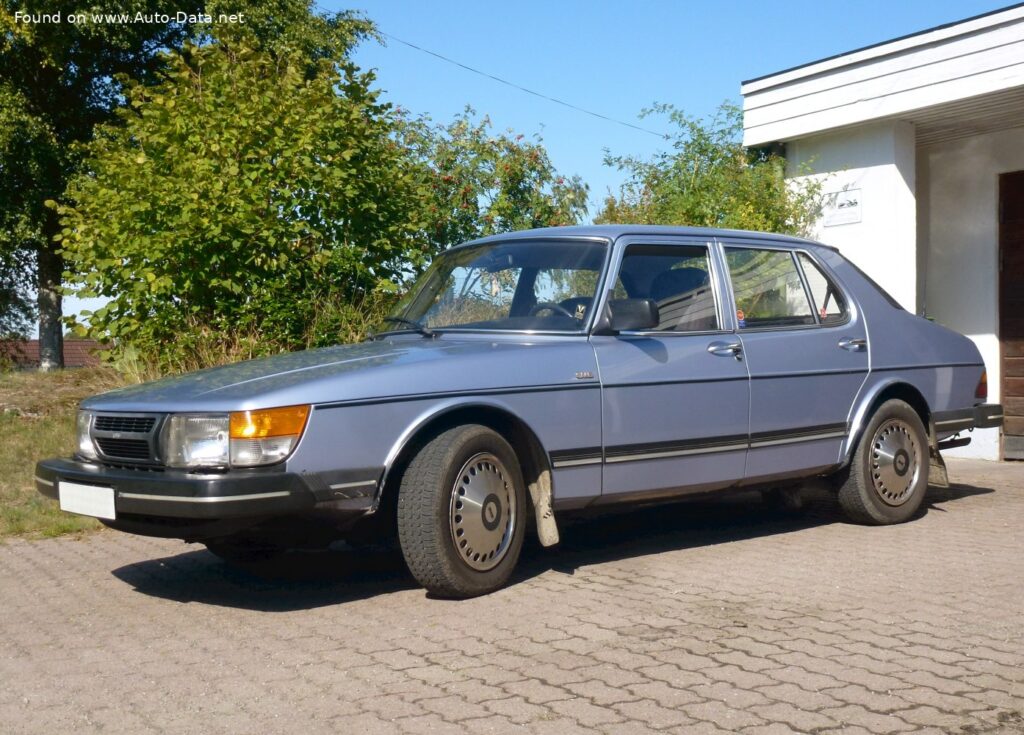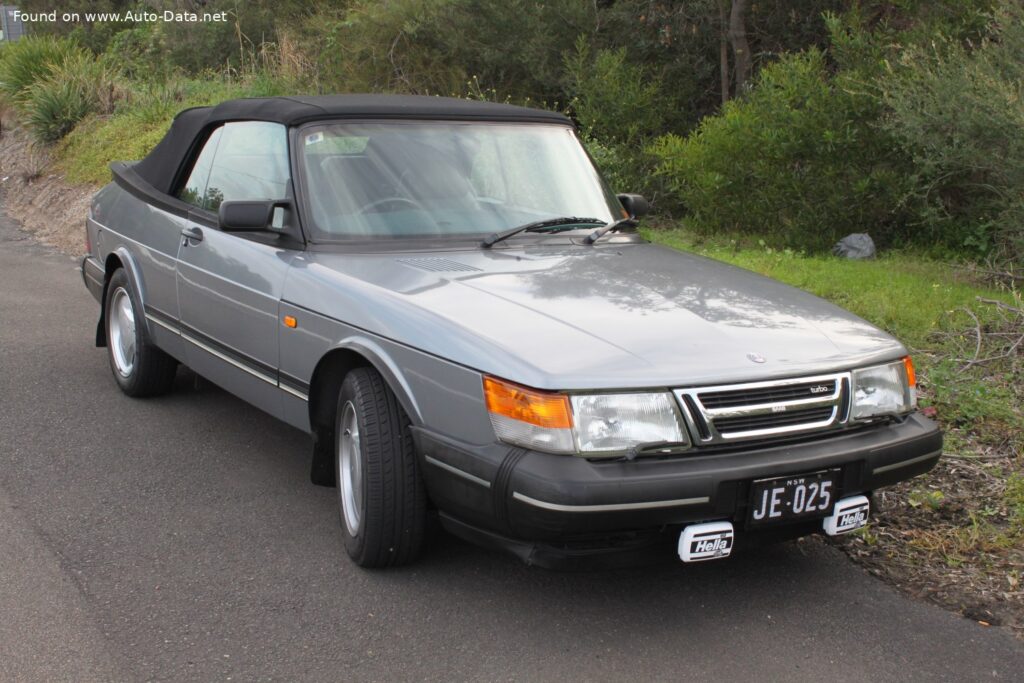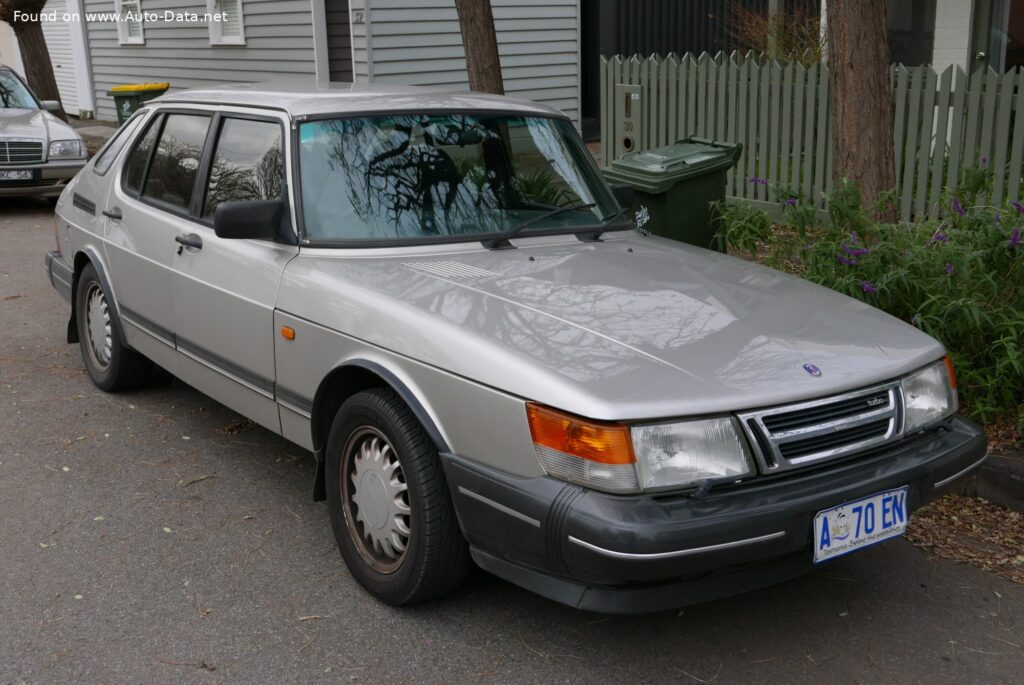
The Saab 900, particularly the first generation (900 I) Combi Coupe facelift of 1987, represents a distinctive chapter in automotive history. Produced from 1989 to 1993, this variant – specifically the 2.0 Turbo 16V S CAT model delivering 170 horsepower – blended Scandinavian design principles with robust engineering. While Saab as a brand ultimately ceased production in 2011, the original 900 established a loyal following due to its unique character, safety innovations, and turbocharged performance. The Combi Coupe, a liftback body style, offered a practical alternative to traditional sedans and coupes, appealing to buyers seeking versatility and a departure from mainstream automotive offerings. This model was never officially sold in the United States in this specific facelift form, but the earlier 900 models gained a dedicated, if niche, following among American enthusiasts who appreciated its individuality.
The Saab 900 I Combi Coupe: A Legacy of Innovation
The Saab 900, launched in 1978, was intended as a replacement for the long-running Saab 96. However, it wasn’t merely a replacement; it was a significant step forward in terms of design, safety, and overall refinement. The Combi Coupe, introduced later in the model’s lifecycle, expanded the 900’s appeal by offering increased cargo capacity and practicality. The 1987 facelift brought subtle but important changes to the exterior styling, including revised front and rear fascias, and interior improvements. The 2.0 Turbo 16V S CAT variant, with its fuel-injected, turbocharged engine, represented the performance pinnacle of the first-generation 900 range. It was a car designed for drivers who valued a unique driving experience and a blend of performance and practicality.
Engine & Performance
The heart of the 1987 facelift Saab 900 I Combi Coupe 2.0 Turbo 16V S CAT is the B202 LTT engine, a 2.0-liter inline-four cylinder powerplant. This engine utilizes a turbocharger and sixteen valves (four valves per cylinder) to deliver a substantial 170 horsepower. The “S CAT” designation indicates the inclusion of a catalytic converter, reflecting increasing environmental regulations of the time. The turbocharger significantly enhances the engine’s torque output, providing strong acceleration and responsive performance. While precise torque figures vary slightly depending on market specifications, it generally produced around 205 lb-ft of torque.
Power is delivered to the front wheels through a choice of either a four-speed automatic transmission or a five-speed manual gearbox. The manual transmission was favored by enthusiasts for its greater driver involvement and control. The 900’s suspension, featuring MacPherson struts at the front and a twist-beam axle at the rear, provided a comfortable ride while maintaining reasonably good handling characteristics. The combination of turbocharging and front-wheel drive resulted in a car that was capable of brisk acceleration and confident cornering, making it an enjoyable vehicle to drive on both winding roads and open highways. The engine’s responsiveness and the car’s overall balance contributed to its distinctive driving character.
Design & Features
The Saab 900 I Combi Coupe is instantly recognizable thanks to its distinctive liftback body style. This design provides a large rear hatch for easy access to the cargo area, offering significantly more practicality than a traditional coupe. The car’s aerodynamic shape, while influenced by the design trends of the late 1970s and early 1980s, remains relatively modern even today. The 1987 facelift brought subtle refinements to the exterior, including a revised grille and updated headlight design.
Inside, the 900 Combi Coupe offered a comfortable and functional cabin. The dashboard layout was ergonomically designed, with controls logically placed for ease of use. Saab was known for its attention to driver comfort, and the 900 featured supportive seats and a well-designed steering wheel. Safety was also a key consideration, and the 900 incorporated features such as reinforced steel beams in the doors and a robust safety cage. While not equipped with the advanced safety systems found in modern cars, the 900 represented a significant step forward in automotive safety for its time. Features like heated seats and a premium sound system were available as options, enhancing the overall driving experience. The interior materials were durable and well-made, reflecting Saab’s commitment to quality.
Technical Specifications
| Brand | Saab |
| Model | 900 |
| Generation | 900 I Combi Coupe (facelift 1987) |
| Type (Engine) | 2.0 Turbo 16V S CAT (170 Hp) |
| Start of production | 1989 |
| End of production | 1993 |
| Powertrain Architecture | Internal Combustion engine |
| Body type | Liftback |
| Seats | 5 |
| Doors | 3-5 |
| Fuel Type | Petrol (Gasoline) |
| Power | 170 Hp |
| Engine Model/Code | B202 LTT |
| Engine aspiration | Turbocharger |
| Engine oil capacity | 4 l (4.23 US qt | 3.52 UK qt) |
| Coolant capacity | 10 l (10.57 US qt | 8.8 UK qt) |
The Saab 900 I Combi Coupe 2.0 Turbo 16V S CAT remains a cherished vehicle among Saab enthusiasts. Its unique design, turbocharged performance, and commitment to safety and driver comfort set it apart from its contemporaries. While Saab is no longer with us, the legacy of the 900 lives on, representing a golden age of Swedish automotive engineering and a testament to the enduring appeal of individuality in a world of increasingly homogenized automobiles. The car’s blend of practicality, performance, and distinctive styling continues to attract a dedicated following, ensuring that the Saab 900 will be remembered as a true icon of the automotive world.