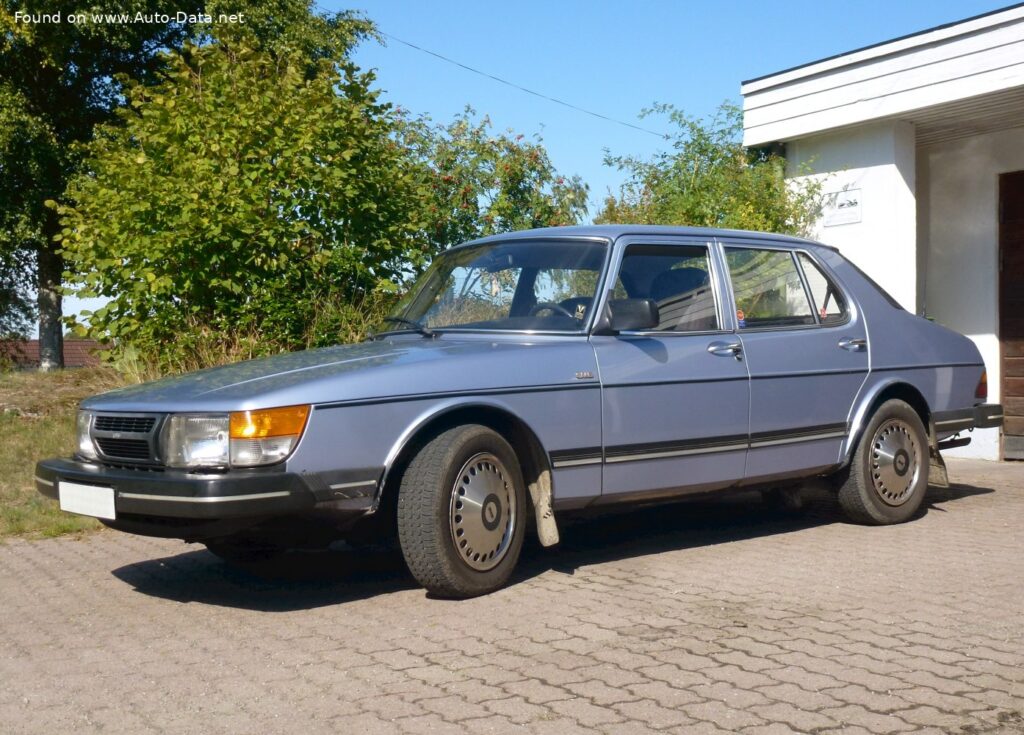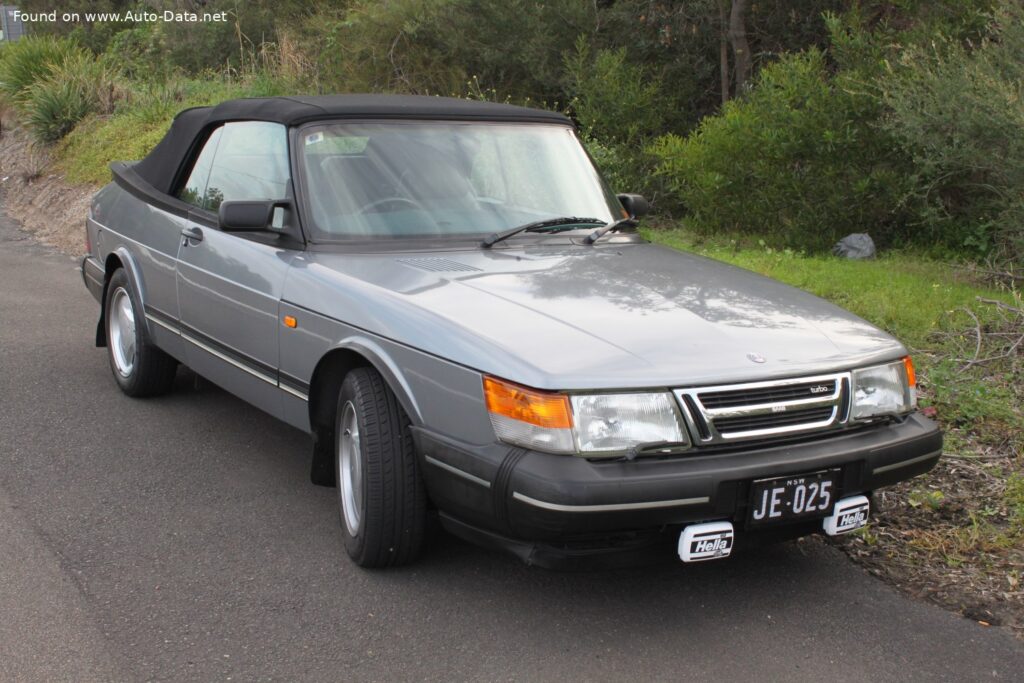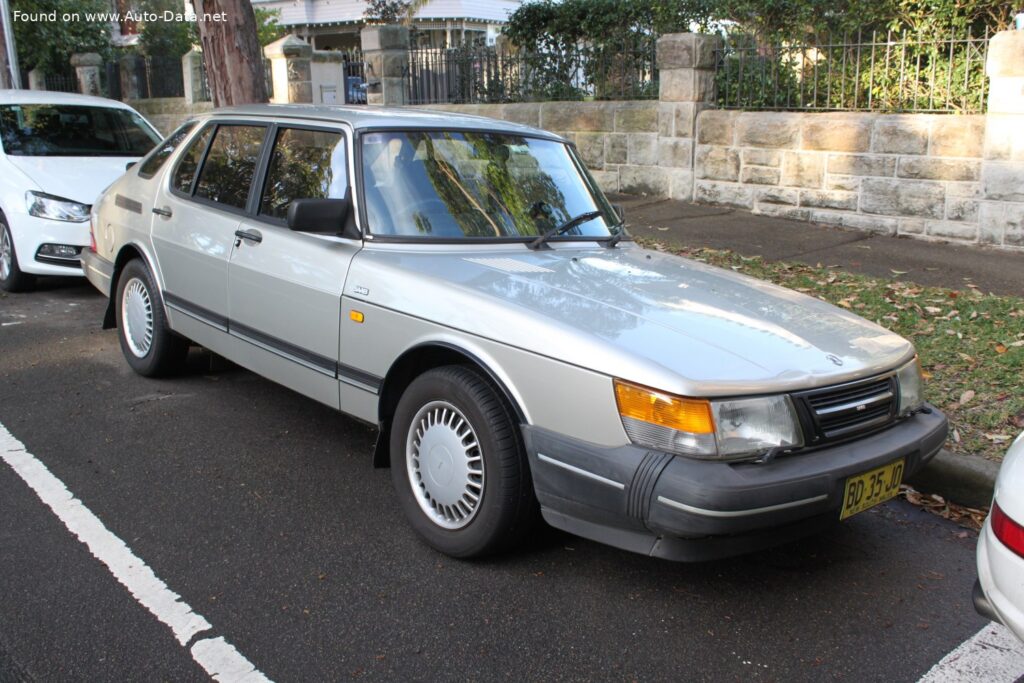
The Saab 900, particularly the first generation (1978-1993), represents a unique chapter in automotive history. The 900 I Combi Coupe, specifically the facelifted version introduced in 1987 and continuing through 1993, is a five-door liftback that blended Scandinavian design principles with robust engineering. While Saab as a brand ultimately ceased production in 2011, the 900 remains a beloved classic, known for its distinctive styling, rally heritage, and devoted following. This model, powered by a 2.1-liter 16-valve engine producing 136 horsepower, was a popular choice for those seeking a practical yet individualistic vehicle, especially in Europe where it found its largest market. The Combi Coupe offered increased cargo capacity compared to the standard 900 sedan, making it a versatile option for families and enthusiasts alike.
The Saab 900 I Combi Coupe: A Legacy of Innovation
The original Saab 900, launched in 1978, was a direct successor to the Saab 99, building upon its reputation for safety and aerodynamic efficiency. The Combi Coupe variant, introduced in 1982, expanded the 900’s appeal by offering a more practical body style. The 1987 facelift brought subtle but significant changes, including revised front-end styling, improved interior trim, and refinements to the engine and suspension. This iteration, running through 1993, is often considered the most refined of the first-generation 900s. Saab carved a niche for itself by prioritizing driver-focused design and innovative features, often ahead of their time. The 900, and the Combi Coupe in particular, became synonymous with independent thinking and a rejection of mainstream automotive norms.
Engine & Performance
The heart of the 1990-1993 Saab 900 I Combi Coupe (facelift) was the B212i engine, a 2.1-liter, naturally aspirated inline-four cylinder powerplant. This engine, equipped with a 16-valve cylinder head, produced 136 horsepower. While not a performance powerhouse by modern standards, the B212i delivered a respectable level of performance for its time, offering a good balance of power and fuel efficiency. The engine’s torque output, while not explicitly stated in available data, was sufficient for comfortable cruising and everyday driving. The engine was known for its durability and relatively simple maintenance requirements.
Power was delivered to the front wheels through either a four-speed manual or a four-speed automatic transmission. The manual transmission offered a more engaging driving experience, while the automatic provided added convenience. The 900’s suspension, featuring independent front suspension and a twist-beam rear axle, provided a comfortable ride and predictable handling. The car’s relatively lightweight construction contributed to its nimble feel. The 900 wasn’t designed for outright speed, but rather for a balanced and enjoyable driving experience, particularly on winding roads. The engine’s responsiveness and the car’s well-tuned chassis made it a favorite among driving enthusiasts.
Design & Features
The Saab 900 I Combi Coupe’s design was instantly recognizable, characterized by its distinctive wedge shape, aerodynamic lines, and large glass areas. The five-door liftback configuration provided easy access to the spacious cargo area, making it a practical choice for families and those needing to transport larger items. The interior was functional and ergonomically designed, with a focus on driver comfort. Saab interiors were known for their unique touches, such as the ignition key located between the front seats – a feature intended to improve safety by reducing the risk of knee injuries in a collision.
Safety was a key consideration in the 900’s design. While safety standards were less stringent in the 1980s and early 1990s than they are today, the 900 incorporated several features aimed at protecting its occupants. These included a reinforced safety cage, side impact protection, and a collapsible steering column. The large glass areas provided excellent visibility, enhancing driver awareness. Standard features typically included power steering, central locking, and a basic audio system. Optional extras could include sunroofs, upgraded audio systems, and leather upholstery. The 900’s design prioritized functionality and practicality, while still maintaining a distinctive and stylish appearance. The liftback design was particularly innovative for its time, offering a level of versatility that was uncommon in the compact car segment.
Technical Specifications
| Brand | Saab |
| Model | 900 |
| Generation | 900 I Combi Coupe (facelift 1987) |
| Type (Engine) | 2.1 16V (136 Hp) |
| Start of production | 1990 |
| End of production | 1993 |
| Powertrain Architecture | Internal Combustion engine |
| Body type | Liftback |
| Seats | 5 |
| Doors | 3-5 |
| Fuel Type | Petrol (Gasoline) |
| Power | 136 Hp |
| Engine Model/Code | B212i |
| Engine aspiration | Naturally aspirated engine |
| Engine oil capacity | 4 l (4.23 US qt | 3.52 UK qt) |
| Coolant capacity | 10 l (10.57 US qt | 8.8 UK qt) |
The Saab 900 I Combi Coupe (facelift 1987) 2.1 16V (136 Hp) represents a high point in Saab’s first-generation 900 lineage. Its blend of Scandinavian design, practical versatility, and driver-focused engineering continues to resonate with enthusiasts today. While no longer in production, the 900 remains a testament to Saab’s commitment to innovation and individuality, securing its place as a beloved classic in automotive history. The Combi Coupe, in particular, offered a unique combination of style, practicality, and driving enjoyment, making it a standout vehicle in its era.