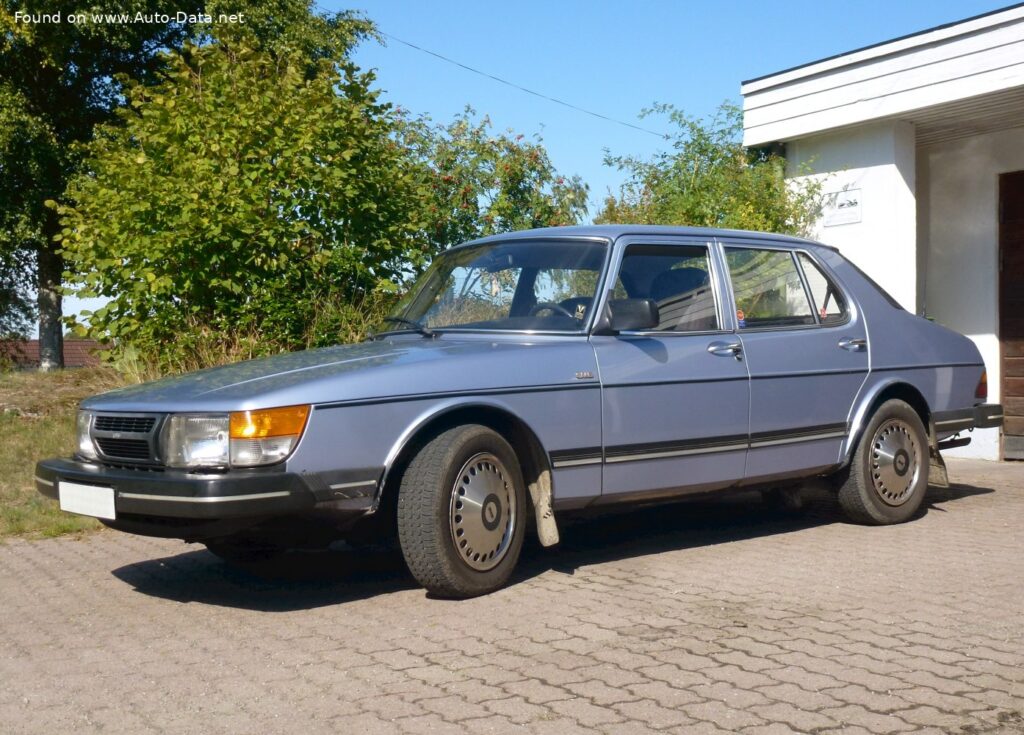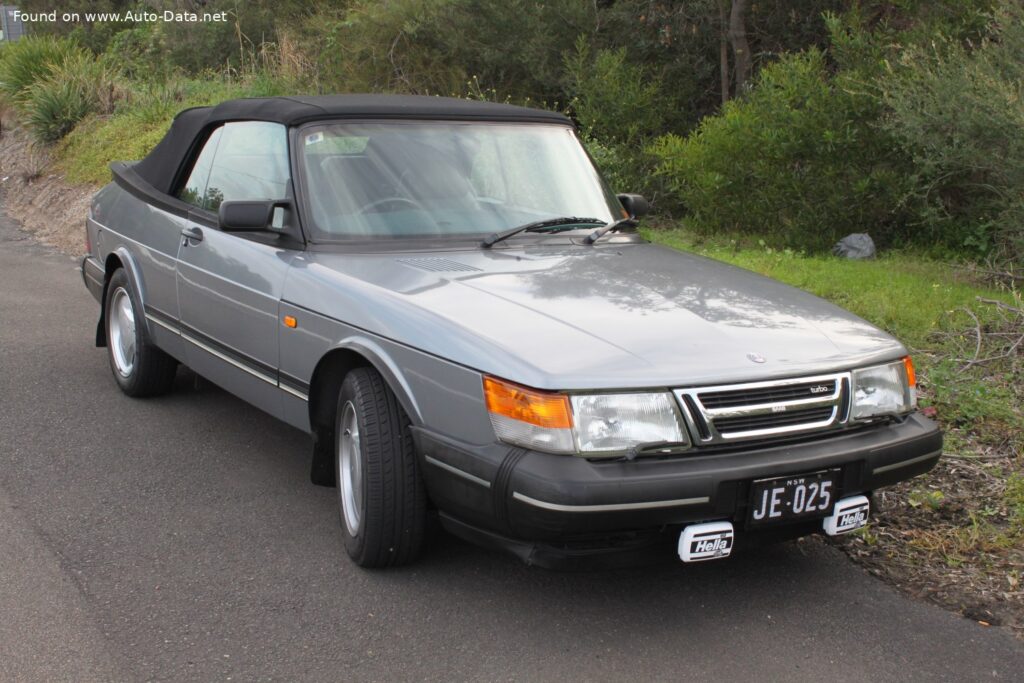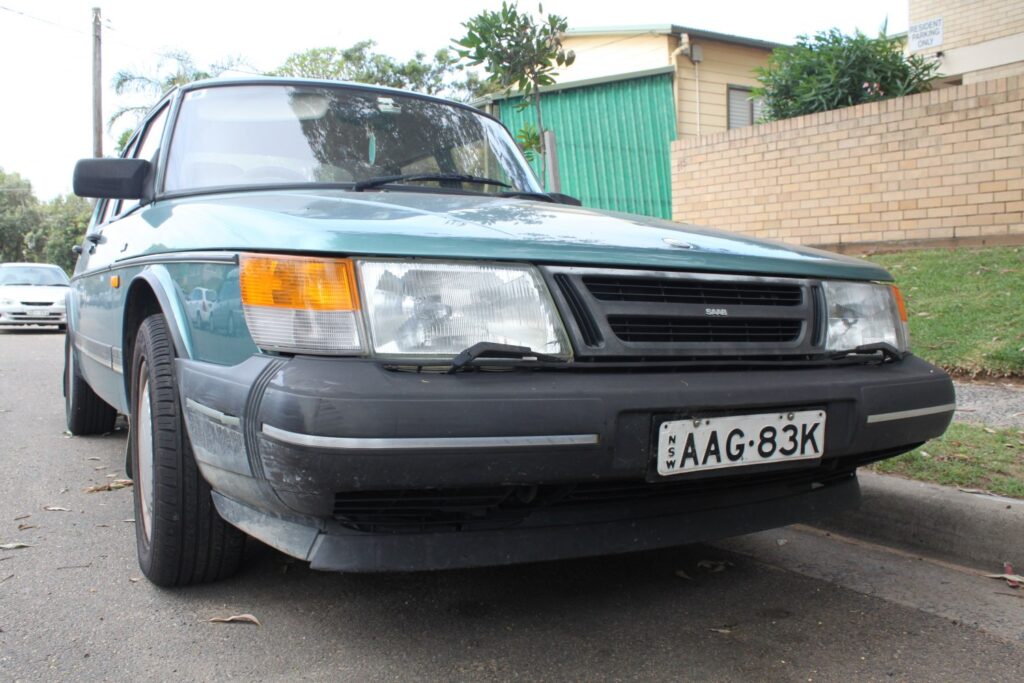
The Saab 900, particularly the first generation (900 I) and its 1987 facelift, represents a pivotal moment in the Swedish automaker’s history. Introduced in 1978, the 900 was designed as a replacement for the long-running Saab 96, and it quickly established itself as a distinctive and safe compact car. The 1987 facelift brought subtle but important updates to the design and, crucially, introduced more powerful engine options, including the 2.0i 16V Turbo model produced from 1991-1993. This variant, delivering 146 horsepower, cemented the 900’s reputation for performance and innovative engineering. While Saab never achieved massive sales volumes compared to mainstream manufacturers, the 900 cultivated a loyal following attracted to its unique character, robust build quality, and commitment to driver-focused design. The 900 I, especially in its later turbocharged forms, remains a sought-after classic among enthusiasts.
The Saab 900 I (1987 Facelift) 2.0i 16V Turbo: A Detailed Overview
Origins and Market Position
The Saab 900 was never intended to be a mass-market vehicle. Saab, as a company, prioritized engineering and safety over sheer volume. The 900 was primarily aimed at the European market, particularly buyers who valued practicality, durability, and a slightly unconventional approach to automotive design. It competed with cars like the Volkswagen Golf, Opel Astra, and Ford Escort, but distinguished itself through its unique styling, aerodynamic focus, and emphasis on driver comfort. The 1987 facelift and subsequent 2.0i 16V Turbo model were designed to enhance the 900’s appeal to performance-minded drivers while retaining its core values. While never officially a large seller in the United States during its initial run, the 900 gained a cult following among those seeking an alternative to the more common American and Japanese offerings.
Engine & Performance
The heart of the 1991-1993 Saab 900 I 2.0i 16V Turbo is the B202S engine, a 2.0-liter inline-four cylinder powerplant. This engine is notable for its use of a turbocharger and a 16-valve cylinder head, which significantly boosted its power output compared to earlier, naturally aspirated versions. The turbocharger forces more air into the engine, allowing it to burn more fuel and produce more power. The 16 valves improve breathing, further enhancing performance. The engine delivers 146 horsepower, a respectable figure for a car of its size and era. The B202S is known for its robustness and ability to handle increased boost pressures with appropriate modifications, making it a popular choice for tuners. Power is delivered to the front wheels, providing a responsive and engaging driving experience. While acceleration figures weren’t groundbreaking by modern standards, the 900 Turbo offered a compelling blend of performance and practicality. The engine’s torque characteristics provided good mid-range punch, making it suitable for both everyday driving and spirited back-road excursions.
Design & Features
The 1987 facelift of the Saab 900 I brought subtle refinements to the car’s already distinctive design. The most noticeable changes included a revised front grille, updated headlights, and a more integrated front bumper. The body remained a classic three-box sedan configuration, offering a practical and spacious interior for a compact car. The 900’s design was heavily influenced by aerodynamic principles, resulting in a relatively low drag coefficient for its time. This contributed to improved fuel efficiency and stability at higher speeds. Inside, the 900 was known for its comfortable and ergonomically designed cabin. Saab prioritized driver comfort, and the 900 featured supportive seats and a well-placed dashboard. Safety was also a key consideration, and the 900 incorporated features like a reinforced safety cage and side-impact protection. The 900’s ignition switch was famously located between the front seats, a quirky design element that became a hallmark of Saab vehicles. This placement was intended to improve safety by reducing the risk of accidental knee injuries in a collision. The 1991-1993 2.0i 16V Turbo models often included features like power windows, central locking, and an upgraded sound system as standard or optional equipment.
Technical Specifications
| Brand | Saab |
| Model | 900 |
| Generation | 900 I (facelift 1987) |
| Type (Engine) | 2.0 i 16V Turbo (146 Hp) |
| Start of production | 1991 |
| End of production | 1993 |
| Powertrain Architecture | Internal Combustion engine |
| Body type | Sedan |
| Seats | 5 |
| Doors | 4 |
| Fuel Type | Petrol (Gasoline) |
| Power | 146 Hp |
| Engine Model/Code | B202S |
| Engine aspiration | Turbocharger |
| Engine oil capacity | 4 l (4.23 US qt | 3.52 UK qt) |
| Coolant capacity | 10 l (10.57 US qt | 8.8 UK qt) |
The Saab 900 I (1987 facelift) 2.0i 16V Turbo represents a high point in the first generation 900’s development. It combined a potent turbocharged engine with Saab’s signature focus on safety, comfort, and distinctive design. While production ended in 1993, the 900’s legacy continues to resonate with enthusiasts who appreciate its unique character and enduring appeal. The car’s robust engineering and readily available parts supply ensure that many examples remain on the road today, providing a tangible link to Saab’s innovative past.