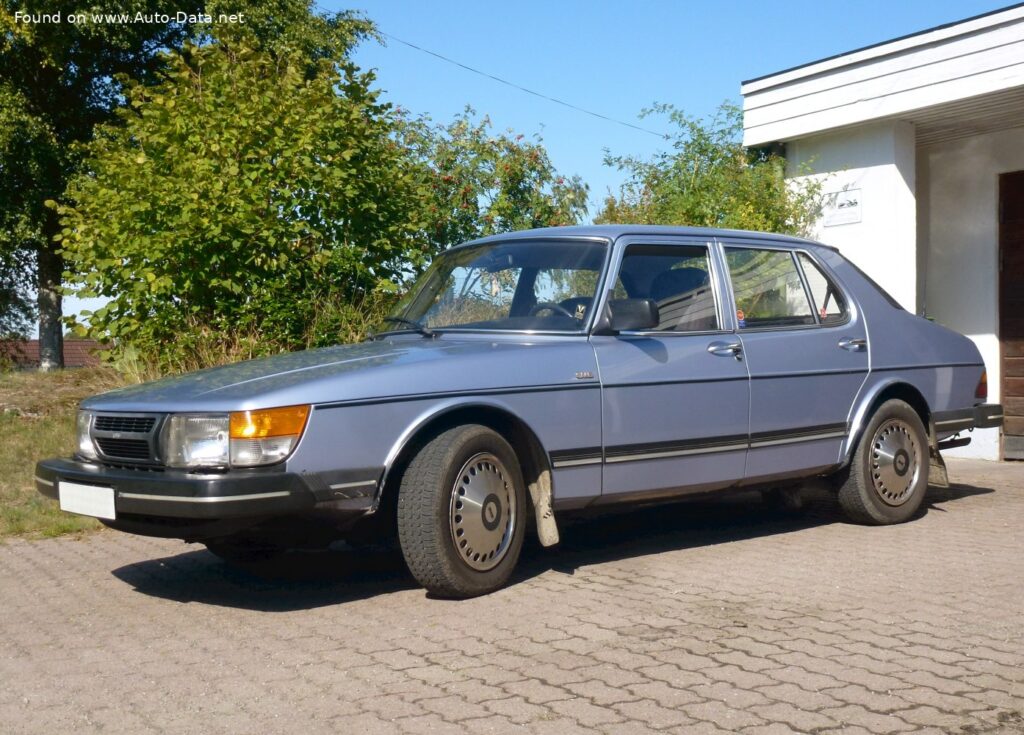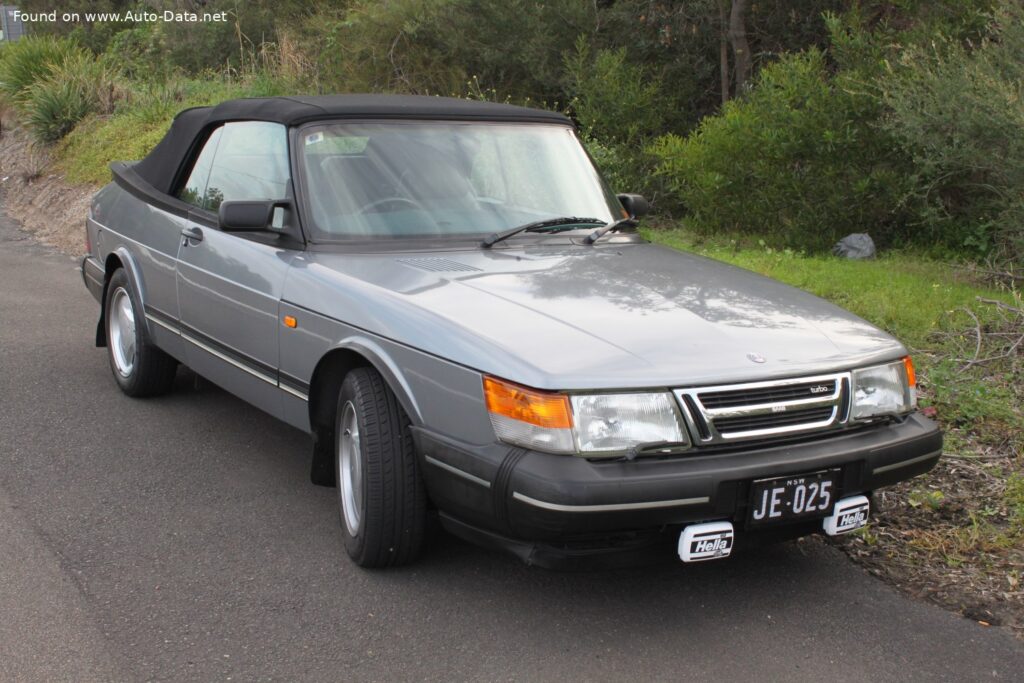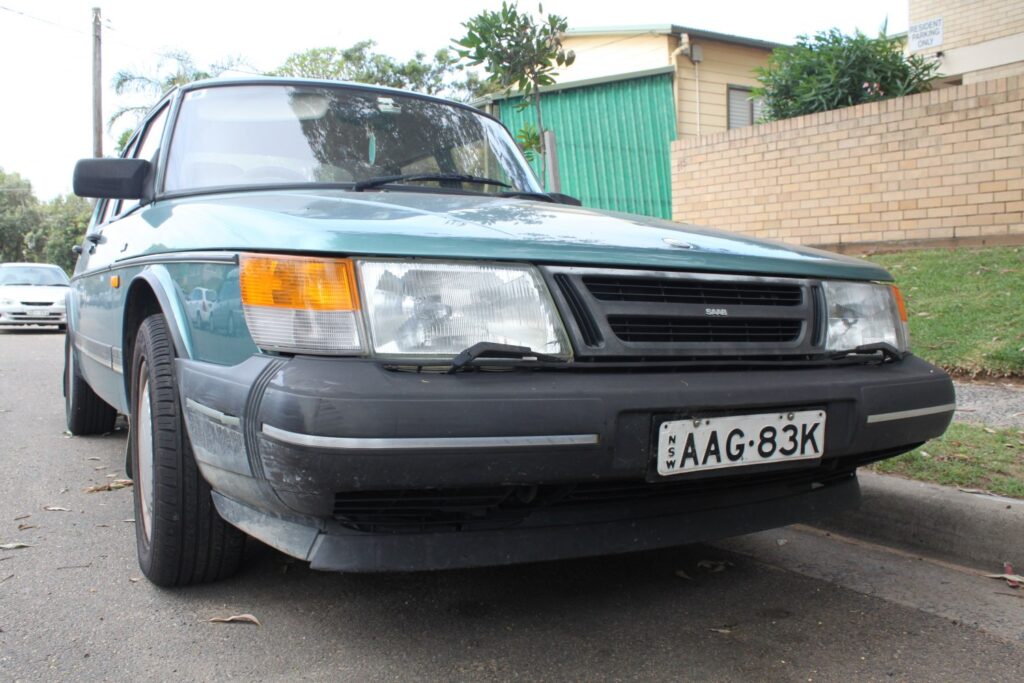
The Saab 900, particularly the first generation (900 I) produced from 1978 to 1993, represents a pivotal moment in the Swedish automaker’s history. The 1987 facelift brought notable improvements to the original design, solidifying the 900’s reputation for quirky innovation, robust engineering, and a dedicated following. This iteration, specifically the 2.0 Turbo model producing 140 horsepower, was a significant offering in the compact car segment, appealing to drivers seeking a blend of practicality, performance, and distinctive Scandinavian design. While Saab never achieved mainstream sales volumes in the United States comparable to its German or Japanese competitors, the 900 cultivated a loyal and enthusiastic customer base who appreciated its unique character and engineering approach.
The Saab 900 I (1987 Facelift)
The Saab 900 I, launched in 1978, was intended as a replacement for the aging Saab 96. The 900 represented a move towards a more modern and mainstream design, while still retaining the core Saab values of safety, functionality, and aerodynamic efficiency. The 1987 facelift was a substantial update, addressing some of the earlier criticisms of the car and enhancing its appeal. Changes included revised bodywork, improved interior trim, and, crucially, upgrades to the engine range, including the introduction of more powerful turbocharged variants. The facelifted 900 continued in production until 1993, when it was replaced by the all-new Saab 900 NG (New Generation).
Engine & Performance
The heart of the 1987 Saab 900 2.0 Turbo is the B201 engine, a 1,985 cc inline-four cylinder powerplant. This engine is characterized by its robust construction and the integration of a Garrett turbocharger. The turbocharger significantly boosts power output, delivering 140 horsepower. This output, while modest by modern standards, provided spirited performance for a car of its size and weight in the late 1980s. The B201 engine is known for its relatively high torque output, making it a flexible and drivable engine in everyday conditions. The engine is coupled with either a four-speed manual or a four-speed automatic transmission, driving the front wheels. The 900’s front-wheel-drive layout contributes to good handling and traction, particularly in adverse weather conditions. Fuel injection is standard, contributing to improved fuel efficiency and reduced emissions compared to earlier carbureted Saab models. The engine’s design prioritized durability and reliability, and well-maintained examples are known to withstand high mileage.
Design & Features
The 1987 facelifted Saab 900 retains the distinctive wedge-shaped silhouette of the original 900, but with a more refined and aerodynamic appearance. The front end features a revised grille and headlights, while the rear end receives updated taillights and a redesigned trunk lid. The body is a four-door sedan configuration, offering practical access for passengers and cargo. The interior of the 900 is characterized by its functional and ergonomic design. Saab was renowned for its attention to driver comfort and visibility, and the 900 is no exception. The dashboard is logically laid out, with all controls within easy reach of the driver. The seats are supportive and comfortable, even on long journeys. Safety was a key consideration in the 900’s design. It incorporates a reinforced safety cage, side impact protection, and a collapsible steering column. While not equipped with the advanced safety features found in modern cars, the 900 offered a high level of protection for its time. Other notable features include power steering, available air conditioning, and a high-quality sound system. The 900’s distinctive design and practical features made it a popular choice for drivers who valued individuality and functionality.
Legacy and Impact
The Saab 900 I, and particularly the 1987 facelifted models, played a crucial role in establishing Saab’s reputation as a manufacturer of innovative and well-engineered cars. The 900’s unique design, turbocharged engine, and focus on safety and driver comfort set it apart from its competitors. While Saab struggled to achieve mainstream success in the United States, the 900 developed a devoted following among enthusiasts who appreciated its quirky character and engineering excellence. The 900’s influence can be seen in subsequent Saab models, and its legacy continues to inspire automotive designers and engineers today. The car represents a period of independent thinking and engineering prowess within the automotive industry, a time when Saab dared to be different.
Technical Specifications
| Brand | Saab |
| Model | 900 |
| Generation | 900 I (facelift 1987) |
| Type (Engine) | 2.0 Turbo (140 Hp) |
| Start of production | 1987 |
| End of production | 1991 |
| Powertrain Architecture | Internal Combustion engine |
| Body type | Sedan |
| Seats | 5 |
| Doors | 4 |
| Fuel Type | Petrol (Gasoline) |
| Power | 140 Hp |
| Engine Model/Code | B201 |
| Engine aspiration | Turbocharger |
| Engine oil capacity | 3.8 l / 4.02 US qt | 3.34 UK qt |
| Coolant capacity | 10 l / 10.57 US qt | 8.8 UK qt |