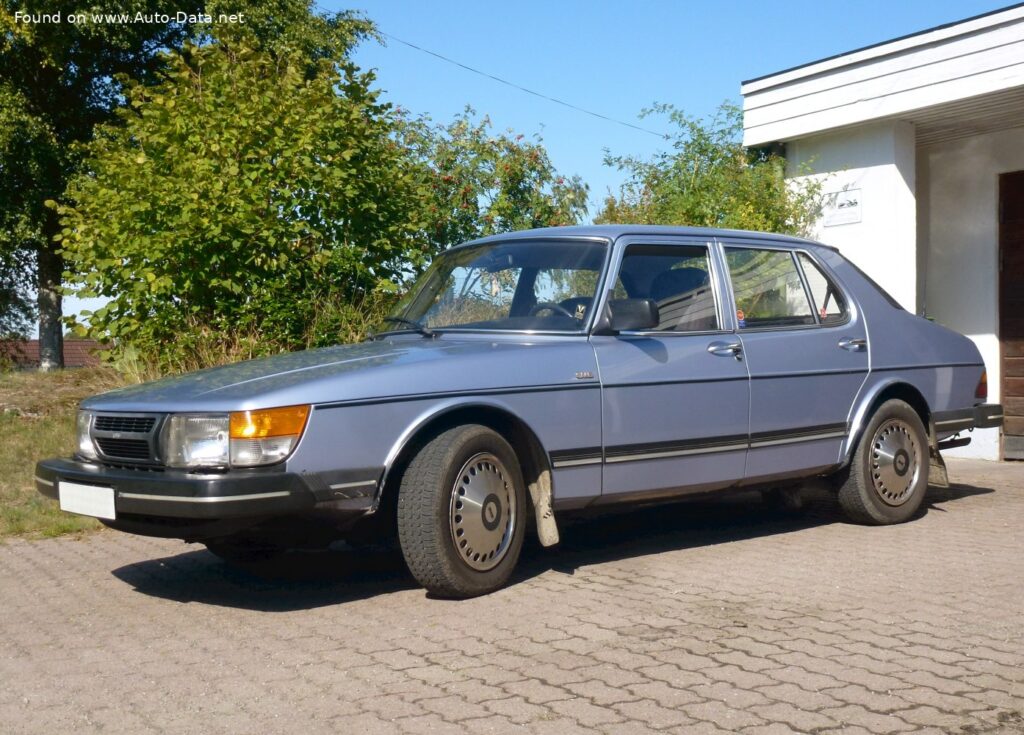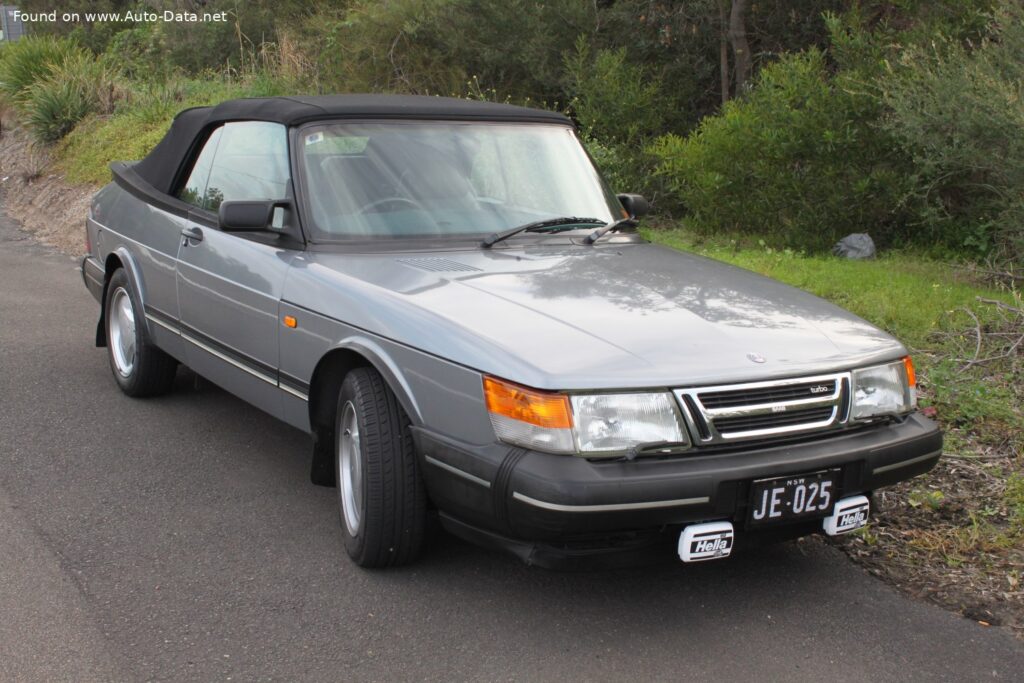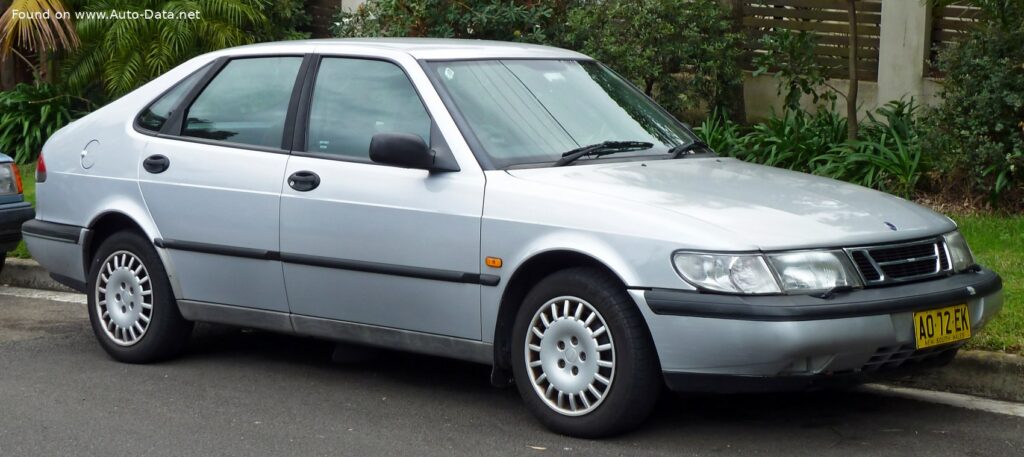
The Saab 900 II, produced between 1993 and 1998, represents the second generation of Saab’s iconic compact car. Building upon the success of the original 900, the 900 II aimed to modernize the formula while retaining the brand’s commitment to safety, functionality, and a unique driving experience. While never a high-volume seller in the United States compared to its domestic rivals, the 900 II cultivated a loyal following among enthusiasts who appreciated its distinctive Scandinavian design and engineering. It served as Saab’s mainstay model during a period of transition and ultimately paved the way for the later 9-3.
Saab 900 II 2.3 16V: A Detailed Overview
The 900 II underwent significant changes from its predecessor, featuring a more aerodynamic body, improved interior space, and enhanced safety features. The 2.3 16V variant, equipped with a 150 horsepower engine, was a popular choice, offering a balance of performance and fuel efficiency. This model year saw refinements to the engine management system and suspension, further enhancing the car’s driving dynamics. The Saab 900 II was primarily sold in Europe and Australia, where it competed with other compact hatchbacks like the Volkswagen Golf, Ford Escort, and Opel Astra. Its unique selling points remained its robust construction, comfortable ride, and distinctive styling.
Engine & Performance
The heart of the Saab 900 II 2.3 16V is a 2.3-liter inline-four cylinder engine, designated the B234i. This naturally aspirated engine produces 150 horsepower at 5700 rpm and 210 Nm (154.89 lb.-ft.) of torque at 4300 rpm. The engine utilizes multi-port fuel injection and a double overhead camshaft (DOHC) valvetrain with four valves per cylinder, contributing to its relatively high power output for its displacement – 65.5 horsepower per liter. Power is delivered to the front wheels via a five-speed manual transmission. The 900 II 2.3 16V achieves a 0-100 km/h (0-62 mph) acceleration time of 10 seconds, and a 0-60 mph time of 9.5 seconds. Its top speed is rated at 210 km/h (130.49 mph). The weight-to-power ratio of 8.8 kg/Hp and weight-to-torque ratio of 6.3 kg/Nm contribute to a responsive driving experience. Fuel consumption is rated at 8.7 liters per 100 kilometers (27 US mpg).
Design & Features
The Saab 900 II is instantly recognizable by its distinctive hatchback body style, characterized by a sloping rear window and a relatively tall roofline. The design prioritized practicality and interior space. The car seats five passengers comfortably and offers a generous trunk capacity ranging from 494 liters (17.45 cu. ft.) with the rear seats up to 897 liters (31.68 cu. ft.) with them folded down. Safety was a key consideration in the 900 II’s design. It features ventilated disc brakes on the front wheels and disc brakes on the rear, along with an Anti-lock Braking System (ABS) as standard equipment. The steering system is a hydraulic power-assisted rack and pinion setup, providing precise and responsive handling. The suspension utilizes a wishbone configuration at the front and a traction connecting lever system at the rear, offering a comfortable ride and good road holding. The car rides on 15-inch wheels with 195/60 R15 tires.
Technical Specifications
| Brand | Saab |
| Model | 900 |
| Generation | 900 II |
| Type (Engine) | 2.3 16V (150 Hp) |
| Start of production | 1993 |
| End of production | 1998 |
| Powertrain Architecture | Internal Combustion engine |
| Body type | Hatchback |
| Seats | 5 |
| Doors | 5 |
| Fuel consumption (combined) | 8.7 l/100 km |
| Fuel consumption (US mpg) | 27 US mpg |
| Fuel consumption (UK mpg) | 32.5 UK mpg |
| Fuel Type | Petrol (Gasoline) |
| Acceleration 0 – 100 km/h | 10 sec |
| Acceleration 0 – 62 mph | 10 sec |
| Acceleration 0 – 60 mph | 9.5 sec |
| Maximum speed | 210 km/h (130.49 mph) |
| Weight-to-power ratio | 8.8 kg/Hp |
| Weight-to-torque ratio | 6.3 kg/Nm |
| Power | 150 Hp @ 5700 rpm |
| Power per litre | 65.5 Hp/l |
| Torque | 210 Nm @ 4300 rpm (154.89 lb.-ft. @ 4300 rpm) |
| Engine layout | Front, Transverse |
| Engine Model/Code | B234i |
| Engine displacement | 2290 cm3 (139.74 cu. in.) |
| Number of cylinders | 4 |
| Engine configuration | Inline |
| Cylinder Bore | 90 mm (3.54 in.) |
| Piston Stroke | 90 mm (3.54 in.) |
| Compression ratio | 10.5:1 |
| Number of valves per cylinder | 4 |
| Fuel injection system | Multi-port manifold injection |
| Engine aspiration | Naturally aspirated engine |
| Valvetrain | DOHC |
| Engine oil capacity | 5.3 l (5.6 US qt | 4.66 UK qt) |
| Coolant | 8.5 l (8.98 US qt | 7.48 UK qt) |
| Kerb Weight | 1320 kg (2910.1 lbs.) |
| Max. weight | 1820 kg (4012.41 lbs.) |
| Max load | 500 kg (1102.31 lbs.) |
| Trunk (boot) space – minimum | 494 l (17.45 cu. ft.) |
| Trunk (boot) space – maximum | 897 l (31.68 cu. ft.) |
| Fuel tank capacity | 68 l (17.96 US gal | 14.96 UK gal) |
| Length | 4637 mm (182.56 in.) |
| Width | 1711 mm (67.36 in.) |
| Height | 1436 mm (56.54 in.) |
| Wheelbase | 2600 mm (102.36 in.) |
| Front track | 1446 mm (56.93 in.) |
| Rear (Back) track | 1443 mm (56.81 in.) |
| Drivetrain Architecture | Front wheel drive |
| Number of gears and type of gearbox | 5 gears, manual transmission |
| Front suspension | Wishbone |
| Rear suspension | Suspension with traction connecting levers |
| Front brakes | Ventilated discs |
| Rear brakes | Disc |
| Assisting systems | ABS (Anti-lock braking system) |
| Steering type | Steering rack and pinion |
| Power steering | Hydraulic Steering |
| Tires size | 195/60 R15 |
| Wheel rims size | 15 |
The Saab 900 II 2.3 16V remains a sought-after classic car, appreciated for its blend of Scandinavian design, robust engineering, and engaging driving experience. Its enduring appeal lies in its ability to offer a unique alternative to more mainstream compact cars of its era.