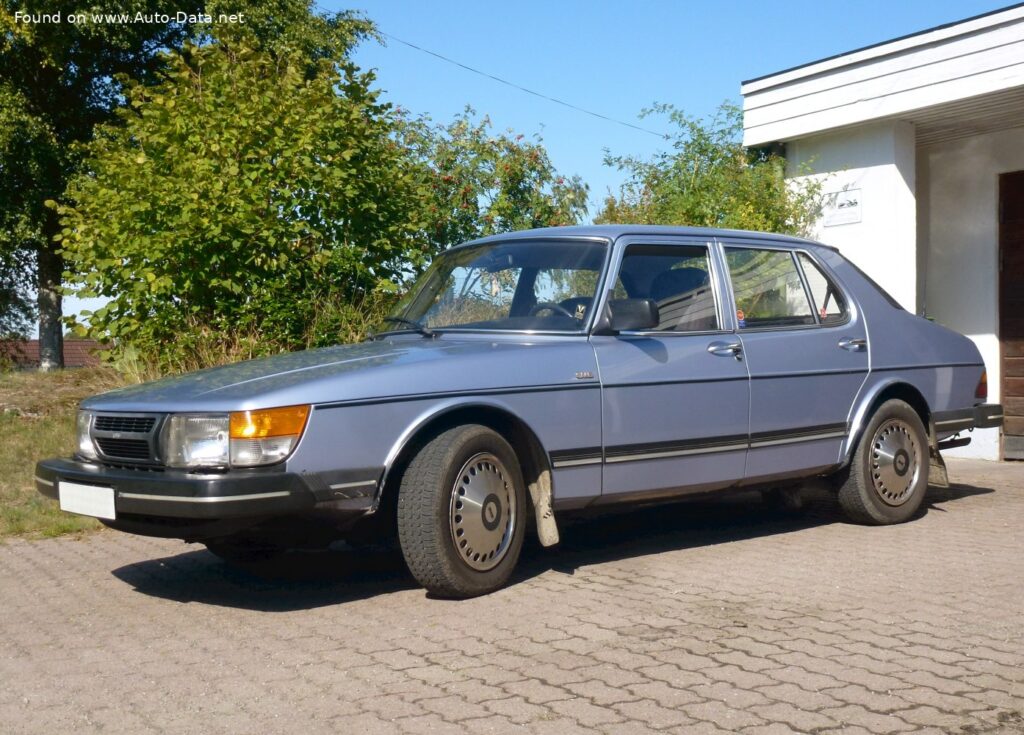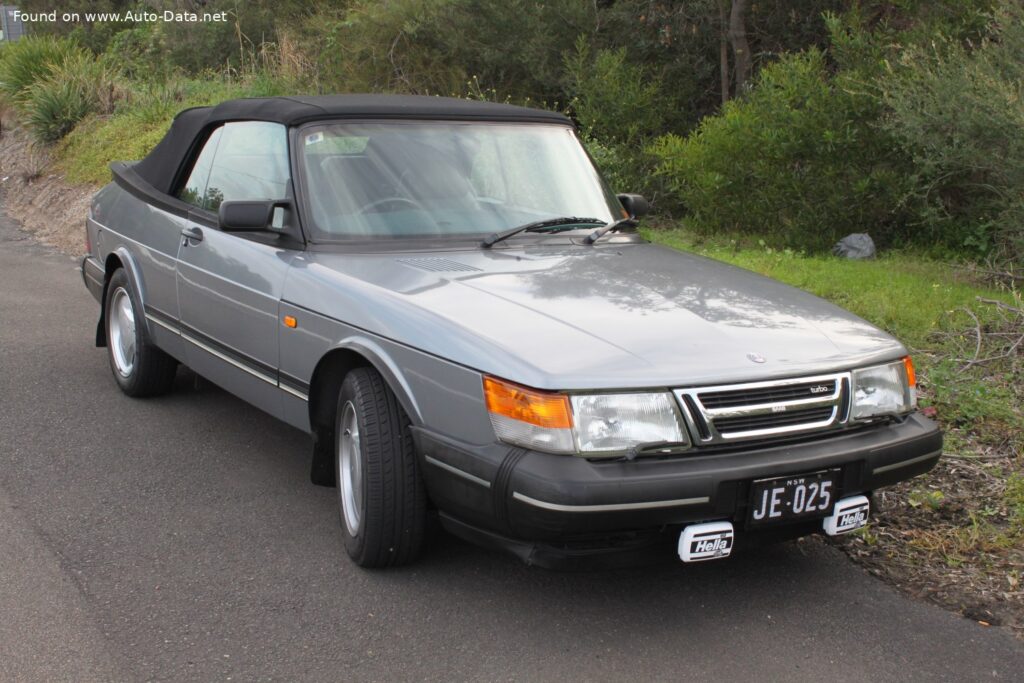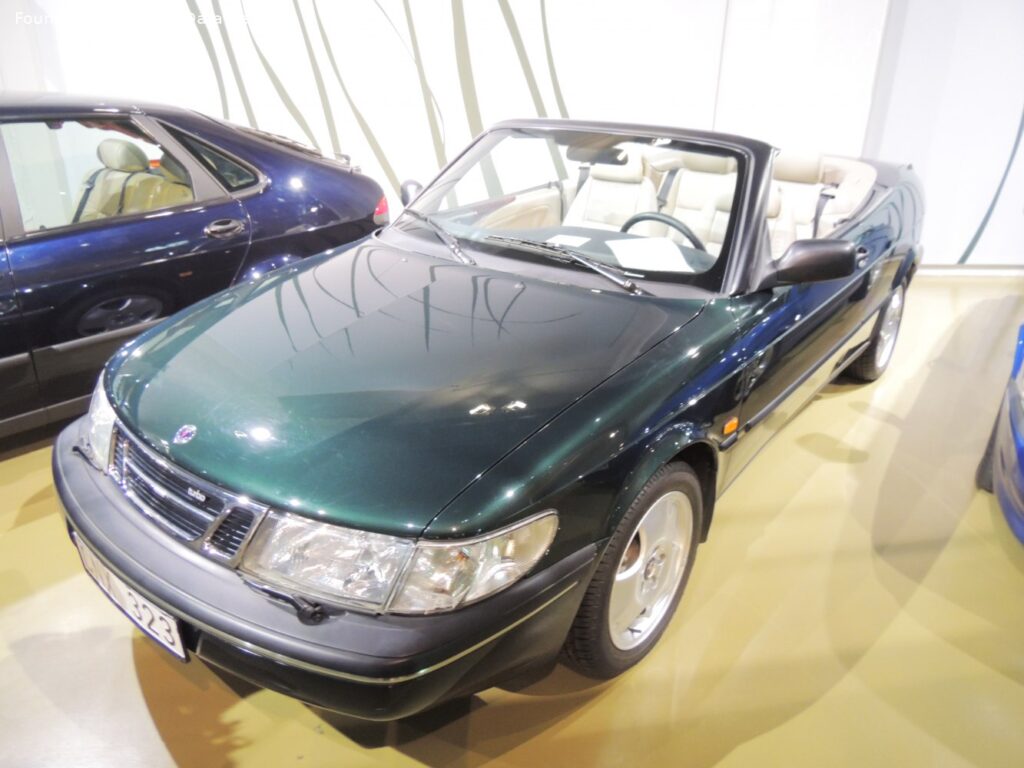
The Saab 900 II Cabriolet 2.5 V6 24V (170 Hp) represents a unique chapter in Saab’s history, produced between 1993 and 1998. This model was not widely sold in the United States, but it was a significant offering in the European market, particularly appealing to drivers seeking a blend of Scandinavian design, sporty performance, and open-air motoring. The 900 II Cabriolet was the final iteration of the classic 900 series, building upon the original’s reputation for quirky charm and robust engineering while adding a more refined and powerful engine option. It occupied the compact convertible segment, competing with vehicles like the BMW 3 Series Convertible and the Mercedes-Benz SLK.
The Saab 900 II Cabriolet: A Legacy of Innovation
The Saab 900 series, launched in 1978, quickly became known for its distinctive styling and innovative safety features. The 900 II, introduced in 1989, was a heavily revised version of the original, offering improved aerodynamics, a more modern interior, and enhanced performance. The Cabriolet version, first appearing in 1986, capitalized on the growing popularity of open-top cars, offering Saab’s unique character in a more accessible format. The introduction of the 2.5 V6 engine in 1993 marked a high point in the 900 II’s development, providing a significant power boost and a smoother driving experience.
Engine & Performance
The heart of the 900 II Cabriolet 2.5 V6 24V is its 2.5-liter V6 engine, producing 170 horsepower at 5900 rpm and 227 Nm (167.43 lb.-ft.) of torque at 4200 rpm. This naturally aspirated engine, designated B258i, features a 60-degree V-angle and a 24-valve dual overhead camshaft (DOHC) configuration. The engine utilizes multi-port fuel injection for precise fuel delivery. This powertrain delivers a respectable 0-60 mph acceleration time of approximately 8.7 seconds and a top speed of 225 km/h (139.81 mph). The engine’s transverse front-wheel-drive layout contributes to balanced handling. The five-speed manual transmission provides drivers with direct control over the engine’s power. The power-to-weight ratio of 8.2 kg/Hp and torque-to-weight ratio of 6.2 kg/Nm contribute to a responsive driving experience.
Design & Features
The 900 II Cabriolet retains the instantly recognizable Saab aesthetic, characterized by its clean lines, aerodynamic shape, and distinctive front grille. The convertible top, a manually operated soft top, provides open-air enjoyment while maintaining a reasonable level of refinement. The interior is designed with a focus on functionality and ergonomics, featuring supportive seats and a driver-centric layout. Safety was a key consideration in the 900 II’s design, and the Cabriolet includes features such as Anti-lock Braking System (ABS) as standard equipment. The car offers seating for four passengers, although rear space is somewhat limited, typical for a compact convertible. Trunk space ranges from 295 to 378 liters (10.42 to 13.35 cubic feet) depending on whether the convertible top is stowed or deployed. The hydraulic power steering provides ease of maneuverability, and the suspension, featuring wishbones at the front and traction connecting levers at the rear, delivers a comfortable ride.
Technical Specifications
| Brand | Saab |
| Model | 900 |
| Generation | 900 II Cabriolet |
| Type (Engine) | 2.5 V6 24V (170 Hp) |
| Start of production | 1993 |
| End of production | 1998 |
| Powertrain Architecture | Internal Combustion engine |
| Body type | Cabriolet |
| Seats | 4 |
| Doors | 2 |
| Fuel consumption (combined) | 9.1 l/100 km |
| Fuel consumption (US mpg) | 25.8 US mpg |
| Fuel consumption (UK mpg) | 31 UK mpg |
| Fuel consumption (km/l) | 11 km/l |
| Fuel Type | Petrol (Gasoline) |
| Acceleration 0 – 100 km/h | 9.2 sec |
| Acceleration 0 – 62 mph | 9.2 sec |
| Acceleration 0 – 60 mph | 8.7 sec |
| Maximum speed | 225 km/h (139.81 mph) |
| Weight-to-power ratio | 8.2 kg/Hp |
| Weight-to-torque ratio | 6.2 kg/Nm |
| Power | 170 Hp @ 5900 rpm |
| Power per litre | 68.1 Hp/l |
| Torque | 227 Nm @ 4200 rpm (167.43 lb.-ft. @ 4200 rpm) |
| Engine layout | Front, Transverse |
| Engine Model/Code | B258i |
| Engine displacement | 2498 cm3 (152.44 cu. in.) |
| Number of cylinders | 6 |
| Engine configuration | V-engine |
| Cylinder Bore | 81.6 mm (3.21 in.) |
| Piston Stroke | 79.6 mm (3.13 in.) |
| Compression ratio | 10.8:1 |
| Number of valves per cylinder | 4 |
| Fuel injection system | Multi-port manifold injection |
| Engine aspiration | Naturally aspirated engine |
| Valvetrain | DOHC |
| Engine oil capacity | 4.5 l (4.76 US qt | 3.96 UK qt) |
| Coolant | 8 l (8.45 US qt | 7.04 UK qt) |
| Kerb Weight | 1400 kg (3086.47 lbs.) |
| Max. weight | 1800 kg (3968.32 lbs.) |
| Max load | 400 kg (881.85 lbs.) |
| Trunk (boot) space – minimum | 295 l (10.42 cu. ft.) |
| Trunk (boot) space – maximum | 378 l (13.35 cu. ft.) |
| Fuel tank capacity | 68 l (17.96 US gal | 14.96 UK gal) |
| Length | 4637 mm (182.56 in.) |
| Width | 1711 mm (67.36 in.) |
| Height | 1435 mm (56.5 in.) |
| Wheelbase | 2600 mm (102.36 in.) |
| Front track | 1446 mm (56.93 in.) |
| Rear (Back) track | 1443 mm (56.81 in.) |
| Drivetrain Architecture | Front wheel drive |
| Number of gears and type of gearbox | 5 gears, manual transmission |
| Front suspension | Wishbone |
| Rear suspension | Suspension with traction connecting levers |
| Front brakes | Ventilated discs |
| Rear brakes | Disc |
| Assisting systems | ABS (Anti-lock braking system) |
| Steering type | Steering rack and pinion |
| Power steering | Hydraulic Steering |
| Tires size | 195/60 R15 |
| Wheel rims size | 15 |
The Saab 900 II Cabriolet 2.5 V6 24V remains a desirable classic car, appreciated for its unique character, robust engineering, and enjoyable driving experience. While production ended in 1998, the 900 series continues to hold a special place in the hearts of Saab enthusiasts worldwide.