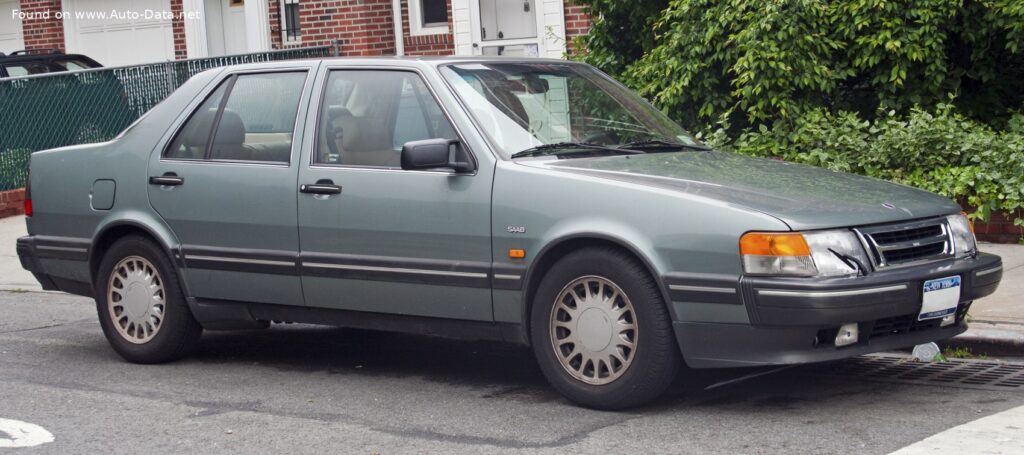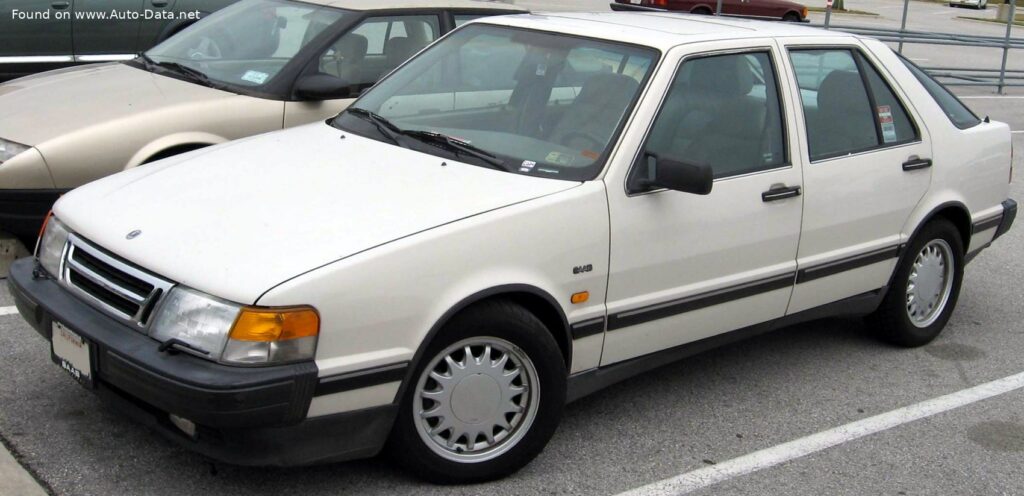
The Saab 9000, specifically the 2.0 16V hatchback produced between 1985 and 1988, represented a significant step forward for the Swedish automaker. Positioned as a larger, more sophisticated alternative to the Saab 900, the 9000 aimed to compete directly with executive cars from German manufacturers like BMW and Mercedes-Benz, while retaining Saab’s commitment to innovative design and safety. This generation of the 9000, the hatchback, offered a practical and stylish option for families and individuals seeking a blend of performance, comfort, and distinctive Scandinavian aesthetics. While Saab never achieved the same sales volume as its German rivals, the 9000 established a loyal following and cemented the brand’s reputation for engineering excellence and unconventional thinking.
The Saab 9000 Hatchback: A Detailed Overview
The 9000 was Saab’s first foray into the upper-middle class segment. Prior to its introduction, Saab’s lineup was largely defined by the smaller, more utilitarian 900. The 9000 was designed to broaden Saab’s appeal and attract a more affluent customer base. The hatchback body style, while not as common in the US market at the time as sedans, offered increased versatility and cargo capacity, aligning with European preferences. The 2.0 16V variant, with its fuel-injected engine and multi-valve cylinder head, provided a noticeable performance upgrade over earlier 9000 models. It was a car built for comfortable long-distance cruising, with a focus on driver ergonomics and a quiet cabin.
Engine & Performance
The heart of the Saab 9000 2.0 16V is the B202 engine, a naturally aspirated 2.0-liter inline-four cylinder gasoline engine. This engine produced 128 horsepower, a respectable figure for the mid-1980s, and delivered a smooth power delivery suitable for both city driving and highway travel. The 16-valve cylinder head, a key feature of this engine, allowed for improved breathing and increased power output compared to earlier 8-valve versions. Fuel injection, a relatively new technology at the time, further enhanced efficiency and responsiveness.
While not a sports car, the 9000 2.0 16V offered competent performance. Acceleration was adequate, and the engine was known for its durability and reliability. The engine was typically paired with a four-speed automatic or a five-speed manual transmission, allowing drivers to choose a configuration that suited their preferences. Saab’s engineering prioritized smooth operation and refinement over outright speed. The suspension was tuned for comfort, providing a relatively soft ride that absorbed bumps and imperfections in the road. Handling was predictable and stable, making the 9000 a pleasant car to drive on long journeys.
Design & Features
The Saab 9000 hatchback’s design was distinctly Scandinavian, characterized by clean lines, a wedge-shaped profile, and a focus on aerodynamic efficiency. The hatchback configuration provided a large and practical cargo area, accessible through a rear liftgate. The interior was designed with the driver in mind, featuring ergonomically designed seats and a dashboard layout that prioritized ease of use.
Safety was a paramount concern for Saab, and the 9000 incorporated several advanced safety features for its time. These included a reinforced safety cage, side impact protection, and a collapsible steering column. The car also featured excellent visibility, thanks to its large windows and relatively upright seating position. Other notable features included power windows, central locking, and an available premium sound system. The interior trim was typically understated and functional, reflecting Saab’s emphasis on practicality and durability. The 9000’s design was a departure from the more traditional styling of its German competitors, offering a unique and distinctive aesthetic that appealed to buyers seeking something different.
Technical Specifications
| Brand | Saab |
| Model | 9000 |
| Generation | 9000 Hatchback |
| Type (Engine) | 2.0 16V (128 Hp) |
| Start of production | 1985 |
| End of production | 1988 |
| Powertrain Architecture | Internal Combustion engine |
| Body type | Hatchback |
| Seats | 5 |
| Doors | 5 |
| Fuel Type | Petrol (Gasoline) |
| Power | 128 Hp |
| Engine Model/Code | B202 |
| Engine aspiration | Naturally aspirated engine |
| Engine oil capacity | 4.2 l / 4.44 US qt | 3.7 UK qt |
| Coolant capacity | 9 l / 9.51 US qt | 7.92 UK qt |
| Fuel tank capacity | 66 l / 17.44 US gal | 14.52 UK gal |
The Saab 9000 2.0 16V hatchback, while not a high-volume seller, remains a fondly remembered vehicle among Saab enthusiasts. It represented a bold step for the company, demonstrating its ability to compete in the executive car segment with a unique and innovative product. Its blend of Scandinavian design, comfortable ride, and advanced safety features made it a compelling alternative to more mainstream offerings. The B202 engine, while not particularly powerful by modern standards, proved to be a durable and reliable powerplant, contributing to the 9000’s reputation for longevity. The 9000 laid the groundwork for future Saab models and helped to solidify the brand’s identity as a maker of distinctive and thoughtfully engineered automobiles.
The 9000’s impact extended beyond its immediate sales figures. It influenced Saab’s design language for years to come and helped to attract a new generation of customers to the brand. The hatchback body style, while initially less popular in some markets, gained acceptance as buyers increasingly appreciated its practicality and versatility. The 9000 also served as a testbed for new technologies, paving the way for future innovations in safety and performance. Today, well-maintained examples of the 9000 2.0 16V hatchback are sought after by collectors and enthusiasts who appreciate its unique character and historical significance.