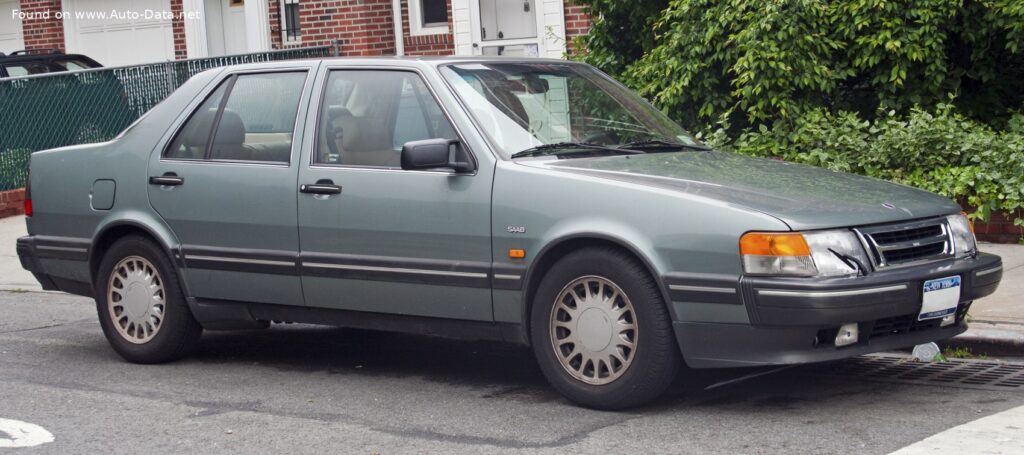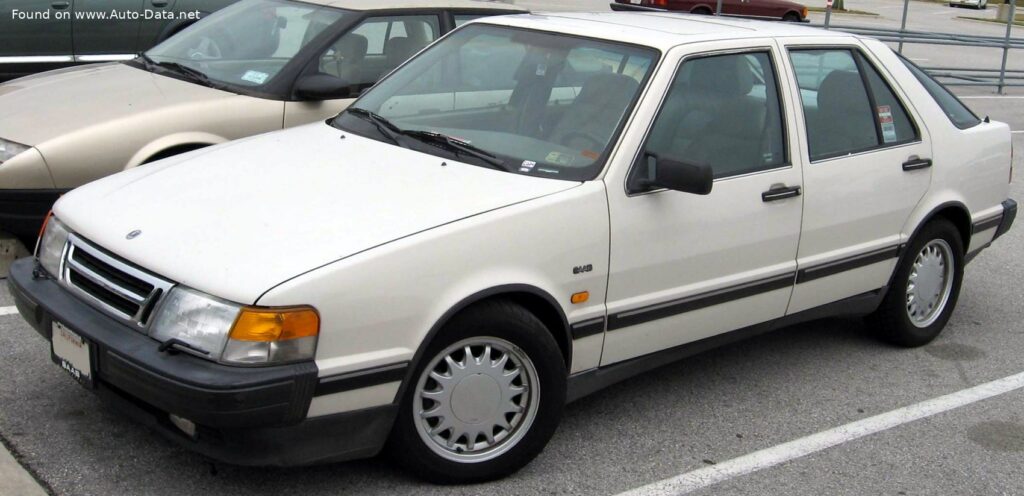
The Saab 9000, specifically the 2.0 16V Turbo hatchback produced from 1984 to 1993, represents a pivotal moment in the Swedish automaker’s history. Positioned as Saab’s flagship model, it was designed to replace the aging 900 and compete directly with larger, more mainstream European offerings like the BMW 5 Series, Audi 100, and Volvo 700/900 series. The 9000 distinguished itself through a combination of aerodynamic design, turbocharged performance, and a focus on driver safety and comfort. While never achieving the sales volumes of its German rivals, the 9000 cultivated a loyal following, particularly in Europe and North America, among those seeking a distinctive and technologically advanced vehicle. The hatchback body style, while not as common in the US market at the time, offered a practical and versatile alternative to traditional sedans.
The Saab 9000: A Legacy of Innovation
The 9000 was a significant departure for Saab, moving away from the more compact and utilitarian designs of its predecessors. It was the first Saab to utilize a front-wheel-drive platform, a move that improved handling and interior space. The car’s design emphasized aerodynamics, resulting in a low drag coefficient for the era, contributing to both fuel efficiency and stability at higher speeds. Saab’s commitment to safety was also prominent, with features like a reinforced safety cage and energy-absorbing crumple zones. The 2.0 16V Turbo variant, producing 160 horsepower, was a popular choice, offering a compelling blend of performance and economy. The 9000’s unique character stemmed from Saab’s engineering philosophy, which prioritized functionality and driver experience over ostentatious styling.
Engine & Performance
The heart of the Saab 9000 2.0 16V Turbo is the B202 engine, a 2.0-liter inline-four cylinder powerplant. This engine is characterized by its robust construction and, crucially, its Garrett turbocharger. The turbocharger significantly boosts power output, taking the engine from a respectable naturally aspirated output to a more potent 160 horsepower. This power is delivered smoothly throughout the rev range, providing responsive acceleration. The 16-valve cylinder head further enhances breathing and contributes to the engine’s overall efficiency. The B202 engine is known for its durability and ability to withstand the stresses of forced induction.
Power is delivered to the front wheels through a choice of either a four-speed automatic transmission or a five-speed manual gearbox. The manual transmission allows for greater driver control and a more engaging driving experience, while the automatic provides convenience, particularly in urban driving conditions. The 9000’s suspension system, featuring independent suspension all around, provides a comfortable ride while maintaining good handling characteristics. While not a sports car, the 9000 2.0 16V Turbo offers a capable and enjoyable driving experience, particularly on winding roads. The turbocharger introduces a slight amount of turbo lag, typical of systems from that era, but once spooled up, it delivers a noticeable surge in power.
Design & Features
The Saab 9000 hatchback boasts a distinctive and aerodynamic design. Its sloping roofline and integrated rear spoiler contribute to its low drag coefficient. The car’s front end is characterized by its large, rectangular headlights and a prominent Saab grille. The interior of the 9000 is spacious and ergonomically designed, with a focus on driver comfort. The dashboard is angled towards the driver, placing all essential controls within easy reach.
The hatchback body style provides excellent practicality, with a large cargo area that can be expanded by folding down the rear seats. Features such as power windows, central locking, and a sunroof were often included as standard or optional equipment. Safety was a key consideration in the 9000’s design, and it featured a reinforced safety cage, energy-absorbing crumple zones, and available anti-lock brakes (ABS). The seats were designed to provide excellent support and comfort, even on long journeys. The 9000’s interior materials were generally of high quality, reflecting Saab’s commitment to providing a premium driving experience. The car’s ventilation system was also notable for its effectiveness, providing efficient heating and cooling.
Technical Specifications
| Brand | Saab |
| Model | 9000 |
| Generation | 9000 Hatchback |
| Type (Engine) | 2.0 16V Turbo (160 Hp) |
| Start of production | 1984 |
| End of production | 1993 |
| Powertrain Architecture | Internal Combustion engine |
| Body type | Hatchback |
| Seats | 5 |
| Doors | 5 |
| Fuel Type | Petrol (Gasoline) |
| Power | 160 Hp |
| Engine Model/Code | B202 |
| Engine aspiration | Turbocharger |
| Engine oil capacity | 4.2 l / 4.44 US qt | 3.7 UK qt |
| Coolant capacity | 9 l / 9.51 US qt | 7.92 UK qt |
| Fuel tank capacity | 66 l / 17.44 US gal | 14.52 UK gal |
The Saab 9000 2.0 16V Turbo, while discontinued in 1993, remains a fondly remembered vehicle. It represents a high point in Saab’s engineering and design capabilities, offering a unique and compelling alternative to more conventional automobiles. Its blend of performance, practicality, and safety continues to appeal to enthusiasts and collectors today, solidifying its place as a significant model in automotive history.