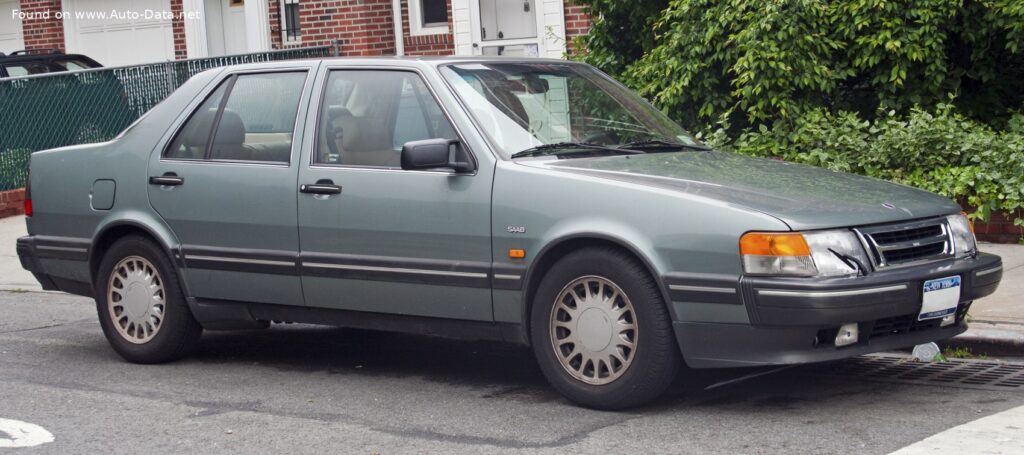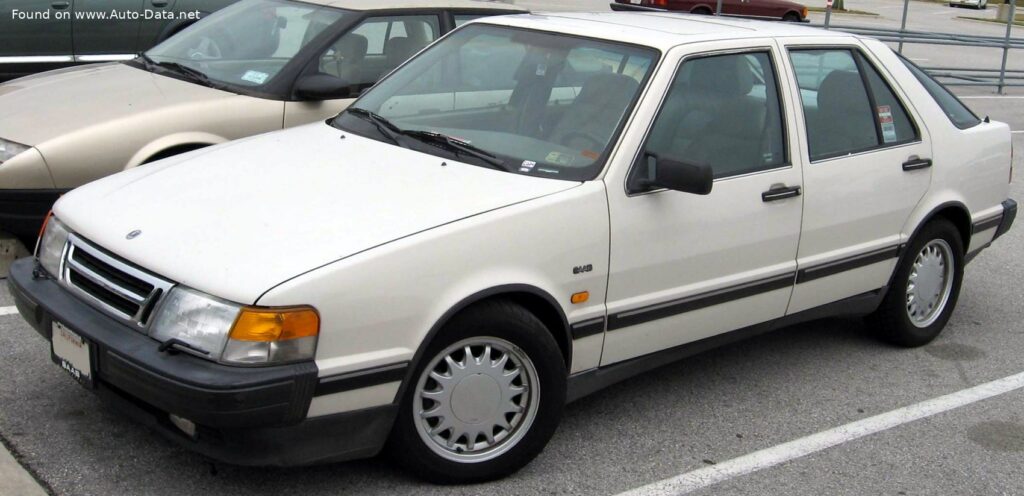
The Saab 9000, particularly the 2.0 16V Turbo hatchback produced between 1989 and 1992, represents a pivotal moment in the Swedish automaker’s history. Positioned as a larger, more sophisticated alternative to the popular Saab 900, the 9000 aimed to compete directly with executive cars from German manufacturers like BMW, Mercedes-Benz, and Audi. While Saab never achieved the same sales volume as its rivals, the 9000 established a reputation for innovative engineering, robust safety features, and a uniquely Scandinavian design aesthetic. The hatchback body style, offered alongside a sedan, provided increased practicality and appealed to buyers seeking a versatile vehicle. This generation of the 9000, with its 172 horsepower turbocharged engine, offered a compelling blend of performance and comfort, solidifying Saab’s image as a maker of distinctive and driver-focused automobiles.
The Saab 9000 Hatchback: A Legacy of Innovation
The 9000 was Saab’s first venture into the full-size executive car segment. Prior to its introduction in 1984, Saab’s lineup consisted primarily of the smaller 900, a car beloved for its quirky charm and rally-inspired handling. The 9000 was designed to broaden Saab’s appeal and attract a more affluent clientele. The hatchback version, introduced shortly after the sedan, offered a more practical alternative, increasing cargo capacity and versatility. The 2.0 16V Turbo model, produced from 1989 to 1992, represented a significant upgrade in performance, thanks to its sophisticated fuel injection and turbocharging system. It was a car designed for long-distance comfort and spirited driving, embodying Saab’s commitment to engineering excellence.
Engine & Performance
The heart of the Saab 9000 2.0 16V Turbo is the B202 engine, a 2.0-liter inline-four cylinder powerplant. This engine is notable for its robust construction and advanced features for its time. The “16V” designation refers to the engine’s four valves per cylinder, which contribute to improved breathing and increased power output. Crucially, the engine is equipped with a turbocharger, which forces more air into the cylinders, significantly boosting horsepower and torque. The turbocharger, coupled with Bosch fuel injection, delivers a maximum output of 172 horsepower. While this figure may seem modest by modern standards, it provided brisk acceleration and a comfortable cruising speed for a vehicle of its size and weight in the late 1980s and early 1990s.
The B202 engine is known for its durability and relatively simple maintenance requirements. It’s a non-interference engine, meaning that even if the timing belt breaks, the valves will not collide with the pistons, preventing catastrophic engine damage. The engine’s torque curve is relatively flat, providing ample pulling power across a wide range of engine speeds. Power is delivered to the front wheels through a five-speed manual transmission or a four-speed automatic transmission. The 9000’s suspension, featuring independent suspension all around, provides a comfortable ride while maintaining good handling characteristics. The steering is precise and responsive, contributing to the car’s overall driver-focused feel.
Design & Features
The Saab 9000’s design is distinctly Scandinavian, characterized by clean lines, functional aesthetics, and a focus on practicality. The hatchback body style offers a generous cargo area, making it well-suited for families or those who frequently transport large items. The rear hatch provides easy access to the cargo space, and the rear seats can be folded down to further increase capacity. The interior of the 9000 is spacious and well-appointed, with comfortable seats and a logical layout of controls.
Safety was a key consideration in the 9000’s design. Saab had a long-standing reputation for prioritizing safety, and the 9000 was no exception. It featured reinforced steel construction, side impact protection, and a collapsible steering column. While anti-lock brakes (ABS) were not standard on all models, they were available as an option. Other notable features included power windows, power door locks, and a premium sound system. The dashboard layout is ergonomically designed, with all essential controls within easy reach of the driver. The ventilation system is particularly effective, providing excellent heating and cooling performance. The 9000’s distinctive wrap-around dashboard and high-mounted instrument panel contribute to its unique interior ambiance.
Technical Specifications
| Brand | Saab |
| Model | 9000 |
| Generation | 9000 Hatchback |
| Type (Engine) | 2.0 16V Turbo (172 Hp) |
| Start of production | 1989 |
| End of production | 1992 |
| Powertrain Architecture | Internal Combustion engine |
| Body type | Hatchback |
| Seats | 5 |
| Doors | 5 |
| Fuel Type | Petrol (Gasoline) |
| Power | 172 Hp |
| Engine Model/Code | B202 |
| Engine aspiration | Turbocharger |
| Engine oil capacity | 4.2 l / 4.44 US qt | 3.7 UK qt |
| Coolant capacity | 9 l / 9.51 US qt | 7.92 UK qt |
| Fuel tank capacity | 66 l / 17.44 US gal | 14.52 UK gal |
The Saab 9000 2.0 16V Turbo hatchback, while no longer in production, remains a cherished vehicle among Saab enthusiasts. Its combination of performance, practicality, and distinctive design continues to appeal to those who appreciate a car that stands out from the crowd. The 9000 represents a high point in Saab’s engineering and design history, and its legacy continues to influence the brand’s identity today. Its robust construction and relatively simple mechanics also make it a viable option for classic car enthusiasts seeking a unique and rewarding driving experience.