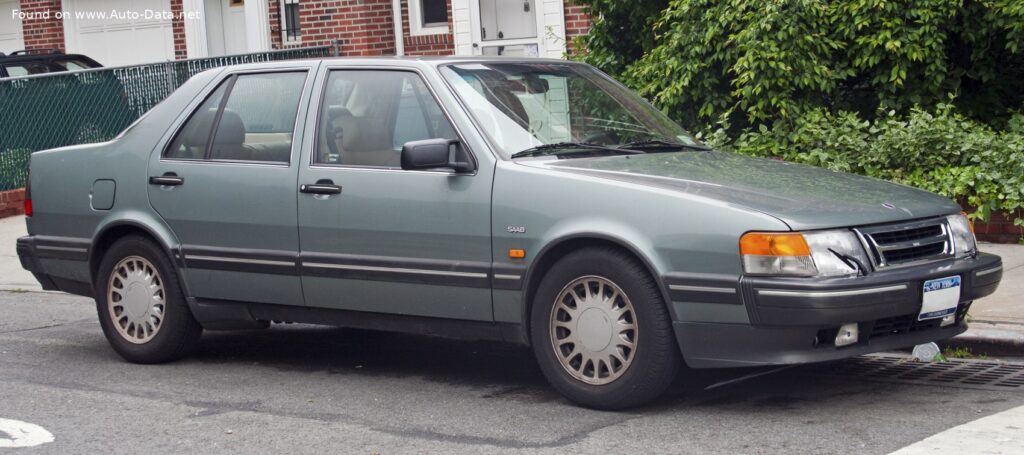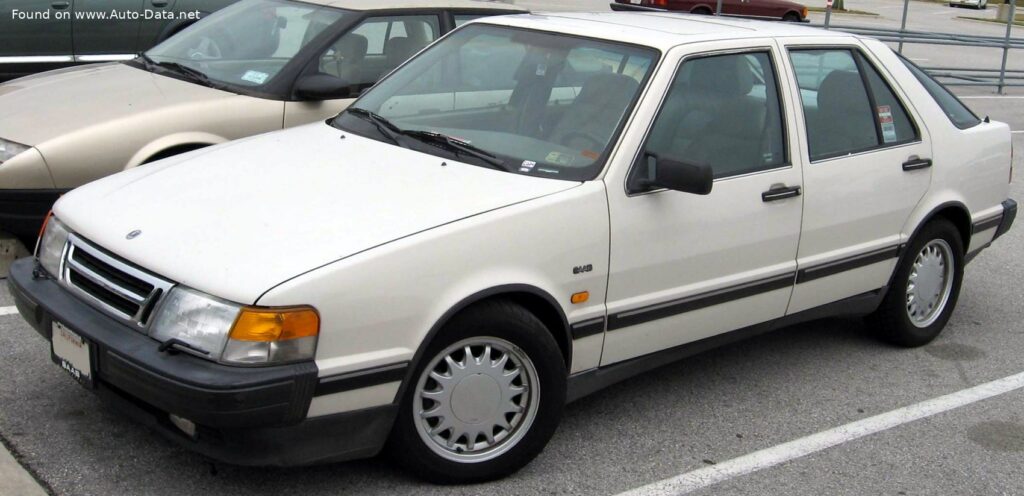
The Saab 9000, specifically the 2.0 16V Turbo hatchback produced between 1984 and 1991, represents a pivotal moment in the Swedish automaker’s history. Positioned as a larger, more sophisticated alternative to the Saab 900, the 9000 aimed to compete directly with executive cars from German manufacturers like BMW and Audi. This first generation 9000, characterized by its distinctive hatchback design and turbocharged engine, established Saab’s reputation for innovative engineering and a focus on driver safety. While never achieving the sales volumes of its German rivals, the 9000 carved out a loyal following, particularly among those seeking a uniquely styled and technically advanced vehicle. The 2.0 16V Turbo variant, producing 175 horsepower, was a key model in the lineup, offering a compelling blend of performance and practicality.
The Saab 9000: A Legacy of Innovation
The development of the Saab 9000 was a significant undertaking for the company. Saab, known for its aircraft heritage, consistently applied aerodynamic principles and a focus on safety to its automotive designs. The 9000 was no exception. It represented a departure from the more compact 900, offering increased interior space and a more comfortable ride. The hatchback body style, while not uncommon in Europe, was relatively unusual in the US market at the time, providing enhanced versatility. The 9000’s design prioritized both form and function, resulting in a vehicle that was both aesthetically pleasing and highly practical. The introduction of the 16-valve turbocharged engine in the 2.0-liter variant further enhanced the car’s appeal, delivering strong performance and a distinctive driving experience.
Engine & Performance
The heart of the Saab 9000 2.0 16V Turbo is the B202 engine, a 2.0-liter inline-four cylinder powerplant. This engine is notable for its use of a Garrett turbocharger, which significantly boosts power output. The 16-valve cylinder head, combined with fuel injection, allows for efficient combustion and a broad powerband. Producing 175 horsepower, the engine delivers brisk acceleration and ample power for both highway cruising and spirited driving. The turbocharger provides a noticeable surge of power as the engine revs climb, contributing to the car’s distinctive character. Power is delivered to the front wheels, a configuration common for European cars of this era. While specific acceleration figures varied depending on transmission and other factors, the 9000 2.0 16V Turbo was capable of reaching 60 mph in approximately 7.8 to 8.5 seconds. The engine’s robust construction and relatively simple design contribute to its reliability, making it a durable and long-lasting powerplant. The engine was available with either a four-speed automatic or a five-speed manual transmission, allowing drivers to choose the configuration that best suited their preferences.
Design & Features
The Saab 9000’s hatchback body style is a defining feature of the car. This configuration provides a large and easily accessible cargo area, making the 9000 a practical choice for families and those who frequently transport larger items. The five-door layout enhances convenience, providing easy access to both front and rear seats. The car’s exterior design is characterized by clean lines and a relatively understated aesthetic, reflecting Saab’s focus on aerodynamic efficiency. Inside, the 9000 offers a comfortable and well-appointed cabin. The seats are supportive and provide good cushioning, even on long journeys. The dashboard is ergonomically designed, with controls logically arranged and easily accessible. Safety was a key consideration in the 9000’s design. The car features a robust safety cage and a reinforced passenger compartment, providing excellent protection in the event of a collision. Other notable features include power windows, central locking, and an available sunroof. The 9000 also incorporated several innovative features for its time, such as an ignition key located between the front seats, a design intended to improve safety by reducing the risk of knee injuries in a crash. The ventilation system was also advanced for its era, offering effective heating and cooling.
Technical Specifications
| Brand | Saab |
| Model | 9000 |
| Generation | 9000 Hatchback |
| Type (Engine) | 2.0 16V Turbo (175 Hp) |
| Start of production | 1984 |
| End of production | 1991 |
| Powertrain Architecture | Internal Combustion engine |
| Body type | Hatchback |
| Seats | 5 |
| Doors | 5 |
| Fuel Type | Petrol (Gasoline) |
| Power | 175 Hp |
| Engine Model/Code | B202 |
| Engine aspiration | Turbocharger |
| Engine oil capacity | 4.2 l / 4.44 US qt | 3.7 UK qt |
| Coolant capacity | 9 l / 9.51 US qt | 7.92 UK qt |
| Fuel tank capacity | 66 l / 17.44 US gal | 14.52 UK gal |
The Saab 9000 2.0 16V Turbo, while not a mainstream success in terms of sales volume, remains a significant vehicle in automotive history. It represents a high point in Saab’s engineering prowess and a commitment to innovative design. Its blend of performance, practicality, and safety features made it a compelling alternative to more conventional executive cars. The 9000’s distinctive styling and turbocharged engine continue to appeal to enthusiasts today, ensuring its place as a cherished classic among Saab aficionados. The model helped solidify Saab’s image as a manufacturer of uniquely styled and technically advanced vehicles, a reputation that would continue throughout the company’s history. The 9000 paved the way for future Saab models, incorporating many of the design and engineering principles that would become hallmarks of the brand.