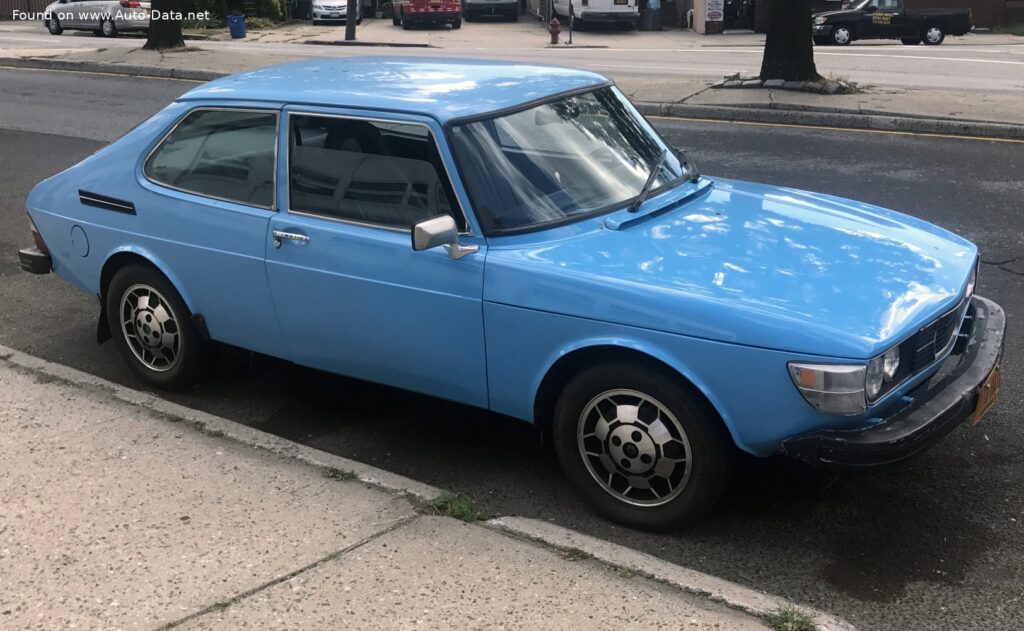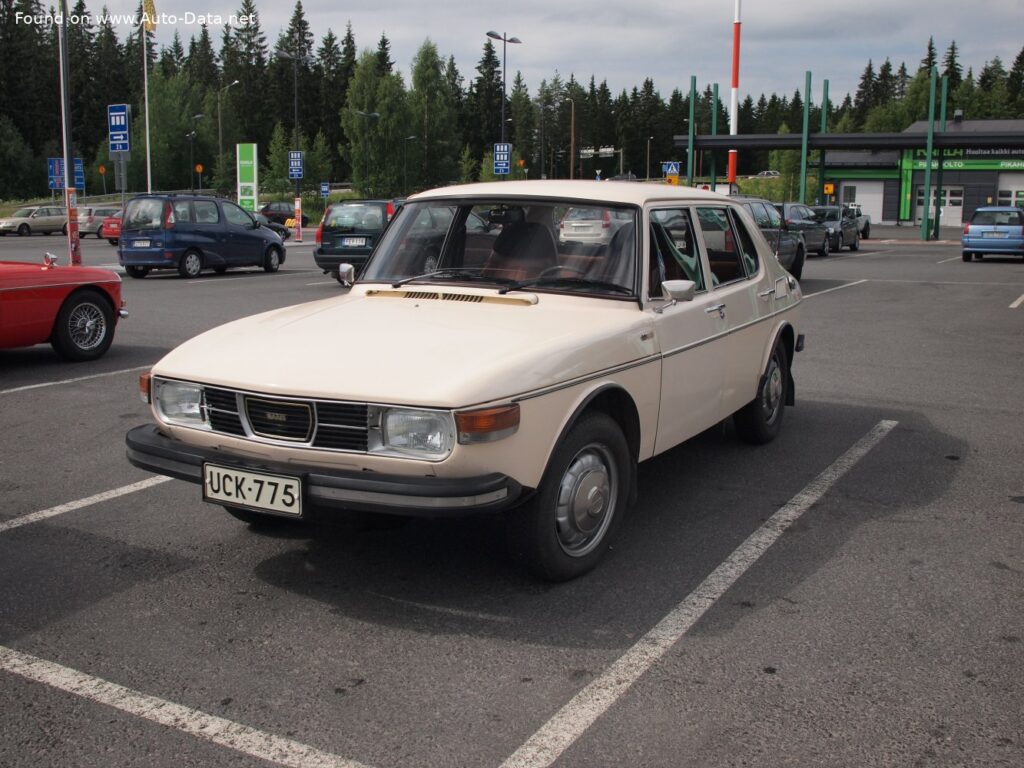
The Saab 99 2.0, produced between 1972 and 1974, represents a pivotal moment in the history of the Swedish automaker. This compact sedan wasn’t merely a new model; it was Saab’s first foray into high-volume production, moving the company beyond its niche reputation for innovative but low-production aircraft-inspired automobiles. The 99 established many of the safety and design hallmarks that would become synonymous with the Saab brand, and it proved remarkably successful in both European and North American markets, laying the foundation for the company’s future growth. The 2.0-liter variant, producing 95 horsepower, was a key component of the 99’s appeal, offering a balance of performance and fuel efficiency for the era.
The Saab 99 2.0: A Landmark Vehicle
The Saab 99 was a significant departure for the company, which had previously focused on smaller, more specialized vehicles. Designed under the leadership of Sixten Svensson, the 99 aimed to provide a practical and safe family car while retaining Saab’s commitment to aerodynamic efficiency and driver-focused design. Its introduction marked a turning point, allowing Saab to compete more directly with established European and, eventually, American manufacturers. The 99’s success was instrumental in securing Saab’s long-term viability and establishing its unique brand identity.
Engine & Performance
The heart of the Saab 99 2.0 is its 1.985-liter (121.13 cubic inches) inline four-cylinder engine, designated the B20. This naturally aspirated engine produced 95 horsepower at 5200 rpm and 157 Nm (115.8 lb.-ft.) of torque at 3500 rpm. While not a powerhouse by modern standards, this output provided adequate performance for the vehicle’s weight and intended purpose. The engine featured a relatively high compression ratio of 8.7:1 for the time, and utilized a carburetor fuel injection system. The engine’s transverse mounting, coupled with front-wheel drive, was a relatively uncommon configuration in the early 1970s, contributing to the 99’s distinctive handling characteristics. The power-to-weight ratio of 12.1 kg/Hp (82.6 Hp/tonne) and torque-to-weight ratio of 7.3 kg/Nm (136.5 Nm/tonne) provided a reasonably spirited driving experience. The 99 2.0 could achieve a maximum speed of 153 km/h (95.07 mph).
Design & Features
The Saab 99 was a four-door sedan with a distinctive, aerodynamic profile. Its design prioritized both form and function, with a focus on maximizing interior space and minimizing drag. The car’s relatively long wheelbase (2477 mm / 97.52 in) contributed to a comfortable ride, while its compact overall length (4369 mm / 172.01 in) made it relatively easy to maneuver in urban environments. Inside, the 99 offered seating for five passengers.
Safety was a paramount concern in the 99’s design. Saab pioneered several safety features that were uncommon in cars of this era, including a reinforced passenger safety cage, energy-absorbing crumple zones, and a column-mounted ignition switch (intended to reduce the risk of knee injuries in a collision). These innovations helped establish Saab’s reputation as a safety leader. The interior was functional and ergonomically designed, with a focus on providing a clear and intuitive driving experience. Features like a heated rear window and a self-repairing bumper were also notable for the time.
Technical Specifications
| Brand | Saab |
| Model | 99 |
| Generation | 99 |
| Type (Engine) | 2.0 (95 Hp) |
| Start of production | 1972 |
| End of production | 1974 |
| Powertrain Architecture | Internal Combustion engine |
| Body type | Sedan |
| Seats | 5 |
| Doors | 4 |
| Fuel Type | Petrol (Gasoline) |
| Maximum speed | 153 km/h (95.07 mph) |
| Weight-to-power ratio | 12.1 kg/Hp, 82.6 Hp/tonne |
| Weight-to-torque ratio | 7.3 kg/Nm, 136.5 Nm/tonne |
| Power | 95 Hp @ 5200 rpm |
| Power per litre | 47.9 Hp/l |
| Torque | 157 Nm @ 3500 rpm (115.8 lb.-ft. @ 3500 rpm) |
| Engine layout | Front, Transverse |
| Engine Model/Code | B20 |
| Engine displacement | 1985 cm3 (121.13 cu. in.) |
| Number of cylinders | 4 |
| Engine configuration | Inline |
| Cylinder Bore | 90 mm (3.54 in.) |
| Piston Stroke | 78 mm (3.07 in.) |
| Compression ratio | 8.7:1 |
| Number of valves per cylinder | 2 |
| Fuel injection system | Carburettor |
| Engine aspiration | Naturally aspirated engine |
| Valvetrain | DOHC |
| Engine oil capacity | 3.5 l (3.7 US qt | 3.08 UK qt) |
| Coolant | 8.5 l (8.98 US qt | 7.48 UK qt) |
| Kerb Weight | 1150 kg (2535.32 lbs.) |
| Fuel tank capacity | 45 l (11.89 US gal | 9.9 UK gal) |
| Length | 4369 mm (172.01 in.) |
| Width | 1689 mm (66.5 in.) |
| Height | 1441 mm (56.73 in.) |
| Wheelbase | 2477 mm (97.52 in.) |
| Drivetrain Architecture | The Internal combustion engine (ICE) drives the front wheels of the vehicle. |
| Drive wheel | Front wheel drive |
| Number of gears and type of gearbox | 4 gears, manual transmission |
| Steering type | Steering rack and pinion |
The Saab 99 2.0, despite its relatively short production run in this specific configuration, remains a significant vehicle in automotive history. It successfully transitioned Saab from a small-scale manufacturer to a more mainstream player, while simultaneously establishing the brand’s reputation for safety, innovation, and distinctive design. Its influence can be seen in subsequent Saab models and continues to be appreciated by enthusiasts today.