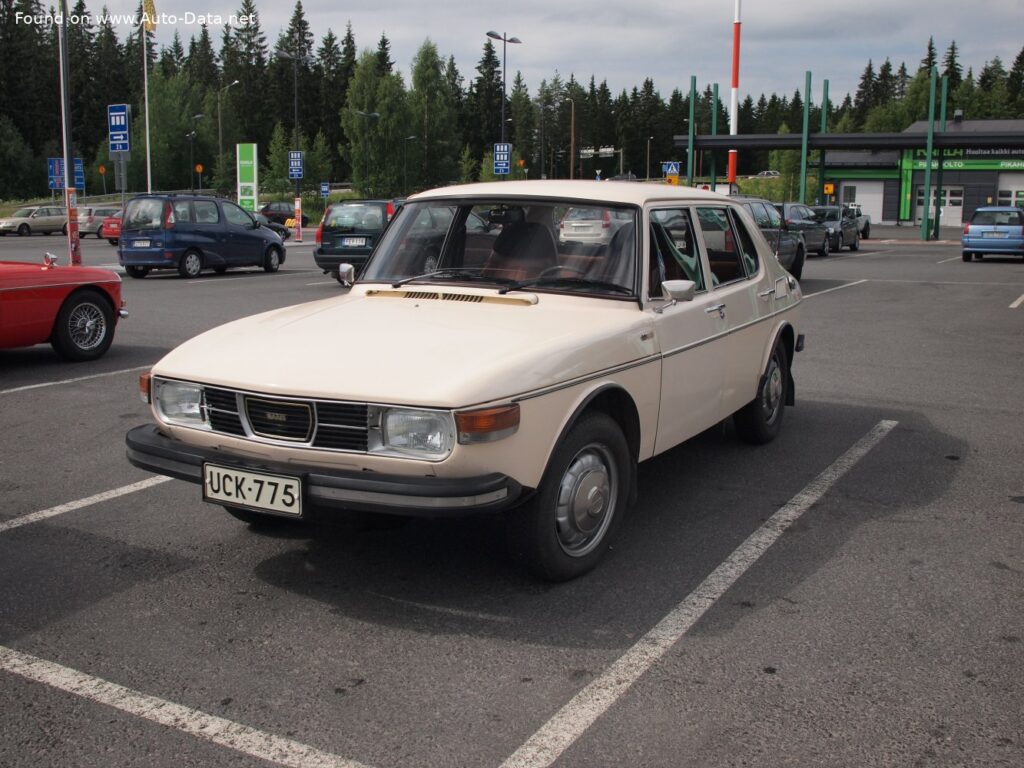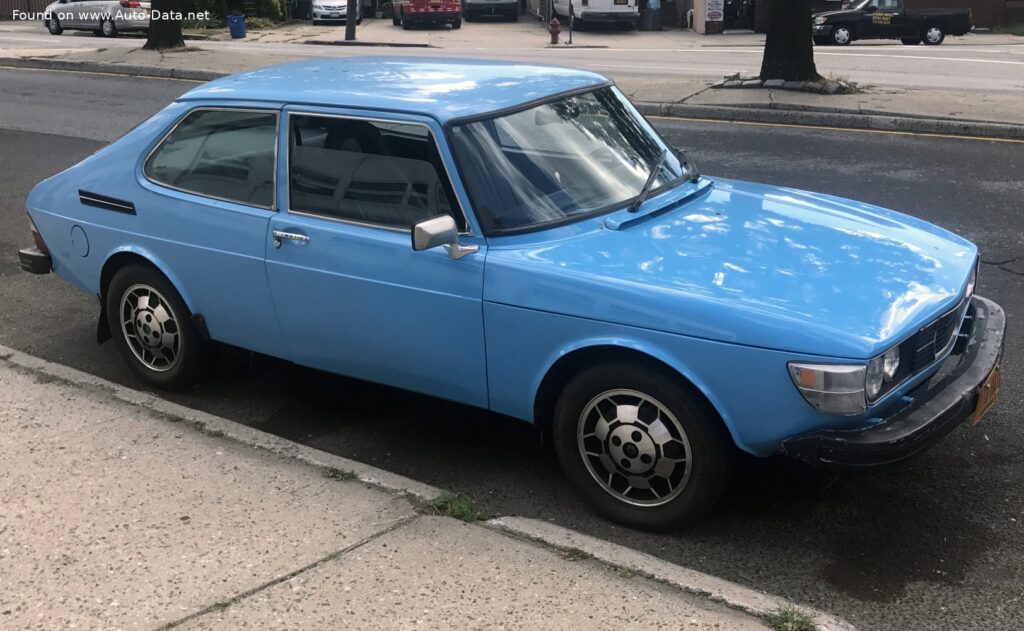
The Saab 99 Combi Coupe 2.0, produced between 1976 and 1978, represents a pivotal moment in Saab’s history. As the first Saab to feature a five-door hatchback configuration, it broadened the brand’s appeal and demonstrated a commitment to practical, yet innovative, design. While Saab is often remembered for its later turbocharged models, the 99 Combi Coupe 2.0, with its naturally aspirated 2.0-liter engine producing 107 horsepower, laid the groundwork for the company’s future success. This model was primarily sold in European markets, where compact, versatile vehicles were gaining popularity, and it distinguished itself through Saab’s characteristic focus on safety and driver-centric engineering.
The Saab 99 Combi Coupe 2.0: A Detailed Overview
The 99 series, launched in 1967, was Saab’s first venture into a more mainstream market segment. Prior to the 99, Saab primarily produced two-stroke powered vehicles, known for their unique engineering but limited appeal. The 99 marked a shift towards conventional four-stroke engines and a more modern approach to automotive design. The Combi Coupe variant, introduced in 1976, further enhanced the 99’s practicality by offering increased cargo space and easier access thanks to the five-door layout. This was a significant departure from the traditional three-box sedan design and positioned the 99 Combi Coupe as a forerunner to the modern hatchback.
Engine & Performance
The heart of the Saab 99 Combi Coupe 2.0 is its 1985cc (121.13 cubic inches) inline-four cylinder engine. This engine, designated the B20, delivers 107 horsepower at 5200 rpm and 161 Nm (118.75 lb-ft) of torque at 3500 rpm. While not a powerhouse by modern standards, the engine’s output provided adequate performance for its time, and the relatively light weight of the vehicle – 1202 kg (2649.96 lbs) – resulted in a respectable power-to-weight ratio of 89 horsepower per tonne. The engine features a 9.2:1 compression ratio and utilizes a carburettor fuel injection system, typical for vehicles of this era. The engine’s transverse mounting, a relatively uncommon configuration in the 1970s, contributed to improved packaging and handling. The power per litre is 53.9 Hp/l. The B20 engine, while not groundbreaking in terms of technology, was known for its reliability and durability, characteristics valued by Saab owners.
Design & Features
The Saab 99 Combi Coupe 2.0 is instantly recognizable by its distinctive hatchback body style. The five-door configuration provides convenient access to the cargo area, making it a practical choice for families and those needing to transport larger items. The vehicle’s design, while relatively understated, incorporates Saab’s signature styling cues, including a wraparound windscreen and a clean, functional aesthetic. Inside, the 99 Combi Coupe offers seating for five passengers. Safety was a key consideration in the 99’s design, and it featured a reinforced safety cage and a collapsible steering column – innovations that were ahead of their time. While not equipped with the advanced safety features found in modern vehicles, the 99 Combi Coupe represented a significant step forward in automotive safety during the 1970s. The interior focused on ergonomics and driver comfort, reflecting Saab’s commitment to creating a user-friendly driving experience. The vehicle’s dimensions – 4534 mm (178.5 in) in length, 1690 mm (66.54 in) in width, and 1435 mm (56.5 in) in height – positioned it as a compact and maneuverable vehicle, well-suited for urban driving.
Technical Specifications
| Brand | Saab |
| Model | 99 |
| Generation | 99 Combi Coupe |
| Type (Engine) | 2.0 (107 Hp) |
| Start of production | 1976 |
| End of production | 1978 |
| Powertrain Architecture | Internal Combustion engine |
| Body type | Hatchback |
| Seats | 5 |
| Doors | 2 |
| Fuel Type | Petrol (Gasoline) |
| Weight-to-power ratio | 11.2 kg/Hp |
| Hp/tonne | 89 Hp/tonne |
| Weight-to-torque ratio | 7.5 kg/Nm |
| Nm/tonne | 133.9 Nm/tonne |
| Power | 107 Hp @ 5200 rpm |
| Power per litre | 53.9 Hp/l |
| Torque | 161 Nm @ 3500 rpm |
| Torque (lb-ft) | 118.75 lb.-ft. @ 3500 rpm |
| Engine layout | Front, Transverse |
| Engine Model/Code | B20 |
| Engine displacement | 1985 cm3 |
| Engine displacement (cu. in.) | 121.13 cu. in. |
| Number of cylinders | 4 |
| Engine configuration | Inline |
| Cylinder Bore | 90 mm |
| Cylinder Bore (in.) | 3.54 in. |
| Piston Stroke | 78 mm |
| Piston Stroke (in.) | 3.07 in. |
| Compression ratio | 9.2:1 |
| Number of valves per cylinder | 2 |
| Fuel injection system | Carburettor |
| Engine aspiration | Naturally aspirated engine |
| Valvetrain | DOHC |
| Engine oil capacity | 3.5 l |
| Engine oil capacity (US qt) | 3.7 US qt |
| Engine oil capacity (UK qt) | 3.08 UK qt |
| Kerb Weight | 1202 kg |
| Kerb Weight (lbs) | 2649.96 lbs |
| Fuel tank capacity | 55 l |
| Fuel tank capacity (US gal) | 14.53 US gal |
| Fuel tank capacity (UK gal) | 12.1 UK gal |
| Length | 4534 mm |
| Length (in.) | 178.5 in. |
| Width | 1690 mm |
| Width (in.) | 66.54 in. |
| Height | 1435 mm |
| Height (in.) | 56.5 in. |
| Wheelbase | 2477 mm |
| Wheelbase (in.) | 97.52 in. |
| Front track | 1403 mm |
| Front track (in.) | 55.24 in. |
| Rear track | 1430 mm |
| Rear track (in.) | 56.3 in. |
| Steering type | Steering rack and pinion |
The Saab 99 Combi Coupe 2.0, while not a high-performance vehicle, represents a significant milestone in Saab’s history. Its innovative hatchback design, focus on safety, and driver-centric engineering established a template for the company’s future models and cemented its reputation as a manufacturer of distinctive and thoughtfully designed automobiles. It remains a popular classic car, appreciated by enthusiasts for its unique character and enduring appeal.