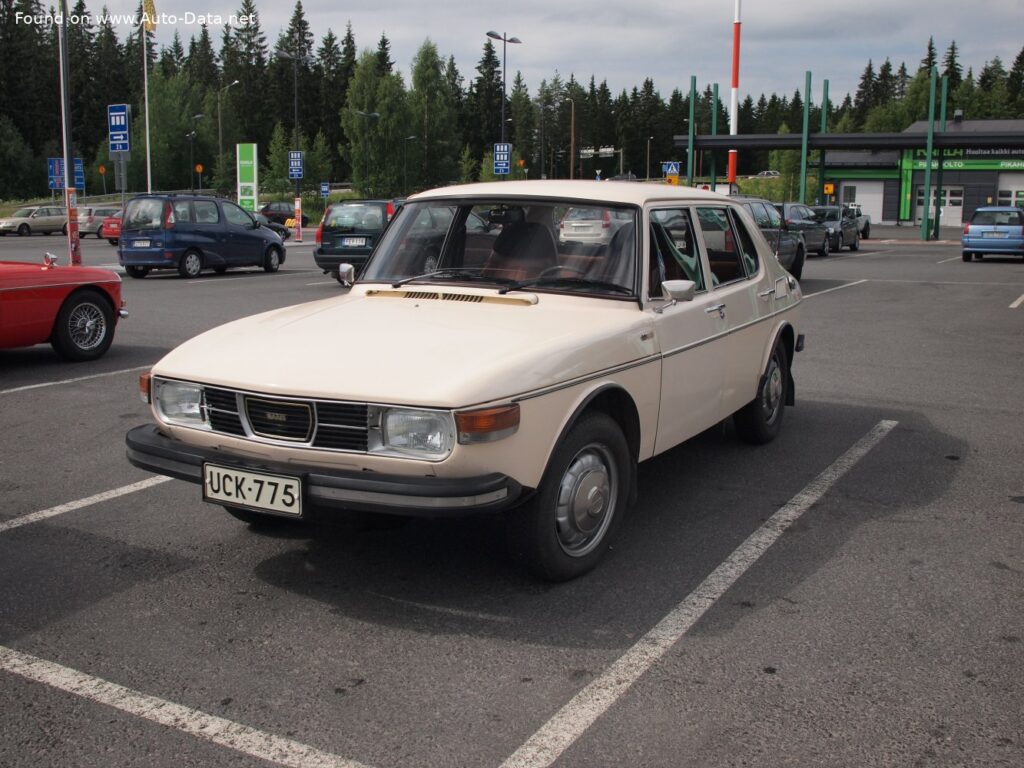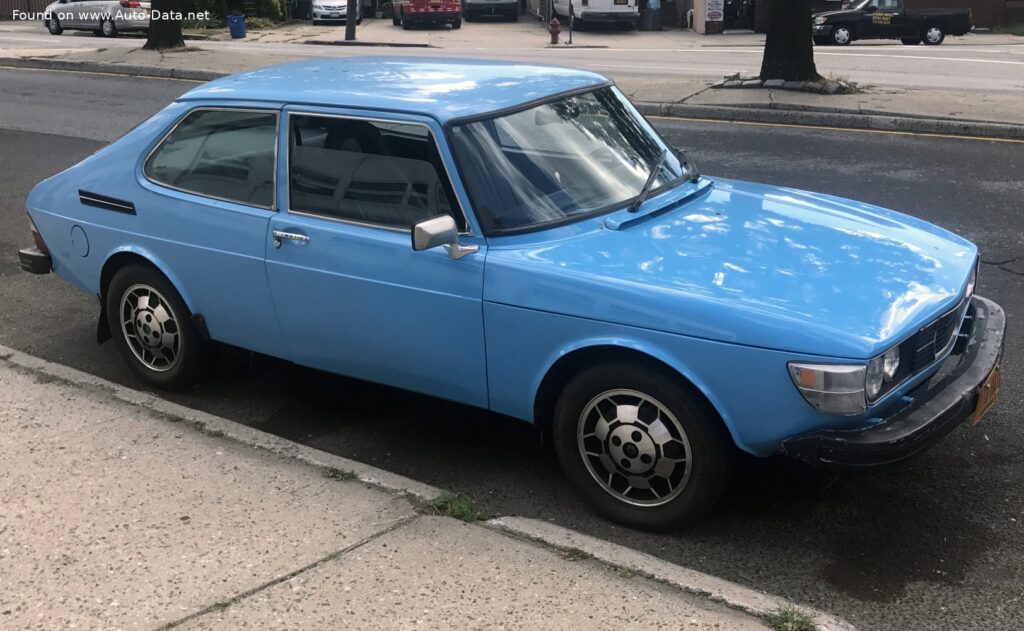
The Saab 99 Combi Coupe 2.0 Turbo, produced between 1977 and 1980, represents a pivotal moment in Saab’s history. This model wasn’t widely sold in the United States, but it was a significant vehicle in the European market, showcasing Saab’s commitment to innovative design and turbocharged performance. The Combi Coupe, essentially a hatchback variant of the 99 sedan, offered increased practicality without sacrificing the brand’s distinctive character. It was a car designed for the discerning driver who valued safety, comfort, and a touch of Scandinavian flair. The 2.0 Turbo variant, with its 147 horsepower, was a performance leader in its class, offering a compelling alternative to more mainstream European offerings.
The Saab 99 Combi Coupe 2.0 Turbo: A Scandinavian Standout
The Saab 99, launched in 1967, was the first completely new model designed by Saab after the iconic but aging Saab 96. The Combi Coupe, introduced in 1977, expanded the 99 range with a more versatile body style. It was a direct response to growing demand for vehicles that combined the practicality of a station wagon with the sporty appeal of a coupe. The 2.0 Turbo version, released shortly after the Combi Coupe’s debut, elevated the model’s performance credentials, making it a popular choice for enthusiasts. While Saab never achieved massive sales volumes compared to larger manufacturers, the 99 Combi Coupe 2.0 Turbo cultivated a loyal following due to its unique blend of engineering and design.
Engine & Performance
The heart of the Saab 99 Combi Coupe 2.0 Turbo is its 1985 cc (121.13 cu. in.) inline-four cylinder engine. This engine, equipped with a turbocharger and a carburettor fuel injection system, produced 147 horsepower at 5000 rpm and 236 Nm (174.06 lb.-ft.) of torque at 3000 rpm. This output translated to a power-to-weight ratio of 7.7 kg/Hp and a torque-to-weight ratio of 4.8 kg/Nm, making the Combi Coupe surprisingly quick for its time. The engine’s configuration featured a double overhead camshaft (DOHC) valvetrain with two valves per cylinder, and a compression ratio of 8.5:1. The transverse engine layout contributed to the car’s balanced handling. The engine required 3.5 liters (3.7 US qt / 3.08 UK qt) of engine oil, specified to Saab’s standards. The turbocharger significantly boosted performance, providing a noticeable increase in power and responsiveness compared to naturally aspirated versions of the 99.
Design & Features
The Saab 99 Combi Coupe is instantly recognizable by its distinctive hatchback body style. The two-door configuration and seating for five passengers offered a practical and spacious interior for its size. The design prioritized aerodynamic efficiency, a key consideration for Saab engineers. The car’s relatively compact dimensions – 4394 mm (172.99 in.) in length, 1689 mm (66.5 in.) in width, and 1435 mm (56.5 in.) in height – made it easy to maneuver in urban environments. Safety was a paramount concern for Saab, and the 99 Combi Coupe incorporated several advanced safety features for its era, including a reinforced safety cage and impact-absorbing crumple zones. The interior was designed with ergonomics in mind, featuring comfortable seating and a driver-focused layout. The fuel tank capacity of 55 liters (14.53 US gal / 12.1 UK gal) provided a reasonable driving range. The wheelbase measured 2477 mm (97.52 in.), contributing to a stable ride. Front and rear tracks were 1403 mm (55.24 in.) and 1430 mm (56.3 in.) respectively.
Technical Specifications
| Brand | Saab |
| Model | 99 |
| Generation | 99 Combi Coupe |
| Type (Engine) | 2.0 Turbo (147 Hp) |
| Start of production | 1977 |
| End of production | 1980 |
| Powertrain Architecture | Internal Combustion engine |
| Body type | Hatchback |
| Seats | 5 |
| Doors | 2 |
| Fuel Type | Petrol (Gasoline) |
| Weight-to-power ratio | 7.7 kg/Hp |
| Hp/tonne | 130.1 Hp/tonne |
| Weight-to-torque ratio | 4.8 kg/Nm |
| Nm/tonne | 208.8 Nm/tonne |
| Power | 147 Hp @ 5000 rpm |
| Power per litre | 74.1 Hp/l |
| Torque | 236 Nm @ 3000 rpm |
| Torque (lb.-ft.) | 174.06 lb.-ft. @ 3000 rpm |
| Engine layout | Front, Transverse |
| Engine displacement | 1985 cm3 |
| Engine displacement (cu. in.) | 121.13 cu. in. |
| Number of cylinders | 4 |
| Engine configuration | Inline |
| Cylinder Bore | 90 mm |
| Cylinder Bore (in.) | 3.54 in. |
| Piston Stroke | 78 mm |
| Piston Stroke (in.) | 3.07 in. |
| Compression ratio | 8.5:1 |
| Number of valves per cylinder | 2 |
| Fuel injection system | Carburettor |
| Engine aspiration | Turbocharger |
| Valvetrain | DOHC |
| Engine oil capacity | 3.5 l |
| Engine oil capacity (US qt) | 3.7 US qt |
| Engine oil capacity (UK qt) | 3.08 UK qt |
| Kerb Weight | 1130 kg |
| Kerb Weight (lbs.) | 2491.22 lbs. |
| Fuel tank capacity | 55 l |
| Fuel tank capacity (US gal) | 14.53 US gal |
| Fuel tank capacity (UK gal) | 12.1 UK gal |
| Length | 4394 mm |
| Length (in.) | 172.99 in. |
| Width | 1689 mm |
| Width (in.) | 66.5 in. |
| Height | 1435 mm |
| Height (in.) | 56.5 in. |
| Wheelbase | 2477 mm |
| Wheelbase (in.) | 97.52 in. |
| Front track | 1403 mm |
| Front track (in.) | 55.24 in. |
| Rear track | 1430 mm |
| Rear track (in.) | 56.3 in. |
| Front brakes | Disc |
| Rear brakes | Disc |
| Steering type | Steering rack and pinion |
The Saab 99 Combi Coupe 2.0 Turbo, though a relatively niche vehicle, left a lasting impression on the automotive landscape. It demonstrated Saab’s commitment to innovation, safety, and performance, solidifying its reputation as a manufacturer of distinctive and well-engineered cars. Its blend of practicality, style, and turbocharged power made it a desirable choice for drivers who sought something different from the mainstream offerings of the late 1970s.